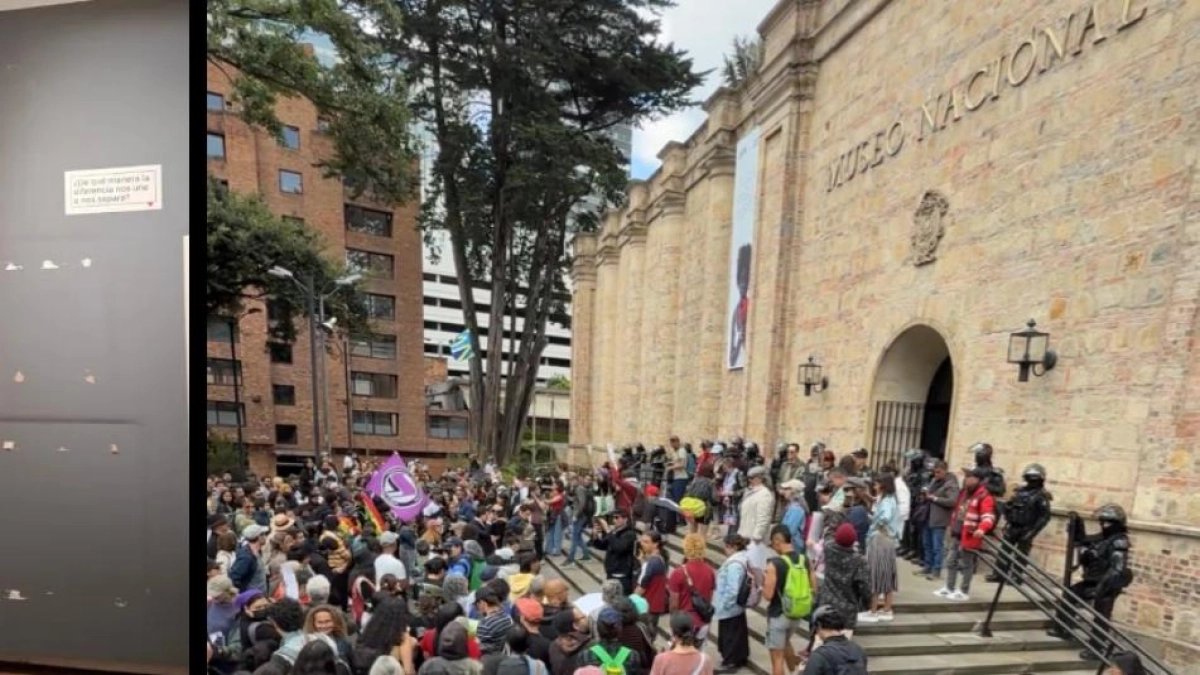
This Saturday, October 17, at least 500 people, according to figures from the Ombudsman’s Office, gathered in front of the National Museum (Bogotá) to protest the removal of more than 30 pieces from its exhibition halls.
On the one hand, social organizations have rejected the release of elements related to feminist struggles, the rights of the LGBTIQ+ population and the peace process in Colombia.
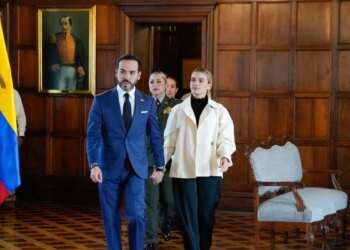
On the other hand, there are sectors that have pointed out that the removed objects do not represent the cultural identity in Colombia. The Minister of Culture, Paola Holguín, has stated that “the National Museum, as part of the State, It has the purpose of preserving, restoring, protecting and socializing our culture. Its institutional vocation is not to serve as an instrument of political indoctrination, a focus for the dissemination of biased versions of our history, much less as a means of multiplying the government agenda.”
After this situation, citizens gathered this Saturday on the Séptima race. There they carried out cultural activities in rejection of the decision of the national government.
READ ALSO
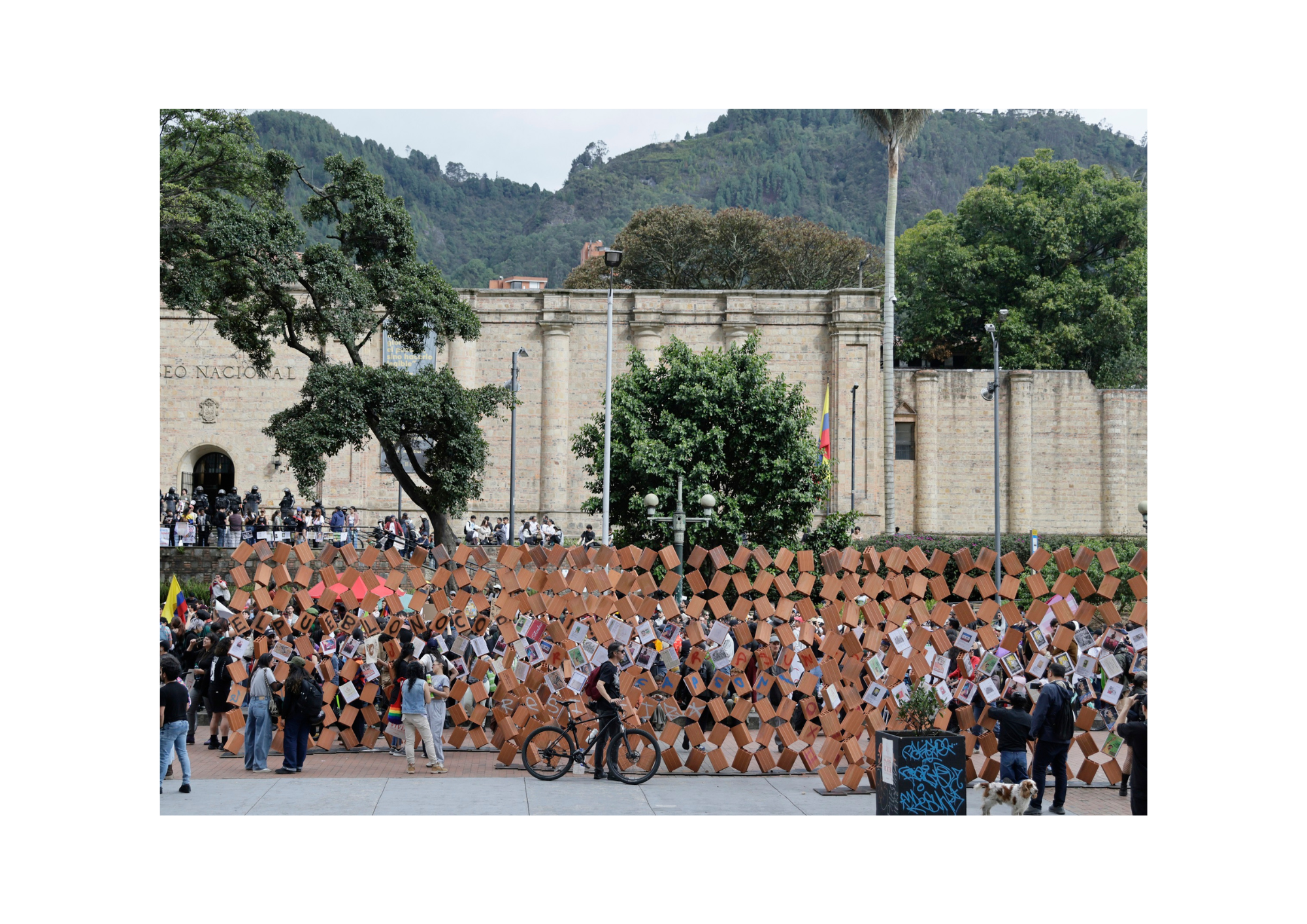
Protesters held a sit-in at the National Museum on October 17. Photo:in X. @Marovaan / MariaPazGaviria
According to the ombudsman, Iris Marín, the day passed peacefully on said road, which remained blocked during the afternoon by protesters.
Among the attendees was the former Minister of Culture Juan David Correa, who expressed his disagreement with the removal of the pieces and recalled the importance of the National Museum for the country. “It is a museum that redefined Colombian society. This was a panopticon, a prison, and it was managed to become a museum,” he said.
Furthermore, he described the decision of the national government as “a challenge to the cultures and arts of the country” and assured that they will respond “with peace, with joy and enthusiasm.”
READ ALSO
The sit-in was also attended by former senator María José Pizarrowho, through their social networks, highlighted the presence of women, older adults, children and young people who came to the place to express their disagreement with the decision.
Given what happened, Pizarro asked the Government to answer several questions about the destination of the removed pieces and the treatment they will receive, considering that they are part of the national heritage.
Councilor Andrés Barrios, for his part, responded to the former congresswoman by pointing out that: “The pieces that advocate terrorism, romanticize the guerrilla and promote wokism are not part of our heritage, madam.”
“The progressive altar that they had built in the National Museum is over. Culture will not continue to serve their political propaganda,” he concluded.
The removal of the pieces generated criticism from organizations defending LGBTIQ+ rights. Photo:in X. @AnaBejaranoRG
Despite the disagreement expressed by those in attendance, the Government Secretariat reported that, at the end of the afternoon, The day passed normally. According to the entity, there were no impacts on mobility or damage to the National Museum facilities, such as scratches on the walls or other elements of the place.
However, around 7 pm, the National Anti-Riot Unit intervened with its tank to disperse the demonstration.
EL TIEMPO contacted the Police to find out the report in this regard, but so far has not received a response.
These were some of the works withdrawn
Among the pieces removed from the museum were:
- The gay pride flag that belonged to activist Elizabeth Castillo.
- A poster from the advertising campaign of the 2006 LGBT march, of a lesbian nature.
- A printout on women’s reproductive rights, from the Sí Mujer Foundation.
- Humberto Rincón Perfetti’s photograph of the LGBT full citizenship march ‘For an inclusive Colombia’.
- A copy of number 2 of the magazine La Ventana Gay, by Manuel Antonio Velandia and León Zuleta, an Antioquian gay activist murdered in 1993.
The removal of the pieces generated criticism from organizations defending LGBTIQ+ rights. Photo:in X. @AnaBejaranoRG
Objects linked to political violence and peace agreements also went on display. Among them was the ‘Ballígrafo’, made from a bullet casing and used to sign the 2016 Peace Agreement with the FARC.as well as material related to Bernardo Jaramillo Ossa, presidential candidate of the Patriotic Union assassinated in 1990.
The poster of the candidacy of Carlos Pizarro, commander of the M-19 who led the demobilization of that guerrilla and was assassinated on April 26, 1990. Both disappeared from the exhibition, where there were other objects about the political violence of the 80s and 90s.
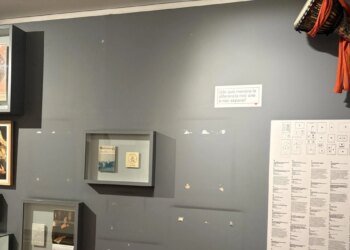
More than 30 pieces were removed from the National Museum of Colombia. Photo:Mauricio Moreno / EL TIEMPO
What was the reason for the removal of the pieces?
The decision is part of the so-called ‘cultural counterrevolution’, promoted by President Abelardo De La Espriella, who has questioned what he calls ‘woke’ culture. His position proposes reviewing the contents of public institutions that, according to his Government, promote certain ideological positions.
For her part, the Minister of Culture, Paola Holguín, defended the decision by pointing out that the museum should not become a space for “political indoctrination.” From the Government, the argument is that the institution must preserve the national heritage without presenting biased versions of history.
READ ALSO
Faced with what happened, ‘Colombia Diversa’ expressed its concern about the removal of pieces from the “Make Society” room. In a publication on X, the organization stated: “We are concerned that some works have been downloaded at the @museonacionalco”. Furthermore, he noted that the elements were related to the struggles and rights of LGBTIQ+ people and to the country’s peace processes.
The organization also mentioned references to former pride marches and the ‘Toque Lésbico’ batucada, founded in 2009, among the removed elements. Likewise, he highlighted the presence of materials related to feminism and sexual and reproductive rights, whose value lies in documenting the demands of different social sectors.
While President Abelardo De La Espriella defends the review of cultural content from his position against what he considers indoctrination, his critics question the release of pieces that represent diversity and historical memory.
Finally, the controversy opened a debate about how Colombia’s different historical experiences should be represented in its cultural institutions. While the Government maintains that it seeks to review the contents of the exhibitions, social organizations and protesters demand that the memory of the struggles for rights, the victims of violence and the peace processes be preserved.
THE TIME