The government has submitted a proposal to parliament to reform integration services, placing greater responsibility on immigrants to work, learn the language and take part in programmes linked to employment.
The reform, presented on Thursday, reshapes the system to focus on labour market entry and introduces new obligations tied to benefits and participation.
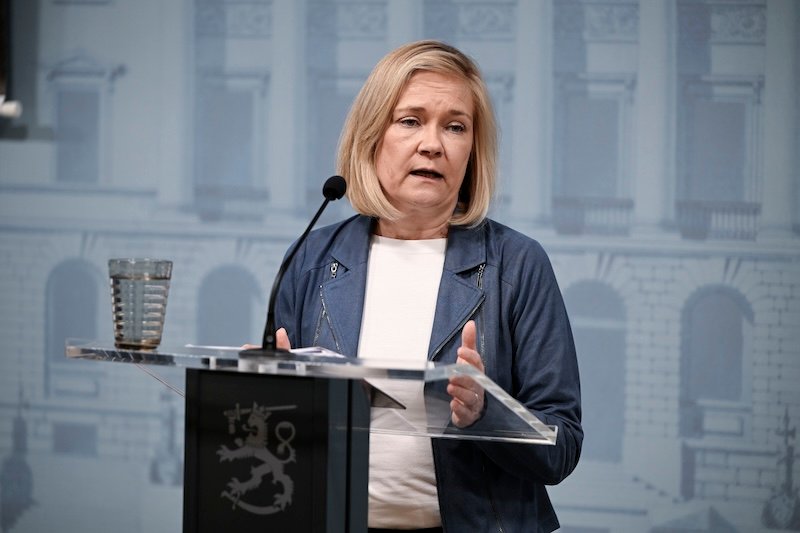
Interior Minister Mari Rantanen said integration must centre on language skills, employment and knowledge of society.
“The government will clarify the system and strengthen the immigrant’s own responsibility,” she said, adding that the plan includes savings of more than €46 million.
Under the proposal, immigrants will face stricter requirements to engage with integration services. Participation in an assessment of skills and service needs will become mandatory. Those who fail to follow their integration plan risk reductions in unemployment benefits or cuts to income support.
Integration training and literacy education will be linked more closely to employment services. Both will be delivered as labour market training, with a focus on preparing participants for work.
The government also plans to define clearer targets for integration plans and training, while speeding up access to services in the early stages after arrival.
Responsibility for organising integration and literacy training will shift to municipal employment authorities. Municipalities will gain control over funding, which will be consolidated into a single channel. Officials said this move aims to reduce overlapping funding and improve results at local level.
The reform forms part of earlier decisions on spending cuts. The government estimates total savings of €46.8 million in 2027 once the changes and related regulations take effect.
If approved by parliament, the new system will enter into force on 1 January 2027.
HT