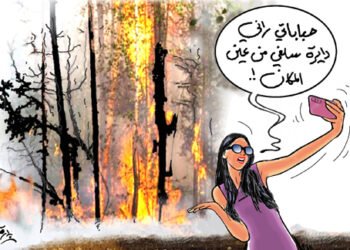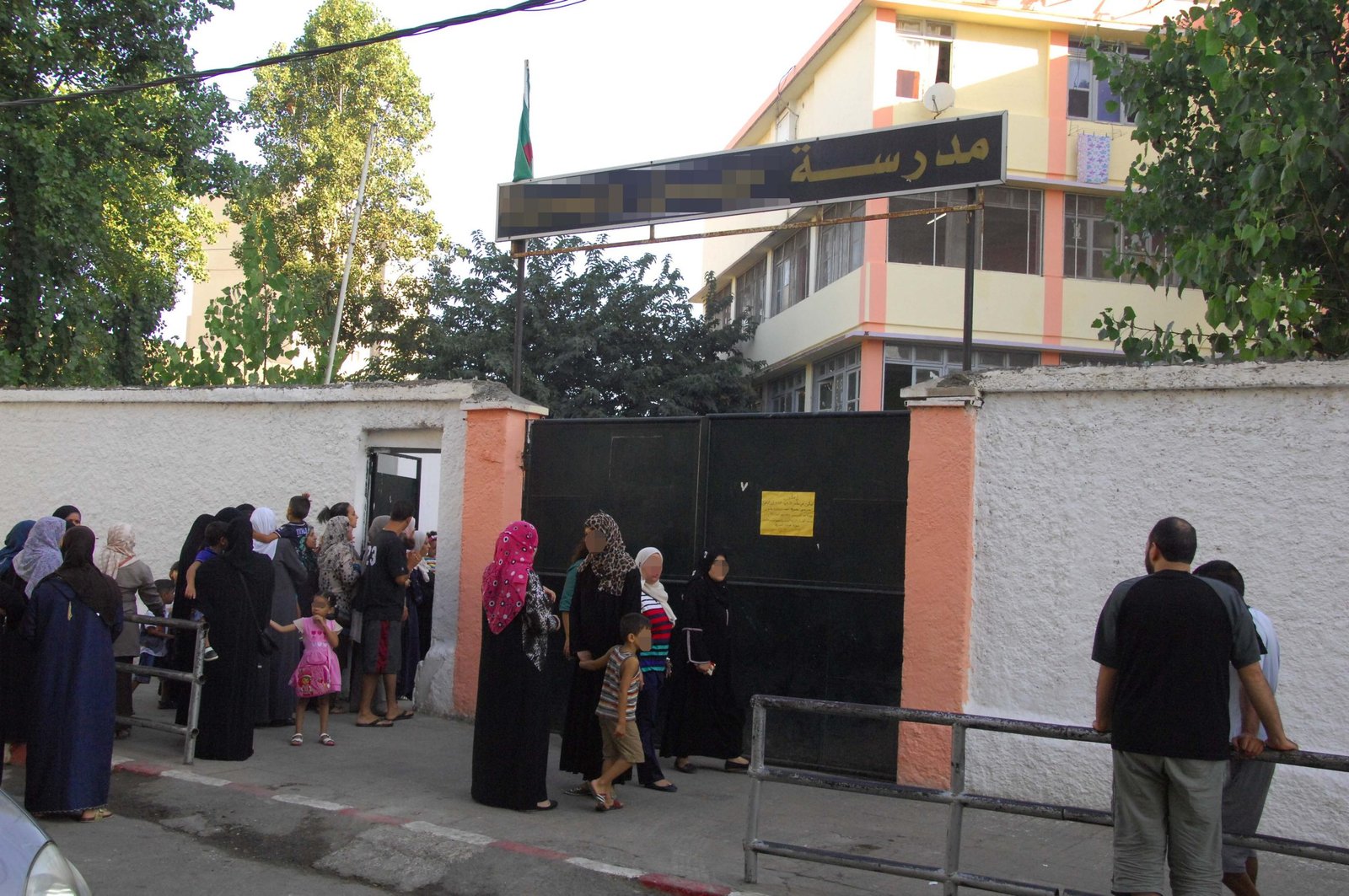
Against the backdrop of quarrels involving mothers… directorates initiate measures and decide:
The state education directorates were quick to issue firm regulatory instructions to all parents and guardians, emphasizing that the legitimate and legal guardian of the male and female student is the father and not the mother, except in four exceptional cases, in order to control the process of receiving them and taking care of their concerns to the fullest extent, and to reduce the administrative problems and disputes that some educational institutions have witnessed recently, and whose heroes in many cases are mothers.
The best evidence is what happened recently in the state of Setif, where a mother verbally assaulted a professor and got into a quarrel with her, protesting over her son’s mobile phone, which was detained after he was caught red-handed using it.
These are cases where the mother is allowed to legally represent the student
In instructions issued by them, the interests of the competent state education directorates informed everyone regarding the issue of receiving the legal guardians of the students, that the mother is not allowed to represent the student at the administration level and take care of his educational concerns, and she cannot take the father’s place as a legitimate and legal guardian, except in four exceptional cases, which are divorce and the presence of the mother’s legal sponsorship over her children, as well as the death of the father, or the father’s entry into prison, as well as in the case of the father’s notarized legal declaration to take care of her children, issued by The notary or guarantee issued by the family judge at the court.
On this basis, the executive directorates explicitly and directly asked mothers not to adopt the role of legal guardian, whatever the reason, except in the cases mentioned above, especially in the event of overlapping powers between them and fathers. She stressed that bringing the school administration closer to the guardian requires adherence to the applicable legal framework.
The goal of The decision regulates communication in schools and reduces conflicts
In addition, the education directorates of the states confirmed that these regulatory procedures are based on the legal and regulatory texts that specify the conditions of entry to educational institutions and the methods of organizing and functioning of the educational group, most notably Executive Decree No. 10-03 and Resolution No. 65 issued on July 12, 2018, which determines the methods of organizing and functioning of the educational group.
In conclusion, the state directorates stressed that parents or guardians are required to review the applicable laws of the Republic, especially the unified bylaws of educational institutions recently released by the Ministry of National Education, with the necessity of strict adherence to its legislative provisions, especially the articles that prevent students from bringing or using personal mobile phones, smart communication devices, or photographic and recording means inside classrooms and pedagogical facilities.
It also emphasized knowledge of the articles that prohibit making any photography, audio or visual recording, or publishing pictures of students, teachers, employees, or educational institution facilities on social media networks or personal digital systems, without obtaining an official written license from the director of education for the state, in order to ensure that the school campus runs in an orderly and calm manner and to avoid any administrative complications that may affect the academic achievement of students.