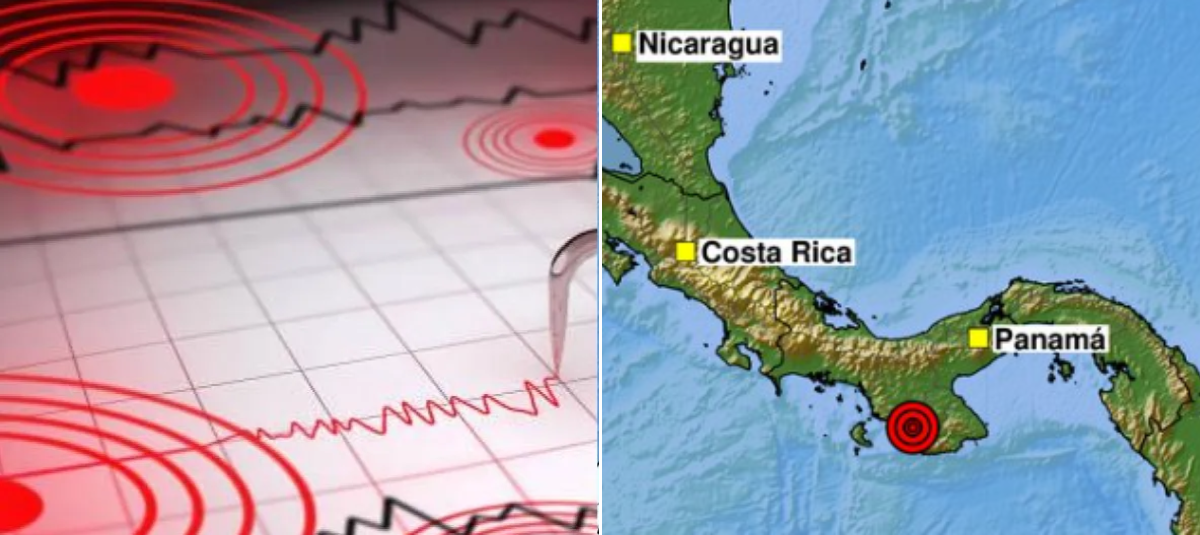
Yesterday, when the ground shook again in the Pacific region, the fear of that morning of August 10 reappeared in Chocó, when a 7.4 magnitude earthquake shook Colombia and left a trail of destruction. Although this time there were no reports of damage in that department, two months after the tragedy the country continues counting its losses and looking for a way to get back on its feet: hundreds of thousands of people are listed as affected, tens of thousands of homes were destroyed and reconstruction is just beginning to take shape.
The balance of the National Unit for Disaster Risk Management (UNGRD), as of October 9 at 6:30 in the morning, shows the magnitude of the emergency. The earthquake left 335 dead, 4,516 injured, 103 missing and 364 people rescued. In addition, 3,282 affected animals were reported, of which 3,003 were rescued.
READ ALSO
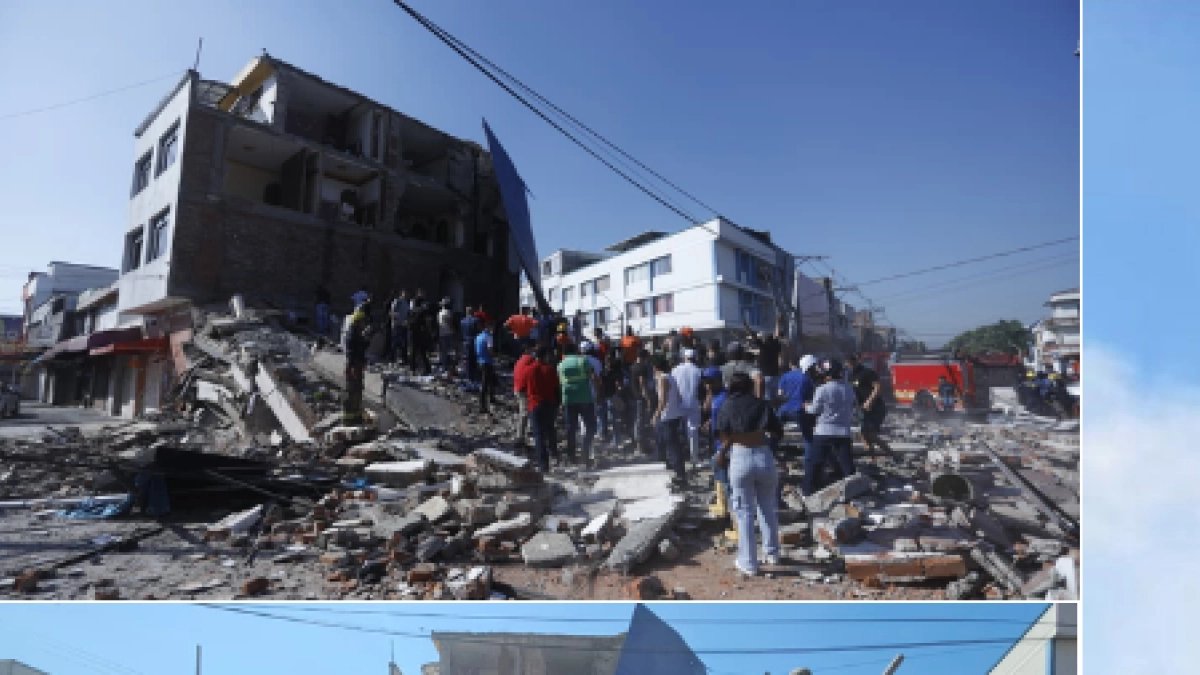
The emergency affected 500 municipalities in 16 departments and left more than 206,000 homes damaged. Photo:Carlos Ortega. EFE
The figures from the Single Registry of Victims (RUD) show that the recovery task is just beginning in much of the territory. There are 303,934 registered families, equivalent to 486,917 people, while 36,478 homes were destroyed and another 206,931 suffered damage. In total, the emergency affected 16 departments and 500 municipalities.
One of the main challenges is to guarantee housing solutions for those who lost their homes. In September, the Government announced the construction and delivery of 1,000 homes for affected families: 500 in Chocó, 235 in Valle del Cauca, 100 in Risaralda, 100 in Caldas, 40 in Quindío and 25 in Antioquia. The first was delivered in Quibdó to the Asprilla family, in an event led by President Abelardo De la Espriella.
The answer also includes health care. In Quibdó, a mobile medical unit was delivered to provide primary care services and bring assistance closer to the communities that need it.
In Cali, one of the cities facing significant damage, the district administration continues in the stabilization phase. Two months after the earthquake, it has characterized 4,733 of the 14,000 buildings that must undergo technical evaluation. Of those inspected, 1,787 were classified as uninhabitable and 1,422 as unsafe.
READ ALSO
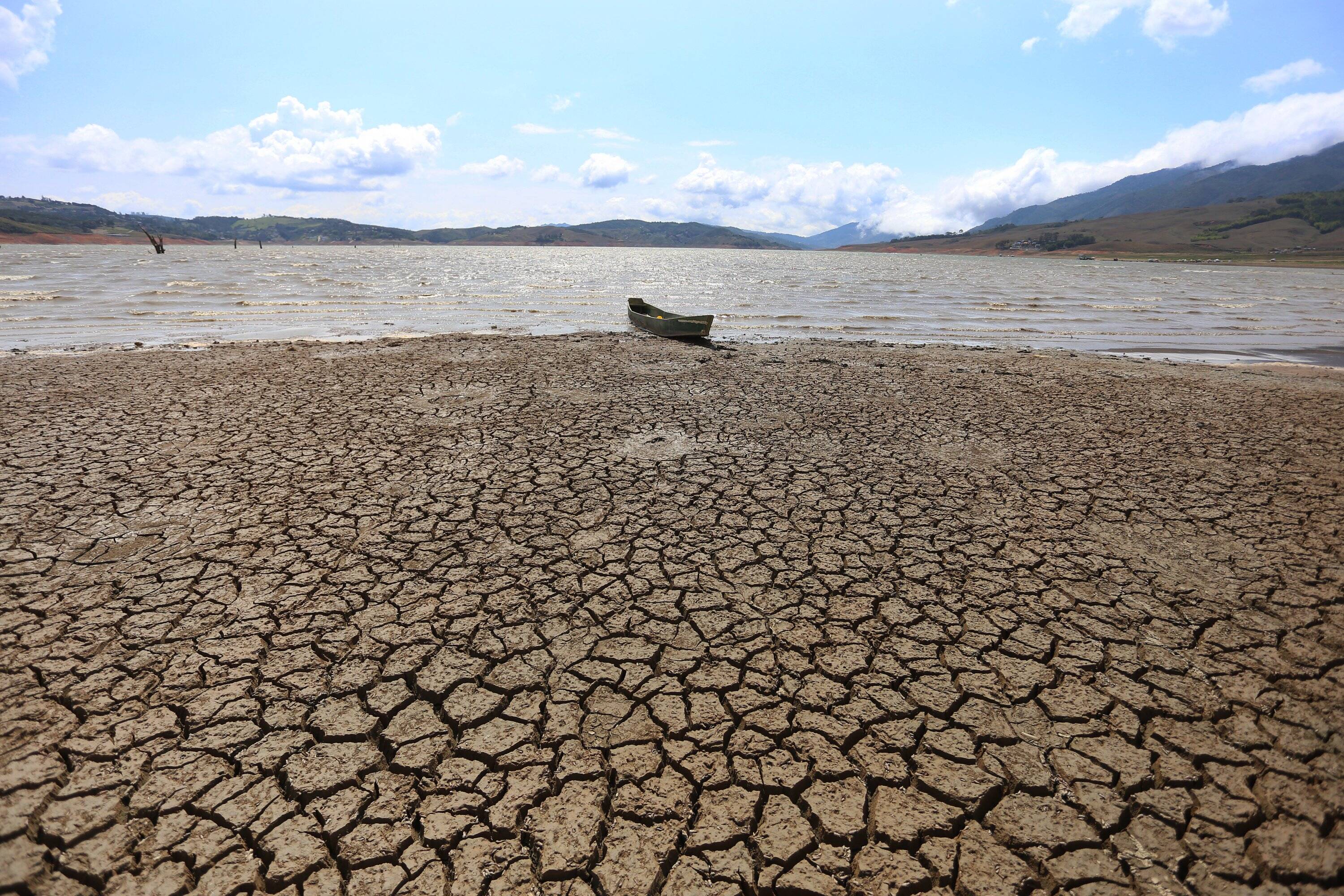
Two months after the 7.4 magnitude earthquake, thousands of families hope to recover their homes. Photo:Courtesy
More than 60 buildings have been identified for demolition. Of them, 36 have an approved concept, three have already been demolished and seven are in the process of intervention. Added to this is the collection of more than 192,000 tons of debris in 1,095 points.
The emergency also hit the productive fabric. The district characterization identified more than 7,000 affected companies, economic losses estimated at 180.7 billion pesos and nearly 24,600 jobs harmed or at risk.
To support recovery, the Mayor’s Office launched the ‘De Borondo’ strategy, with commercial, gastronomic and cultural activities in different sectors. A guarantee fund of 5,000 million pesos was also structured that would support up to 72,000 million in loans for micro, small and medium-sized companies.
In terms of aid, 9,025 families had already received the subsidy corresponding to the first cut, while another 6,751 records had validated bank accounts and were pending approval from the UNGRD to continue with disbursements.
In Risaralda, the Government announced rental assistance of 1,050,000 pesos per month for three months, extendable for another three, for affected households included in the RUD. In Pereira, support of up to five million pesos was also announced for 1,400 affected businesses and a fund of up to 7,000 million to contribute to economic reactivation.
READ ALSO
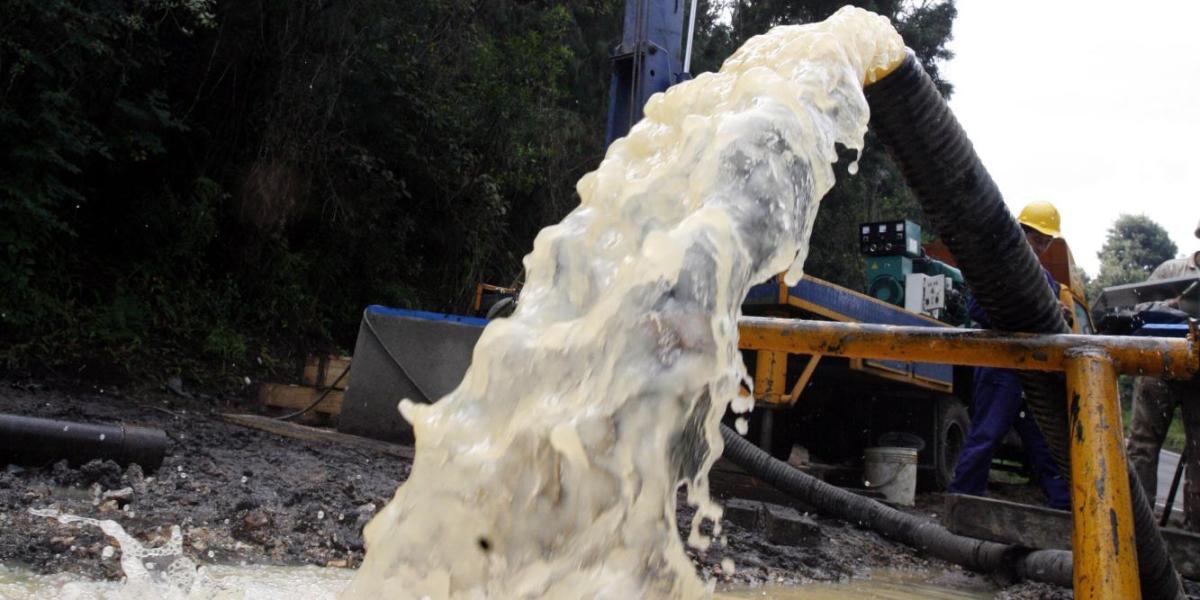
Emergency care includes delivery of housing and rental subsidies. Photo:Sergio Cárdenas – Daniel Fernando López / EL TIEMPO
Miracle Fund: the mechanism that will finance reconstruction
While aid and attention to the damage progress, the Government established the autonomous Miracle Fund fund to manage resources for humanitarian assistance, recovery, rehabilitation and reconstruction.
The fiduciary administration was in charge of Fiducoldex, while the direction of the operation will be in the hands of a Missionary Unit headed by the manager of the Fund, Jaime Uribe. A Board of Directors of seven voting members will make management decisions: five representatives of the President of the Republic, one from the National Planning Department and one from the Ministry of Finance. The UNGRD will have a delegate with voice, but without vote.
The heritage may receive resources from the General Budget of the Nation, donations, international cooperation, territorial transfers and authorized special funds. Among the budget resources is an addition of 624,656 million pesos approved by Decree 1488 of October 6, 2026.
Fiducoldex must process payments, keep accounting and monitor contracts. The Ministry of Finance will directly supervise the operation. Monthly reports, semi-annual accounts and audits of the Financial Superintendence and control bodies are also contemplated.
READ ALSO
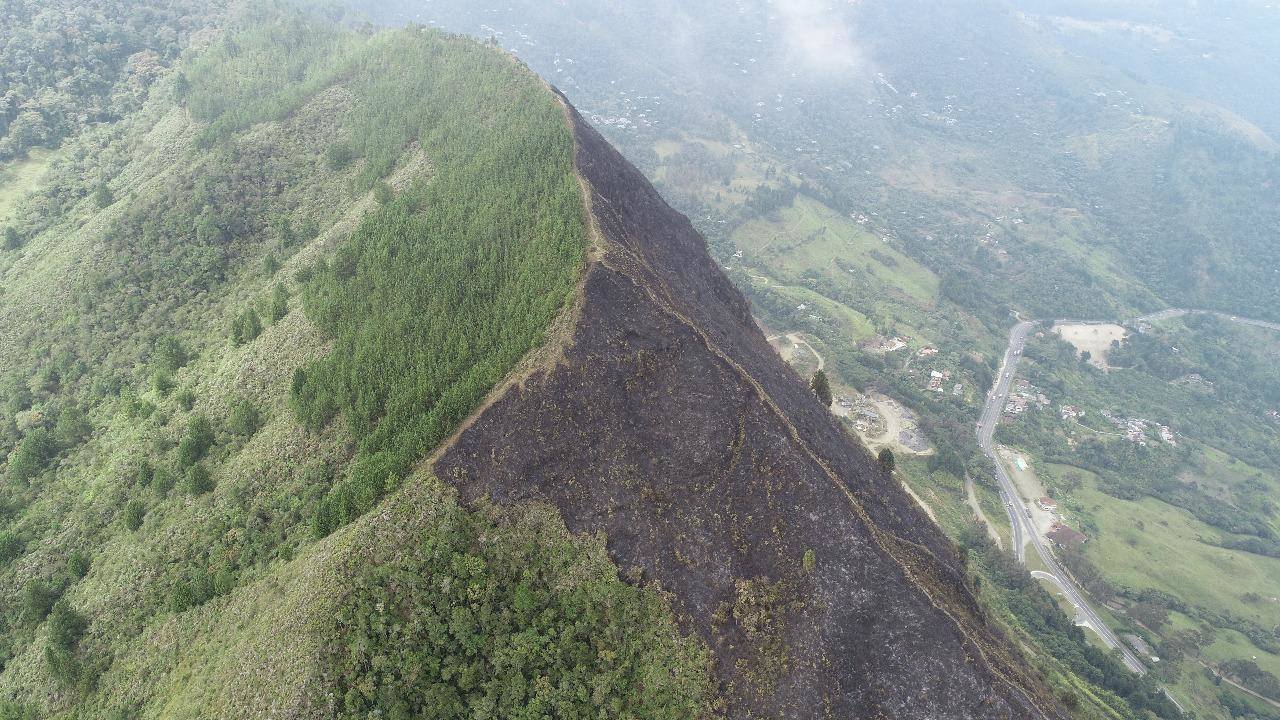
Two months after the earthquake, the Miracle Fund already has an administrative structure. Photo:Pereira Mayor’s Office
The Fund already participates in humanitarian assistance initiatives. On October 1, the Government announced that Tiendas D1 and the Santo Domingo Foundation would provide 20,000 million pesos in food and basic necessities to benefit 25,000 families for six months, through an operation run by the Association of Food Banks of Colombia.
However, the challenge will be to demonstrate that the resources become concrete solutions for the victims. Representative Catherine Juvinao has questioned the need to know how much money has arrived, who manages it and what it is being spent on.
Two months after the earthquake, Colombia has subsidies, housing projects, infrastructure recovery and measures underway to reactivate the economy. But with hundreds of thousands of people registered as victims and tens of thousands of homes destroyed, reconstruction remains a long-term task. The challenge now is for the financial and administrative structure to translate into works, timely payments and recovered homes.
EDWIN CAICEDO
Environment and Health Journalist
@CaicedoUcros