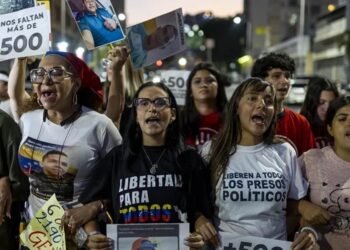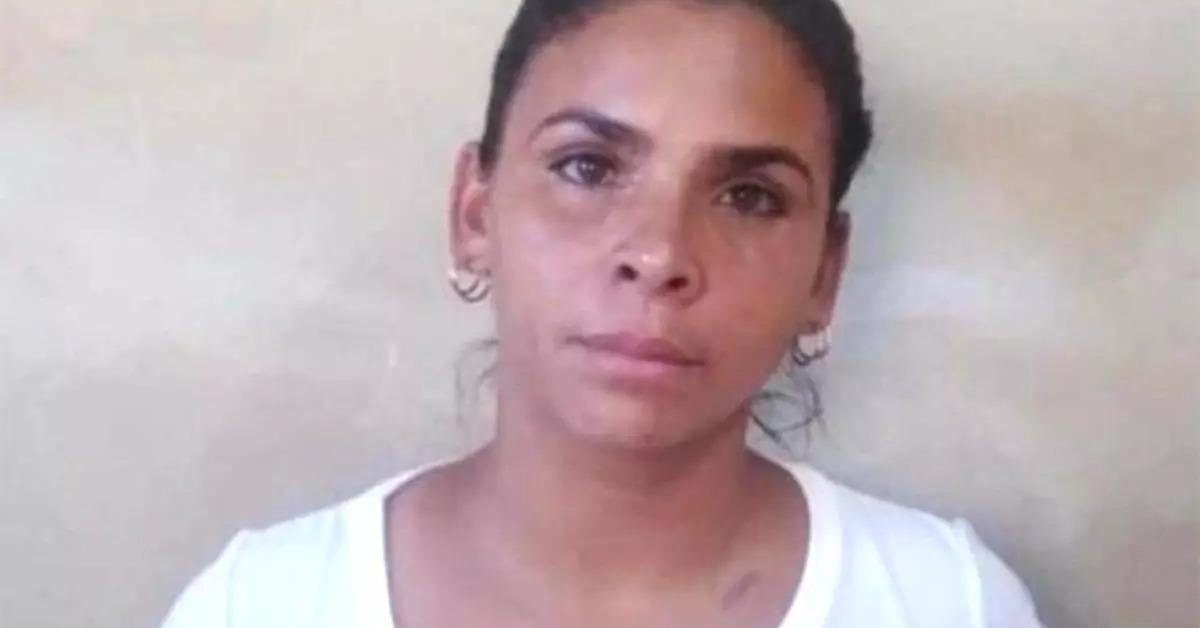
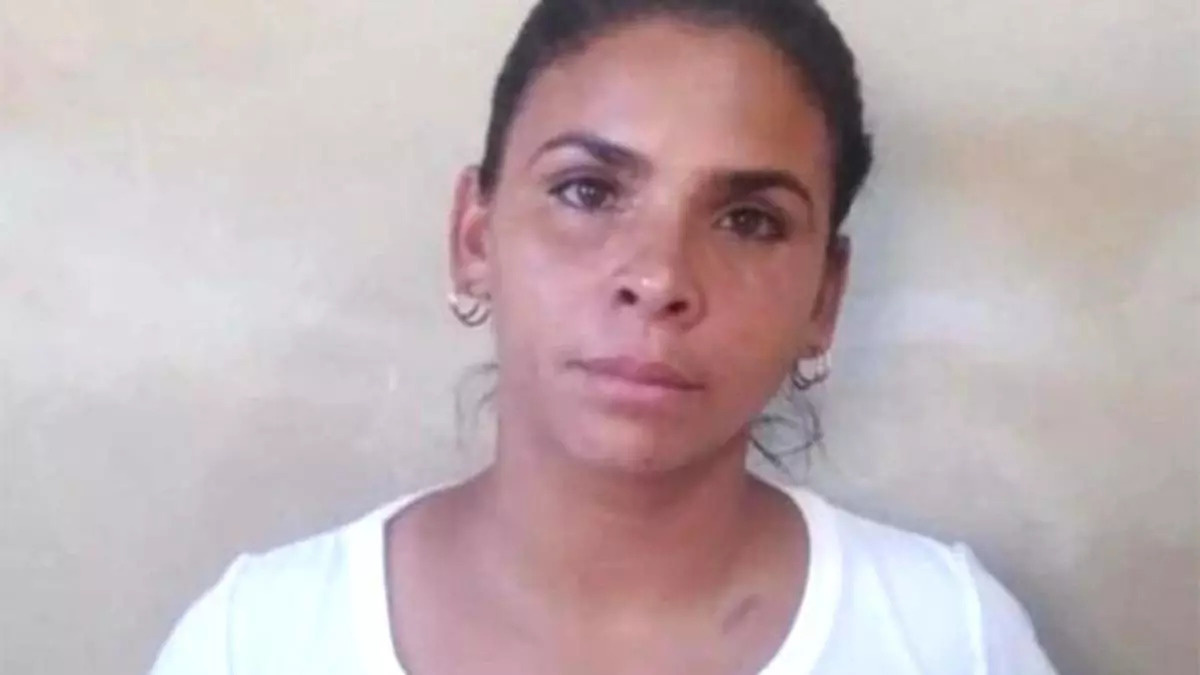
Havana/The political prisoner of 11J Lizandra Góngora Espinosa ended this Friday the hunger and thirst strike that she had started last April 22 in the Los Colonos prison, on Isla de la Juventud, according to the organization reported Cubalex. The protest, which lasted 48 hours, was a response to the conditions of confinement, the lack of medical care and the prolonged family isolation he faces.
Góngora, sentenced to 14 years in prison for her participation in the protests of July 11, 2021 in Güira de Melena, resorted to this extreme measure after almost five years of repression since her imprisonment. The strike was also a direct response to the statements of the Cuban ruler Miguel Díaz-Canel, who has denied the existence of political prisoners in the country.
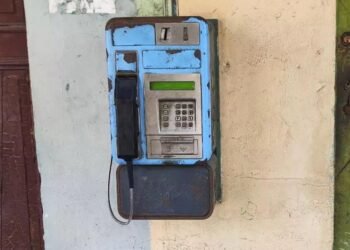
The beginning of the protest was communicated by the inmate herself to her relatives through a phone call from the prison. His decision generated immediate concern among human rights organizations due to your state of health. Góngora suffers from sickle cell disease (sickle cell anemia), a genetic disease that requires rigorous medical follow-up. Furthermore, during her confinement she has been diagnosed with a uterine fibroid that causes inflammation, intense pain and bleeding.
The distance, together with the economic crisis and transportation limitations in Cuba, means that her family can barely visit her.
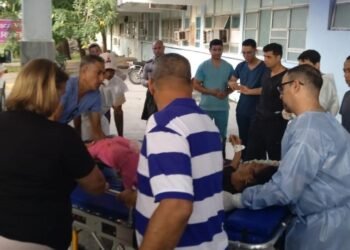
Prison authorities have systematically denied her an evaluation by a gynecology specialist and the surgery she urgently needs. The lack of conditions and medical personnel has been the recurring argument to justify the absence of treatment. In this situation, your husband should take advantage of the few visits to bring you basic painkillers to help you cope with the pain. “Their physical and psychological integrity remains at risk,” the organization warned.
One of the main factors of the complaint is his transfer in 2023 to the Los Colonos prison, located on the Isla de la Juventud, far from his family environment in Artemisa. This measure has been punitive in nature and has deepened their situation of vulnerability. The distance, together with the economic crisis and transportation limitations in Cuba, means that her family can barely visit her every three or four months.
As a consequence, Góngora has not seen his children for more than four months, a situation that has seriously affected the family bond. The organization emphasizes that this type of separation contradicts international standards such as the Nelson Mandela Rules and the Bangkok Rules, which establish the need to place people deprived of liberty in centers close to their homes, especially in the case of women with children.
The organization also warned about the risk faced by those who adopt these types of measures in the Cuban prison system.
The activist was punished for the crimes of sabotage, public disorder and sedition, charges that, according to Cubalex, do not correspond to her actions during the demonstrations and seek to punish the exercise of her rights. Since his imprisonment, the organization denounces a systematic violation of his fundamental rights, which includes harassment, reprisals and precarious living conditions within the prison system.
The organization also warned about the risk faced by those who adopt these types of measures in the Cuban prison system, where strikes are often considered “indiscipline” and can lead to additional sanctions, including isolation.
Cubalex insisted that the Cuban State must guarantee adequate medical care, allow regular contact with his family and cease any form of retaliation. “Although the strike has been ended, the causes that motivated it remain,” the organization reiterated.