
The Caribbean Community (CARICOM) is moving to advance a regional digital health strategy with support from the Pan American Health Organization (PAHO), Inter-American Development Bank (IDB) and World Bank.
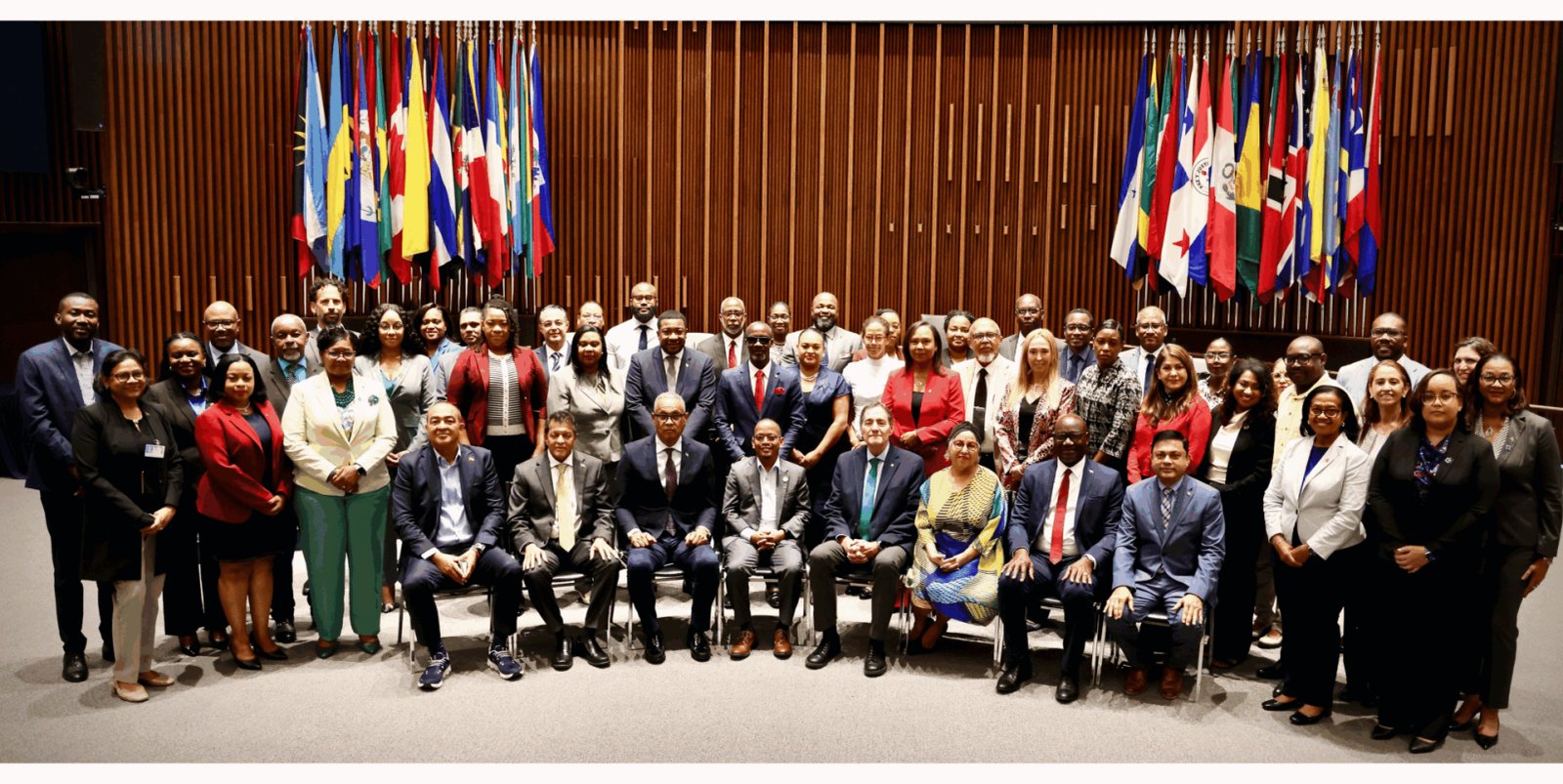
The commitment emerged from the 53rd Meeting of the CARICOM Council for Human and Social Development (COHSOD)—Health, held in Washington on September 25 and 26, 2026, under the theme, “Transforming Caribbean Health: Resilience, Innovation and Regional Action.”
According to a CARICOM release, health ministers reaffirmed the Heads of Government mandate for a CARICOM Digital Health Strategy and agreed that its development should be led by CARICOM and driven by Member States.
The strategy is expected to build on existing national and regional systems, frameworks and investments while using digital technology to improve healthcare delivery, primary healthcare, workforce management, public health surveillance, civil registration, health financing and evidence-based decision-making.
Ministers also examined ways to advance universal health coverage, strengthen sustainable financing and expand regional cooperation. The World Bank, PAHO and The University of the West Indies Health Economics Unit (UWI-HEU) made further commitments to support these efforts.
Belize’s Minister of Health and Wellness, Kevin Bernard, served as acting chair on the first day, while Guyana’s Minister of Health, Dr Frank Anthony, who currently chairs COHSOD, presided on the second day.
The meeting included CARICOM health ministers, permanent secretaries, chief medical officers and other national health officials, alongside representatives from the Caribbean Public Health Agency (CARPHA), UWI and the Healthy Caribbean Coalition (HCC). The Global Fund and PAHO/World Health Organization also participated.
CARICOM Assistant Secretary-General for Human and Social Development Alison Drayton said digital health is essential to creating more connected systems that can support continuity of care, disease surveillance and secure health information sharing across borders.
The discussions outlined a regional approach aimed at making Caribbean health systems more connected, resilient, equitable and sustainable.