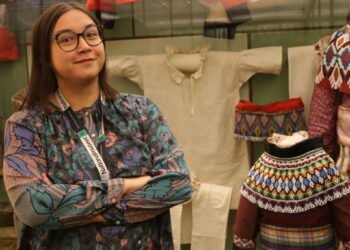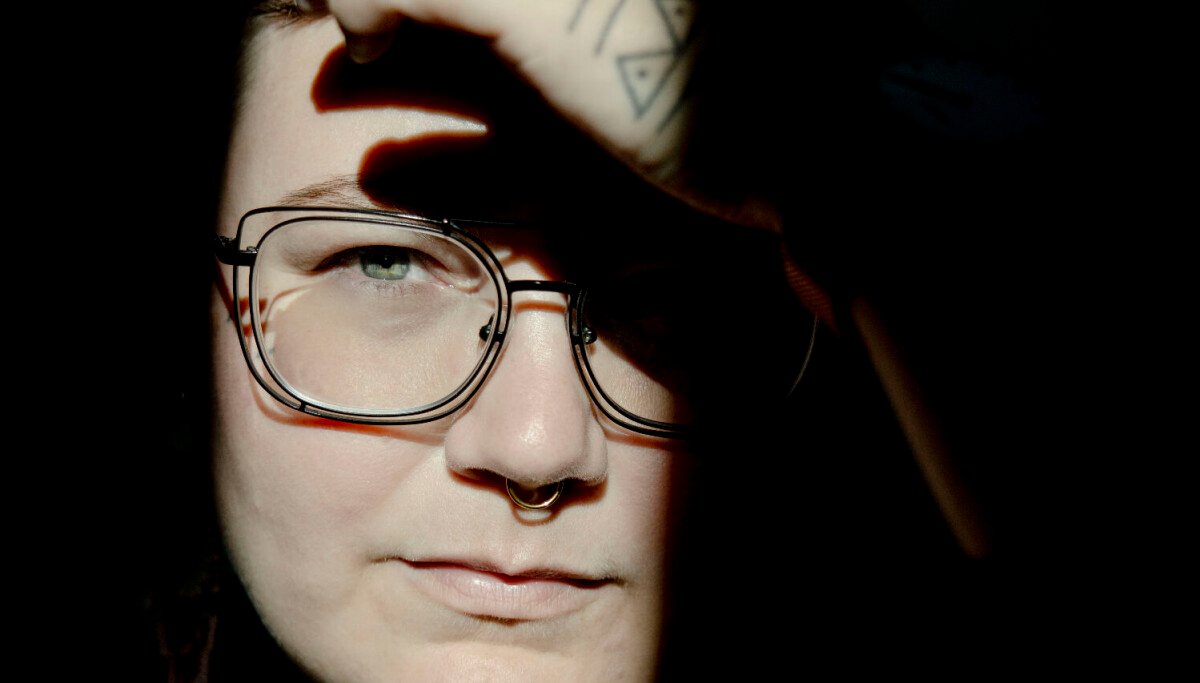
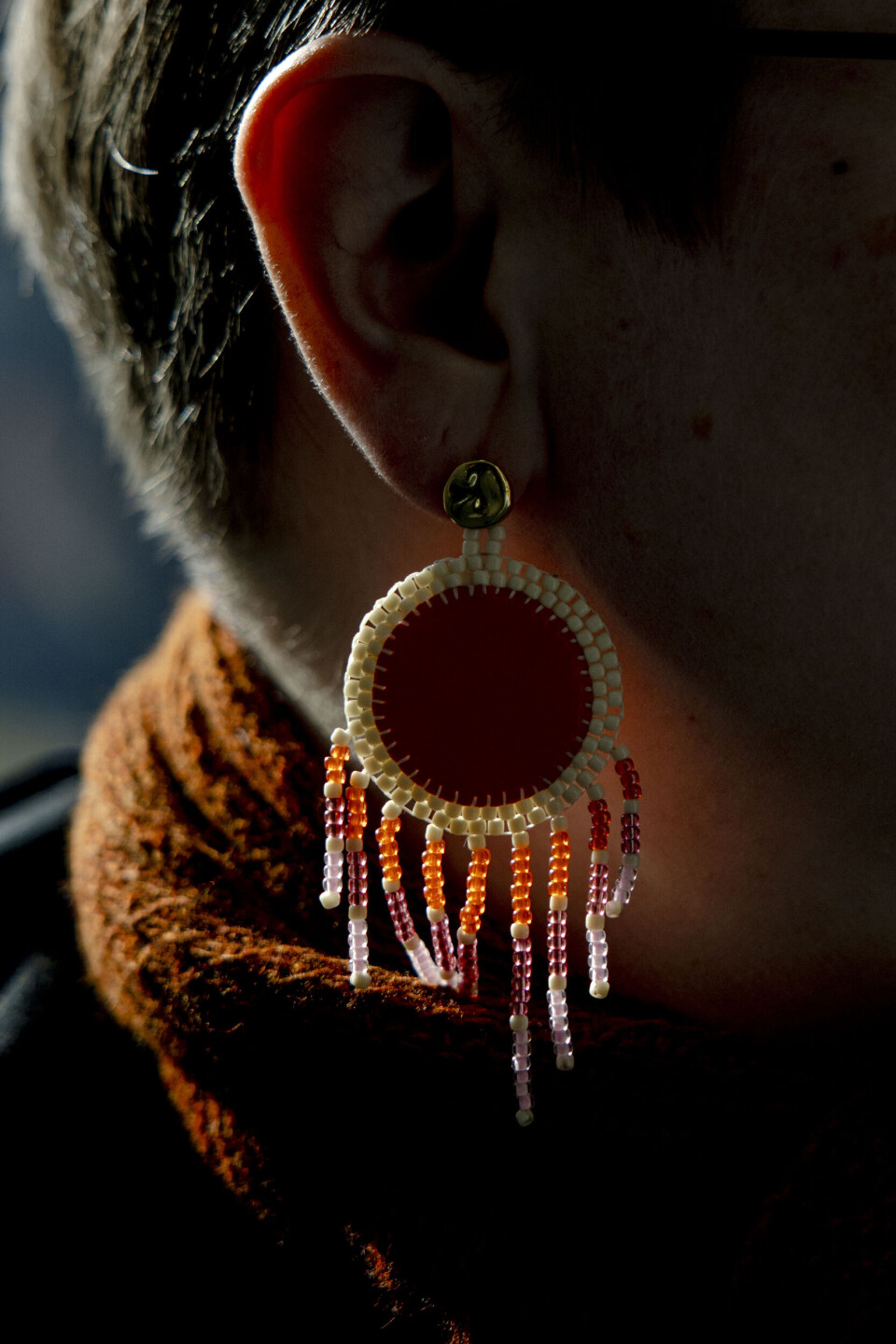
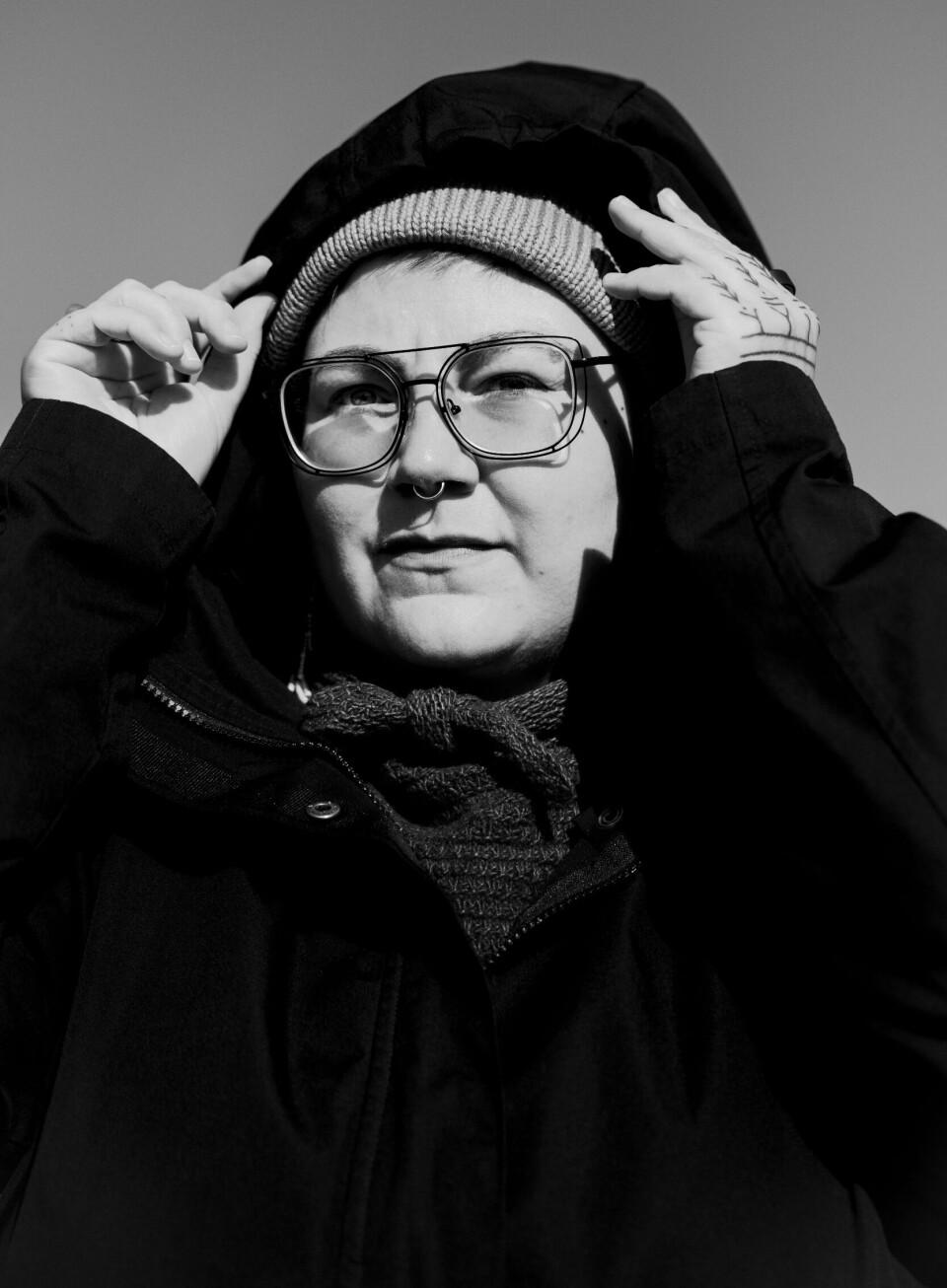
Then Liv Mejer Larsen had his tattoos with qulleq patterns done on the back of his hand, it was with his students in mind.
She wanted to radiate warmth and energy. Assign the space to them.
She tells us this when we meet at her workplace, Ilisimatusarfik. On a daily basis, she works as a study assistant at the university, where she teaches and is the coordinator of the SILA program in biology. The education is Greenland’s first science education, and is targeted at Greenlandic nature, culture and the labor market.
Liv Mejer Larsen has helped shape the thoughts behind it – especially with regard to the well-being of the students. Earlier in her career, she has experienced students changing themselves in order to fit into an education system that was not created with their culture in mind.
Today, it is not just her who makes an impression on the students. To a large extent, it is they who help shape her. As a Danish-speaking Inuk, there is much in her culture that she is still learning. Also by them.
Childhood in Frederiksværk and Upernavik
Liv Larsen was born on 29 April 1985 in Frederikssund in Denmark. She grew up in Frederiksværk in North Zealand, and had what she calls a “typically Danish” upbringing filled with lovely memories.
– We went on a canoe trip every summer, sailed from place to place and slept in a tent, she says.
Her father Hans Larsen is Danish and her mother Susanne Mejer is Greenlandic and Danish and grew up in Denmark.
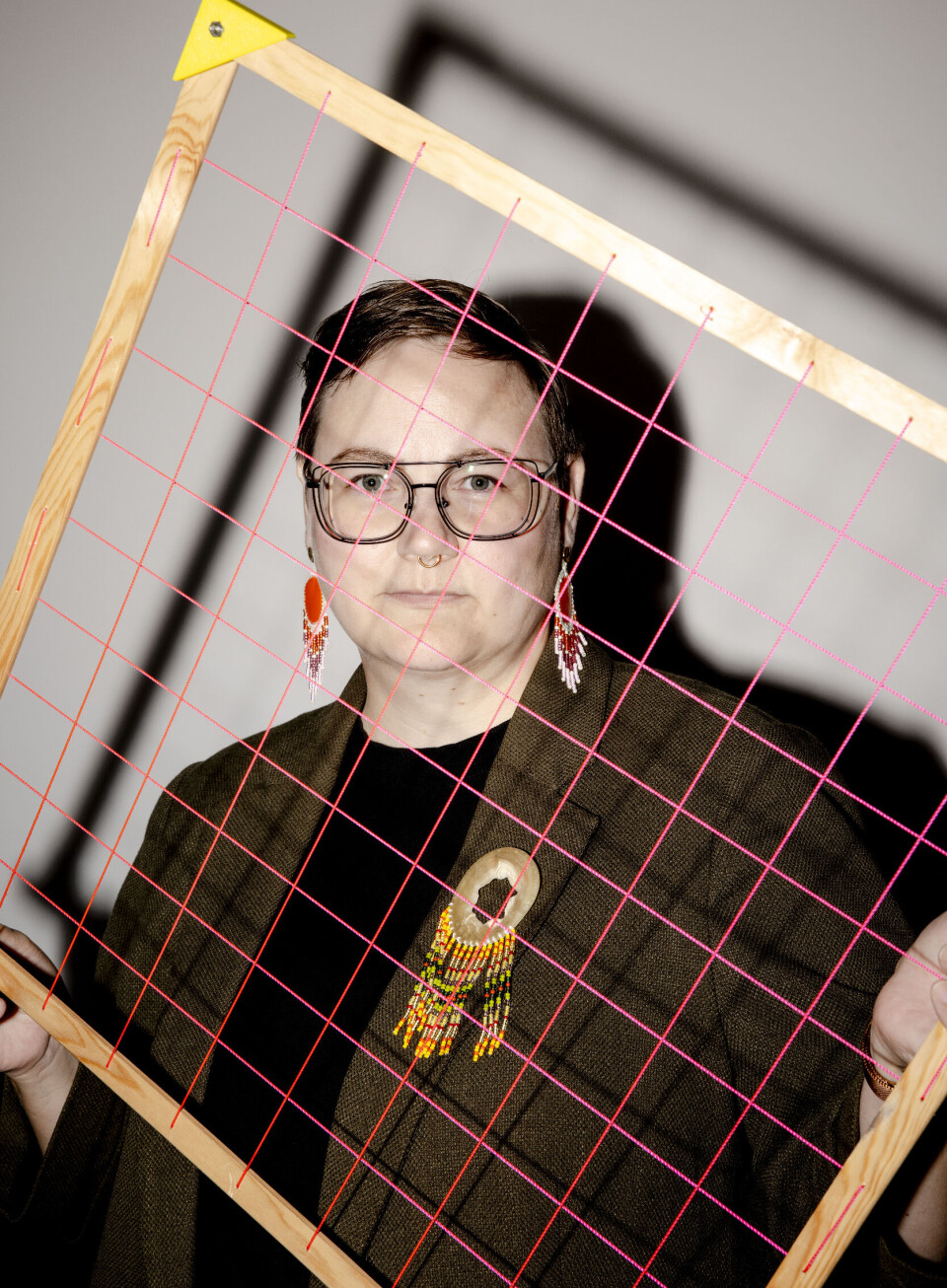
Liv Mejer Larsen was the younger sister in the family, and with both an older brother and sister to set the scene, it was rare that she stuck her nose out far. She kind of just followed along, and when she was 12 years old, it was to Upernavik because her father had got a job in the city.
– It took us at least a week to get up there, says Liv Mejer Larsen.
First, there was something about technology that was playing around in a helicopter. Then there was unsettled weather. They spent a few days in Kangerlussuaq, in Ilulissat and in Uummannaq before reaching Upernavik.
– It was all so exciting, recalls Liv Mejer Larsen, who took in all the impressions: The colorful houses, the barking dogs – and the meeting with the new friends at school.
It was autumn when they moved to Upernavik. She remembers that when it was winter, the large stones warmed the radiators. They moved them up to the tables when they had been outside, to warm their hands.
A year later the family moved to Tasiilaq.
Diary letters from the colony
Liv Mejer Larsen’s grandmother is from East Greenland, and more precisely an old settlement at Sermiligaaq. At the age of 2, she was moved to Ittoqqortoormiit with her aunt’s family, with whom she grew up.
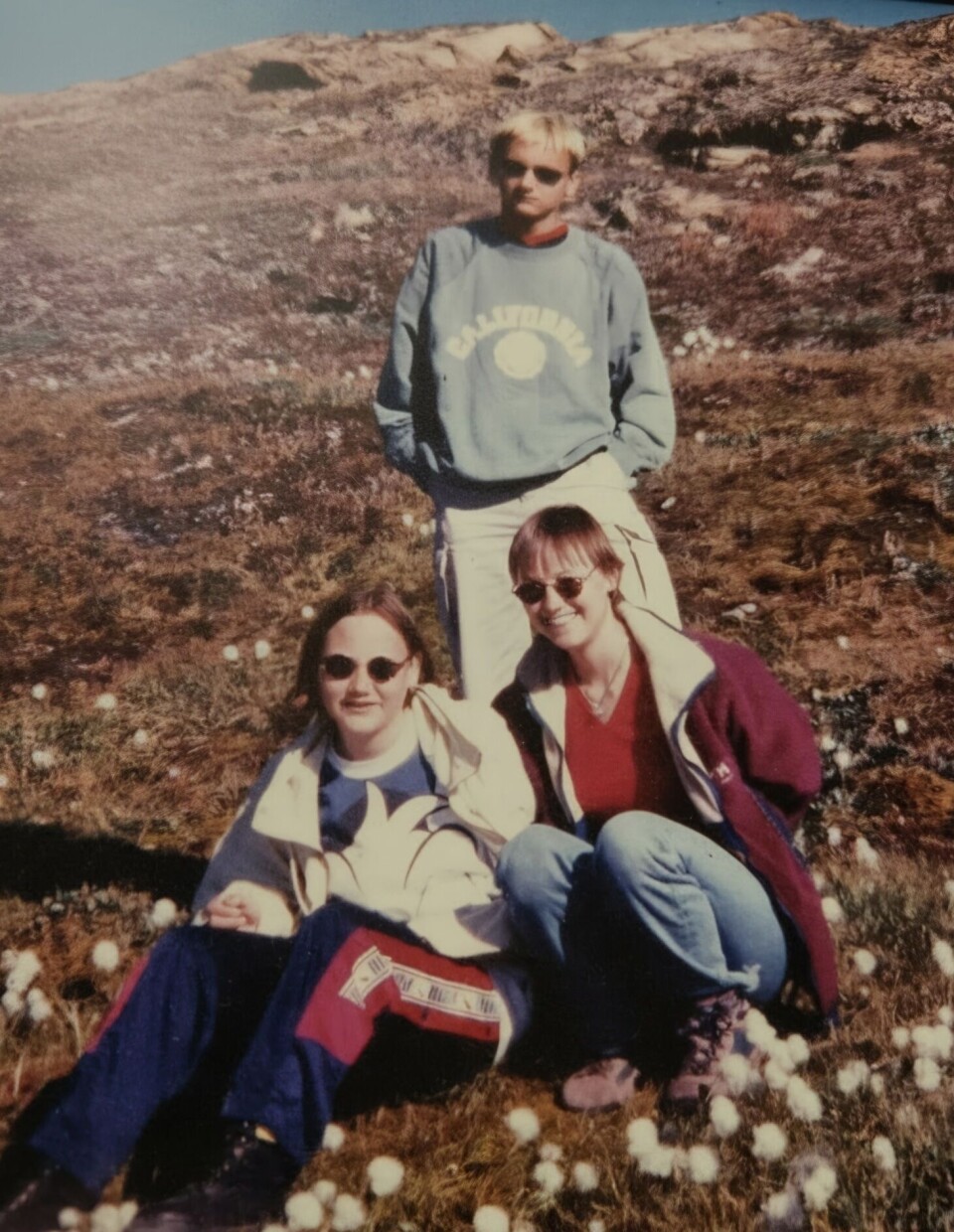
Liv Mejer Larsen’s grandmother did not talk much about her upbringing.
– I think it was a bit like that, why talk about something that you had to develop away from, says Liv Mejer Larsen.
At 17, she was married by royal charter to Liv Mejer Larsen’s maternal grandfather, who was a Danish craftsman who was in Ittoqqortoormiit “to build the colony”. They moved to Denmark, and Liv Mejer Larsen’s grandmother became a housewife.
Only two ships came to Ittoqqortoormiit in the summer that could carry letters. So Liv Mejer Larsen’s grandfather wrote diary letters to his parents and his younger sister.
– My mother and I have looked at them, and the first thing he describes is of course the colony: First the colony manager, then the priest, who was Greenlandic, and then the rest of the settlement’s residents, says Liv Mejer Larsen.
In the diary letters, however, there is nothing about his meeting with his grandmother.
– It was really divided, I think, and it’s interesting because we know that he ended up marrying a Greenlander, says Liv Mejer Larsen, who often ponders what it must have been like back then:
– I especially put myself in my grandmother’s place. How has she experienced this melting pot of meetings?
Greenland’s lucky potato
At the school in Tasiilaq, Liv Mejer Larsen had a very special teacher, Mikael Frank, who taught mathematics, physics and chemistry.
– He was the kind of person who was really busy… maybe even more than what was safe in terms of safety, says Liv Larsen and laughs.
He asked many questions, poked fun at the students and, with his visual teaching style, helped ignite a spark in Liv Mejer Larsen’s life. After primary school, she went to post-secondary school and went to high school in Denmark, where she chose a line of biology at a high level.
For some, theory is the boring part that just has to get over. But the interaction captivated Liv Mejer Larsen: Looking at pictures, learning the theory and then testing it afterwards in practice.
– The thing about finding a connection between what happens outside in nature and inside the organisms, I thought, was super interesting, says Liv Mejer Larsen.
After high school, she was going to university. The choice was between biology or Spanish, which she had also excelled at in high school. Between nature and culture.
– It’s a bit like two different approaches to knowledge, says Liv Mejer Larsen.
She ended up studying biology and biotechnology at the University of Copenhagen. But slowly the interest in culture crept into Liv Mejer Larsen’s way of looking at bacteria, cells and enzymes. In her master’s thesis ‘Greenland’s lucky potatoes’, which in 2011 was awarded the Academicus Arcticus research dissemination award and 10,000 kroner, she focused on obtaining knowledge that could benefit Greenland. With inspiration from her teacher, she researched Greenlandic bacteria as an ecological alternative to pesticides.
In the microscope, she took a closer look at a part of Greenland that she knew nothing about. In the same time period, she had begun to seek out more information about her Greenlandic origins.
– Back then I hardly dared to say that I was Greenlandic. Because you couldn’t see it, and I couldn’t speak Greenlandic either, says Liv Mejer Larsen.
She knew she wanted to return to Greenland.
Teaching that makes sense
During her studies, Liv Mejer Larsen’s teachers had noticed that she was good at communicating her knowledge to others. When she got her first job as a biology teacher at GUX in Aasiaat, however, she had no teaching experience. But she quickly became very involved in the job, and especially the part that deals with relationships. To his colleagues, but especially to the students.
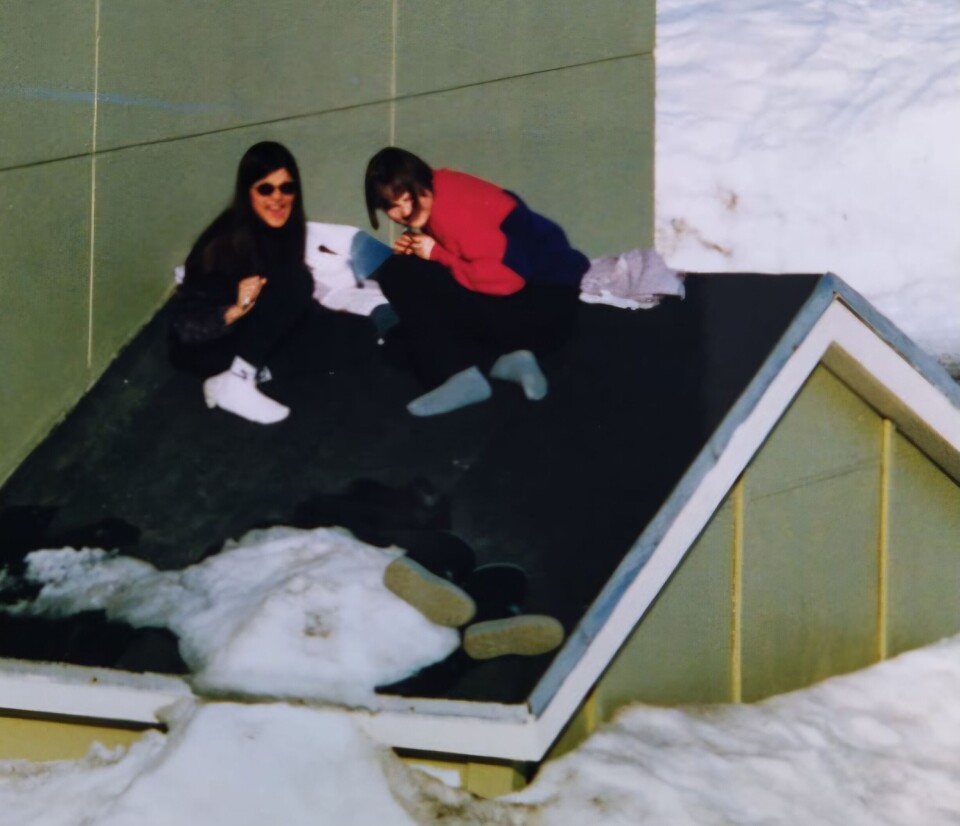
– There was a much more immediate relationship than what I had been used to from the Danish teaching environments, says Liv Mejer Larsen.
After two years, she moved on to Nuuk, where she had got a job at GU.
The gymnasium was bigger, and that also gave more colleagues with whom Liv Mejer Larsen could spar.
– It was really nice. But I was still looking to develop teaching, and in the last years I was a secondary school teacher, I felt like I was running into a wall, she says.
Over the years, it had dawned on her that she taught a lot according to Danish norms, which she had the experience of being pushed down on the students. A class where the emphasis was on being fast, raising your hand and drowning each other out to say something.
– It just wasn’t the way my students were, says Liv Mejer Larsen.
But at the same time, she didn’t know of any other ways to do it. Therefore, she began to investigate how to create a more Greenlandic teaching culture that would better support the Greenlandic students.
– Maybe the teaching could be done in a different way, where you don’t have to perform in a certain way all the time, and where you don’t have to change yourself in order to be assessed as a good student, Liv Mejer Larsen asked herself. As she could not find a solution within the existing framework, she chose to resign instead. Too many times she had come home from work feeling inadequate.
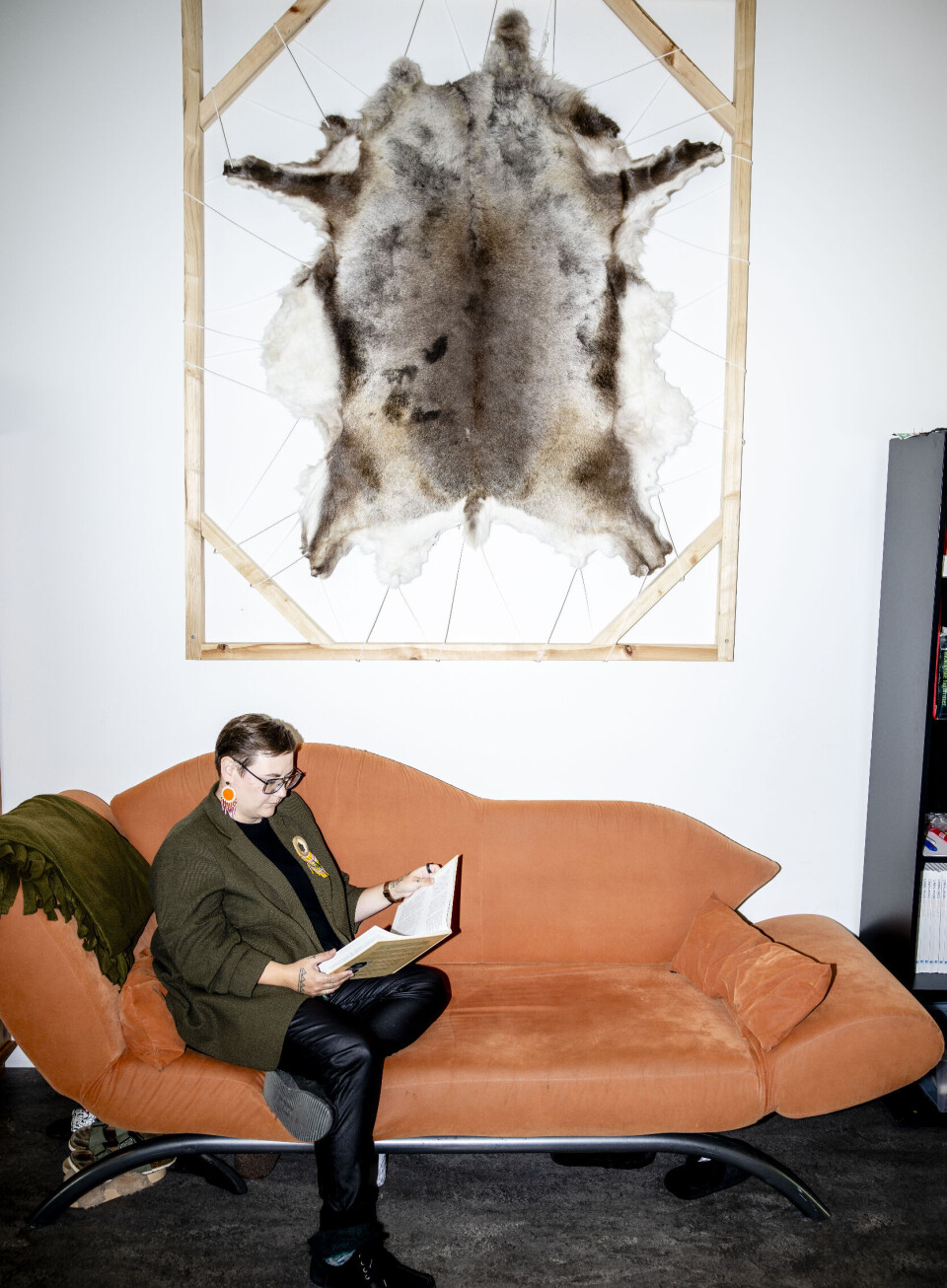
She worked as a secondary school teacher for 9 years. How to create good teaching, where the students not only learn, but also feel safe, is still what she spends the most time thinking about.
Today, she works as a study assistant at SILA bachelor in biology, which is Greenland’s first science education. She teaches the students in, among other things, biochemistry, arctic first aid and plans courses and events for the students.
Reindeer hunting on the syllabus
While still working as a secondary school teacher, Liv Mejer Larsen took a leave of absence to study Language, Literature & Media at Ilisimatusarfik. Since she had come back to Greenland, she had received language lessons in Greenlandic, and she would also like to teach Greenlandic to beginners. At the university, she also studied literature and media.
– It was really exciting!
It was about analyzing texts in different ways, and it was different from the approaches that Liv Mejer Larsen knew from the natural sciences.
– It actually helped create the idea that biology teaching could look different, says Liv Mejer Larsen. The box thinking that had previously appealed to her in the natural sciences had begun to feel a little too narrow. She sought out people who also thought that teaching science could look different. It changed her perspective on the challenges she encountered as an educator, and she began to see opportunities.
– It was really cool to discover, says Liv Mejer Larsen.
During the master’s thesis writing, Liv Mejer Larsen had met Aviâja Lyberth Hauptmann, who is also a biologist and is today head of the SILA bachelor in biology. At the time, they had jokingly, but probably basically in seriousness, talked about how cool it would be if reindeer hunting was part of the biology curriculum.
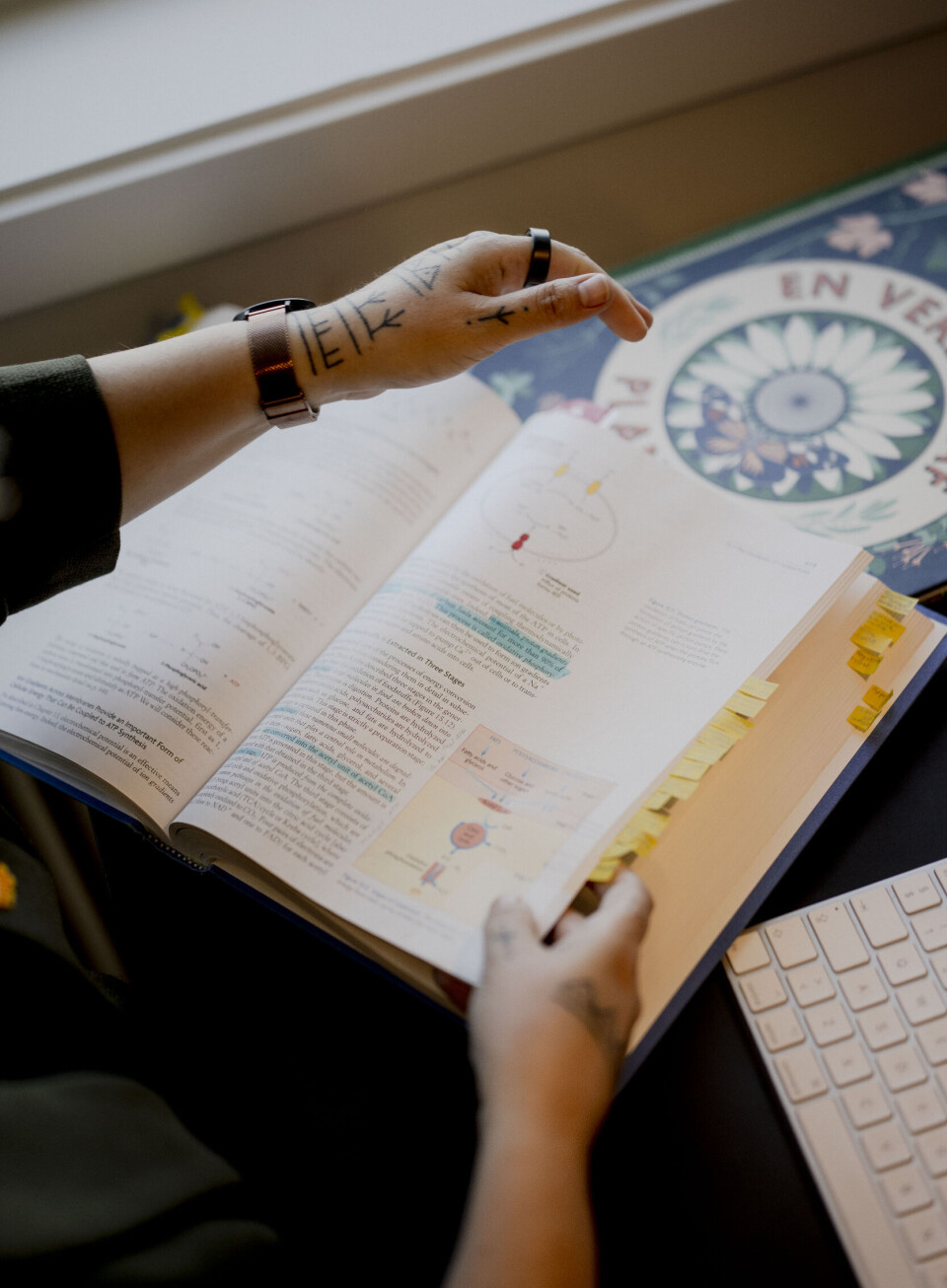
– Reindeer hunting has so much biological knowledge in it, and you have to have so much biological knowledge to be a successful reindeer hunter, says Liv Mejer Larsen.
Science, as they saw it, did not just happen in the laboratory and in the classroom. It was part of everyday life, and they wanted to get closer to it with their teaching. Today, they are making that dream a reality.
In 2022, Liv Mejer Larsen was hired as a program coordinator at SILA, and she then became an assistant professor. In January 2025, they could welcome the first batch of students. ‘Tuttu’ (reindeer) is one of the processes that they have already gone through.
Knitwear in the hospital ward
Liv Mejer Larsen is a diligent knitter. The sticks fulfill two functions in her life. Either she takes them in her hand to skip shopping from something else, or it is with her hands activated that she finally calms down to process her thoughts.
This summer her father passed away, and before that she visited him in the hospital in Denmark. While he was sleeping, she knitted socks. Knitting is one of those things that you can occupy your hands with and still be present with those you are with, she explains.
Therefore, the sticks are also with her when she is visiting her friends, or even when she is on a field trip with the students.
At work, it is not only the students who learn. It is also Liv Mejer Larsen herself. When the students speak Greenlandic, and when they find legends and myths about, for example, biodiversity, something happens in her. She is being shaped. When, as part of everyday life, she can dive into her culture without having to know everything in advance, she experiences it as a great privilege.
– It’s okay, and it feels like there is room to learn some of these things as an adult. And it’s just so beautiful that many of us Danish-speaking Inuit do, she says.