The pockets of Colombians are preparing for a new economic shock. The severe drought that is approaching El Niño phenomenon not only threatens to reduce water reserves in the country, but also will unleash additional inflationary pressure that will directly affect lower-income households and will decisively influence the discussion of the minimum wage for 2027.
This was warned by the president of the National Association of Financial Institutions (Anif), José Ignacio Lópezwho pointed out that near the 19 percent of the basic basket will be impacted because of the drought.
The combination of high temperatures and the coincidence between the main food producing areas and the regions most exposed to extreme weather will generate severe disruptions in supply.
READ ALSO

Photo:IPES
“Food inflation is always the most regressive because the lower income households spend a greater proportion of their income on food,” López explained, warning that this scenario will fuel “general unrest in the country.”
More expensive utilities
Added to the increase in food prices will be the increase in electricity and gas rates. The Minister of Mines and Energy herself, María Nohemí Arboledaopenly acknowledged a few days ago that increases are inevitable due to the depletion of hydroelectric resources.
“Let’s not tell each other lies, the rate has to go up because hydroelectric resources are no longer going to meet all the demand,” said the official.
READ ALSO
José Ignacio López, president of Anif. Photo:Anif
The minister explained that, given the decrease in reservoirs, the country must resort to thermal generation with imported gasa fuel whose cost is high and continues to rise due to international market tensions.
Since an El Niño phenomenon usually extends for 18 monthson average, the most critical phase that will begin at the end of this year could last until much of 2027keeping the country’s water generation under constant stress.
Impact on inflation and interest rates
According to Anif’s projections, El Niño will add 60 to 70 basis points additions to inflation in the coming months, which stood at 6.24 percent in August. If a phenomenon with high severity is recorded, the inflation estimate for the end of the year would go from the projected 6.6 percent to a 7.3 percent.
READ ALSO

Photo:iStock
This inflationary rebound will transfer tension to the negotiation table of the minimum wage for 2027. “As inflation will rise due to El Niño, probably in the negotiation workers will ask for an additional raise that would not have happened without this phenomenon. This wage effect will begin to fuel demand pressures that increase inflation,” warned the president of Anif.
However, it is worth remembering that the legal regulations establish that the setting the minimum wage must consider other variables such as the inflation goal of the Bank of the Republic, productivity, GDP growth and the participation of salaries in national income.
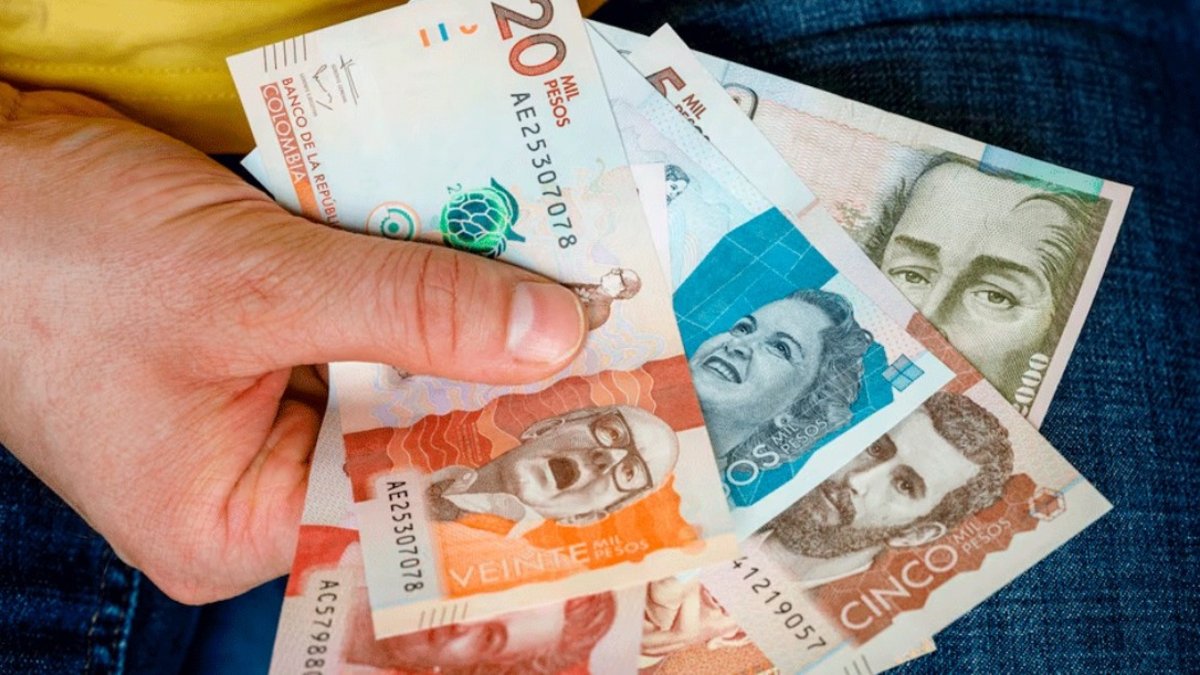
Despite this, by 2026 the Gustavo Petro’s government decreed a 23 percent increase —which placed the assignment in 1,750,905 pesos— invoking the International Labor Organization’s (ILO) “living wage” concept, rather than sticking strictly to traditional parameters.
READ ALSO
Photo:iStock
This dynamic, added to the pressure of El Niño, will put the Bank of the Republic at a “crossroads” when acting in the face of a supply shock. “How much can you respond knowing that it can generate a second round of inflation that makes it difficult to converge to the 3 percent goal“, questioned the president of Anif.
Under this scenario, José Ignacio López foresees that the Issuer you could be forced to raise your interest rate —currently in the 12 percent— by an additional 50 basis points this year, with the possibility of taking it up to 13 percent during the next year.