The president of the Colombian Association of Electric Power Generators (Acolgén) issued a strong warning about the crisis that runs through the country’s electrical system, ensuring that the previous administration of Gustavo Petro left the sector in a critical position and high vulnerability.
“The government of the president Abelardo De La Espriella receive this problem from the previous government: the energy security in intensive care“said the union leader during the opening of the 18th Annual Energy Congress.
Furthermore, he highlighted that the new administration opens a stage of hope by being honest with the public about the seriousness of the situation and decisively addressing the required solutions.
READ ALSO
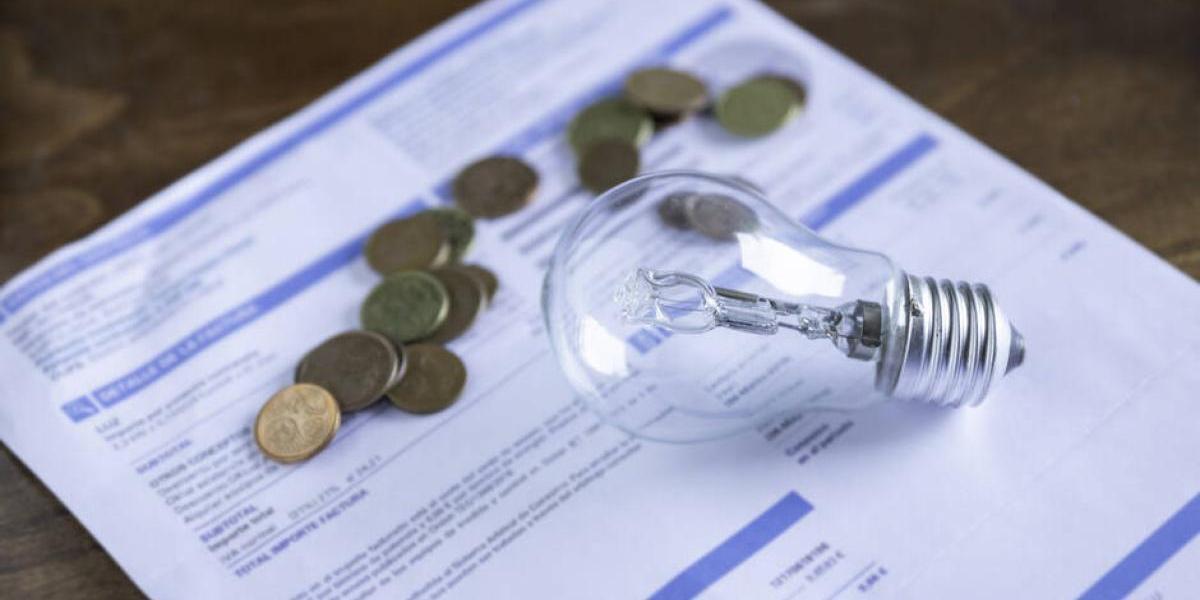
Photo:iStock
A deficit that transcends the climate situation
According to figures from XMhe firm energy deficit facing the demand will be at 5.4 percent in 2026will climb to 7.8 percent in 2027 and will remain at 7.6 percent in 2028. For Acolgén, these figures show that the risk does not disappear with the end of the El Niño phenomenon, but responds to underlying failures caused in the last four years.
During that period, according to the union leader, the entry of new capacity into the system fell sharply: in 2022 only 28 percent of the expected energy entered; in 2023, 17 percent; in 2024, 25 percent; in 2025, a historic low of 10.8 percent; and so far in 2026 only 23 percent. This delay is attributed to decisions that they scared away investment and deteriorated the institutionality of the sector.
Economic and social impact of eventual rationing
The consequences of not acting in a timely manner are severe. A Fedesarrollo study reveals that energy rationing comparable to that of the 1990s would cause an economic contraction of 1.5 points percentages of GDP, the loss of 230,000 jobs and the increase in poverty in more than 300,000 people (203,000 in poverty and 102,000 in extreme poverty).
READ ALSO

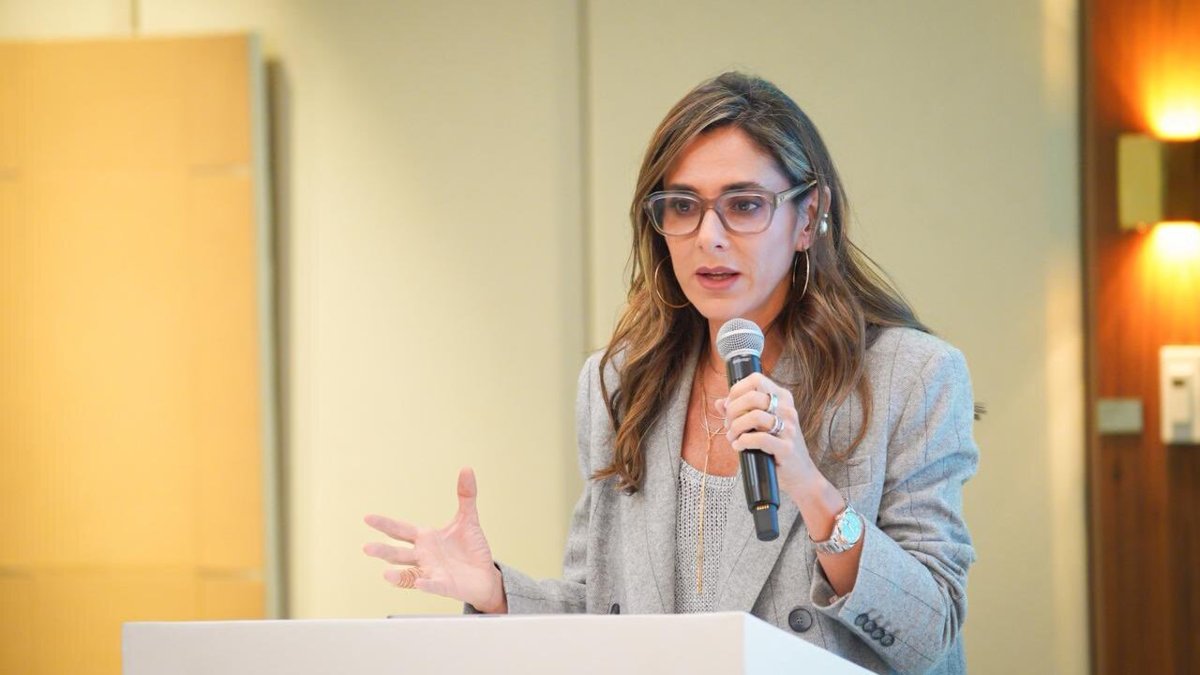
Natalia Gutiérrez, president of Acolgén. Photo:Acolgen
For his part, the Banco de Bogotá calculates than a single hour a day of rationing It would cost between 175,000 million and 204,000 million pesos, impacting with greater force the manufacturing, mining and commerce sectors, which concentrate 24 percent of the GDP and 30 percent of national employment.
Faced with this scenario, the president of Acolgén emphasized that energy infrastructure is not improvisedsince generation plants, thermal plants and transmission lines require years of planning, licenses, social dialogue and investment.
He also recalled that in the last 30 years the sector has invested more than 140 billion pesosadded to important social and environmental commitments in more than 80 municipalities.
READ ALSO

Photo:Afinia
For attract private capital againthe union leader pointed out that it is essential to guarantee:
- Legal and institutional security: clear and predictable rules with visions for 20, 30 and 40 years.
- Agility in procedures: Unlock environmental licenses and territorial or prior consultation processes.
- Expansion and supply: timely development of the transmission network and assured availability of fuels.
Finally, Natalia Gutiérrez announced that Acolgén will promotetogether with the Congress of the Republic and the National Government, a bill focused on shielding the legal security of the large long-term infrastructure investments that the country requires.