
Our electoral system has several virtues: the vote is counted by drawn citizens, not officials; electoral authorities are not appointed or removed by political power; and the minutes in which the votes are counted are immediately uploaded to the ONPE website, which allows us all to monitor the count live.
That said, what happened on April 12 showed that it only takes a few logistical failures – problems with distribution, failures with the counting aid system or other similar issues – to seriously affect the right to vote and, with it, seriously erode confidence in the result.
The strategies we follow to begin to regain that trust must be multiple. But whatever the path, we should not ignore where the world is moving today and what is already working in other countries. In that sense, perhaps the highest global standard of a modern and functional electoral system is that of Estonia, which has voted online since 2005 and where today about half vote online with a digital identity and cryptographic signature. There it took more than two decades to develop that system, which involved several public audit processes and political consensus. They didn’t achieve it overnight.
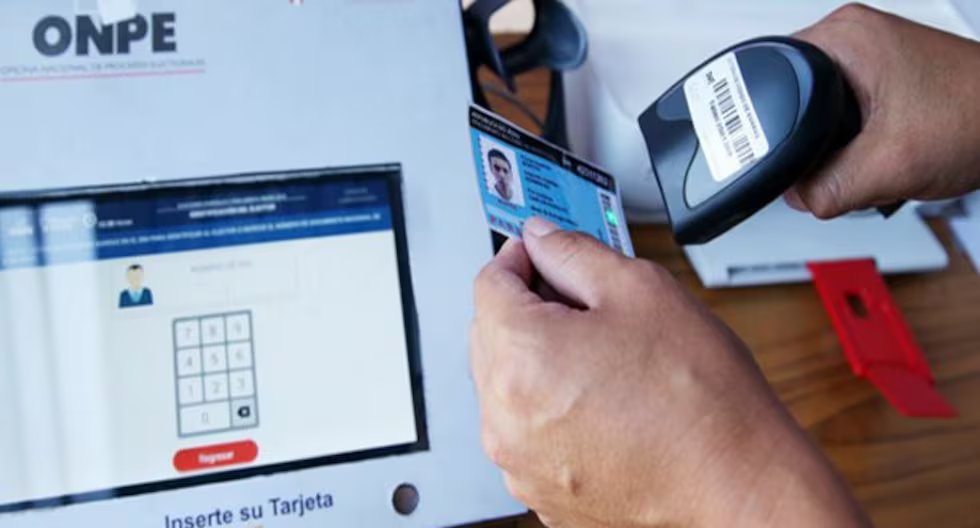
Peru already tried to gradually implement electronic voting more than a decade ago, but that pilot was finally rejected. The lesson, however, should not be to close the door, but to make a serious, phased plan to eventually achieve it. It could start, for example, only with Peruvians abroad; and then continue with pilot districts that are audited.
We live in a world where technology is part of our daily lives. From how we communicate to how we get a job, to how we develop our human relationships or how we access medical systems. However, and although it may sound paradoxical, the use of in-person electronic voting (voting machines) or digital voting (through web platforms) should not be implemented as it is contrary to the basic principles of voting secrecy and public auditing of voting.
And technology is not always the solution to all human issues. The fact that you can place asymmetric cryptography or blockchain chains does not make the vote secret, it makes it difficult to establish the link between the individual and their vote, but it does not make it impossible (even more so if we think about the upcoming quantum computers that will make current cryptography systems quickly become obsolete). That is, although it may seem like it is the same as going to an ATM or using a fast food application, the constitutional principle requires that the vote be secret, always. This is what the JNE understood when last December it suspended the deployment of digital voting for the presidential elections.
At the same time, the counting of votes must be public. Any citizen should be able to witness this process; In automated systems, said audit is “transferred” to “trust in the system” and, therefore, in those who created the system. This was the position of the ONPE to insist on digital voting.
This is not a rejection of technology; It is about absolute respect for the principles of human and constitutional rights linked to the most democratic expression we have: voting with the confidence that no one will know who you voted for, but at the same time public scrutiny can be allowed.
*El Comercio opens its pages to the exchange of ideas and reflections. In this plural framework, the Diario does not necessarily agree with the opinions of the columnists who sign them, although it always respects them.