Tuesday, September 1, 2026
    The GeoStrategic Consensus
    No Result
    View All Result
    • Login
    • HOME
    • AMERICAS
      • Argentina
      • Brazil
      • Canada
      • Chile
      • Colombia
      • Costa Rica
      • Cuba
      • Dominican Republic
      • Ecuador
      • El Salvador
      • Greenland
      • Guatemala
      • Honduras
      • Mexico
      • Nicaragua
      • Panama
      • Paraguay
      • Peru
      • United States
      • Uruguay
      • Venezuela
    • ASIA-PACIFIC
      • Australia
      • Brunei Darussalam
      • Cambodia
      • China
      • Federated States of Micronesia
      • Fiji
      • Indonesia
      • Japan
      • Kiribati
      • Laos
      • Malaysia
      • Marshall Islands
      • Mongolia
      • Myanmar
      • Nauru
      • New Zealand
      • North Korea
      • Palau
      • Papua New Guinea
      • Philippines
      • Samoa
      • Singapore
      • Solomon Islands
      • South Korea
      • Taiwan
      • Thailand
      • Timor-Leste
      • Tonga
      • Tuvalu
      • Vanuatu
      • Vietnam
    • CARICOM
      • CARICOM – Non-English
        • Haiti
        • Suriname
      • CARICOM Associates
        • Anguilla
        • Bermuda
        • British-Virgin-Islands
        • Cayman-Islands
        • Curacao
        • Turks-and-Caicos
      • CARICOM English
        • Antigua and Barbuda
        • Barbados
        • Belize
        • Dominica
        • Grenada
        • Guyana
        • Jamaica
        • Montserrat
        • Saint Kitts and Nevis
        • Saint Lucia
        • Saint Vincent and the Grenadines
        • The Bahamas
        • Trinidad and Tobago
    • EURASIA
      • Armenia
      • Azerbaijan
      • Balarus
      • Georgia
      • Kazakhstan
      • Kyrgyzstan
      • Moldova
      • Russia
      • Tajikistan
      • Turkmenistan
      • Ukraine
      • Uzbekistan
    • EUROPE
      • Albania
      • Andorra
      • Austria
      • Bosnia and Herzegovina
      • Bulgaria
      • Croatia
      • Cyprus
      • Czech Republic
      • Denmark
      • Estonia
      • Finland
      • France
      • Germany
      • Greece
      • Holy See
      • Hungary
      • Iceland
      • Ireland
      • Italy
      • Kosovo
      • Latvia
      • Liechtenstein
      • Lithuania
      • Luxembourg
      • Malta
      • Monaco
      • Montenegro
      • Netherlands
      • North Macedonia
      • Norway
      • Poland
      • Portugal
      • Romania
      • San Marino
      • Serbia
      • Slovakia
      • Slovenia
      • Spain
      • Sweden
      • Switzerland
      • United Kingdom
    • MIDDLE EAST AND NORTH AFRICA
      • Algeria
      • Bahrain
      • Egypt
      • Iran
      • Iraq
      • Israel
      • Jordan
      • Kuwait
      • Lebanon
      • Lybia
      • Morocco
      • Oman
      • Palestinian Territories
      • Qatar
      • Saudi Arabia
      • Syria
      • Tunisia
      • Turkey
      • United Arab Emirates
      • Western Sahara
      • Yemen
    • SOUTH ASIA
      • Afghanistan
      • Bangladesh
      • Bhutan
      • India
      • Maldives
      • Nepal
      • Pakistan
      • Sri Lanka
    • SUB-SAHARAN AFRICA
      • Angola
      • Benin
      • Botswana
      • Burkina Faso
      • Burundi
      • Cabo Verde
      • Cameroon
      • Central African Republic
      • Chad
      • Comoros
      • Cote d’Ivoire
      • Democratic Republic of the Congo
      • Djibouti
      • Equatorial Guinea
      • Eritrea
      • Eswatini
      • Ethiopia
      • Gabon
      • Gambia
      • Ghana
      • Guinea
      • Guinea Bissau
      • Kenya
      • Lesotho
      • Liberia
      • Madagascar
      • Malawi
      • Mali
      • Mauritania
      • Mauritius
      • Mozambique
      • Namibia
      • Niger
      • Nigeria
      • Republic of the Congo
      • Rwanda
      • Sao Tome and Principe
      • Senegal
      • Seychelles
      • Sierra Leone
      • Somalia
      • South Africa
      • South Sudan
      • Sudan
      • Tanzania
      • Togo
      • Uganda
      • Zambia
      • Zimbabwe
    • HOME
    • AMERICAS
      • Argentina
      • Brazil
      • Canada
      • Chile
      • Colombia
      • Costa Rica
      • Cuba
      • Dominican Republic
      • Ecuador
      • El Salvador
      • Greenland
      • Guatemala
      • Honduras
      • Mexico
      • Nicaragua
      • Panama
      • Paraguay
      • Peru
      • United States
      • Uruguay
      • Venezuela
    • ASIA-PACIFIC
      • Australia
      • Brunei Darussalam
      • Cambodia
      • China
      • Federated States of Micronesia
      • Fiji
      • Indonesia
      • Japan
      • Kiribati
      • Laos
      • Malaysia
      • Marshall Islands
      • Mongolia
      • Myanmar
      • Nauru
      • New Zealand
      • North Korea
      • Palau
      • Papua New Guinea
      • Philippines
      • Samoa
      • Singapore
      • Solomon Islands
      • South Korea
      • Taiwan
      • Thailand
      • Timor-Leste
      • Tonga
      • Tuvalu
      • Vanuatu
      • Vietnam
    • CARICOM
      • CARICOM – Non-English
        • Haiti
        • Suriname
      • CARICOM Associates
        • Anguilla
        • Bermuda
        • British-Virgin-Islands
        • Cayman-Islands
        • Curacao
        • Turks-and-Caicos
      • CARICOM English
        • Antigua and Barbuda
        • Barbados
        • Belize
        • Dominica
        • Grenada
        • Guyana
        • Jamaica
        • Montserrat
        • Saint Kitts and Nevis
        • Saint Lucia
        • Saint Vincent and the Grenadines
        • The Bahamas
        • Trinidad and Tobago
    • EURASIA
      • Armenia
      • Azerbaijan
      • Balarus
      • Georgia
      • Kazakhstan
      • Kyrgyzstan
      • Moldova
      • Russia
      • Tajikistan
      • Turkmenistan
      • Ukraine
      • Uzbekistan
    • EUROPE
      • Albania
      • Andorra
      • Austria
      • Bosnia and Herzegovina
      • Bulgaria
      • Croatia
      • Cyprus
      • Czech Republic
      • Denmark
      • Estonia
      • Finland
      • France
      • Germany
      • Greece
      • Holy See
      • Hungary
      • Iceland
      • Ireland
      • Italy
      • Kosovo
      • Latvia
      • Liechtenstein
      • Lithuania
      • Luxembourg
      • Malta
      • Monaco
      • Montenegro
      • Netherlands
      • North Macedonia
      • Norway
      • Poland
      • Portugal
      • Romania
      • San Marino
      • Serbia
      • Slovakia
      • Slovenia
      • Spain
      • Sweden
      • Switzerland
      • United Kingdom
    • MIDDLE EAST AND NORTH AFRICA
      • Algeria
      • Bahrain
      • Egypt
      • Iran
      • Iraq
      • Israel
      • Jordan
      • Kuwait
      • Lebanon
      • Lybia
      • Morocco
      • Oman
      • Palestinian Territories
      • Qatar
      • Saudi Arabia
      • Syria
      • Tunisia
      • Turkey
      • United Arab Emirates
      • Western Sahara
      • Yemen
    • SOUTH ASIA
      • Afghanistan
      • Bangladesh
      • Bhutan
      • India
      • Maldives
      • Nepal
      • Pakistan
      • Sri Lanka
    • SUB-SAHARAN AFRICA
      • Angola
      • Benin
      • Botswana
      • Burkina Faso
      • Burundi
      • Cabo Verde
      • Cameroon
      • Central African Republic
      • Chad
      • Comoros
      • Cote d’Ivoire
      • Democratic Republic of the Congo
      • Djibouti
      • Equatorial Guinea
      • Eritrea
      • Eswatini
      • Ethiopia
      • Gabon
      • Gambia
      • Ghana
      • Guinea
      • Guinea Bissau
      • Kenya
      • Lesotho
      • Liberia
      • Madagascar
      • Malawi
      • Mali
      • Mauritania
      • Mauritius
      • Mozambique
      • Namibia
      • Niger
      • Nigeria
      • Republic of the Congo
      • Rwanda
      • Sao Tome and Principe
      • Senegal
      • Seychelles
      • Sierra Leone
      • Somalia
      • South Africa
      • South Sudan
      • Sudan
      • Tanzania
      • Togo
      • Uganda
      • Zambia
      • Zimbabwe
    No Result
    View All Result
    Agentially
    No Result
    View All Result
    Home EURASIA Azerbaijan

    New phase in Azerbaijan’s export policy: State to cover part of logistics costs

    The Analyst by The Analyst
    September 1, 2026
    in Azerbaijan
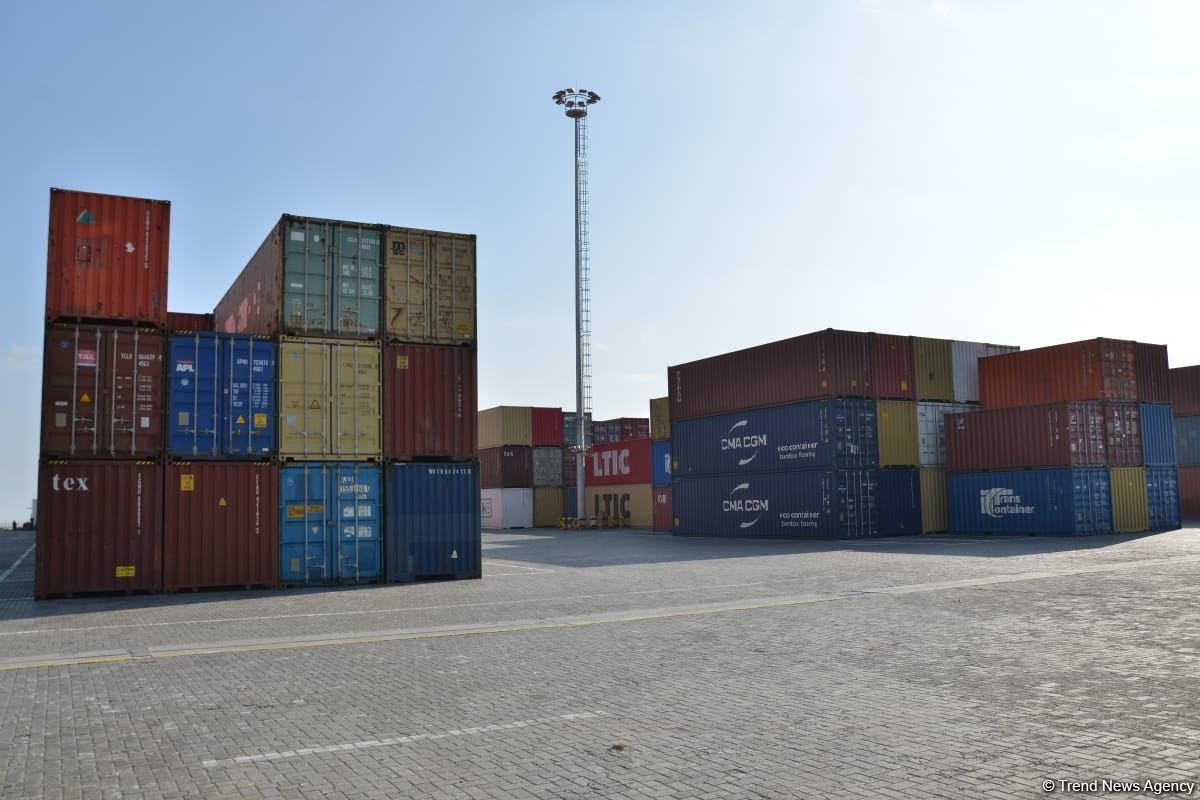
    New phase in Azerbaijan’s export policy: State to cover part of logistics costs


    BAKU, Azerbaijan, August 24. Azerbaijan is
    preparing to introduce another support mechanism aimed at expanding
    non-oil and gas exports. Under a decree signed by President Ilham
    Aliyev on June 9, 2026, the state will cover part of the
    transportation costs incurred when exporting Azerbaijani-origin
    non-oil and gas products. The mechanism will take effect on
    September 1, 2026, and will apply to exports and domestic
    transportation carried out through September 30, 2036.

    READ ALSO

    U.S. court overturns suspension of immigrant visa issuance to citizens of 75 countries

    Kazakhstan nearly doubles exports to Türkiye in 1H2026

    At first glance, the measure may appear to be a subsidy aimed at
    reducing transportation costs for exporters. Its economic
    significance, however, is broader. The mechanism is designed to
    reduce the cost of bringing Azerbaijani non-oil and gas products to
    foreign markets, facilitate access to new markets, and potentially
    change the geographical structure of exports.

    The challenge is not only production, but market
    access

    Despite the growth in Azerbaijan’s non-oil and gas exports in
    recent years, further expanding export opportunities requires
    taking into account a number of structural factors. According to
    the State Statistics Committee, non-oil and gas exports amounted to
    $3.63 billion in 2025. In nominal terms, this was 8.1% higher than
    in 2024, while in real terms, the figure declined by 18.1%. This
    dynamic reflects the impact of price and other market factors and
    points to further opportunities to increase export volumes.

    For Azerbaijani companies, entering foreign markets depends not
    only on producing competitive goods but also on ensuring their
    delivery at an acceptable cost. When accessing more distant and
    alternative markets in particular, logistics costs can have a
    noticeable impact on the final price of products. This is
    especially relevant for sectors such as agriculture and food
    processing, where transportation costs can have a significant
    effect on production costs. At the same time, logistics remains one
    of the factors shaping international competitiveness for higher
    value-added industrial products as well. This is why the
    development of transport infrastructure and the reduction of
    logistics costs are viewed as important areas for expanding export
    potential. The decree identifies high logistics costs as one of the
    factors affecting export diversification. It notes that a
    significant share of long-distance transportation costs in the
    final price of goods can constrain the expansion of export
    geography and product range, highlighting the importance of further
    strengthening the country’s logistics capabilities.

    Non-oil exports are growing, but geographical
    diversification remains a challenge

    Azerbaijan’s non-oil and gas exports recorded significant growth
    in the first seven months of 2026. According to the State Customs
    Committee, the country exported $5.93 billion worth of non-oil
    products in January-July, an increase of $3.845 billion, or 2.8
    times, compared with the same period of last year.

    However, the geographical structure of exports is just as
    important as the growth itself. During the reporting period, $3.48
    billion of non-oil exports went to the UK, accounting for 58.6% of
    total non-oil exports. Russia accounted for $731.7 million, or
    12.3%, Türkiye for $390.6 million, or 6.6%, Georgia for $328.1
    million, or 5.5%, and Switzerland for $251.6 million, or 4.2%.
    Other countries accounted for a combined 12.7%.

    These figures show that Azerbaijan’s non-oil exports are
    expanding rapidly, while also highlighting significant room for
    further geographical diversification. Alongside maintaining
    existing markets, accessing new and more distant markets could
    become one of the key priorities of Azerbaijan’s export policy in
    the next stage. The main challenge is therefore not only to
    increase production in the non-oil sector, but also to find new and
    broader foreign markets for those products.

    President Ilham Aliyev emphasized this task during his speech at
    the opening ceremony of the Islamic Development Bank Group Annual
    Meetings 2026: “Today the share of the non-oil and gas sector in
    our GDP is more than 70%, which is a remarkable achievement, but
    still we have to work hard in order to continue to change the
    balance of oil, gas, and the non-oil and gas sector in our export.
    Today, absolute majority of our export is energy resources. So we
    are working very hard in order to change the situation, and for
    that, of course, we need more reforms, more investments, and also
    we need new markets, and this is a problem. Because the struggle
    for markets has become very active, I would use this word. So
    diversification of economy is already a reality, but we have to
    continue, definitely.”

    The president’s remarks indicate that the challenge facing
    Azerbaijan is no longer simply increasing the share of the non-oil
    sector in the economy. The next step is to convert this production
    potential into export revenues and establish a stronger position
    for Azerbaijani products in new markets.

    This also requires closer alignment between investment policy
    aimed at developing the non-oil sector and the country’s export
    strategy. Expanding production and investment opportunities in
    industries such as manufacturing, agriculture and agro-processing,
    mining, critical minerals, transportation and logistics can
    increase both the volume and range of products Azerbaijan is able
    to export. However, expanding production capacity does not
    automatically mean that export opportunities will grow at the same
    pace. Delivering a product to an international market at a
    competitive price is at least as important as production
    capacity.

    Azerbaijan’s Minister of Economy Mikayil Jabbarov said at a news
    conference devoted to the results of the Islamic Development Bank
    Group Annual Meetings 2026 in Baku: “Azerbaijan’s main focus is on
    developing the non-oil and gas economy, and this sector has become
    the main driver of economic growth in the country over the past
    five to six years. Investment opportunities mainly cover non-oil
    industrial production, mining and critical minerals, agriculture
    and agro-processing, as well as transportation and logistics.”

    This approach also helps explain the rationale behind the new
    transportation support mechanism. While the government is seeking
    to expand production and investment opportunities in the non-oil
    and gas sector, it is simultaneously developing instruments aimed
    at reducing logistics barriers to bringing those products to
    foreign markets. In other words, producing a product and bringing
    it to market are increasingly being treated not as two separate
    parts of economic policy, but as stages of a single export chain.
    The new transportation support mechanism targets one of the most
    costly elements of that chain — logistics.

    What advantages will the new export support provide to
    businesses?

    The state will cover up to 70% of transportation costs incurred
    when exporting Azerbaijani-origin non-oil and gas products. The
    measure is expected to reduce exporters’ logistics costs and
    strengthen the competitiveness of local products in foreign
    markets. The support will take effect on September 1 this year. The
    amount of support paid to businesses will be determined based on
    transportation costs and customs value, depending on the mode of
    transportation used for exports.

    For rail, air and sea transportation, as well as cargo
    transported by Azerbaijan-registered vehicles, the calculation will
    be based on 70% of the transportation costs paid. For
    transportation by foreign-registered vehicles, the calculation will
    be based on 50% of the relevant costs. For customs value, the
    calculation will amount to 5% of the value for sea transportation
    and 15% for other modes of transportation. The lower of the amounts
    calculated under the two methods will be paid as the support
    amount.

    In addition, from September 1, the state will cover 70% of
    transportation costs incurred to move Azerbaijani-origin non-oil
    and gas products manufactured in the Nakhchivan Autonomous Republic
    to other parts of the country. This could allow producers operating
    in Nakhchivan to deliver their products to other regions under more
    favorable conditions and expand their sales opportunities.

    The mechanism will remain in effect for exports and domestic
    transportation carried out through September 30, 2036. Businesses
    will be able to collect documents confirming their export or
    domestic transportation operations each quarter and submit them to
    the Ministry of Economy after the end of the relevant quarter. The
    amount of support will then be calculated and paid to the business
    based on those documents.

    An important tool for accessing new markets

    The geography of Azerbaijan’s non-oil and gas exports remains
    concentrated in a number of markets. In 2025, Russia, Türkiye,
    Georgia, Switzerland and Ukraine were among the main destinations
    for non-oil exports. There is no question of reducing the
    importance of these markets. Rather, one of the key potential
    benefits of the new mechanism is the opportunity to expand the
    geography of exports while maintaining existing markets.

    Entering an alternative market requires a company to do more
    than simply find a buyer. It may need to establish a new logistics
    route, calculate transportation costs, study customs and
    certification requirements, and sometimes create distribution and
    warehousing infrastructure. These costs can be particularly
    significant for small and medium-sized businesses. By covering part
    of transportation costs, the state can remove one of the initial
    barriers to entering new markets. In this sense, the new mechanism
    can be viewed not simply as an export subsidy, but as a tool for
    market diversification.

    Logistics support should be complemented by new
    transportation opportunities


    Covering part of transportation costs creates an important
    financial instrument for expanding Azerbaijan’s export
    opportunities. However, the long-term impact of the mechanism will
    depend not only on the size of the subsidy, but also on how
    effectively the country’s transportation and logistics
    infrastructure is used.

    In this regard, the Middle Corridor is particularly important
    for Azerbaijan’s non-oil and gas exports. The multimodal route
    connecting China and Central Asia through the Caspian Sea,
    Azerbaijan and Georgia and onward to Türkiye and Europe is
    expanding Azerbaijan’s opportunities both as a transit country and
    as an exporter.

    The important point is that government support for logistics
    costs and investment in transportation infrastructure can
    complement each other. The availability of a more efficient route
    can optimize transportation time and distance, while state support
    can reduce the financial burden on exporters using that route.

    As a result, the share of logistics costs in the final price of
    an Azerbaijani product in a foreign market can potentially be
    reduced. The issue is becoming increasingly relevant as the Middle
    Corridor develops. Azerbaijan has paid growing attention in recent
    years to improving the route’s infrastructure, transit capacity and
    digital logistics solutions. The 2026 cooperation agenda also
    places emphasis on digitalizing transportation processes, expanding
    electronic document circulation and increasing data exchange
    between customs authorities.

    In this context, the Middle Corridor can serve not only as a
    route for transit cargo, but also as an alternative logistics
    platform for bringing Azerbaijani products to markets in Central
    Asia, China and Europe. The simultaneous expansion of such
    opportunities and state support for transportation costs could
    create a more favorable logistics model for exporters.

    The Zangezur Corridor could become another link in the
    network

    The prospects for the Zangezur Corridor are also significant in
    this context. Its implementation could strengthen the
    transportation link between Azerbaijan and Nakhchivan while
    expanding alternative connections between the Middle Corridor and
    European markets.

    This becomes particularly relevant when considered alongside the
    domestic transportation support planned for Nakhchivan. On the one
    hand, the state plans to compensate 70% of the cost of transporting
    non-oil and gas products manufactured in Nakhchivan to other parts
    of Azerbaijan. On the other hand, new connections that could
    strengthen the region’s integration into the transportation
    networks of Azerbaijan, Türkiye and the wider Eurasian region are
    being discussed.

    Thus, the state support mechanism could serve not only as a tool
    for compensating existing logistics costs, but also as an
    instrument encouraging more efficient use of Azerbaijan’s
    transportation capabilities. If new routes create lower and more
    predictable transportation costs, the need for state support could
    naturally decline over the longer term. This would be closer to the
    strategic objective of the mechanism: rather than permanently
    compensating exporters for high logistics costs, the government
    would help establish a logistics ecosystem that allows products to
    reach foreign markets on more competitive terms.

    Particular importance for Nakhchivan

    Another important element of the decree is support for
    transporting Azerbaijani-origin non-oil and gas products
    manufactured in the Nakhchivan Autonomous Republic to other parts
    of the country. 70% of the transportation costs for moving such
    products by road from Nakhchivan to other parts of Azerbaijan will
    be covered by the state.

    Improving access to Azerbaijan’s main consumer markets could
    encourage local production in Nakhchivan to expand. If
    transportation costs significantly increase the final price of a
    product, its competitiveness in Baku and other major consumer
    centers can weaken. Transportation support could partly offset this
    difference. The mechanism is therefore important for Nakhchivan
    both in terms of expanding production and strengthening its
    integration into the domestic market.

    The implementation mechanism will be
    critical

    The decree establishes the general framework, but a number of
    details that will determine its actual economic impact still need
    to be defined through separate regulations. The Ministry of Economy
    will determine the list of non-oil and gas products and export
    destinations covered by the support, application and review
    procedures, as well as the mechanism for calculating support in
    multimodal transportation.

    This is particularly important because international logistics
    often involves several modes of transportation. For example, a
    product may be transported by road, then transferred to rail and
    subsequently shipped by sea. In such cases, the way support is
    applied to each cost and at what rate will be critical for
    exporters. At the same time, the application process should be
    simple and digital. For small and medium-sized businesses,
    extensive paperwork and long processing times could reduce the
    practical economic value of the subsidy.

    Measuring results will matter more than simply providing
    funds

    The long-term nature of the mechanism is also notable. The
    support will cover exports and domestic transportation carried out
    from September 1, 2026, through September 30, 2036. The ten-year
    horizon indicates an intention to create a more predictable
    environment for exporters. Government support should help companies
    become more competitive in international markets. However, over the
    longer term, the foundation of their competitiveness should be
    productivity, quality, innovation and efficient logistics rather
    than subsidies.

    Part of a broader strategy

    Transportation cost compensation should not be viewed separately
    from other support measures adopted in June for non-oil and gas
    exports. Another presidential decree signed on June 16 provides for
    state compensation of certain customs clearance costs for exporters
    that are micro, small and medium-sized enterprises. This mechanism
    will also take effect on September 1, 2026, and will apply to
    export operations carried out through September 30, 2031.

    The government’s approach is therefore expanding beyond the
    production stage to support different parts of the export chain,
    including financing, customs clearance, logistics and market
    access. This approach is particularly relevant for an economy such
    as Azerbaijan, which has a strategically important geographical
    position and significant transit potential but also faces distance
    and logistics-cost challenges when accessing many foreign
    markets.

    Overall, the new transportation support mechanism could become
    an important tool in Azerbaijan’s non-oil and gas export policy.
    Its greatest potential lies not simply in reducing exporters’
    costs, but in making it economically more viable for Azerbaijani
    products to reach foreign markets. The fact that non-oil and gas
    exports stood at $3.63 billion in 2025 shows that there remains
    significant room for expansion. The new support mechanism could
    ease one of the financial barriers to realizing that potential.

    Ultimately, however, the success of the mechanism will be
    measured not by the amount of subsidies provided, but by the
    additional exports generated. If state spending on logistics helps
    open new markets, encourages more companies to become exporters and
    improves the global competitiveness of Azerbaijani products, the
    mechanism will have achieved its objective. Otherwise, it could
    simply result in part of the existing export volume being
    transported at a lower cost at the expense of the state.


    Source link

    Related Posts

    U.S. court overturns suspension of immigrant visa issuance to citizens of 75 countries
    Azerbaijan

    U.S. court overturns suspension of immigrant visa issuance to citizens of 75 countries

    September 1, 2026
    Kazakhstan nearly doubles exports to Türkiye in 1H2026
    Azerbaijan

    Kazakhstan nearly doubles exports to Türkiye in 1H2026

    September 1, 2026
    Azerbaijan sees considerable growth in trade with Georgia
    Azerbaijan

    Azerbaijan sees considerable growth in trade with Georgia

    September 1, 2026
    Iranian FM claims new US pressure campaign ‘bound to fail’
    Azerbaijan

    Iranian FM claims new US pressure campaign ‘bound to fail’

    September 1, 2026
    Uzbekistan’s investment boom: Can capital deliver sustainable growth?
    Azerbaijan

    Uzbekistan’s investment boom: Can capital deliver sustainable growth?

    August 31, 2026
    Kyrgyzstan’s sheep and goat population continues to grow
    Azerbaijan

    Kyrgyzstan’s sheep and goat population continues to grow

    August 31, 2026
    Next Post
    Goldman Sachs, BofA and others plan to issue dollar stablecoin together in 2027

    Goldman Sachs, BofA and others plan to issue dollar stablecoin together in 2027

    POPULAR NEWS

    2026 Regional and International Conventions of Jehovah’s Witnesses

    2026 Regional and International Conventions of Jehovah’s Witnesses

    July 7, 2026
    Thaksin, Yingluck and Paetongtarn meet Indonesian President Prabowo for investment talks

    Thaksin, Yingluck and Paetongtarn meet Indonesian President Prabowo for investment talks

    July 13, 2026
    This is how Nicolás Maduro and Cilia Flores reappeared in their hearing

    This is how Nicolás Maduro and Cilia Flores reappeared in their hearing

    July 24, 2026
    India’s imports from China soar to $80 billion in first half of 2026, exports up 37%

    India’s imports from China soar to $80 billion in first half of 2026, exports up 37%

    July 16, 2026
    Løkke is personally disappointed with the United States, which is celebrating its 250th birthday

    Løkke is personally disappointed with the United States, which is celebrating its 250th birthday

    July 9, 2026

    EDITOR'S PICK

    Trump Administration Says Surprise Billing Law Is Being ‘Gamed’ by Doctors

    Trump Administration Says Surprise Billing Law Is Being ‘Gamed’ by Doctors

    July 22, 2026
    Chelsea Chin | TikTok, taps and public office | Commentary

    Chelsea Chin | TikTok, taps and public office | Commentary

    September 1, 2026
    India’s first ‘private, branded’ train to run as ‘Sprite’ Tejas Express

    India’s first ‘private, branded’ train to run as ‘Sprite’ Tejas Express

    August 13, 2026
    PACNEWS THREE 22 JULY 2026

    PACNEWS THREE 22 JULY 2026

    July 22, 2026

    Recent Posts

    • PSC Secretary terminated
    • Quiz: The Hard Word … sworn loyalty
    • Goldman Sachs, BofA and others plan to issue dollar stablecoin together in 2027
    • New phase in Azerbaijan’s export policy: State to cover part of logistics costs

      © 2026 Agentially - Navigating shifting sovereignties and global risk .

      Welcome Back!

      Login to your account below

      Forgotten Password?

      Retrieve your password

      Please enter your username or email address to reset your password.

      Log In
      No Result
      View All Result
      • HOME
      • AMERICAS
        • Argentina
        • Brazil
        • Canada
        • Chile
        • Colombia
        • Costa Rica
        • Cuba
        • Dominican Republic
        • Ecuador
        • El Salvador
        • Greenland
        • Guatemala
        • Honduras
        • Mexico
        • Nicaragua
        • Panama
        • Paraguay
        • Peru
        • United States
        • Uruguay
        • Venezuela
      • ASIA-PACIFIC
        • Australia
        • Brunei Darussalam
        • Cambodia
        • China
        • Federated States of Micronesia
        • Fiji
        • Indonesia
        • Japan
        • Kiribati
        • Laos
        • Malaysia
        • Marshall Islands
        • Mongolia
        • Myanmar
        • Nauru
        • New Zealand
        • North Korea
        • Palau
        • Papua New Guinea
        • Philippines
        • Samoa
        • Singapore
        • Solomon Islands
        • South Korea
        • Taiwan
        • Thailand
        • Timor-Leste
        • Tonga
        • Tuvalu
        • Vanuatu
        • Vietnam
      • CARICOM
        • CARICOM – Non-English
          • Haiti
          • Suriname
        • CARICOM Associates
          • Anguilla
          • Bermuda
          • British-Virgin-Islands
          • Cayman-Islands
          • Curacao
          • Turks-and-Caicos
        • CARICOM English
          • Antigua and Barbuda
          • Barbados
          • Belize
          • Dominica
          • Grenada
          • Guyana
          • Jamaica
          • Montserrat
          • Saint Kitts and Nevis
          • Saint Lucia
          • Saint Vincent and the Grenadines
          • The Bahamas
          • Trinidad and Tobago
      • EURASIA
        • Armenia
        • Azerbaijan
        • Balarus
        • Georgia
        • Kazakhstan
        • Kyrgyzstan
        • Moldova
        • Russia
        • Tajikistan
        • Turkmenistan
        • Ukraine
        • Uzbekistan
      • EUROPE
        • Albania
        • Andorra
        • Austria
        • Bosnia and Herzegovina
        • Bulgaria
        • Croatia
        • Cyprus
        • Czech Republic
        • Denmark
        • Estonia
        • Finland
        • France
        • Germany
        • Greece
        • Holy See
        • Hungary
        • Iceland
        • Ireland
        • Italy
        • Kosovo
        • Latvia
        • Liechtenstein
        • Lithuania
        • Luxembourg
        • Malta
        • Monaco
        • Montenegro
        • Netherlands
        • North Macedonia
        • Norway
        • Poland
        • Portugal
        • Romania
        • San Marino
        • Serbia
        • Slovakia
        • Slovenia
        • Spain
        • Sweden
        • Switzerland
        • United Kingdom
      • MIDDLE EAST AND NORTH AFRICA
        • Algeria
        • Bahrain
        • Egypt
        • Iran
        • Iraq
        • Israel
        • Jordan
        • Kuwait
        • Lebanon
        • Lybia
        • Morocco
        • Oman
        • Palestinian Territories
        • Qatar
        • Saudi Arabia
        • Syria
        • Tunisia
        • Turkey
        • United Arab Emirates
        • Western Sahara
        • Yemen
      • SOUTH ASIA
        • Afghanistan
        • Bangladesh
        • Bhutan
        • India
        • Maldives
        • Nepal
        • Pakistan
        • Sri Lanka
      • SUB-SAHARAN AFRICA
        • Angola
        • Benin
        • Botswana
        • Burkina Faso
        • Burundi
        • Cabo Verde
        • Cameroon
        • Central African Republic
        • Chad
        • Comoros
        • Cote d’Ivoire
        • Democratic Republic of the Congo
        • Djibouti
        • Equatorial Guinea
        • Eritrea
        • Eswatini
        • Ethiopia
        • Gabon
        • Gambia
        • Ghana
        • Guinea
        • Guinea Bissau
        • Kenya
        • Lesotho
        • Liberia
        • Madagascar
        • Malawi
        • Mali
        • Mauritania
        • Mauritius
        • Mozambique
        • Namibia
        • Niger
        • Nigeria
        • Republic of the Congo
        • Rwanda
        • Sao Tome and Principe
        • Senegal
        • Seychelles
        • Sierra Leone
        • Somalia
        • South Africa
        • South Sudan
        • Sudan
        • Tanzania
        • Togo
        • Uganda
        • Zambia
        • Zimbabwe

      © 2026 Agentially - Navigating shifting sovereignties and global risk .

      This website uses cookies. By continuing to use this website you are giving consent to cookies being used. Visit our Privacy and Cookie Policy.