Monday, August 31, 2026
    The GeoStrategic Consensus
    No Result
    View All Result
    • Login
    • HOME
    • AMERICAS
      • Argentina
      • Brazil
      • Canada
      • Chile
      • Colombia
      • Costa Rica
      • Cuba
      • Dominican Republic
      • Ecuador
      • El Salvador
      • Greenland
      • Guatemala
      • Honduras
      • Mexico
      • Nicaragua
      • Panama
      • Paraguay
      • Peru
      • United States
      • Uruguay
      • Venezuela
    • ASIA-PACIFIC
      • Australia
      • Brunei Darussalam
      • Cambodia
      • China
      • Federated States of Micronesia
      • Fiji
      • Indonesia
      • Japan
      • Kiribati
      • Laos
      • Malaysia
      • Marshall Islands
      • Mongolia
      • Myanmar
      • Nauru
      • New Zealand
      • North Korea
      • Palau
      • Papua New Guinea
      • Philippines
      • Samoa
      • Singapore
      • Solomon Islands
      • South Korea
      • Taiwan
      • Thailand
      • Timor-Leste
      • Tonga
      • Tuvalu
      • Vanuatu
      • Vietnam
    • CARICOM
      • CARICOM – Non-English
        • Haiti
        • Suriname
      • CARICOM Associates
        • Anguilla
        • Bermuda
        • British-Virgin-Islands
        • Cayman-Islands
        • Curacao
        • Turks-and-Caicos
      • CARICOM English
        • Antigua and Barbuda
        • Barbados
        • Belize
        • Dominica
        • Grenada
        • Guyana
        • Jamaica
        • Montserrat
        • Saint Kitts and Nevis
        • Saint Lucia
        • Saint Vincent and the Grenadines
        • The Bahamas
        • Trinidad and Tobago
    • EURASIA
      • Armenia
      • Azerbaijan
      • Balarus
      • Georgia
      • Kazakhstan
      • Kyrgyzstan
      • Moldova
      • Russia
      • Tajikistan
      • Turkmenistan
      • Ukraine
      • Uzbekistan
    • EUROPE
      • Albania
      • Andorra
      • Austria
      • Bosnia and Herzegovina
      • Bulgaria
      • Croatia
      • Cyprus
      • Czech Republic
      • Denmark
      • Estonia
      • Finland
      • France
      • Germany
      • Greece
      • Holy See
      • Hungary
      • Iceland
      • Ireland
      • Italy
      • Kosovo
      • Latvia
      • Liechtenstein
      • Lithuania
      • Luxembourg
      • Malta
      • Monaco
      • Montenegro
      • Netherlands
      • North Macedonia
      • Norway
      • Poland
      • Portugal
      • Romania
      • San Marino
      • Serbia
      • Slovakia
      • Slovenia
      • Spain
      • Sweden
      • Switzerland
      • United Kingdom
    • MIDDLE EAST AND NORTH AFRICA
      • Algeria
      • Bahrain
      • Egypt
      • Iran
      • Iraq
      • Israel
      • Jordan
      • Kuwait
      • Lebanon
      • Lybia
      • Morocco
      • Oman
      • Palestinian Territories
      • Qatar
      • Saudi Arabia
      • Syria
      • Tunisia
      • Turkey
      • United Arab Emirates
      • Western Sahara
      • Yemen
    • SOUTH ASIA
      • Afghanistan
      • Bangladesh
      • Bhutan
      • India
      • Maldives
      • Nepal
      • Pakistan
      • Sri Lanka
    • SUB-SAHARAN AFRICA
      • Angola
      • Benin
      • Botswana
      • Burkina Faso
      • Burundi
      • Cabo Verde
      • Cameroon
      • Central African Republic
      • Chad
      • Comoros
      • Cote d’Ivoire
      • Democratic Republic of the Congo
      • Djibouti
      • Equatorial Guinea
      • Eritrea
      • Eswatini
      • Ethiopia
      • Gabon
      • Gambia
      • Ghana
      • Guinea
      • Guinea Bissau
      • Kenya
      • Lesotho
      • Liberia
      • Madagascar
      • Malawi
      • Mali
      • Mauritania
      • Mauritius
      • Mozambique
      • Namibia
      • Niger
      • Nigeria
      • Republic of the Congo
      • Rwanda
      • Sao Tome and Principe
      • Senegal
      • Seychelles
      • Sierra Leone
      • Somalia
      • South Africa
      • South Sudan
      • Sudan
      • Tanzania
      • Togo
      • Uganda
      • Zambia
      • Zimbabwe
    • HOME
    • AMERICAS
      • Argentina
      • Brazil
      • Canada
      • Chile
      • Colombia
      • Costa Rica
      • Cuba
      • Dominican Republic
      • Ecuador
      • El Salvador
      • Greenland
      • Guatemala
      • Honduras
      • Mexico
      • Nicaragua
      • Panama
      • Paraguay
      • Peru
      • United States
      • Uruguay
      • Venezuela
    • ASIA-PACIFIC
      • Australia
      • Brunei Darussalam
      • Cambodia
      • China
      • Federated States of Micronesia
      • Fiji
      • Indonesia
      • Japan
      • Kiribati
      • Laos
      • Malaysia
      • Marshall Islands
      • Mongolia
      • Myanmar
      • Nauru
      • New Zealand
      • North Korea
      • Palau
      • Papua New Guinea
      • Philippines
      • Samoa
      • Singapore
      • Solomon Islands
      • South Korea
      • Taiwan
      • Thailand
      • Timor-Leste
      • Tonga
      • Tuvalu
      • Vanuatu
      • Vietnam
    • CARICOM
      • CARICOM – Non-English
        • Haiti
        • Suriname
      • CARICOM Associates
        • Anguilla
        • Bermuda
        • British-Virgin-Islands
        • Cayman-Islands
        • Curacao
        • Turks-and-Caicos
      • CARICOM English
        • Antigua and Barbuda
        • Barbados
        • Belize
        • Dominica
        • Grenada
        • Guyana
        • Jamaica
        • Montserrat
        • Saint Kitts and Nevis
        • Saint Lucia
        • Saint Vincent and the Grenadines
        • The Bahamas
        • Trinidad and Tobago
    • EURASIA
      • Armenia
      • Azerbaijan
      • Balarus
      • Georgia
      • Kazakhstan
      • Kyrgyzstan
      • Moldova
      • Russia
      • Tajikistan
      • Turkmenistan
      • Ukraine
      • Uzbekistan
    • EUROPE
      • Albania
      • Andorra
      • Austria
      • Bosnia and Herzegovina
      • Bulgaria
      • Croatia
      • Cyprus
      • Czech Republic
      • Denmark
      • Estonia
      • Finland
      • France
      • Germany
      • Greece
      • Holy See
      • Hungary
      • Iceland
      • Ireland
      • Italy
      • Kosovo
      • Latvia
      • Liechtenstein
      • Lithuania
      • Luxembourg
      • Malta
      • Monaco
      • Montenegro
      • Netherlands
      • North Macedonia
      • Norway
      • Poland
      • Portugal
      • Romania
      • San Marino
      • Serbia
      • Slovakia
      • Slovenia
      • Spain
      • Sweden
      • Switzerland
      • United Kingdom
    • MIDDLE EAST AND NORTH AFRICA
      • Algeria
      • Bahrain
      • Egypt
      • Iran
      • Iraq
      • Israel
      • Jordan
      • Kuwait
      • Lebanon
      • Lybia
      • Morocco
      • Oman
      • Palestinian Territories
      • Qatar
      • Saudi Arabia
      • Syria
      • Tunisia
      • Turkey
      • United Arab Emirates
      • Western Sahara
      • Yemen
    • SOUTH ASIA
      • Afghanistan
      • Bangladesh
      • Bhutan
      • India
      • Maldives
      • Nepal
      • Pakistan
      • Sri Lanka
    • SUB-SAHARAN AFRICA
      • Angola
      • Benin
      • Botswana
      • Burkina Faso
      • Burundi
      • Cabo Verde
      • Cameroon
      • Central African Republic
      • Chad
      • Comoros
      • Cote d’Ivoire
      • Democratic Republic of the Congo
      • Djibouti
      • Equatorial Guinea
      • Eritrea
      • Eswatini
      • Ethiopia
      • Gabon
      • Gambia
      • Ghana
      • Guinea
      • Guinea Bissau
      • Kenya
      • Lesotho
      • Liberia
      • Madagascar
      • Malawi
      • Mali
      • Mauritania
      • Mauritius
      • Mozambique
      • Namibia
      • Niger
      • Nigeria
      • Republic of the Congo
      • Rwanda
      • Sao Tome and Principe
      • Senegal
      • Seychelles
      • Sierra Leone
      • Somalia
      • South Africa
      • South Sudan
      • Sudan
      • Tanzania
      • Togo
      • Uganda
      • Zambia
      • Zimbabwe
    No Result
    View All Result
    Agentially
    No Result
    View All Result
    Home EURASIA Azerbaijan

    Uzbekistan’s investment boom: Can capital deliver sustainable growth?

    The Analyst by The Analyst
    August 31, 2026
    in Azerbaijan
    Uzbekistan’s investment boom: Can capital deliver sustainable growth?


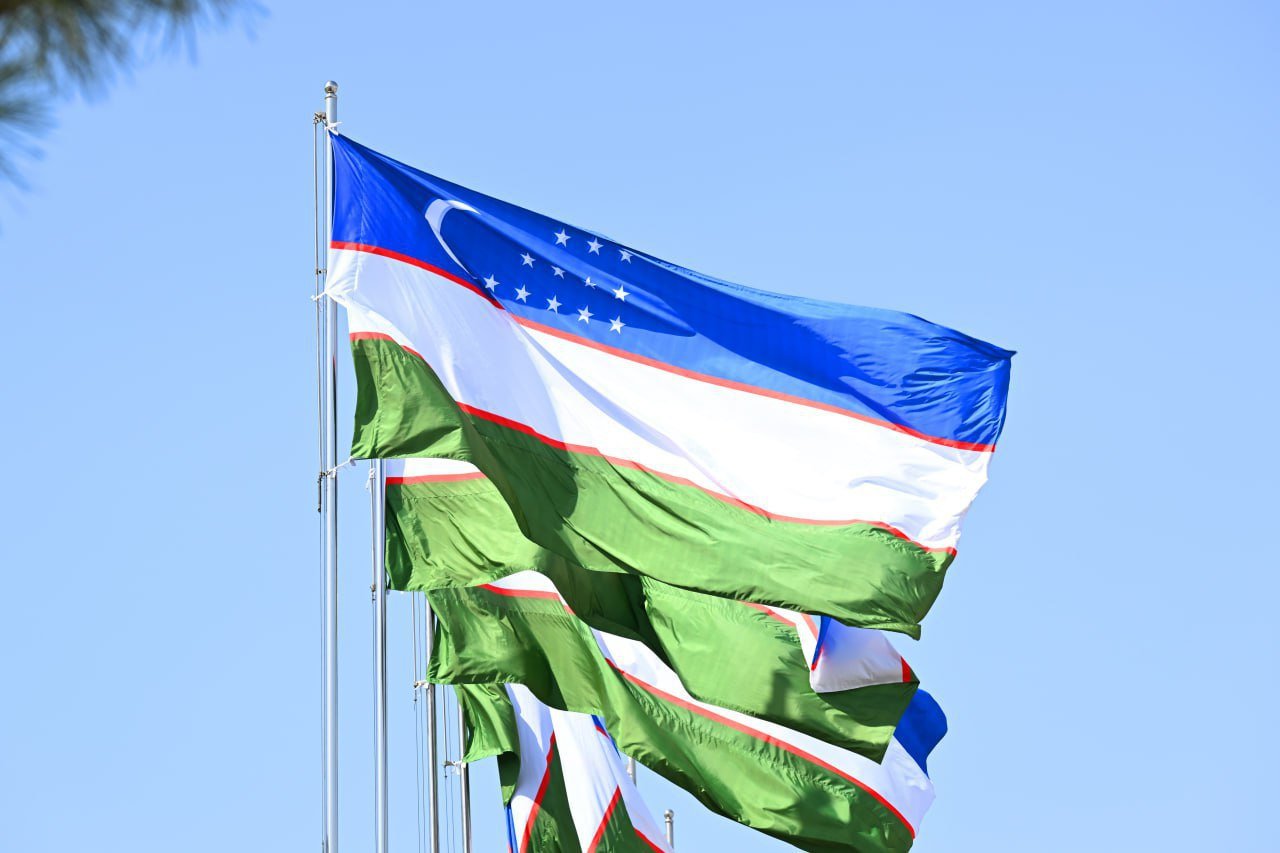
    BAKU, Azerbaijan, August 25. Uzbekistan is
    accelerating its investment drive as the government seeks to expand
    industrial capacity, attract foreign capital and deepen the role of
    private investment in the economy. With 338.9 trillion soums ($28.6
    billion) invested in fixed capital in the first half of 2026, a
    17.5% year-on-year increase, and $32.9 billion in foreign
    investments and loans utilized in the period from January through
    July, the scale of capital formation is becoming a defining feature
    of the country’s growth model.

    READ ALSO

    Kyrgyzstan’s sheep and goat population continues to grow

    Is your flight delayed or cancelled? Here’s what you need to know

    The government is now moving beyond simply attracting
    investment. It is attempting to build the financial, industrial and
    human-capital infrastructure needed to turn inflows of capital into
    higher productivity, stronger exports and sustainable economic
    growth.

    This shift is increasingly visible in the composition of
    investment. Manufacturing, construction and energy-related
    activities accounted for nearly half of fixed-capital investment in
    the first half of the year, while the government is simultaneously
    preparing new industrial and infrastructure projects worth billions
    of dollars and expanding companies’ access to international capital
    markets.

    However, the key question is whether Uzbekistan will be able to
    turn this investment boom into long-term productive capacity,
    rather than simply an increase in capital inflows.

    Investment becomes a central pillar of
    growth

    Uzbekistan’s investment expansion is taking place against a
    backdrop of sustained economic growth.

    Speaking at the Silk Road Finance & Technology Forum, Deputy
    Prime Minister and Minister of Economy and Finance Jamshid
    Kuchkarov said average annual GDP growth had remained around 6–7%,
    while the economy had tripled in nominal terms from approximately
    $60 billion to $180 billion.

    The country’s economic expansion has been accompanied by
    improving macroeconomic indicators. Kuchkarov said inflation, which
    had previously remained in double digits, is expected to reach
    around 6.5% this year, with the government targeting the 5% level
    next year. External public debt has remained around 27% of GDP,
    while budget deficits have stayed below 3% of GDP in recent
    years.

    This combination of relatively rapid growth and improving
    macroeconomic stability is important for investors. A predictable
    macroeconomic environment reduces some of the risks associated with
    long-term projects, particularly in infrastructure and
    manufacturing, where investment returns often depend on conditions
    over many years.

    At the same time, Uzbekistan is seeking to improve its sovereign
    credit standing, complete accession to the World Trade
    Organization, and further reduce the state’s role in the
    economy.

    These reforms suggest that the government sees foreign
    investment not as a temporary source of financing, but as part of a
    broader transition toward a more market-oriented economic
    model.

    Manufacturing is at the heart of the investment
    drive

    The distribution of fixed-capital investment in the first half
    of 2026 provides an important indication of where Uzbekistan’s
    growth strategy is heading.

    Manufacturing attracted 100.5 trillion soums ($8.5 billion),
    making it by far the largest recipient and accounting for almost
    30% of total fixed-capital investment.

    Agriculture, forestry and fisheries followed with 32.9 trillion
    soums ($2.7 billion), while construction attracted 32.5 trillion
    soums ($2.7 billion).

    Electricity, gas, steam and air-conditioning supply received
    29.9 trillion soums ($2.5 billion), residential construction
    accounted for 27.3 trillion soums ($2.3 billion), and mining and
    quarrying attracted 21.8 trillion soums ($1.9 billion).

    Transportation and storage received another 16.3 trillion soums
    ($1.4 billion).

    Taken together, manufacturing, construction and energy-related
    activities attracted approximately 162.9 trillion soums ($13.8
    billion), or about 48% of all fixed-capital investment during the
    first half of the year.

    The concentration is significant. It suggests that Uzbekistan is
    prioritizing sectors that can directly expand physical production
    capacity and address infrastructure constraints.

    Manufacturing investment alone was more than three times the
    amount allocated to agriculture, forestry and fisheries, the
    second-largest recipient.

    For Uzbekistan, this could support a gradual transition from an
    economy reliant on commodity production and domestic demand toward
    one with a larger industrial and export-oriented base.

    But the size of investment will not by itself determine whether
    that transition succeeds. The critical issue will be whether new
    factories and infrastructure generate sufficient productivity
    gains, exports and local value creation.

    $27 billion project pipeline signals continued
    expansion

    The investment drive is also being reinforced by a large
    pipeline of new projects.

    Uzbekistan plans to launch 105 industrial and infrastructure
    projects worth $27 billion this year, covering energy, transport,
    manufacturing, logistics and urban development.

    Among the major projects are a nuclear power plant in Jizzakh, a
    fourth copper processing plant in Almalyk, new highways connecting
    Tashkent with Samarkand and Andijan, an environmentally friendly
    aviation-fuel complex in Khorezm, a large greenhouse complex in
    Surkhandarya and the New Tashkent airport in Yukori Chirchiq.

    The scale and diversity of these projects illustrate an
    important feature of Uzbekistan’s investment strategy: capital is
    being directed simultaneously toward production, energy security,
    transport connectivity and urban infrastructure.

    This matters because infrastructure bottlenecks could otherwise
    constrain the country’s rapid economic expansion.

    Electricity and gas supply attracted almost $2.5 billion in
    fixed investment during the first half of 2026, while
    transportation and storage received around $1.4 billion. These
    investments can provide the underlying infrastructure required for
    industrial expansion.

    The challenge is to ensure that infrastructure investment
    remains closely linked to productive economic activity rather than
    creating excess capacity or placing unnecessary pressure on public
    finances.

    The next stage: bringing private companies to
    international capital markets

    One of the most significant developments in Uzbekistan’s
    investment strategy is the government’s attempt to diversify the
    sources of corporate financing.

    Uzbekistan aims to attract at least $1 billion in foreign
    capital annually through IPOs, creating an alternative to
    traditional bank lending.

    The initiative follows the listing of a 30% stake in the
    National Investment Fund, which holds assets in 13 strategic
    companies, on the Tashkent and London stock exchanges.

    The government plans to select 50 companies each year with
    annual revenues exceeding 1 trillion soums for an IPO acceleration
    program. It will cover half of the costs associated with preparing
    companies for listings and bringing their financial reporting into
    line with international standards.

    This could become an important structural change for
    Uzbekistan’s economy.

    The country’s investment boom has so far relied heavily on large
    projects, bank financing and foreign investment. Developing equity
    markets could broaden access to capital and allow successful
    domestic companies to finance expansion without relying exclusively
    on bank loans.

    The policy is also consistent with the government’s wider
    objective of reducing the state’s presence in the economy.

    If more Uzbek companies become capable of raising capital
    internationally, the result could be greater corporate
    transparency, stronger financial reporting and increased
    participation by institutional investors.

    However, turning the initiative into a sustainable source of
    foreign capital will require Uzbek companies to strengthen
    transparency, corporate governance and financial reporting while
    demonstrating strong growth potential to international
    investors.

    The banking system is also being redirected toward
    smaller businesses

    While the government is developing equity markets for larger
    companies, it is simultaneously attempting to improve access to
    finance for small and medium-sized businesses.

    The share of small businesses in banks’ loan portfolios has
    increased from 45% to 63%, while 76.5 trillion soums ($6.4 billion)
    was allocated to SMEs during the first half of 2026.

    A new digital portal allows entrepreneurs to submit a single
    credit application while banks compete to provide financing. New
    entrepreneurs can apply online for loans of up to 5 billion soums
    (about $423,026).

    The government is also introducing three programs — Business
    Start, Business Lift and Business Rise — designed to support
    businesses at different stages of development.

    Under Business Start, entrepreneurs will receive assistance with
    project development, loan documentation and financial reporting,
    including through artificial intelligence. The program will have
    100 billion soums ($8.4 million) in funding and offer ready-made
    business plans and unsecured loans of up to 200 million soums
    (around $16,921).

    This approach is important because a sustainable investment
    economy cannot rely exclusively on large foreign-funded
    projects.

    The development of domestic SMEs is necessary to create local
    suppliers, services and employment around major investment
    projects. If small businesses can scale into larger companies, the
    benefits of foreign investment could spread further through the
    domestic economy.

    Human capital may become the next investment
    bottleneck


    One of the more important aspects of Uzbekistan’s current
    investment policy is the growing emphasis on skills.

    President Shavkat Mirziyoyev has highlighted the need to link
    investment in advanced technologies with workforce development,
    noting that Uzbekistan is implementing $50 billion worth of
    high-tech investment projects annually and that training must form
    part of such projects.

    This is an important consideration because the productivity
    gains from foreign investment depend not only on the arrival of new
    equipment or technology, but also on the ability of local workers
    to operate and maintain it.

    A vocational training model based on German and Chinese
    experience has already been introduced in Urgench, covering
    professions including green energy, construction, nursing, agronomy
    and electrical engineering.

    The government aims to train 1 million young people in modern
    professions and help them secure higher-paying jobs.

    For an economy experiencing rapid industrialization, this could
    be decisive.

    Uzbekistan can attract factories, power plants and
    infrastructure projects relatively quickly. Building a workforce
    capable of supporting increasingly sophisticated industries takes
    considerably longer.

    A shortage of skilled workers could therefore become a
    constraint on the country’s ability to absorb foreign technology
    and move into higher-value manufacturing.

    Logistics is another piece of the investment
    equation

    Uzbekistan’s investment strategy is also increasingly linked to
    its ambition to become a regional logistics hub.

    The government has abolished import duties and recycling fees on
    trucks and plans to reduce VAT on the provision of railway wagons
    for international transportation to zero.

    A logistics center with a capacity of 500,000 tons is expected
    to begin operations at Georgia’s Poti port next year, while work on
    the Anaklia port project is also planned.

    Major logistics hubs are planned in Alat, Termez, Yangiyul,
    Akhangaran and Khanabad.

    For a landlocked country, improvements in logistics can have an
    economic impact extending far beyond the transport sector. Lower
    transportation costs and improved access to international markets
    can make Uzbek manufacturing more competitive and encourage foreign
    companies to use the country as a production base.

    The development of transport links therefore complements
    investment in manufacturing.

    A factory can increase production, but without efficient access
    to export markets its potential remains limited.

    Azerbaijan-Uzbekistan investment cooperation adds
    another dimension

    The growing scale of Uzbekistan’s investment needs is also
    creating opportunities for bilateral investment partnerships.

    During the third meeting of the Supreme Interstate Council of
    Azerbaijan and Uzbekistan, President Ilham Aliyev said the projects
    already envisioned and contracted between the two countries
    significantly exceed the capacity of the $500 million
    Uzbekistan-Azerbaijan Investment Fund.

    According to Aliyev, around $160 million of the fund had already
    been allocated, while the overall portfolio of projects is
    considerably larger.

    He specifically pointed to plans for approximately $5 billion in
    investment in Uzbekistan’s tourism sector alone, in addition to
    hotel and residential projects in Tashkent that fall outside the
    investment fund’s current scope.

    The comments indicate that the existing investment mechanism may
    need to expand if bilateral projects continue to grow.

    More importantly, the Uzbekistan-Azerbaijan example illustrates
    how foreign investment is increasingly moving beyond individual
    projects toward broader investment ecosystems involving funds,
    infrastructure, tourism, logistics and real estate.

    For Uzbekistan, diversified bilateral investment partnerships
    can provide additional sources of capital while reducing dependence
    on any single investor or financing channel.

    The diversification question

    Despite the positive momentum, Uzbekistan’s investment figures
    also reveal areas where diversification could go further.

    Investment remains heavily concentrated in manufacturing,
    construction, energy, mining and infrastructure.

    By comparison, sectors such as finance, healthcare, information
    and communications, professional services and other
    knowledge-intensive activities attracted substantially smaller
    amounts.

    Financial and insurance activities received only 2.4 trillion
    soums (about $203 million), while information and communications
    attracted 5.8 trillion soums (around $490.7 million), and
    healthcare and social services received 4.6 trillion soums (approx.
    $389.1 million).

    This does not necessarily indicate weakness. In a rapidly
    industrializing economy, infrastructure and manufacturing naturally
    require substantial capital.

    However, as Uzbekistan’s physical infrastructure expands, the
    next stage of growth could require greater investment in digital
    technologies, financial services, healthcare, education,
    professional services and other high-value sectors.

    Greater diversification would also make the economy less
    dependent on capital-intensive industries.

    The real test is what happens after the investment
    arrives

    Uzbekistan has already demonstrated that it can attract
    substantial capital.

    The more difficult question is whether the investment will
    generate sufficient economic returns.

    The country’s 17.5% increase in fixed-capital investment, $32.9
    billion in utilized foreign investments and loans during
    January-July, and a $27 billion project pipeline demonstrate strong
    investor and government activity.

    But the ultimate success of the strategy will depend on several
    factors.

    First, new projects must generate higher productivity and
    exports, rather than simply increasing domestic capacity.

    Second, foreign investment needs to create stronger links with
    Uzbek companies through local procurement, technology transfer, and
    workforce development.

    Third, the expansion of capital markets must give successful
    domestic businesses access to financing beyond bank credit.

    Fourth, investment in infrastructure must keep pace with
    industrial expansion.

    And finally, the country must continue strengthening
    macroeconomic stability and regulatory predictability.

    Uzbekistan’s government appears increasingly aware of this
    shift. Its policies now connect investment with privatization,
    IPOs, SME financing, logistics, vocational education, and
    international market integration.

    That suggests the country is moving from an
    investment-attraction model toward an investment-conversion
    model.

    The objective is no longer simply to bring more dollars into
    Uzbekistan. It is to turn those dollars into factories, exports,
    technology, skilled workers, competitive domestic companies, and
    higher incomes.

    The scale of investment now being mobilized allows Uzbekistan to
    accelerate its transformation into a more diversified and
    productive economy.

    But the size of the opportunity also raises the stakes.

    The success of Uzbekistan’s investment boom will ultimately be
    measured not by how much capital enters the country, but by how
    effectively that capital changes what the economy produces, exports
    and earns.


    Source link

    Related Posts

    Kyrgyzstan’s sheep and goat population continues to grow
    Azerbaijan

    Kyrgyzstan’s sheep and goat population continues to grow

    August 31, 2026
    Is your flight delayed or cancelled? Here’s what you need to know
    Azerbaijan

    Is your flight delayed or cancelled? Here’s what you need to know

    August 31, 2026
    First Vice-President Mehriban Aliyeva attends opening of Bilgah Art School (PHOTO/VIDEO)
    Azerbaijan

    First Vice-President Mehriban Aliyeva attends opening of Bilgah Art School (PHOTO/VIDEO)

    August 31, 2026
    Outbound money transfers from Kazakhstan ease amid lower flows to key markets
    Azerbaijan

    Outbound money transfers from Kazakhstan ease amid lower flows to key markets

    August 31, 2026
    Moody’s keeps Kazakhstan’s Eurasian Bank at Ba2, outlook stable
    Azerbaijan

    Moody’s keeps Kazakhstan’s Eurasian Bank at Ba2, outlook stable

    August 30, 2026
    Uzbekistan, China, Mongolia explore green technologies for drylands
    Azerbaijan

    Uzbekistan, China, Mongolia explore green technologies for drylands

    August 30, 2026
    Next Post
    Ex-gang leader found guilty of murdering rap icon Tupac Shakur in 1996

    Ex-gang leader found guilty of murdering rap icon Tupac Shakur in 1996

    POPULAR NEWS

    2026 Regional and International Conventions of Jehovah’s Witnesses

    2026 Regional and International Conventions of Jehovah’s Witnesses

    July 7, 2026
    Thaksin, Yingluck and Paetongtarn meet Indonesian President Prabowo for investment talks

    Thaksin, Yingluck and Paetongtarn meet Indonesian President Prabowo for investment talks

    July 13, 2026
    This is how Nicolás Maduro and Cilia Flores reappeared in their hearing

    This is how Nicolás Maduro and Cilia Flores reappeared in their hearing

    July 24, 2026
    Løkke is personally disappointed with the United States, which is celebrating its 250th birthday

    Løkke is personally disappointed with the United States, which is celebrating its 250th birthday

    July 9, 2026
    India’s imports from China soar to $80 billion in first half of 2026, exports up 37%

    India’s imports from China soar to $80 billion in first half of 2026, exports up 37%

    July 16, 2026

    EDITOR'S PICK

    Lewis to build on strong foundation as new Executive Director of NIS

    Lewis to build on strong foundation as new Executive Director of NIS

    July 10, 2026
    Wildfire Nears Reno, Prompting Call for Tens of Thousands to Evacuate

    Wildfire Nears Reno, Prompting Call for Tens of Thousands to Evacuate

    August 23, 2026
    B.C. ‘preparing legal action’ against OpenAI in wake of Tumbler Ridge mass shooting

    B.C. ‘preparing legal action’ against OpenAI in wake of Tumbler Ridge mass shooting

    July 7, 2026
    Blake’s grade-one sweep – Young teacher’s dedication pays off as all 10 TD students earn top marks | News

    Blake’s grade-one sweep – Young teacher’s dedication pays off as all 10 TD students earn top marks | News

    August 21, 2026

    Recent Posts

    • Darrell Bradley Renews Call for Campaign Finance Reform
    • New Efate Bus Fares Take Effect Today
    • Explainer-Settlement requires Meta to check young users’ ages. How will that work?
    • Ex-gang leader found guilty of murdering rap icon Tupac Shakur in 1996

      © 2026 Agentially - Navigating shifting sovereignties and global risk .

      Welcome Back!

      Login to your account below

      Forgotten Password?

      Retrieve your password

      Please enter your username or email address to reset your password.

      Log In
      No Result
      View All Result
      • HOME
      • AMERICAS
        • Argentina
        • Brazil
        • Canada
        • Chile
        • Colombia
        • Costa Rica
        • Cuba
        • Dominican Republic
        • Ecuador
        • El Salvador
        • Greenland
        • Guatemala
        • Honduras
        • Mexico
        • Nicaragua
        • Panama
        • Paraguay
        • Peru
        • United States
        • Uruguay
        • Venezuela
      • ASIA-PACIFIC
        • Australia
        • Brunei Darussalam
        • Cambodia
        • China
        • Federated States of Micronesia
        • Fiji
        • Indonesia
        • Japan
        • Kiribati
        • Laos
        • Malaysia
        • Marshall Islands
        • Mongolia
        • Myanmar
        • Nauru
        • New Zealand
        • North Korea
        • Palau
        • Papua New Guinea
        • Philippines
        • Samoa
        • Singapore
        • Solomon Islands
        • South Korea
        • Taiwan
        • Thailand
        • Timor-Leste
        • Tonga
        • Tuvalu
        • Vanuatu
        • Vietnam
      • CARICOM
        • CARICOM – Non-English
          • Haiti
          • Suriname
        • CARICOM Associates
          • Anguilla
          • Bermuda
          • British-Virgin-Islands
          • Cayman-Islands
          • Curacao
          • Turks-and-Caicos
        • CARICOM English
          • Antigua and Barbuda
          • Barbados
          • Belize
          • Dominica
          • Grenada
          • Guyana
          • Jamaica
          • Montserrat
          • Saint Kitts and Nevis
          • Saint Lucia
          • Saint Vincent and the Grenadines
          • The Bahamas
          • Trinidad and Tobago
      • EURASIA
        • Armenia
        • Azerbaijan
        • Balarus
        • Georgia
        • Kazakhstan
        • Kyrgyzstan
        • Moldova
        • Russia
        • Tajikistan
        • Turkmenistan
        • Ukraine
        • Uzbekistan
      • EUROPE
        • Albania
        • Andorra
        • Austria
        • Bosnia and Herzegovina
        • Bulgaria
        • Croatia
        • Cyprus
        • Czech Republic
        • Denmark
        • Estonia
        • Finland
        • France
        • Germany
        • Greece
        • Holy See
        • Hungary
        • Iceland
        • Ireland
        • Italy
        • Kosovo
        • Latvia
        • Liechtenstein
        • Lithuania
        • Luxembourg
        • Malta
        • Monaco
        • Montenegro
        • Netherlands
        • North Macedonia
        • Norway
        • Poland
        • Portugal
        • Romania
        • San Marino
        • Serbia
        • Slovakia
        • Slovenia
        • Spain
        • Sweden
        • Switzerland
        • United Kingdom
      • MIDDLE EAST AND NORTH AFRICA
        • Algeria
        • Bahrain
        • Egypt
        • Iran
        • Iraq
        • Israel
        • Jordan
        • Kuwait
        • Lebanon
        • Lybia
        • Morocco
        • Oman
        • Palestinian Territories
        • Qatar
        • Saudi Arabia
        • Syria
        • Tunisia
        • Turkey
        • United Arab Emirates
        • Western Sahara
        • Yemen
      • SOUTH ASIA
        • Afghanistan
        • Bangladesh
        • Bhutan
        • India
        • Maldives
        • Nepal
        • Pakistan
        • Sri Lanka
      • SUB-SAHARAN AFRICA
        • Angola
        • Benin
        • Botswana
        • Burkina Faso
        • Burundi
        • Cabo Verde
        • Cameroon
        • Central African Republic
        • Chad
        • Comoros
        • Cote d’Ivoire
        • Democratic Republic of the Congo
        • Djibouti
        • Equatorial Guinea
        • Eritrea
        • Eswatini
        • Ethiopia
        • Gabon
        • Gambia
        • Ghana
        • Guinea
        • Guinea Bissau
        • Kenya
        • Lesotho
        • Liberia
        • Madagascar
        • Malawi
        • Mali
        • Mauritania
        • Mauritius
        • Mozambique
        • Namibia
        • Niger
        • Nigeria
        • Republic of the Congo
        • Rwanda
        • Sao Tome and Principe
        • Senegal
        • Seychelles
        • Sierra Leone
        • Somalia
        • South Africa
        • South Sudan
        • Sudan
        • Tanzania
        • Togo
        • Uganda
        • Zambia
        • Zimbabwe

      © 2026 Agentially - Navigating shifting sovereignties and global risk .

      This website uses cookies. By continuing to use this website you are giving consent to cookies being used. Visit our Privacy and Cookie Policy.