Government intervention is set to bring an end to a near two-year delay to the start of construction on a $350 million hybrid energy power plant at Harrow Plantation in St Philip, Barbados TODAY can reveal.
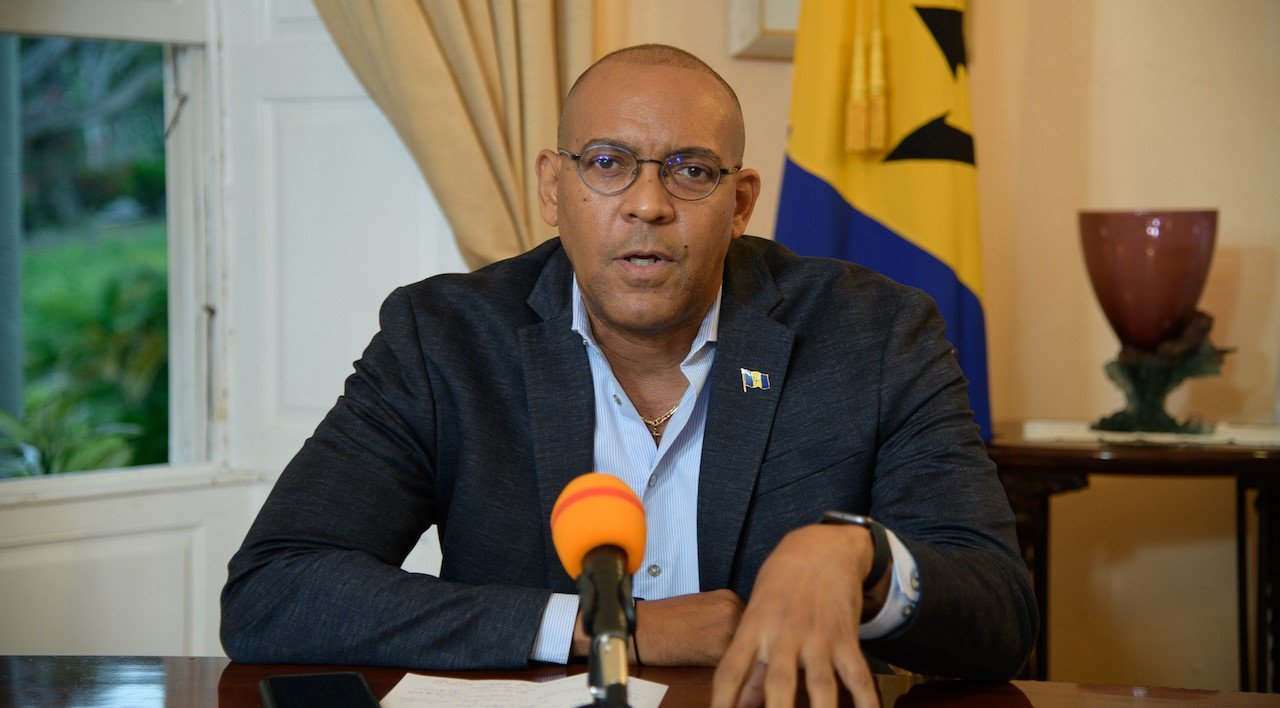
Minister of Energy Kerrie Symmonds has pledged that a ruling is expected by September 15 on the tariff for the proposed plant, clearing a major hurdle developers say must be overcome before construction can begin.
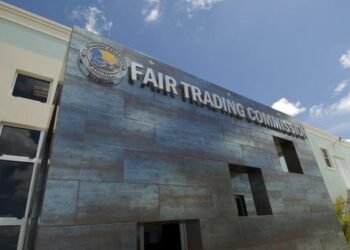
The developers, Renewstable (Barbados) Inc. (RSB) – a special purpose vehicle that will act as an independent clean energy producer selling the electricity generated to the national grid, operated by the Barbados Light and Power Company – had applied to the Fair Trading Commission (FTC) for approval of a non-feed-in tariff rate that it can charge for selling its power.
The RSB project is a utility-scale green hydrogen renewable energy power project which combines the use of various technologies, including hydrogen power, to produce continuous electricity to the grid.
During the FTC process, involving intervenors and Light & Power, the proceedings dragged on, resulting in the lengthy delay. The matter reached the stage where all parties were required to make their final submissions to the ministry by Tuesday.
“I’m not yet aware if all submissions have been made. I do know that some have come in. But I expect that this matter will be concluded before 15 September,” Senior Minister Symmonds told Barbados TODAY.
Strategic adviser to the project Aidan Rogers said on Wednesday that, once the tariff is determined in the coming weeks, the developers would be able to finalise various pending arrangements and break ground no later than the middle of next year.
“We received approval for financing from the Green Climate Fund in October 2023, and we have been engaged with the FTC since May 2023. so, this is really an unwieldy process,” Rogers told Barbados TODAY in an interview.
Once the tariff is set, the developers will move with haste to put all the necessary arrangements in place to advance construction, he said.
“The project has several deliverables to be met, post the issuance of a tariff. Those deliverables are finalisation of commercial arrangements with the various financiers who have committed to finance the project including the [International Finance Corporation (IFC)] and the Green Climate Fund; and also the commercial contractual arrangements with the engineering company and subcontractors who are going to start actual physical construction of the project.
“Once a tariff is issued… we won’t have to resort to court with somebody filing something there. But we will see.”
Rogers continued: “We are looking to break ground, post-tariff between first quarter and second quarter next year. We will try to expedite things as soon as we get the tariff quickly. The current cost [$350m] remains as is. We don’t know what the FTC is going to say. We have made submissions as to what we think a maximum tariff would be to recover the cost that we estimate the project at. So, the current project cost remains the same.”
The project is expected to fully contract its capacity through a 25-year power purchase agreement with Light and Power.
This venture sets up Barbados to become home to the largest and most technologically advanced renewable energy power plant in the English-speaking Caribbean, Rogers boasted.
Dominica became the first CARICOM nation to generate non-intermittent renewable energy earlier this year with a 10-megawatt geothermal power plant supplying an estimated 23 000 Dominican homes, with ambitions of exporting electricity by undersea cable.
The Harrow project is expected to create around 150 construction jobs and 20 permanent roles once the hybrid power plant becomes operational, about two years after construction starts.
The plant, which is jointly owned by leading global hydrogen-maker Hydrogène de France (HDF Energy) (49 per cent) and fuel distributor Rubis Caribbean Holdings Inc. (51 per cent), will supply power to the grid 24 hours a day.
(EJ)