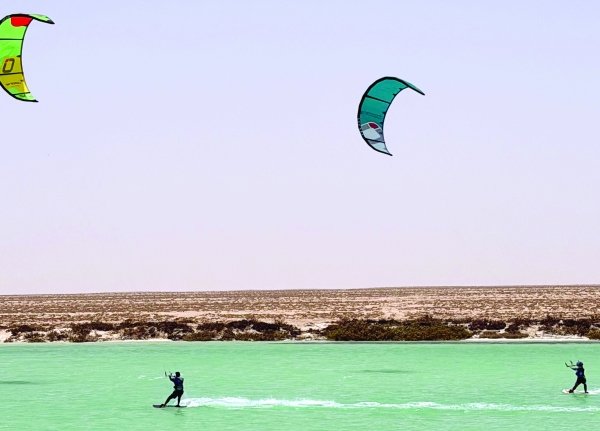
Bar Al Hikman is coming alive this summer as kitesurfers take advantage of the powerful seasonal winds that sweep across one of Oman’s most remote and spectacular coastal landscapes.
The peninsula, located in Al Wusta Governorate north of Al Duqm, has become one of the country’s leading destinations for kitesurfing. Its vast shallow lagoons, white coral-sand beaches and open stretches of coastline create an unusual combination of flat water and strong, reliable winds. During the Khareef Dhofar Season, the area is transformed by the southwest monsoon, attracting riders looking for long sessions on the water and conditions suitable for both progression and more advanced riding.
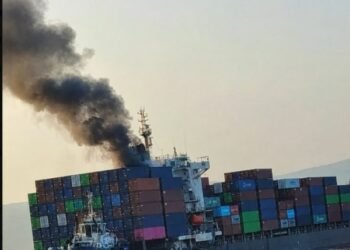
This year’s kitesurfing season is unfolding, however, against the backdrop of an oil spill that has raised concerns about Oman’s southern and central coastline. The tanker Caroline Bezengi, which ran aground in June, has been leaking crude into the Arabian Sea. The slick has expanded considerably and has reached the mainland coast around Ras Madrakah, with authorities and response teams working to contain the pollution. The spill is also threatening ecologically sensitive marine areas, while seasonal monsoon conditions have made containment and salvage operations more difficult.
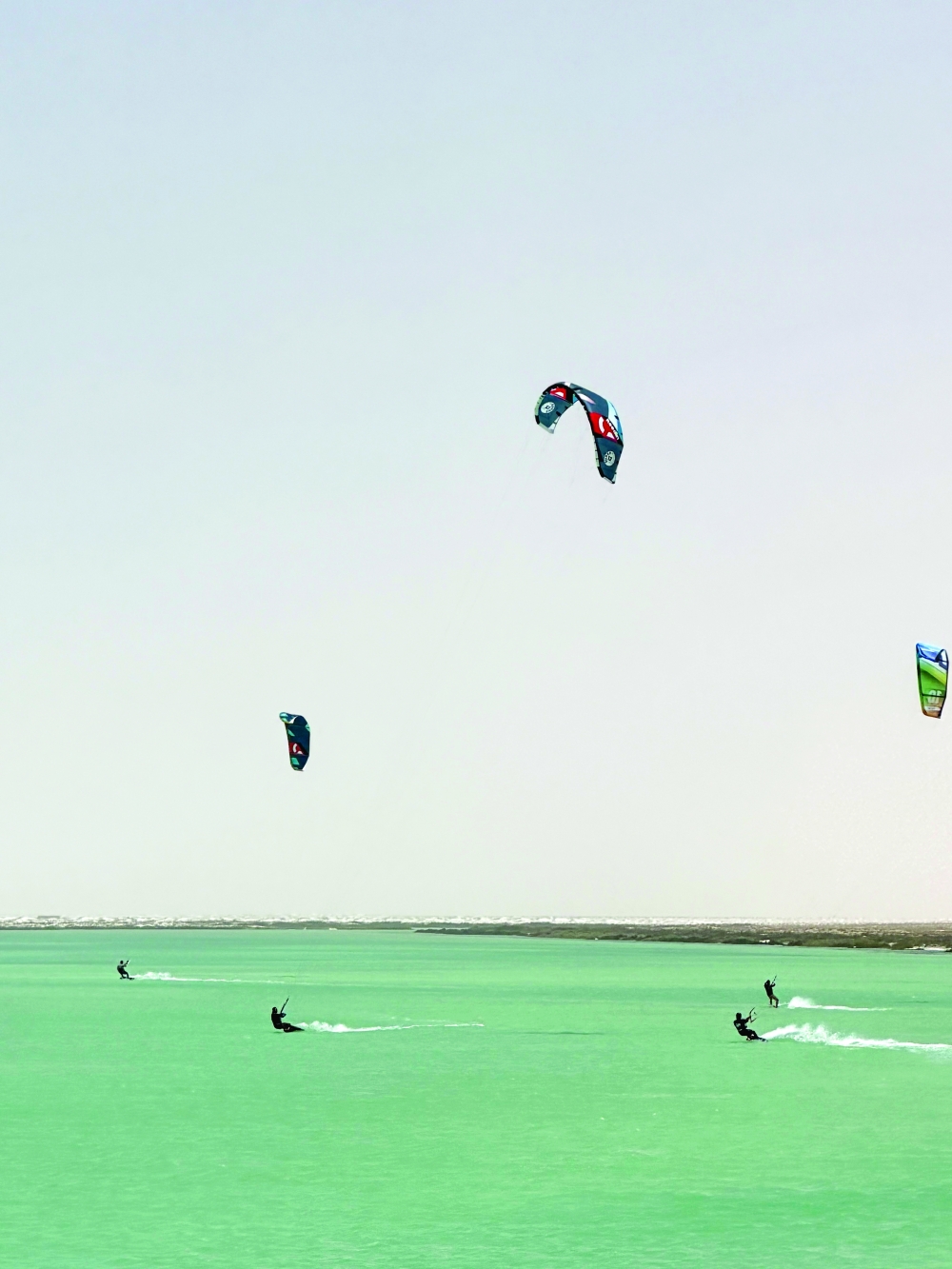
The spill has added an environmental dimension to a season otherwise defined by ideal conditions for water sports. The affected coastline includes important marine habitats, making the protection of the region particularly significant at a time when the Khareef winds and currents are moving strongly along Oman’s coast.
Further along the coast, Bar Al Hikman remains renowned among kite enthusiasts for its distinctive geography. Several large lagoons sit behind narrow sandbars, creating extensive areas of shallow, flat water. The lagoons can remain remarkably calm even when winds become strong, giving riders space to practise turns, jumps and other manoeuvres without the larger waves found on exposed sections of the coast.
The summer months are the main attraction. The kitesurfing season generally runs from May to September, with July and August regarded as the peak period. During the strongest months, winds can reach around 25 to 40 knots, creating powerful conditions that experienced riders particularly seek out.
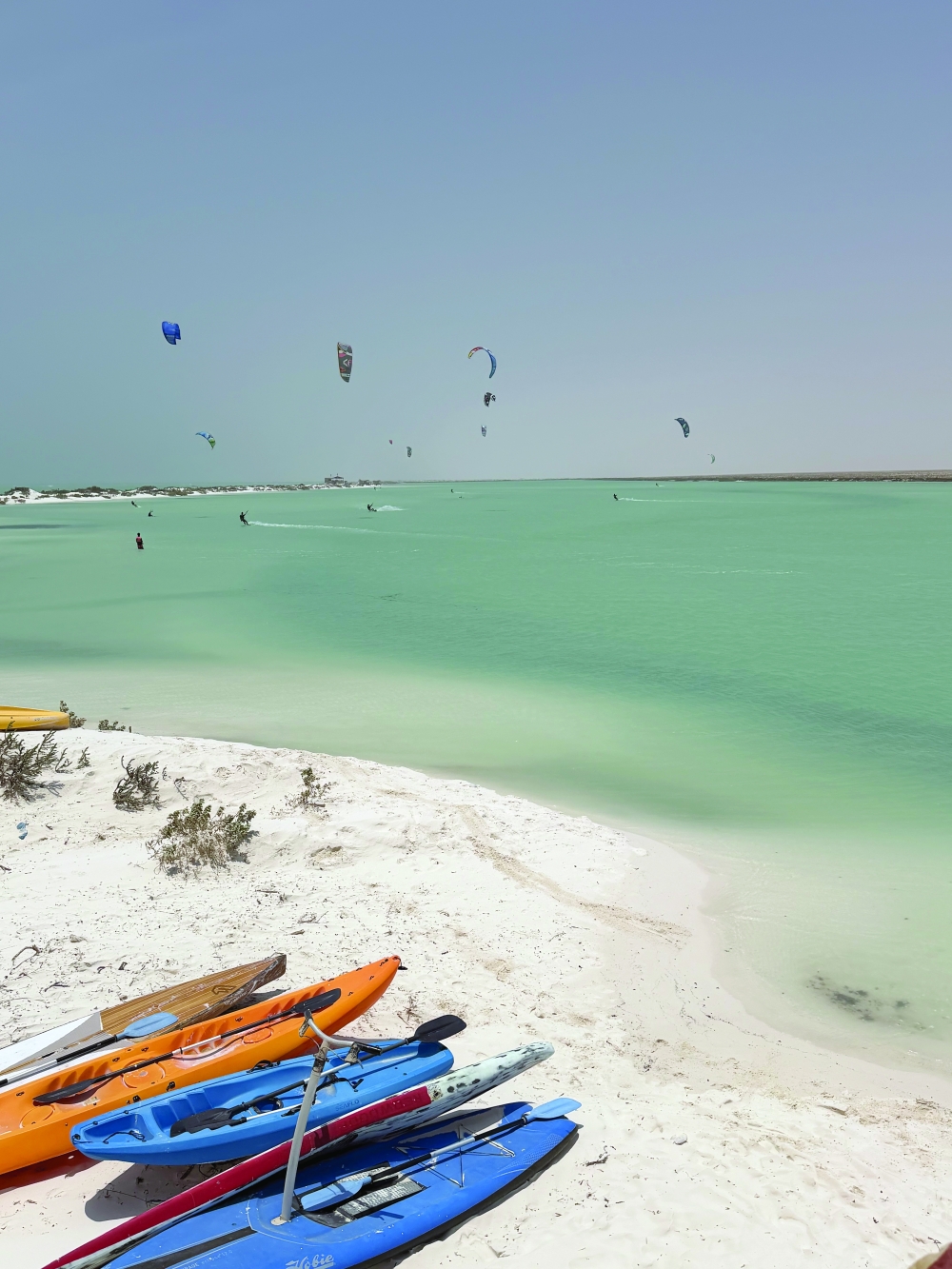
For experienced riders, those winds can provide exhilarating conditions. For newcomers, the shallow lagoons offer a more forgiving environment for learning, although the strength of the summer wind means local knowledge and proper instruction remain important. Bar Al Hikman is exceptionally remote, with difficult off-road access, shifting sand and tidal areas that can present challenges even before riders enter the water.
The attraction of Bar Al Hikman extends beyond the sport itself. The landscape is defined by an almost uninterrupted horizon, turquoise water and expanses of white sand that make the destination feel far removed from Oman’s towns and cities. The area is also important for marine and bird life, with coral reefs offshore and a rich coastal ecosystem supporting a variety of species.
That remoteness is part of what has made the destination increasingly attractive to adventure travellers. Rather than a conventional beach resort, Bar Al Hikman offers a wilderness experience where days revolve around the wind, tides and sea. Visitors can combine kitesurfing with kayaking, stand-up paddleboarding, snorkelling and boat trips when conditions allow.
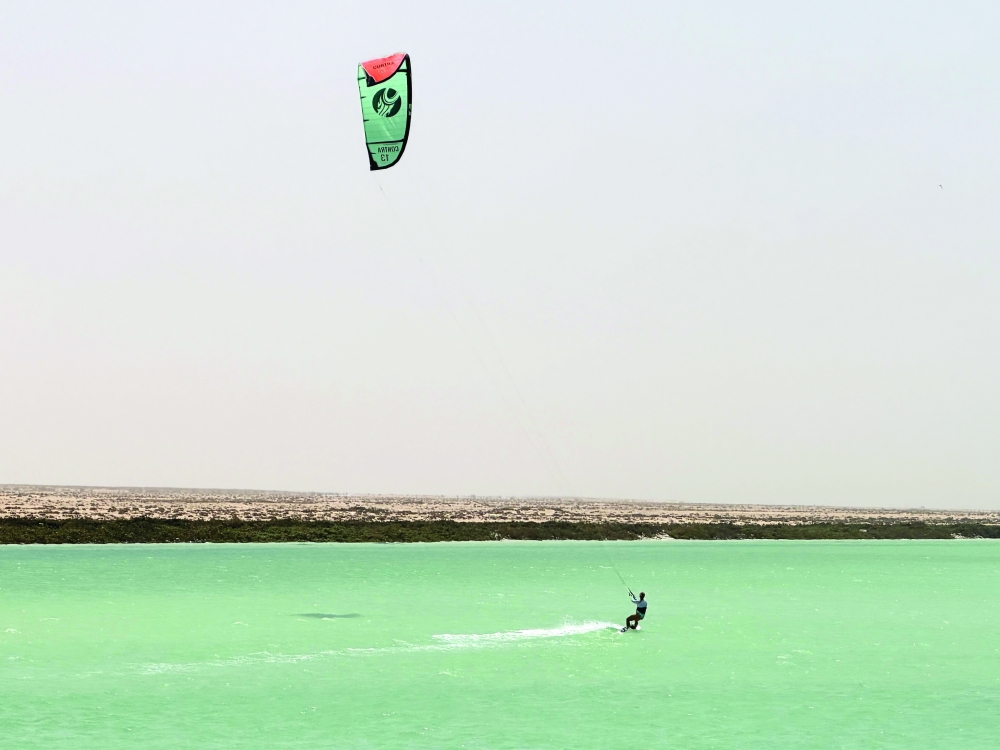
The growing popularity of the area also highlights the potential for Oman to develop specialised forms of nature and adventure tourism. Destinations such as Bar Al Hikman offer something difficult to replicate elsewhere: powerful seasonal winds, warm waters, extensive flat-water lagoons and a dramatic desert coastline, all within one remote setting.
As colourful kites rise above the lagoons during the peak Khareef months, Bar Al Hikman is increasingly being recognised not simply as a remote coastal wilderness, but as one of the region’s most distinctive destinations for wind-powered adventure.
For the riders arriving this summer, the appeal is clear. The monsoon delivers the wind, the lagoons provide the water and the vast coastline supplies the sense of freedom that keeps them coming back. At the same time, the oil spill serves as a reminder of how vulnerable these remarkable coastal environments can be and of the importance of protecting them as Oman’s marine and adventure tourism continues to grow.