Thursday, August 20, 2026
    The GeoStrategic Consensus
    No Result
    View All Result
    • Login
    • HOME
    • AMERICAS
      • Argentina
      • Brazil
      • Canada
      • Chile
      • Colombia
      • Costa Rica
      • Cuba
      • Dominican Republic
      • Ecuador
      • El Salvador
      • Greenland
      • Guatemala
      • Honduras
      • Mexico
      • Nicaragua
      • Panama
      • Paraguay
      • Peru
      • United States
      • Uruguay
      • Venezuela
    • ASIA-PACIFIC
      • Australia
      • Brunei Darussalam
      • Cambodia
      • China
      • Federated States of Micronesia
      • Fiji
      • Indonesia
      • Japan
      • Kiribati
      • Laos
      • Malaysia
      • Marshall Islands
      • Mongolia
      • Myanmar
      • Nauru
      • New Zealand
      • North Korea
      • Palau
      • Papua New Guinea
      • Philippines
      • Samoa
      • Singapore
      • Solomon Islands
      • South Korea
      • Taiwan
      • Thailand
      • Timor-Leste
      • Tonga
      • Tuvalu
      • Vanuatu
      • Vietnam
    • CARICOM
      • CARICOM – Non-English
        • Haiti
        • Suriname
      • CARICOM Associates
        • Anguilla
        • Bermuda
        • British-Virgin-Islands
        • Cayman-Islands
        • Curacao
        • Turks-and-Caicos
      • CARICOM English
        • Antigua and Barbuda
        • Barbados
        • Belize
        • Dominica
        • Grenada
        • Guyana
        • Jamaica
        • Montserrat
        • Saint Kitts and Nevis
        • Saint Lucia
        • Saint Vincent and the Grenadines
        • The Bahamas
        • Trinidad and Tobago
    • EURASIA
      • Armenia
      • Azerbaijan
      • Balarus
      • Georgia
      • Kazakhstan
      • Kyrgyzstan
      • Moldova
      • Russia
      • Tajikistan
      • Turkmenistan
      • Ukraine
      • Uzbekistan
    • EUROPE
      • Albania
      • Andorra
      • Austria
      • Bosnia and Herzegovina
      • Bulgaria
      • Croatia
      • Cyprus
      • Czech Republic
      • Denmark
      • Estonia
      • Finland
      • France
      • Germany
      • Greece
      • Holy See
      • Hungary
      • Iceland
      • Ireland
      • Italy
      • Kosovo
      • Latvia
      • Liechtenstein
      • Lithuania
      • Luxembourg
      • Malta
      • Monaco
      • Montenegro
      • Netherlands
      • North Macedonia
      • Norway
      • Poland
      • Portugal
      • Romania
      • San Marino
      • Serbia
      • Slovakia
      • Slovenia
      • Spain
      • Sweden
      • Switzerland
      • United Kingdom
    • MIDDLE EAST AND NORTH AFRICA
      • Algeria
      • Bahrain
      • Egypt
      • Iran
      • Iraq
      • Israel
      • Jordan
      • Kuwait
      • Lebanon
      • Lybia
      • Morocco
      • Oman
      • Palestinian Territories
      • Qatar
      • Saudi Arabia
      • Syria
      • Tunisia
      • Turkey
      • United Arab Emirates
      • Western Sahara
      • Yemen
    • SOUTH ASIA
      • Afghanistan
      • Bangladesh
      • Bhutan
      • India
      • Maldives
      • Nepal
      • Pakistan
      • Sri Lanka
    • SUB-SAHARAN AFRICA
      • Angola
      • Benin
      • Botswana
      • Burkina Faso
      • Burundi
      • Cabo Verde
      • Cameroon
      • Central African Republic
      • Chad
      • Comoros
      • Cote d’Ivoire
      • Democratic Republic of the Congo
      • Djibouti
      • Equatorial Guinea
      • Eritrea
      • Eswatini
      • Ethiopia
      • Gabon
      • Gambia
      • Ghana
      • Guinea
      • Guinea Bissau
      • Kenya
      • Lesotho
      • Liberia
      • Madagascar
      • Malawi
      • Mali
      • Mauritania
      • Mauritius
      • Mozambique
      • Namibia
      • Niger
      • Nigeria
      • Republic of the Congo
      • Rwanda
      • Sao Tome and Principe
      • Senegal
      • Seychelles
      • Sierra Leone
      • Somalia
      • South Africa
      • South Sudan
      • Sudan
      • Tanzania
      • Togo
      • Uganda
      • Zambia
      • Zimbabwe
    • HOME
    • AMERICAS
      • Argentina
      • Brazil
      • Canada
      • Chile
      • Colombia
      • Costa Rica
      • Cuba
      • Dominican Republic
      • Ecuador
      • El Salvador
      • Greenland
      • Guatemala
      • Honduras
      • Mexico
      • Nicaragua
      • Panama
      • Paraguay
      • Peru
      • United States
      • Uruguay
      • Venezuela
    • ASIA-PACIFIC
      • Australia
      • Brunei Darussalam
      • Cambodia
      • China
      • Federated States of Micronesia
      • Fiji
      • Indonesia
      • Japan
      • Kiribati
      • Laos
      • Malaysia
      • Marshall Islands
      • Mongolia
      • Myanmar
      • Nauru
      • New Zealand
      • North Korea
      • Palau
      • Papua New Guinea
      • Philippines
      • Samoa
      • Singapore
      • Solomon Islands
      • South Korea
      • Taiwan
      • Thailand
      • Timor-Leste
      • Tonga
      • Tuvalu
      • Vanuatu
      • Vietnam
    • CARICOM
      • CARICOM – Non-English
        • Haiti
        • Suriname
      • CARICOM Associates
        • Anguilla
        • Bermuda
        • British-Virgin-Islands
        • Cayman-Islands
        • Curacao
        • Turks-and-Caicos
      • CARICOM English
        • Antigua and Barbuda
        • Barbados
        • Belize
        • Dominica
        • Grenada
        • Guyana
        • Jamaica
        • Montserrat
        • Saint Kitts and Nevis
        • Saint Lucia
        • Saint Vincent and the Grenadines
        • The Bahamas
        • Trinidad and Tobago
    • EURASIA
      • Armenia
      • Azerbaijan
      • Balarus
      • Georgia
      • Kazakhstan
      • Kyrgyzstan
      • Moldova
      • Russia
      • Tajikistan
      • Turkmenistan
      • Ukraine
      • Uzbekistan
    • EUROPE
      • Albania
      • Andorra
      • Austria
      • Bosnia and Herzegovina
      • Bulgaria
      • Croatia
      • Cyprus
      • Czech Republic
      • Denmark
      • Estonia
      • Finland
      • France
      • Germany
      • Greece
      • Holy See
      • Hungary
      • Iceland
      • Ireland
      • Italy
      • Kosovo
      • Latvia
      • Liechtenstein
      • Lithuania
      • Luxembourg
      • Malta
      • Monaco
      • Montenegro
      • Netherlands
      • North Macedonia
      • Norway
      • Poland
      • Portugal
      • Romania
      • San Marino
      • Serbia
      • Slovakia
      • Slovenia
      • Spain
      • Sweden
      • Switzerland
      • United Kingdom
    • MIDDLE EAST AND NORTH AFRICA
      • Algeria
      • Bahrain
      • Egypt
      • Iran
      • Iraq
      • Israel
      • Jordan
      • Kuwait
      • Lebanon
      • Lybia
      • Morocco
      • Oman
      • Palestinian Territories
      • Qatar
      • Saudi Arabia
      • Syria
      • Tunisia
      • Turkey
      • United Arab Emirates
      • Western Sahara
      • Yemen
    • SOUTH ASIA
      • Afghanistan
      • Bangladesh
      • Bhutan
      • India
      • Maldives
      • Nepal
      • Pakistan
      • Sri Lanka
    • SUB-SAHARAN AFRICA
      • Angola
      • Benin
      • Botswana
      • Burkina Faso
      • Burundi
      • Cabo Verde
      • Cameroon
      • Central African Republic
      • Chad
      • Comoros
      • Cote d’Ivoire
      • Democratic Republic of the Congo
      • Djibouti
      • Equatorial Guinea
      • Eritrea
      • Eswatini
      • Ethiopia
      • Gabon
      • Gambia
      • Ghana
      • Guinea
      • Guinea Bissau
      • Kenya
      • Lesotho
      • Liberia
      • Madagascar
      • Malawi
      • Mali
      • Mauritania
      • Mauritius
      • Mozambique
      • Namibia
      • Niger
      • Nigeria
      • Republic of the Congo
      • Rwanda
      • Sao Tome and Principe
      • Senegal
      • Seychelles
      • Sierra Leone
      • Somalia
      • South Africa
      • South Sudan
      • Sudan
      • Tanzania
      • Togo
      • Uganda
      • Zambia
      • Zimbabwe
    No Result
    View All Result
    Agentially
    No Result
    View All Result
    Home ASIA-PACIFIC Marshall Islands

    Science news: Since 1958, tidal groundwater has continued moving beneath Runit Dome in the Marshall Islands, where 85,000 cubic meters of radioactive material rest; now rising Pacific seas are raising questions about the future of the 115-meter-wide structure

    The Analyst by The Analyst
    August 20, 2026
    in Marshall Islands
    Science news: Since 1958, tidal groundwater has continued moving beneath Runit Dome in the Marshall Islands, where 85,000 cubic meters of radioactive material rest; now rising Pacific seas are raising questions about the future of the 115-meter-wide structure


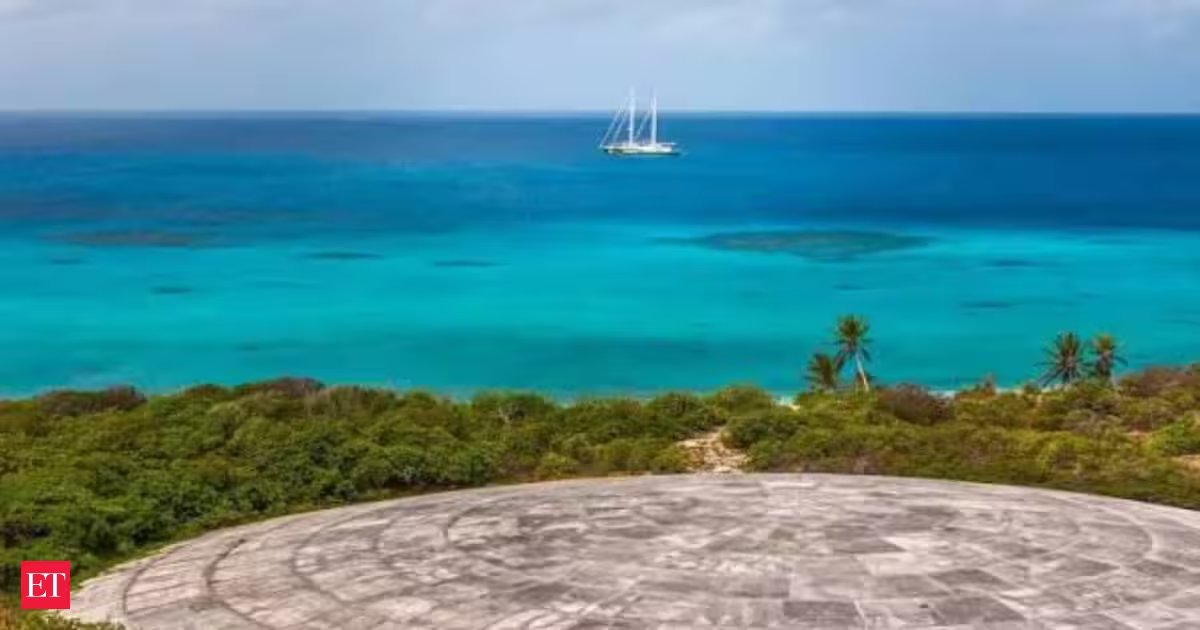
    For decades, the most important movement around Runit Dome has been almost invisible. Water has been passing through the porous coral island and beneath a concrete structure holding radioactive soil and debris from the Marshall Islands’ nuclear testing era. The dome was never built as a sealed underground vault. Its waste sits in an unlined bomb crater, and today rising seas and stronger coastal flooding are adding a new pressure to an old problem.

    Runit Dome in the Marshall Islands is facing a problem that cannot be seen from above. Groundwater has been moving beneath the site for decades, while about 85,000 cubic meters of radioactive waste remain buried inside the old nuclear test crater. Now, rising Pacific sea levels are adding new pressure to the aging structure. The concern is not simply whether the concrete dome will crack. Scientists are watching how tides, groundwater and seawater movement could affect radioactive contamination beneath and around Runit Dome.

    READ ALSO

    Fueling Vulnerability: The Economic and Strategic Costs of Oil Dependence in the Pacific

    Wiliam Emil Bradkin Obituary (2026) – Oak Harbor, WA – Wallin-Stucky Funeral Home

    Rising Pacific Seas Threaten Radioactive Runit Dome in Marshall Islands

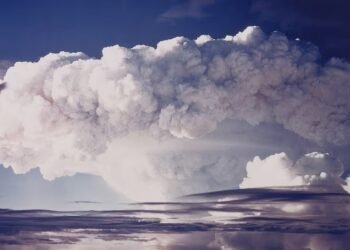
    The story begins in 1958, when the United States detonated the 18-kiloton Cactus nuclear test on Runit Island, part of Enewetak Atoll. The explosion carved a crater roughly 30 feet deep and more than 100 meters across. Two decades later, that same crater became the disposal site for contaminated soil and debris collected during a massive cleanup operation across Enewetak.
    Between 1977 and 1980, workers moved radioactive material into the crater and eventually covered it with a concrete cap. The structure became known as the Runit Dome, or simply “the Tomb.” Estimates put the volume of material inside at roughly 84,900 cubic meters, or about 111,000 cubic yards. The material contains long-lived radionuclides, including plutonium isotopes and americium, left behind by decades of nuclear weapons testing.

    The important detail is what was not built beneath it. There is no impermeable liner separating the radioactive material from the geological structure below. The crater floor remains hydraulically connected with the surrounding environment, and fractures created by the original nuclear explosion provide pathways through the underlying rock. That makes the dome very different from a modern engineered radioactive waste repository designed to isolate contaminants from groundwater.

    ET logo

    Live Events

    The ground beneath the Dome is not still

    Enewetak is an atoll built largely from ancient coral material. Coral sediments and reef limestone contain an interconnected network of pores and fractures, allowing groundwater to move through the island. Because the islands sit only slightly above the Pacific, the boundary between freshwater, brackish groundwater and seawater is constantly shifting. Tides can therefore influence water movement below the surface.
    This is the strange part of Runit Dome. A concrete cap can look solid from above while water continues moving underneath it. As the tide rises, seawater can push into the porous subsurface. As the tide falls, groundwater can move back toward the lagoon. Scientists describe this broader process as submarine groundwater discharge, and it can transport dissolved chemicals and fine particles from land into coastal waters.That does not mean the entire radioactive inventory is being flushed into the Pacific. Measurements have shown a much more complicated picture. Research published in 2018 found that Runit Dome was likely associated with about half of the plutonium in the Enewetak Lagoon water column based on plutonium isotope signatures, yet groundwater flowing directly from beneath the dome appeared to be only a small pathway for plutonium export. Much of the radioactive contamination remains in lagoon sediments.

    Why Radioactive material can move with water

    The behavior of radionuclides in groundwater depends on chemistry as much as it depends on the movement of water. Plutonium, for example, does not simply dissolve like salt and travel freely through every pore. Its mobility changes with oxidation state, acidity, dissolved organic material and interactions with minerals and particles. Some forms can attach strongly to sediments, while others can form soluble or colloidal compounds that move more readily.

    The conditions beneath a buried waste site can also differ sharply from those at the surface. Researchers have identified low-oxygen conditions and chemical reactions that can influence how radionuclides bind to particles or enter groundwater. This matters because even a small amount of mobile contamination can migrate through a porous environment over long periods. The question is therefore not simply whether water enters the waste, but what that water picks up along the way.

    There is another important distinction. Plutonium-239 has a half-life of about 24,100 years. That does not mean a radioactive release automatically becomes a catastrophic hazard, but it does mean the material remains part of the environment on a timescale vastly longer than the lifespan of the concrete structure containing it. The engineering problem is therefore measured in centuries and millennia, not decades.

    Rising seas change the conditions around runit

    Climate change introduces a second physical problem. Sea-level rise raises the baseline from which tides, waves and storm surges operate. On a low coral atoll, a relatively small change in average sea level can have an outsized effect because there is little land elevation separating groundwater, infrastructure and the ocean. Higher water levels can also increase the frequency with which coastal areas experience flooding.

    For Runit Dome, that matters both above and below the concrete cap. More frequent seawater intrusion can alter groundwater movement beneath the structure, while stronger coastal flooding can increase erosion around the island. Extreme storms create another pathway for contamination by disturbing lagoon sediments that already contain radioactive material. Climate modeling for Enewetak has found that storms can substantially redistribute contaminated sediments under some scenarios.

    A 2024 review in Communications Earth & Environment placed Runit Dome within a broader environmental problem: climate change can alter the release and movement of radionuclides from old contaminated sites. Sea-level rise, changing rainfall, warming and extreme weather can all change how contaminants move between land, groundwater and the ocean. The researchers stressed that these interactions need to be assessed rather than assuming that old contamination will remain physically stable forever.

    Cracks have added a new warning sign

    The concrete itself is now becoming part of the scientific concern. Reports and observations have documented cracking in the dome’s outer structure, while recent reporting in 2026 has again drawn attention to visible deterioration and groundwater moving through the base. Scientists who have examined the structure say its aging cannot be separated from the changing coastal environment around it.

    That does not mean Runit Dome is on the verge of suddenly collapsing. The U.S. Department of Energy has said the observed cracking is consistent with aging concrete and has not identified an imminent collapse threat. Its monitoring program includes periodic visual inspections and radiochemical testing of groundwater around the structure. The latest available federal assessment found that several radionuclide concentrations in groundwater remained below drinking-water limits, although strontium-90 and gross beta activity were notable exceptions.

    The more difficult scientific question is what happens over a much longer period. A dome can remain structurally adequate today while still becoming progressively less reliable as concrete ages, sea level rises and storms interact with a low-lying island. Climate change does not need to cause an immediate failure to matter. It can slowly change the hydraulic and physical conditions that determine how contaminants move.

    The Lagoon already contains a nuclear legacy

    Runit Dome is also only one piece of a much larger radioactive footprint. Between 1946 and 1958, the United States conducted dozens of nuclear tests across Bikini and Enewetak atolls. Radioactive fallout settled across islands, reef flats and lagoon sediments. Some of that contamination remains detectable today, decades after atmospheric testing ended.

    This creates an uncomfortable scientific paradox. Measurements show that Runit is an important source associated with plutonium contamination, yet the sediments across the lagoon are themselves a major long-term reservoir. Researchers have found that the annual transfer of plutonium and cesium from the atolls to the wider North Pacific is relatively small compared with the enormous releases produced during the original nuclear testing era. The danger is therefore not best understood as a giant radioactive plume suddenly spreading across the ocean.

    Instead, the concern is persistence. Radioactive particles can remain trapped in sediments, move during storms, enter groundwater, settle elsewhere and become available to marine ecosystems. A change in the physical environment can alter that balance. The science is less about one dramatic failure than about whether decades of slow movement become more significant as the surrounding ocean rises.

    Runit Dome is becoming a climate science problem

    In 2022, Congress directed the Department of Energy to examine how climate change could affect the Runit Dome site. The resulting federal work considered available data on radioactive contamination and climate-related hazards, including the potential consequences of changing environmental conditions. The assessment reflects a growing recognition that old nuclear waste sites cannot always be evaluated using the climate and coastal conditions that existed when they were constructed.

    For the Marshall Islands, this is not an abstract engineering exercise. Enewetak is inhabited, and the lagoon remains important to local communities. The dome sits roughly 30 kilometers from communities that use the lagoon, according to recent reporting. Any future change in contamination levels therefore has to be considered alongside food sources, groundwater, fisheries and the practical ability of local authorities to monitor and manage the site.

    The real mystery beneath Runit Dome is consequently not whether water is moving. Scientists already know that it is. The harder question is how that underground circulation will change as the Pacific rises, how much radioactive material it can mobilize, and whether the concrete structure can remain reliable long enough for the contamination inside it to become less of a threat. For a site built to contain the consequences of a 1958 nuclear blast, the next chapter may be shaped less by nuclear physics than by groundwater, tides, concrete and a changing ocean.



    Source link

    Related Posts

    Fueling Vulnerability: The Economic and Strategic Costs of Oil Dependence in the Pacific
    Marshall Islands

    Fueling Vulnerability: The Economic and Strategic Costs of Oil Dependence in the Pacific

    August 20, 2026
    Marshall Islands

    Wiliam Emil Bradkin Obituary (2026) – Oak Harbor, WA – Wallin-Stucky Funeral Home

    August 19, 2026
    Indian Seafarers Complain of Pressure to Transit Strait of Hormuz
    Marshall Islands

    Indian Seafarers Complain of Pressure to Transit Strait of Hormuz

    August 19, 2026
    USV Edelsbach – Foreign players in the club (Detailed view) | Page 11
    Marshall Islands

    USV Edelsbach – Foreign players in the club (Detailed view) | Page 11

    August 19, 2026
    DOH reports another travel-related dengue virus case : Maui Now
    Marshall Islands

    DOH reports another travel-related dengue virus case : Maui Now

    August 19, 2026
    Bloomberg: Five grain ships attacked near Novorossiysk and Tuapse
    Marshall Islands

    Bloomberg: Five grain ships attacked near Novorossiysk and Tuapse

    August 19, 2026
    Next Post
    Football fans launch global petition urging FIFA boss Infantino to resign over World Cup ‘betrayal’ | Sports

    Football fans launch global petition urging FIFA boss Infantino to resign over World Cup ‘betrayal’ | Sports

    POPULAR NEWS

    2026 Regional and International Conventions of Jehovah’s Witnesses

    2026 Regional and International Conventions of Jehovah’s Witnesses

    July 7, 2026
    Løkke is personally disappointed with the United States, which is celebrating its 250th birthday

    Løkke is personally disappointed with the United States, which is celebrating its 250th birthday

    July 9, 2026
    India’s imports from China soar to $80 billion in first half of 2026, exports up 37%

    India’s imports from China soar to $80 billion in first half of 2026, exports up 37%

    July 16, 2026
    Thaksin, Yingluck and Paetongtarn meet Indonesian President Prabowo for investment talks

    Thaksin, Yingluck and Paetongtarn meet Indonesian President Prabowo for investment talks

    July 13, 2026
    This is how Nicolás Maduro and Cilia Flores reappeared in their hearing

    This is how Nicolás Maduro and Cilia Flores reappeared in their hearing

    July 24, 2026

    EDITOR'S PICK

    US State Department confirmed that Venezuelans will define the democratic transition

    US State Department confirmed that Venezuelans will define the democratic transition

    July 29, 2026
    ANNOUNCEMENT: DOWASCO heavy traffic in Morne Rachette due to construction works – caution advised

    ANNOUNCEMENT: DOWASCO heavy traffic in Morne Rachette due to construction works – caution advised

    July 7, 2026
    LIVE: DCOA Panel Discussion on Legal Rights and Protection of Seniors

    LIVE: DCOA Panel Discussion on Legal Rights and Protection of Seniors

    July 11, 2026
    Swiss researchers find evidence of active volcanoes on Venus

    Swiss researchers find evidence of active volcanoes on Venus

    July 24, 2026

    Recent Posts

    • Major oil spill threatens Hara mangrove forests in Persian Gulf
    • From 2019 to 2026 – a billion
    • Histopathology Unit opens to reduce reliance on overseas testing
    • Rassie Erasmus reveals how the All Blacks inspired the Springboks’ rise

      © 2026 Agentially - Navigating shifting sovereignties and global risk .

      Welcome Back!

      Login to your account below

      Forgotten Password?

      Retrieve your password

      Please enter your username or email address to reset your password.

      Log In
      No Result
      View All Result
      • HOME
      • AMERICAS
        • Argentina
        • Brazil
        • Canada
        • Chile
        • Colombia
        • Costa Rica
        • Cuba
        • Dominican Republic
        • Ecuador
        • El Salvador
        • Greenland
        • Guatemala
        • Honduras
        • Mexico
        • Nicaragua
        • Panama
        • Paraguay
        • Peru
        • United States
        • Uruguay
        • Venezuela
      • ASIA-PACIFIC
        • Australia
        • Brunei Darussalam
        • Cambodia
        • China
        • Federated States of Micronesia
        • Fiji
        • Indonesia
        • Japan
        • Kiribati
        • Laos
        • Malaysia
        • Marshall Islands
        • Mongolia
        • Myanmar
        • Nauru
        • New Zealand
        • North Korea
        • Palau
        • Papua New Guinea
        • Philippines
        • Samoa
        • Singapore
        • Solomon Islands
        • South Korea
        • Taiwan
        • Thailand
        • Timor-Leste
        • Tonga
        • Tuvalu
        • Vanuatu
        • Vietnam
      • CARICOM
        • CARICOM – Non-English
          • Haiti
          • Suriname
        • CARICOM Associates
          • Anguilla
          • Bermuda
          • British-Virgin-Islands
          • Cayman-Islands
          • Curacao
          • Turks-and-Caicos
        • CARICOM English
          • Antigua and Barbuda
          • Barbados
          • Belize
          • Dominica
          • Grenada
          • Guyana
          • Jamaica
          • Montserrat
          • Saint Kitts and Nevis
          • Saint Lucia
          • Saint Vincent and the Grenadines
          • The Bahamas
          • Trinidad and Tobago
      • EURASIA
        • Armenia
        • Azerbaijan
        • Balarus
        • Georgia
        • Kazakhstan
        • Kyrgyzstan
        • Moldova
        • Russia
        • Tajikistan
        • Turkmenistan
        • Ukraine
        • Uzbekistan
      • EUROPE
        • Albania
        • Andorra
        • Austria
        • Bosnia and Herzegovina
        • Bulgaria
        • Croatia
        • Cyprus
        • Czech Republic
        • Denmark
        • Estonia
        • Finland
        • France
        • Germany
        • Greece
        • Holy See
        • Hungary
        • Iceland
        • Ireland
        • Italy
        • Kosovo
        • Latvia
        • Liechtenstein
        • Lithuania
        • Luxembourg
        • Malta
        • Monaco
        • Montenegro
        • Netherlands
        • North Macedonia
        • Norway
        • Poland
        • Portugal
        • Romania
        • San Marino
        • Serbia
        • Slovakia
        • Slovenia
        • Spain
        • Sweden
        • Switzerland
        • United Kingdom
      • MIDDLE EAST AND NORTH AFRICA
        • Algeria
        • Bahrain
        • Egypt
        • Iran
        • Iraq
        • Israel
        • Jordan
        • Kuwait
        • Lebanon
        • Lybia
        • Morocco
        • Oman
        • Palestinian Territories
        • Qatar
        • Saudi Arabia
        • Syria
        • Tunisia
        • Turkey
        • United Arab Emirates
        • Western Sahara
        • Yemen
      • SOUTH ASIA
        • Afghanistan
        • Bangladesh
        • Bhutan
        • India
        • Maldives
        • Nepal
        • Pakistan
        • Sri Lanka
      • SUB-SAHARAN AFRICA
        • Angola
        • Benin
        • Botswana
        • Burkina Faso
        • Burundi
        • Cabo Verde
        • Cameroon
        • Central African Republic
        • Chad
        • Comoros
        • Cote d’Ivoire
        • Democratic Republic of the Congo
        • Djibouti
        • Equatorial Guinea
        • Eritrea
        • Eswatini
        • Ethiopia
        • Gabon
        • Gambia
        • Ghana
        • Guinea
        • Guinea Bissau
        • Kenya
        • Lesotho
        • Liberia
        • Madagascar
        • Malawi
        • Mali
        • Mauritania
        • Mauritius
        • Mozambique
        • Namibia
        • Niger
        • Nigeria
        • Republic of the Congo
        • Rwanda
        • Sao Tome and Principe
        • Senegal
        • Seychelles
        • Sierra Leone
        • Somalia
        • South Africa
        • South Sudan
        • Sudan
        • Tanzania
        • Togo
        • Uganda
        • Zambia
        • Zimbabwe

      © 2026 Agentially - Navigating shifting sovereignties and global risk .

      This website uses cookies. By continuing to use this website you are giving consent to cookies being used. Visit our Privacy and Cookie Policy.