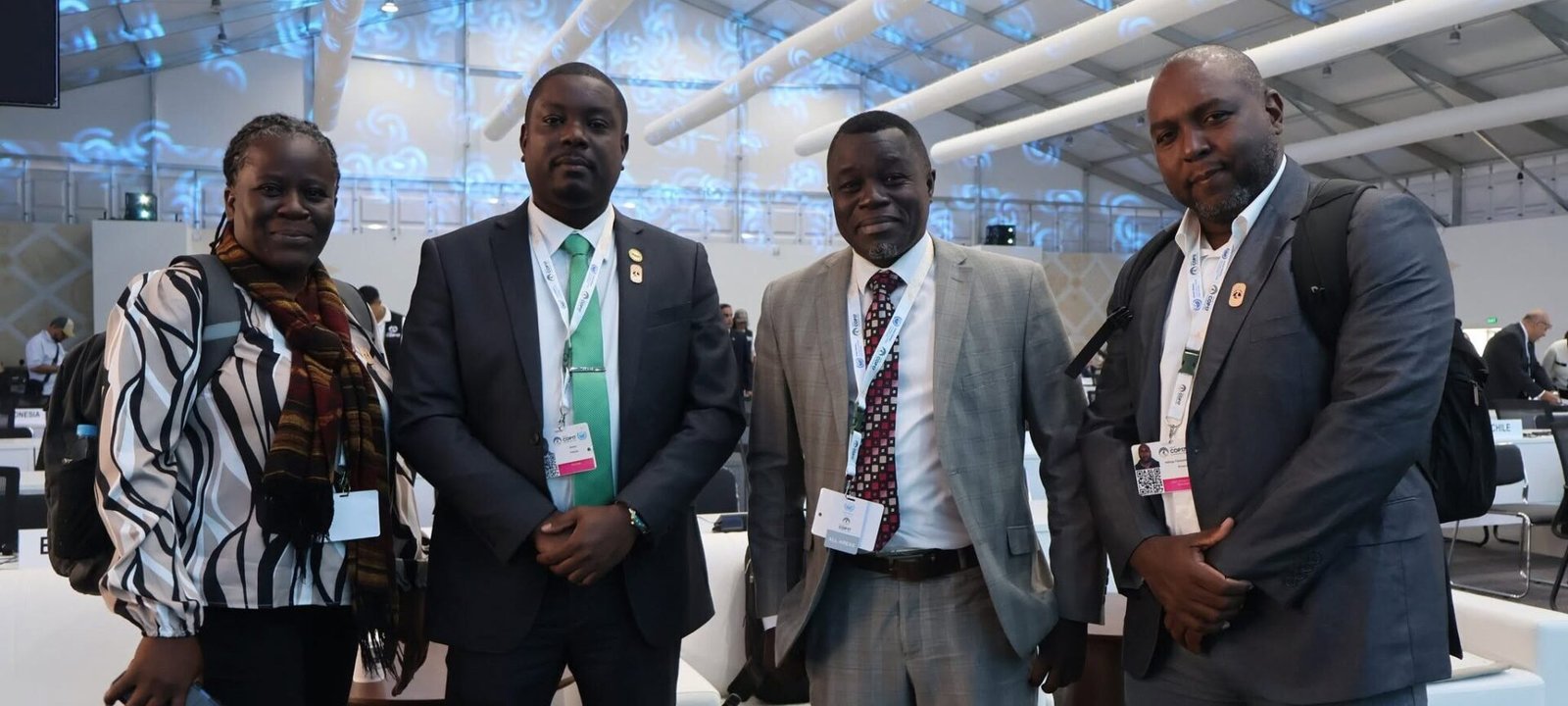

St. Vincent and the Grenadines is gaining a stronger voice in global discussions on land and drought resilience, with Agricultural Diversification Officer Karomo Browne appointed Vice President of the Bureau for the 17th session of the Conference of the Parties to the United Nations Convention to Combat Desertification (UNCCD COP17).
A press release from Partnership Initiative for Sustainable Land Management said the appointment places Browne on the conference’s steering and executive body, where he will assist the President in overseeing the session’s proceedings and help ensure regional representation remains balanced. His responsibilities also include chairing meetings when necessary and supporting intersessional work and follow-up programmes.
PISLM noted that for St. Vincent and the Grenadines, as well as Caribbean Small Island Developing States (SIDS), the appointment provides an opportunity to bring island-specific concerns into international discussions on land degradation, drought preparedness, sustainable land management and climate-related pressures.
“This is the perfect opportunity to ensure that the voices of Caribbean SIDS are heard,” Browne said. “Small island developing states face unique vulnerabilities, and our perspectives must be reflected in decisions that shape global action on land, drought and resilience.”
UNCCD COP17 is taking place in Ulaanbaatar, Mongolia, from August 17 to 28, 2026, under the theme “Restoring Land. Restoring Hope.”
The conference has brought together governments, civil society groups, scientists, young people, Indigenous Peoples, pastoralists, smallholder farmers and other stakeholders to explore practical responses to desertification, land degradation and drought, as per the release.
The press release said that in his Bureau role, Browne is expected to support discussions that are inclusive, transparent and focused on action, while drawing attention to the particular circumstances of Caribbean SIDS and other vulnerable regions.
Those discussions will include efforts to strengthen food security and livelihoods, improve water resilience and promote sustainable stewardship of land.