Monday, May 4, 2026
    The GeoStrategic Consensus
    No Result
    View All Result
    • Login
    • HOME
    • AMERICAS
      • Argentina
      • Brazil
      • Canada
      • Chile
      • Colombia
      • Costa Rica
      • Cuba
      • Dominican Republic
      • Ecuador
      • El Salvador
      • Greenland
      • Guatemala
      • Honduras
      • Mexico
      • Nicaragua
      • Panama
      • Paraguay
      • Peru
      • United States
      • Uruguay
      • Venezuela
    • ASIA-PACIFIC
      • Australia
      • Brunei Darussalam
      • Cambodia
      • China
      • Federated States of Micronesia
      • Fiji
      • Indonesia
      • Japan
      • Kiribati
      • Laos
      • Malaysia
      • Marshall Islands
      • Mongolia
      • Myanmar
      • Nauru
      • New Zealand
      • North Korea
      • Palau
      • Papua New Guinea
      • Philippines
      • Samoa
      • Singapore
      • Solomon Islands
      • South Korea
      • Taiwan
      • Thailand
      • Timor-Leste
      • Tonga
      • Tuvalu
      • Vanuatu
      • Vietnam
    • CARICOM
      • CARICOM – Non-English
        • Haiti
        • Suriname
      • CARICOM Associates
        • Anguilla
        • Bermuda
        • British-Virgin-Islands
        • Cayman-Islands
        • Curacao
        • Turks-and-Caicos
      • CARICOM English
        • Antigua and Barbuda
        • Barbados
        • Belize
        • Dominica
        • Grenada
        • Guyana
        • Jamaica
        • Montserrat
        • Saint Kitts and Nevis
        • Saint Lucia
        • Saint Vincent and the Grenadines
        • The Bahamas
        • Trinidad and Tobago
    • EURASIA
      • Armenia
      • Azerbaijan
      • Balarus
      • Georgia
      • Kazakhstan
      • Kyrgyzstan
      • Moldova
      • Russia
      • Tajikistan
      • Turkmenistan
      • Ukraine
      • Uzbekistan
    • EUROPE
      • Albania
      • Andorra
      • Austria
      • Bosnia and Herzegovina
      • Bulgaria
      • Croatia
      • Cyprus
      • Czech Republic
      • Denmark
      • Estonia
      • Finland
      • France
      • Germany
      • Greece
      • Holy See
      • Hungary
      • Iceland
      • Ireland
      • Italy
      • Kosovo
      • Latvia
      • Liechtenstein
      • Lithuania
      • Luxembourg
      • Malta
      • Monaco
      • Montenegro
      • Netherlands
      • North Macedonia
      • Norway
      • Poland
      • Portugal
      • Romania
      • San Marino
      • Serbia
      • Slovakia
      • Slovenia
      • Spain
      • Sweden
      • Switzerland
      • United Kingdom
    • MIDDLE EAST AND NORTH AFRICA
      • Algeria
      • Bahrain
      • Egypt
      • Iran
      • Iraq
      • Israel
      • Jordan
      • Kuwait
      • Lebanon
      • Lybia
      • Morocco
      • Oman
      • Palestinian Territories
      • Qatar
      • Saudi Arabia
      • Syria
      • Tunisia
      • Turkey
      • United Arab Emirates
      • Western Sahara
      • Yemen
    • SOUTH ASIA
      • Afghanistan
      • Bangladesh
      • Bhutan
      • India
      • Maldives
      • Nepal
      • Pakistan
      • Sri Lanka
    • SUB-SAHARAN AFRICA
      • Angola
      • Benin
      • Botswana
      • Burkina Faso
      • Burundi
      • Cabo Verde
      • Cameroon
      • Central African Republic
      • Chad
      • Comoros
      • Cote d’Ivoire
      • Democratic Republic of the Congo
      • Djibouti
      • Equatorial Guinea
      • Eritrea
      • Eswatini
      • Ethiopia
      • Gabon
      • Gambia
      • Ghana
      • Guinea
      • Guinea Bissau
      • Kenya
      • Lesotho
      • Liberia
      • Madagascar
      • Malawi
      • Mali
      • Mauritania
      • Mauritius
      • Mozambique
      • Namibia
      • Niger
      • Nigeria
      • Republic of the Congo
      • Rwanda
      • Sao Tome and Principe
      • Senegal
      • Seychelles
      • Sierra Leone
      • Somalia
      • South Africa
      • South Sudan
      • Sudan
      • Tanzania
      • Togo
      • Uganda
      • Zambia
      • Zimbabwe
    • HOME
    • AMERICAS
      • Argentina
      • Brazil
      • Canada
      • Chile
      • Colombia
      • Costa Rica
      • Cuba
      • Dominican Republic
      • Ecuador
      • El Salvador
      • Greenland
      • Guatemala
      • Honduras
      • Mexico
      • Nicaragua
      • Panama
      • Paraguay
      • Peru
      • United States
      • Uruguay
      • Venezuela
    • ASIA-PACIFIC
      • Australia
      • Brunei Darussalam
      • Cambodia
      • China
      • Federated States of Micronesia
      • Fiji
      • Indonesia
      • Japan
      • Kiribati
      • Laos
      • Malaysia
      • Marshall Islands
      • Mongolia
      • Myanmar
      • Nauru
      • New Zealand
      • North Korea
      • Palau
      • Papua New Guinea
      • Philippines
      • Samoa
      • Singapore
      • Solomon Islands
      • South Korea
      • Taiwan
      • Thailand
      • Timor-Leste
      • Tonga
      • Tuvalu
      • Vanuatu
      • Vietnam
    • CARICOM
      • CARICOM – Non-English
        • Haiti
        • Suriname
      • CARICOM Associates
        • Anguilla
        • Bermuda
        • British-Virgin-Islands
        • Cayman-Islands
        • Curacao
        • Turks-and-Caicos
      • CARICOM English
        • Antigua and Barbuda
        • Barbados
        • Belize
        • Dominica
        • Grenada
        • Guyana
        • Jamaica
        • Montserrat
        • Saint Kitts and Nevis
        • Saint Lucia
        • Saint Vincent and the Grenadines
        • The Bahamas
        • Trinidad and Tobago
    • EURASIA
      • Armenia
      • Azerbaijan
      • Balarus
      • Georgia
      • Kazakhstan
      • Kyrgyzstan
      • Moldova
      • Russia
      • Tajikistan
      • Turkmenistan
      • Ukraine
      • Uzbekistan
    • EUROPE
      • Albania
      • Andorra
      • Austria
      • Bosnia and Herzegovina
      • Bulgaria
      • Croatia
      • Cyprus
      • Czech Republic
      • Denmark
      • Estonia
      • Finland
      • France
      • Germany
      • Greece
      • Holy See
      • Hungary
      • Iceland
      • Ireland
      • Italy
      • Kosovo
      • Latvia
      • Liechtenstein
      • Lithuania
      • Luxembourg
      • Malta
      • Monaco
      • Montenegro
      • Netherlands
      • North Macedonia
      • Norway
      • Poland
      • Portugal
      • Romania
      • San Marino
      • Serbia
      • Slovakia
      • Slovenia
      • Spain
      • Sweden
      • Switzerland
      • United Kingdom
    • MIDDLE EAST AND NORTH AFRICA
      • Algeria
      • Bahrain
      • Egypt
      • Iran
      • Iraq
      • Israel
      • Jordan
      • Kuwait
      • Lebanon
      • Lybia
      • Morocco
      • Oman
      • Palestinian Territories
      • Qatar
      • Saudi Arabia
      • Syria
      • Tunisia
      • Turkey
      • United Arab Emirates
      • Western Sahara
      • Yemen
    • SOUTH ASIA
      • Afghanistan
      • Bangladesh
      • Bhutan
      • India
      • Maldives
      • Nepal
      • Pakistan
      • Sri Lanka
    • SUB-SAHARAN AFRICA
      • Angola
      • Benin
      • Botswana
      • Burkina Faso
      • Burundi
      • Cabo Verde
      • Cameroon
      • Central African Republic
      • Chad
      • Comoros
      • Cote d’Ivoire
      • Democratic Republic of the Congo
      • Djibouti
      • Equatorial Guinea
      • Eritrea
      • Eswatini
      • Ethiopia
      • Gabon
      • Gambia
      • Ghana
      • Guinea
      • Guinea Bissau
      • Kenya
      • Lesotho
      • Liberia
      • Madagascar
      • Malawi
      • Mali
      • Mauritania
      • Mauritius
      • Mozambique
      • Namibia
      • Niger
      • Nigeria
      • Republic of the Congo
      • Rwanda
      • Sao Tome and Principe
      • Senegal
      • Seychelles
      • Sierra Leone
      • Somalia
      • South Africa
      • South Sudan
      • Sudan
      • Tanzania
      • Togo
      • Uganda
      • Zambia
      • Zimbabwe
    No Result
    View All Result
    Agentially
    No Result
    View All Result
    Home EUROPE Estonia

    Study: Oil shale ash safer than biomass ash | News

    The Analyst by The Analyst
    April 23, 2026
    in Estonia
    Study: Oil shale ash safer than biomass ash | News


    “When discussing oil shale energy, the focus is usually only on CO2 emissions and climate neutrality. Far less attention is paid to the byproducts of combustion, especially ash, which should be valued more highly,” said dissertation author Mari-Liis Ummik, a junior researcher at TalTech (Tallinn University of Technology).

    READ ALSO

    General: A one‑day ceasefire brings no benefit to either Russia or Ukraine | News

    Mark Lajal fends off five break points to reach quarterfinals in China | News

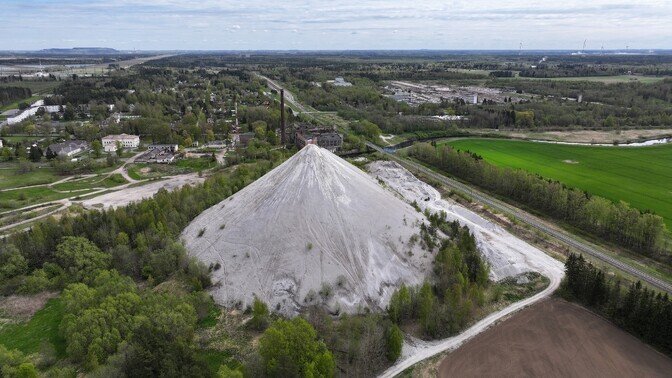
    A total of up to 5 million metric tons of oil shale ash is generated in Estonia each year, most of it deposited in ash hills. Biomass ash is produced in volumes about 100 times smaller — an average of 40,000 to 50,000 metric tons per year — but is almost entirely recycled.

    Ash is divided into fly ash and bottom ash, which have different properties. The heavier bottom ash falls directly to the bottom of the furnace. The lighter fly ash is carried out of the boiler with flue gases where special cyclones and filters capture it. In 2023, for example, more than 24,000 metric tons of bottom ash and less than 15,000 metric tons of fly ash were produced in Estonia from biomass combustion. In the case of oil shale ash, the volumes are weighted more heavily toward fly ash.

    Unfortunately, the more valuable fly ash from a construction standpoint often also carries greater environmental risks because, as temperatures fall, various heavy metals become concentrated in the finer particles. The finer the ash particle and the farther downstream in the filter system it is collected, the higher its content of lead, cadmium and other transition metals tends to be. Fly ash also carries larger amounts of salts that can potentially leach into the environment, such as chlorides and sulfates.

    Ummik noted that oil shale ash was classified for years as hazardous waste because of its strong alkalinity. On the one hand, that same property can help neutralize overly acidic soils in agriculture. On the other, when oil shale ash comes into contact with precipitation, it can produce highly alkaline wastewater. Paradoxically, under European Union legislation, coal ash was meanwhile classified as ordinary waste even though it can contain large amounts of heavy metals and other toxic elements.

    In 2019, scientists at TalTech, working together with University of Tartu, carried out an extensive study assessing the hazardous properties of oil shale ash and comparing them with coal ash. Based on that work, oil shale ash was reclassified as ordinary waste a year later. Biomass ash, however, had never previously been compared with oil shale ash within the same framework and using the same methods. Ummik and her colleagues have now done exactly that in their work. She also compared the results with European Union regulations.

    Thorough study

    Mari-Liis Ummik and her colleagues studied samples of oil shale ash from various Estonian power plants and oil industry facilities using different combustion technologies, including circulating fluidized bed combustion, pulverized combustion and oil shale oil production processes, as well as biomass ash samples from boiler plants. The researchers determined how much heavy metal was present in the different ash fractions and how those substances leach into the environment. They also examined how dangerous water draining through the ash is to aquatic organisms.

    For the first time in Estonia, the researchers also carried out such an extensive analysis of dioxin content. Dioxins are formed unintentionally during combustion processes, remain in the environment for years and accumulate in the food chain. “The European Union regulation on persistent organic pollutants treats them extremely strictly — if dioxin levels exceed the permitted limit, the waste cannot be recycled,” Ummik explained.

    The results showed that oil shale ash and biomass ash pose different levels of risk. The analysis found that fly ash produced from wood chips sometimes exceeded limits for heavy metals such as zinc, copper and lead. In the fly ash from one boiler plant, for example, zinc levels were up to 14 times higher than permitted, while at another facility dioxin levels exceeded the limit by the same margin. The high concentrations of toxic heavy metals suggest that, in some places, poor-quality processed wood and construction debris are entering the fuel stream.

    By contrast, oil shale ash contained very low amounts of most heavy metals and metalloids, including environmentally hazardous lead, arsenic and cadmium. The difference stems from the natural properties of kukersite oil shale: compared with coal, the rock itself contains relatively low levels of heavy metals. Dioxin levels in oil shale ash were without exception below the laboratories’ detection threshold. They were estimated to be at least four times lower than the 20-nanogram-per-kilogram limit permitted for fertilizers.

    Theory and practice

    To assess ash’s actual environmental impact, chemical analysis alone is not enough. For that reason, Mari-Liis Ummik also had experiments carried out using living organisms. Sensitive indicator organisms — water fleas and the bioluminescent bacterium Aliivibrio fischeri — were placed in special ash solutions. The experiments using living organisms directly showed how toxins leaching into aquatic environments affect microscopic life in the water.

    The biological tests produced somewhat different results regarding the ash’s hazard level than those suggested by the European Union’s current official calculation models. Existing rules assess a material’s toxicity mainly on the basis of its total chemical composition. In other words, the calculation model adds together all hazardous compounds present in the ash without considering how the substances actually dissolve and move in nature. The difference between the methods became apparent particularly in the case of oil shale ash.

    Tests using the bioluminescent bacteria, like the calculation model, confirmed the material’s safety. Because the bacteria, which are marine organisms, tolerate highly saline water well, the ash solution was harmless to them. By contrast, experiments with freshwater water fleas (Daphnia magna) ended in mass mortality among the organisms.

    Further analysis by the researchers showed, however, that the deaths were not caused by heavy metals. Instead, the freshwater organisms were apparently killed by the water’s excessively high pH level and salinity. Because water fleas respond directly to water alkalinity and salinity, Ummik and her colleagues concluded that they are not suitable for assessing environments of that kind.

    “When evaluating environmental hazards, it is justified to continue using the calculation method based on chemical composition. If an assessment has to be made using test organisms, the organism chosen must be suitable for the specific environmental conditions, for example a freshwater or marine organism,” Ummik said.

    Wider effect

    In Mari-Liis Ummik’s view, boiler plants and combined heat and power plants should sort their fuel more carefully to reduce the toxic burden released into the environment. All treated or painted wood should be removed from clean wood in order to prevent toxic substances from becoming concentrated in fly ash. That would make it possible to produce liming and fertilizer materials suitable for fields from the ash as well.

    As a second important step, she and her colleagues recommend that boiler plants collect safe bottom ash and contaminated fly ash in separate containers. At present, the two fractions are in some places mixed together. Keeping them separate would make it possible to spread the clean ash produced in the furnace more confidently on Estonian fields. Fly ash, however, should be subject to stricter controls and handled separately before being recycled or disposed of.

    In the case of oil shale ash, the new test results indicate that the material could be used more widely in the construction sector than it is now, for example in cement production and road construction. “All of these materials can be produced from virgin raw materials, but as an alternative it is also possible to use industrial byproducts that already exist — ashes,” Ummik emphasized. By processing them further, it would also be possible to improve their ability to bind carbon dioxide from the air.

    The dissertation’s conclusions indicate that current waste management practices and outdated legislation should be reviewed. Ummik and her colleagues hope that legal changes will in the future encourage the safe recycling of oil shale ash while at the same time limiting toxic substances from entering agricultural soils.

    The dissertation can be found in the digital collection of TalTech. Ummik’s supervisors were Alar Konist, full professor in tenure at the university, and Oliver Järvik, associate professor in tenure. The opponents were Eric Suuberg of Brown University and Erik Teinemaa of the Estonian Environmental Research Centre.

    —

    Follow ERR News on Facebook and X and never miss an update!


    Source link

    Related Posts

    General: A one‑day ceasefire brings no benefit to either Russia or Ukraine | News
    Estonia

    General: A one‑day ceasefire brings no benefit to either Russia or Ukraine | News

    May 4, 2026
    Mark Lajal fends off five break points to reach quarterfinals in China | News
    Estonia

    Mark Lajal fends off five break points to reach quarterfinals in China | News

    May 3, 2026
    Slava Ukraina restaurant closes in Tallinn after surviving arson | News
    Estonia

    Slava Ukraina restaurant closes in Tallinn after surviving arson | News

    May 3, 2026
    Prime Minister Michal: all Eesti Energia’s profits benefit taxpayers | News
    Estonia

    Prime Minister Michal: all Eesti Energia’s profits benefit taxpayers | News

    May 3, 2026
    CLYDE KULL ⟩ Europe is on hold: Friction between France and Germany
    Estonia

    CLYDE KULL ⟩ Europe is on hold: Friction between France and Germany

    May 3, 2026
    Phone scammer handed suspended sentence in €8.5 million plea bargain | News
    Estonia

    Phone scammer handed suspended sentence in €8.5 million plea bargain | News

    May 3, 2026
    Next Post
    The police caught a suspect in Austria accused of misusing funds intended to support Ukraine

    The police caught a suspect in Austria accused of misusing funds intended to support Ukraine

    POPULAR NEWS

    Justin Bieber fans flood Coachella festival for headlining show – Entertainment

    Justin Bieber fans flood Coachella festival for headlining show – Entertainment

    April 20, 2026

    Over 600 flee homes as Army, NPA clash in Negros Occidental

    April 21, 2026

    Ex-DPWH exec recalls P800-M ‘delivery’ to Zaldy Co 

    April 20, 2026

    Former PM Paluckas suspends party membership, to waive immunity over criminal probe

    April 24, 2026
    Pres. Ali challenges CARICOM to transform into health research powerhouse

    Pres. Ali challenges CARICOM to transform into health research powerhouse

    April 23, 2026

    EDITOR'S PICK

    Why is Cobre Panamá still operating? Minister Moltó explains the legal basis after the Court’s ruling

    Why is Cobre Panamá still operating? Minister Moltó explains the legal basis after the Court’s ruling

    April 13, 2026
    Venezuelan singer Elena Rose tours Panama with Grammy winner Erika Ender

    Venezuelan singer Elena Rose tours Panama with Grammy winner Erika Ender

    April 24, 2026
    COM raises fuel subsidy to VT766M

    COM raises fuel subsidy to VT766M

    May 2, 2026
    Australia’s NCCTRC supports 2026 Dili International Marathon

    Australia’s NCCTRC supports 2026 Dili International Marathon

    April 23, 2026

    Recent Posts

    • The Minister of Public Health receives the head of the regional office for North Africa, Africa CDC
    • International Film Festival: Workshops address various topics
    • The cost of building national housing tripled; 35 million square meters / Why was housing not cheap during the war?
    • Narrative of breaking the deadlock of martyr Larijani in the third imposed war

      © 2026 Agentially - Navigating shifting sovereignties and global risk .

      Welcome Back!

      Login to your account below

      Forgotten Password?

      Retrieve your password

      Please enter your username or email address to reset your password.

      Log In
      No Result
      View All Result

        © 2026 Agentially - Navigating shifting sovereignties and global risk .

        This website uses cookies. By continuing to use this website you are giving consent to cookies being used. Visit our Privacy and Cookie Policy.