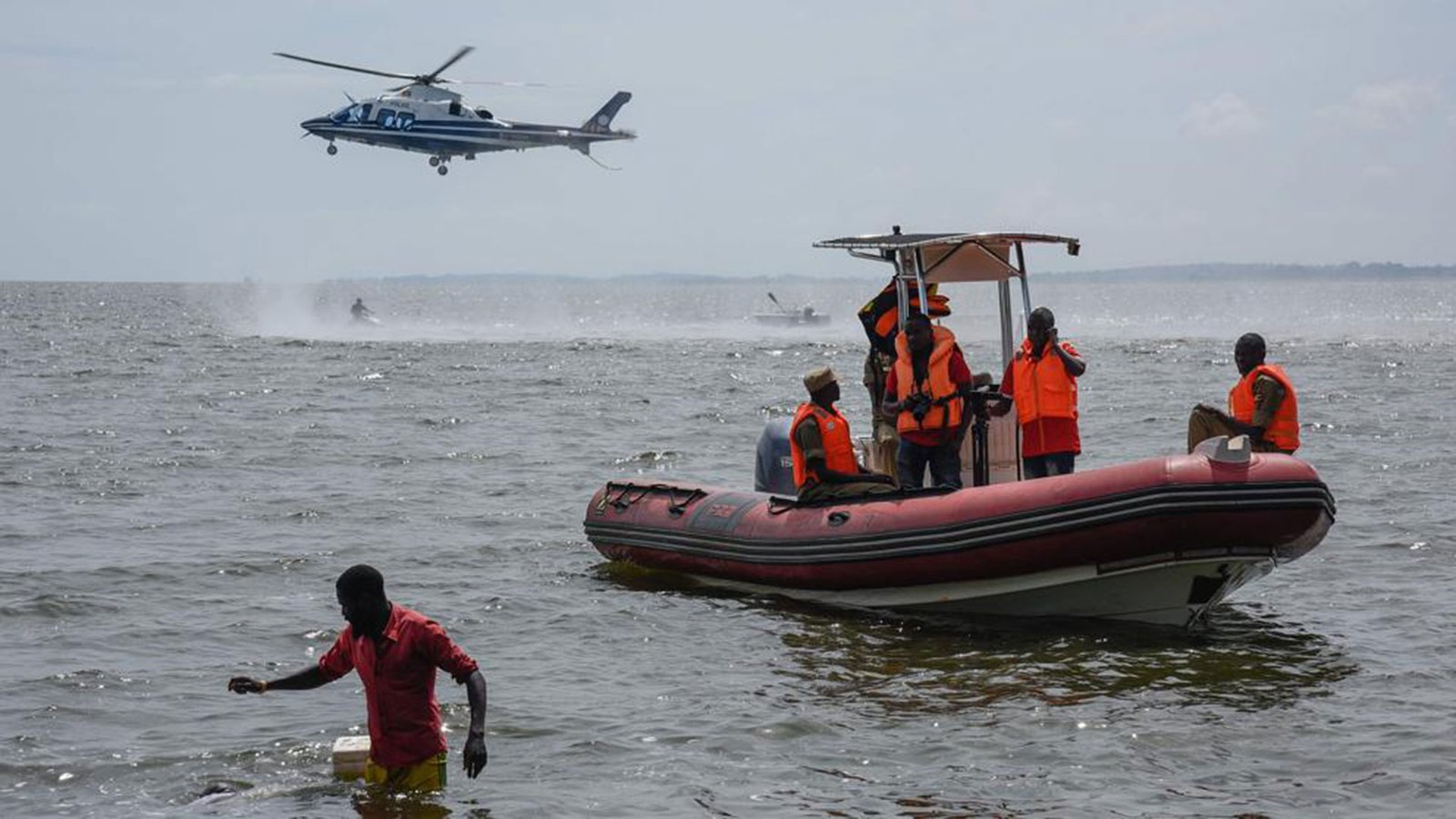
A Venezuelan died and two others are wanted this Sunday by the authorities of Trinidad and Tobago, after a boat in which they were traveling and allegedly transporting smuggled copper to Venezuela, sank in a notoriously dangerous stretch that separates both countries.
Trinidadian authorities identified the victim as Julio López, who drowned after the accident on Saturday in Boca de la Serpiente, a 10-kilometer stretch of water that divides Venezuela and Trinidad and Tobago.
Captain Vallence Rambharat, head of the Hunters Search and Rescue Team, told EFE that preliminary information indicated that The vessel was transporting a shipment of copper from Trinidad to Venezuela when it capsized due to the strong waves during the early hours of Saturday.
He added that the vessel disappeared in waters off Trinidad’s southwest peninsula, an area frequently used by smugglers trying to avoid Coast Guard patrols.
Search teams, consisting of the Trinidad and Tobago Coast Guard, Defense Force personnel, volunteer rescuers and local fishermen, continued to search the coast and nearby waters on Sunday for the other two passengers.
Nevertheless, Authorities reported that one person survived the accident. This was identified as Nikol Landaeta.
The Serpent’s Mouth and Columbus Channel have long been considered among the most dangerous waterways between Trinidad and Venezuela due to strong tidal currents, shallow reefs and rapidly changing weather conditions.
Despite these risks, hundreds of migrants and smugglers continue to make the crossing each year aboard overloaded wooden canoes.
The sinking has drawn attention to Trinidad’s rich illegal copper trade and dangerous sea crossings.
This is because Trinidad’s copper exports are scheduled to end in July 2027, after the government concluded that profits made from stolen copper were helping to finance organized crime groups responsible for the widespread theft of electrical infrastructure, telecommunications networks and industrial equipment across the country.
Investigators believe that traffickers They continue to clandestinely transport the metal to Venezuela aboard small fishing boats that depart from isolated beaches on the south coast of Trinidad.
Security officials say intensified Coast Guard operations around Icacos and the Gulf of Paria have forced smugglers to abandon traditional routes and increasingly operate from more remote exit points.
Geological changes following the two earthquakes that struck Venezuela earlier this month could also be complicating already dangerous sea crossings.
Last week, another boat carrying 29 people capsized leaving Trinidad bound for Venezuela.
Two Venezuelans, Edwin Parra and the six-year-old girl Brithanny Linneth Yanett León Palacios, drowned.