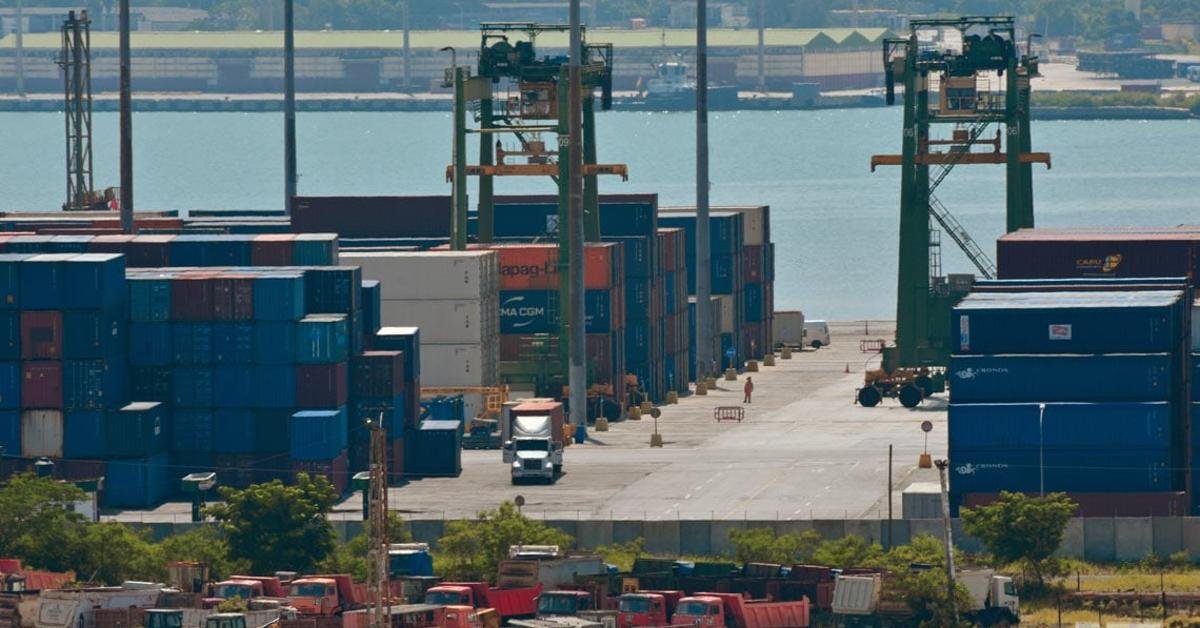
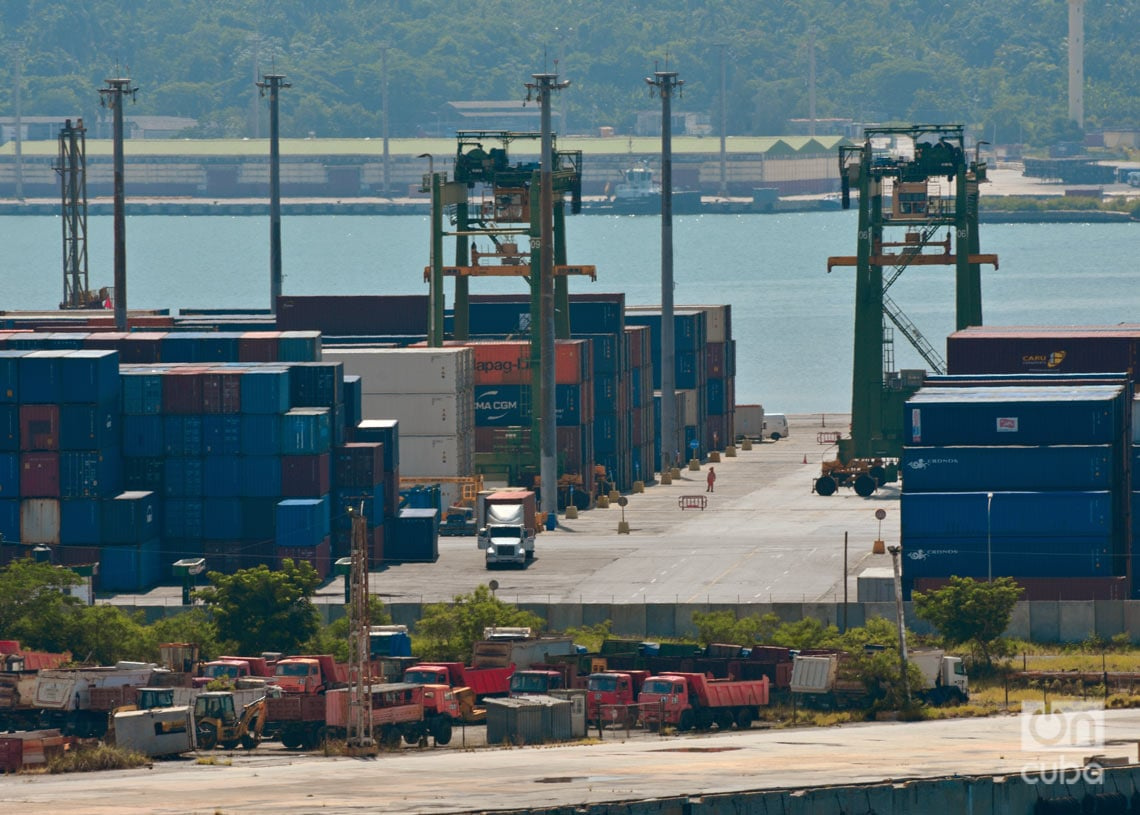
Madrid/The United States continues to expand the list of Cuban state entities to which to apply new sanctions based on the executive order that President Donald Trump signed on May 1. Among them, the Mariel container terminal, the medical exporter and even the Minister of Health himself, José Ángel Portal Miranda.
“All entities sanctioned today have been designated in accordance with Executive Order 14404, which authorizes sanctions against individuals who meet specific criteria related to repression in Cuba and other threats to the national security and foreign policy of the United States,” indicates the State Department in the statement published this Thursday. The document includes nine entities – three related to energy, four with the attempt to evade sanctions and two with the toilet export system – and two people: in addition to the Minister of Health, the director of the Central Medical Cooperation Unit (UCCM), Gretza Sánchez Padrón.
These officials are appointed to the block dedicated to the export of labor. The State Department insists that “the Cuban regime has a policy or pattern of forced labor – a form of human trafficking – in the Government’s labor export program, including its medical missions abroad.”
For “sustaining the regime’s energy sector”, Ceinpet appears, defined by the State Department as Cupet’s “research and development arm”
Thus, “for their role in the administration, enabling and benefit of this system,” they point out to the Cuban Medical Services Marketer (MSMC)which indicates “it manages the Cuban medical missions, Cuba’s main source of foreign currency, which generates more income than any other sector of the Cuban economy” and is owned by the Government of Cuba. Next to the MSMC is the Minister of Health, “responsible for supervising the entities involved in the management of Cuban medical missions abroad”, the UCCM and its director.
For “sustaining the regime’s energy sector”, the Petroleum Research Center SA (Ceinpet)defined by the State Department as the “research and development arm” of Cuba-Oil Union (Cupet), already indicated in these new sanctions on June 11. In addition, two gas and lubricant importers are also on the list: Energy Company SA (Enersa) and Einarbo SAwhich brought these products from Mexico and India.
In the “fight against sanctions evasion” section, the statement explains that the Business Administration Group (Gaesa) “continues to try to protect its assets and income from US sanctions through corporate restructuring and the use of intermediaries.” Thus, he points out to the chain that is currently in charge of managing the port of Mariel, in Artemisa.
After a pause of several weeks, this month Poseidon military aircraft are once again observed on satellite trackers flying over the Island
First, to the state Mariel SA Container Terminal (TC Mariel), “for being owned or controlled by, or having acted or purported to act in the name or representation, directly or indirectly, of the already designated Gaesa.” Afterwards, to Coral Maritima SAto which Gaesa transferred the port last June, and, finally, to Maritime Port Transport Business Group (Gemar)the conglomerate that manages the maritime sector on the Island and to which Coral Marítima belongs. For the United States, that transfer was nothing more than “a transaction” intended to “evade sanctions.”
Also trying to avoid the sanctions are Ceiba Investments Limitedbased on the island of Guernsey – a tax haven in the English Channel –, which assumed “full ownership” of the financial company Orbit after Gaesa was sanctionedon May 7th. Orbit It is also registered on this new list, with the argument that “it is a remittance processor almost certainly controlled by Gaesa.”
The implications of these designations, reminds the Department of State, are not limited to the named entities and individuals, but to anyone who carries out transactions with them, under penalty of sanctions.
In recent days, the United States has increased the tone of its pressure towards Cuba. On Monday, he published a report denouncing Havana as forger of “communism of the 21st century”. Through a series of strategies deployed in almost seven decades that have included espionage, infiltration and sabotage, the long text of one hundred pages said, the Castro regime has attempted to undermine not only its northern neighbor but all Western democracies.
Furthermore, after a pause of several weeks, this month Poseidon military aircraft are once again observed on satellite trackers flying over the Island from Florida.