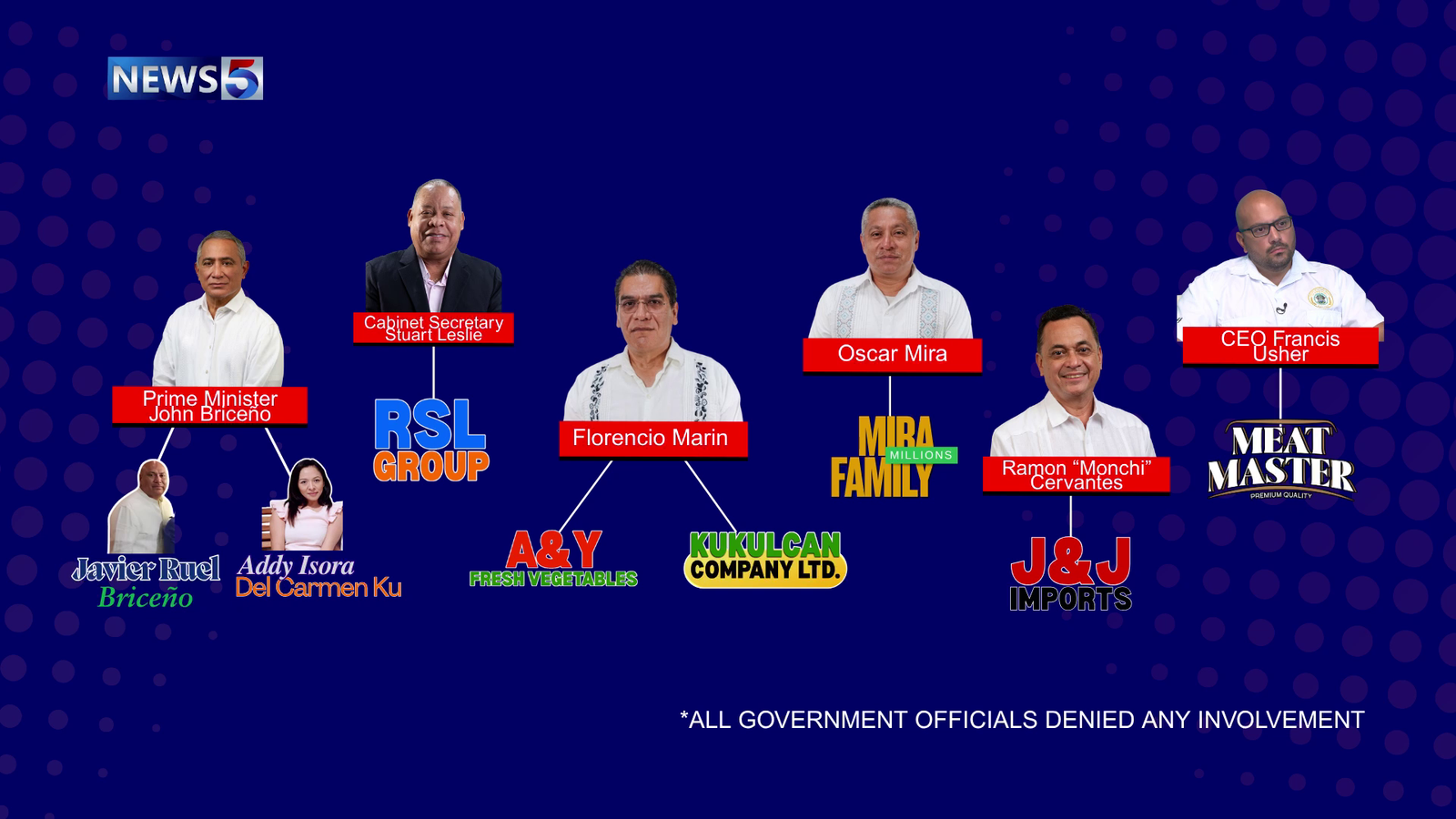
It was supposed to be a safeguard, a ten-thousand-dollar line in the sand to keep public spending in check. But in the unfolding Mira Millions scandal, that very limit is now raising serious red flags. Investigators reviewing hundreds of invoices tied to the Ministry of Defense have found a pattern that is hard to ignore: payment after payment landing just under the amount that would have triggered tougher scrutiny. Was it coincidence, outdated policy, or a deliberate attempt to dodge oversight? Tonight, as government ministers float the idea of raising the threshold, the bigger question is whether the problem is the rule itself or the way it was used. News Five’s Paul Lopez takes a closer look at how a procurement safeguard became a central issue in one of the biggest spending controversies in recent memory.
Paul Lopez, Reporting
From the onset of the Mira Millions and Ministry of Defense procurement scandal, there has been one common theme, hundreds of invoices that fall just shy of the ten-thousand-dollar threshold.
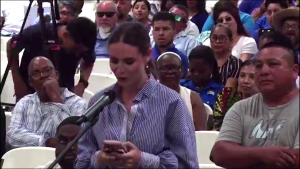
Isabella Zabaneh
Isabella Zabaneh, Stann Creek West Constituent
“I would like to urge the consideration of a lift of the threshold from ten thousand to a higher number. What matters is the value for money and ten thousand is simply too low for ministry’s to be allowed to spend.”
 This is what set off the controversy in the first place. Former Miss Universe Belize Isabella Zabaneh raised eyebrows with her remarks at a People’s United Party event, but behind those comments is a bigger issue: the Ministry of Defense paid out hundreds of thousands of dollars in one day using dozens of invoices that each fell below ten thousand dollars. That practice is now one of the main reasons Prime Minister John Briceño called for a full audit.
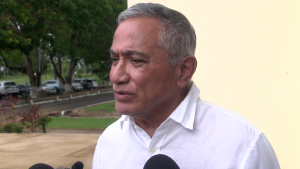
Prime Minister John Briceño
Prime Minister John Briceño (File: June 23rd, 2026)
“In this instance when we saw these continuous under ten thousand dollar payments, it raises questions and raises and alarm and that is why I sent the Financial Secretary to send the auditor general to take a look at what is going on.”
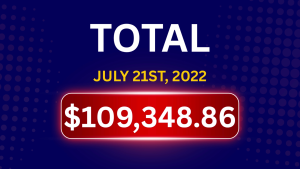 Before this ten-thousand-dollar threshold became a major issue in the Ministry of Defense audit, it was a little-known rule inside government’s procurement system. Its roots go back to 1968, when British Honduras had only twenty-six elected and nominated parliamentarians combined, and the internal spending limit was set between five hundred and one thousand dollars. That figure remained largely untouched for fifty years. Then, in 2018, the Dean Barrow administration passed a statutory instrument raising the threshold to ten thousand dollars. The same amendment also allowed Accounting Officers to sign government contracts valued below fifty thousand dollars. It was a major change in how public money could be approved and spent, but at the time, it slipped quietly under the radar.
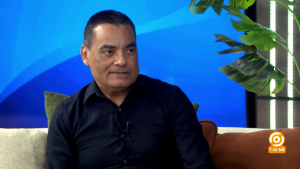
Francis Fonseca
Francis Fonseca, Cabinet Minister (File: July 22nd, 2026)
“People ask me, what do you think about the threshold and so. That should not come from politicians. Those recommendations should come from the technical people, the Financial Secretary and his team. They should say listen, this threshold of ten thousand is not working. This is what we should have, based on our experience, based on the realities of ministries in 2026.”
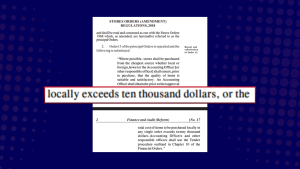 It took five decades before the original threshold was increased from five hundred dollars to ten thousand dollars. Eight years after the last amendment, amidst the Mira Millions scandal, the threshold conversation is once again at the forefront.
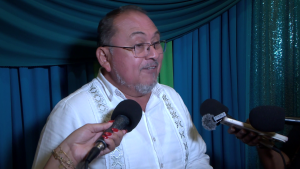
Andre Perez
Andre Perez, Cabinet Minister (File: June 25th, 2026)
“The Coast Guard has grown. The BDF has grown. My ministry is growing as well. So for me as a businessman, if I’m going to be engaging my CEO, can I make any decisions on the threshold of ten thousand dollars, and the everything has to go through us, and the payments are getting bigger, the increase of cost on just about everything, then it’s time for us to look at maybe the increase of the threshold from ten to fifteen, twenty thousand dollars.”
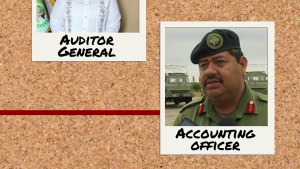 But the issue is not only whether the ten-thousand-dollar threshold should change. The rules already exist, and public officials are duty-bound to follow them. Belize’s Financial Orders place that responsibility squarely on the Accounting Officer, or Ministry CEO. Section 3 C says that officer must ensure the ministry operates within approved policy and without waste. At the Ministry of Defense, that Accounting Officer was retired Brigadier General Dario Tapia. He will now have to answer key questions in the ongoing audit. Reporting for News Five, I am Paul Lopez.
Attention readers: This online newscast is a direct transcript of our evening television broadcast. When speakers use Kriol, we have carefully rendered their words using a standard spelling system.
Watch the full newscast here: