UNESCO has supported the successful completion of the Republic of Nauru’s first International Assistance project under the World Heritage Convention, marking a significant milestone for the Pacific Small Island Developing State (SIDS) following its accession to the Convention in 2024. Supported through the World Heritage Fund, the project has strengthened national capacities for implementing the World Heritage Convention by enhancing the understanding of its principles and mechanisms among national stakeholders, fostering dialogue and collaboration across government institutions, and establishing a stronger foundation for the identification, protection and sustainable management of Nauru’s cultural and natural heritage.
The project also resulted in an assessment of priority heritage sites and recommendations towards potential World Heritage nomination, recommendations to strengthen the national heritage framework, and the preparation of a draft five-year workplan for heritage conservation, which provides a practical roadmap for future action. The plan outlines priority measures such as the systematic documentation of heritage sites, the establishment of a National Heritage Committee, the strengthening of the national legislative framework, public awareness and interpretation initiatives, the integration of heritage into school curricula, and greater community engagement and partnerships to support the long-term conservation of Nauru’s cultural and natural heritage.
This project builds on the significant progress achieved since Nauru became the 196th State Party to the World Heritage Convention in July 2024. Following the approval of its first International Assistance request in February 2025, UNESCO supported the first national consultation meeting on the World Heritage Convention in May 2025, which introduced the Convention and the International Assistance project to national stakeholders and established a roadmap for its implementation. The successful completion of this project marks a further step in consolidating Nauru’s efforts to strengthen the conservation and management of its rich cultural and natural heritage.
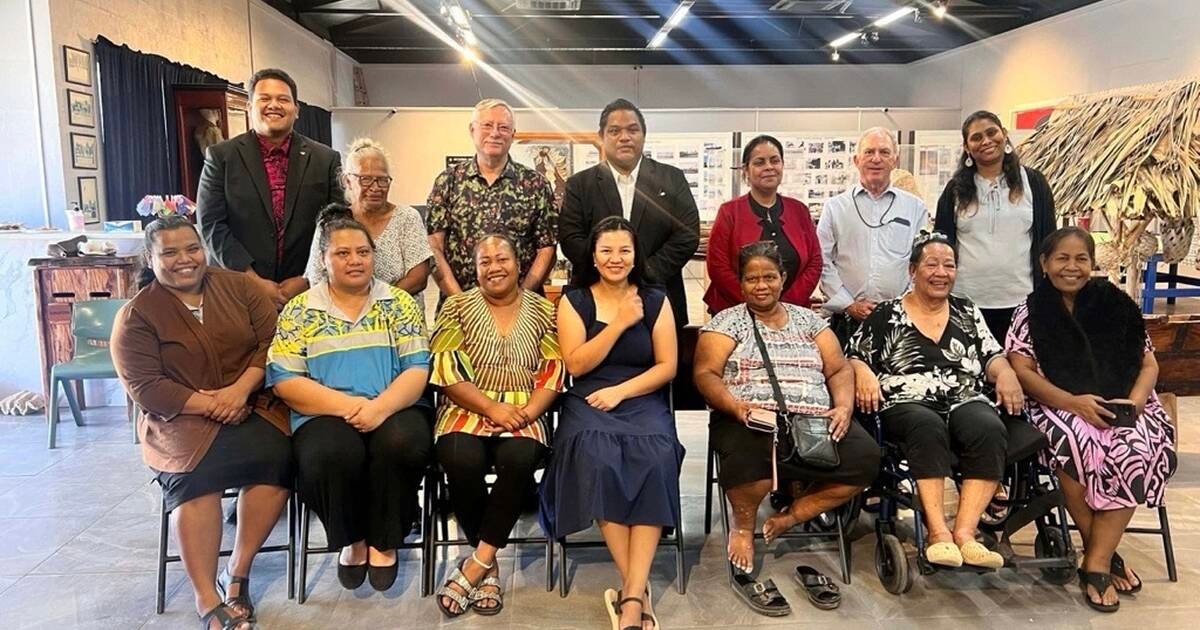
Implemented by the Naoero Museum under the Department of National Heritage, with the technical support of UNESCO World Heritage Centre, UNESCO Regional Office for the Pacific States in Apia, as well as international experts, the project included a seven-day field mission to Nauru in February 2026. Experts conducted site inspections of potential cultural and natural heritage sites across the island, held consultations and workshops with government agencies, community representatives and other stakeholders, reviewed the National Heritage Act and related legislation and developed recommendations to strengthen the national heritage framework.
As a Pacific Small Island Developing State, Nauru faces unique opportunities and challenges in safeguarding its rich cultural and natural heritage. UNESCO remains committed to supporting Nauru as it implements the World Heritage Convention through continued technical cooperation, capacity building and international partnerships. Building on the achievements of this first International Assistance project, UNESCO will continue to work closely with the Government of Nauru and national stakeholders to strengthen heritage conservation, promote the sustainable management of cultural and natural heritage, and support the country’s future engagement with the World Heritage Convention.