April 23, 2026 – 10:22
The director of Health Surveillance of the Ministry of Health, Andrea Ojeda, explained that this year there is an advance in the circulation of influenza, which forced the issuance of a health alert. He urged the population to avoid going to workplaces and schools with respiratory symptoms and recalled the value of vaccines and face masks.
The Dr. Andrea Ojeda He reported that this year the influenza began circulating in Januarywhen it is usual that its greatest impact is observed in the coldest months, that is, near winter. This behavior and the increase in cases – he argued – forces us to foresee greater pressure on health services in autumn and winter.
Read more: Influenza: Public Health issues epidemiological alert due to increase in consultations
In parallel, consultations for influenza symptoms already show significant growth. According to Health Surveillance data, in the last epidemiological week there was an increase in 22% in outpatient care. Ojeda warned that once this curve starts to rise, it is unlikely to decline quickly, especially at the start of winter.
Those most affected: older and unvaccinated adults
The most serious cases and deaths continue to focus on older adults, people with underlying illnesses and young children. “It is always the extremes of life that get sick the most,” said the director, explaining that these groups are more vulnerable to complications.
Furthermore, he mentioned that a large part of the deceased They did not have influenza or covid-19 vaccines, which reinforces the importance of immunization as a tool to reduce serious illnesses.
Read more: Respiratory virus: consultations increase; Immediate vaccination urged
Risk of contagion in closed spaces
Currently, several respiratory viruses circulate simultaneously, including influenza, rhinovirus, respiratory syncytial virus and, to a lesser extent, covid-19. The doctor pointed out that this coexistence increases the likelihood of contagion, especially in closed spaces such as schools and offices.
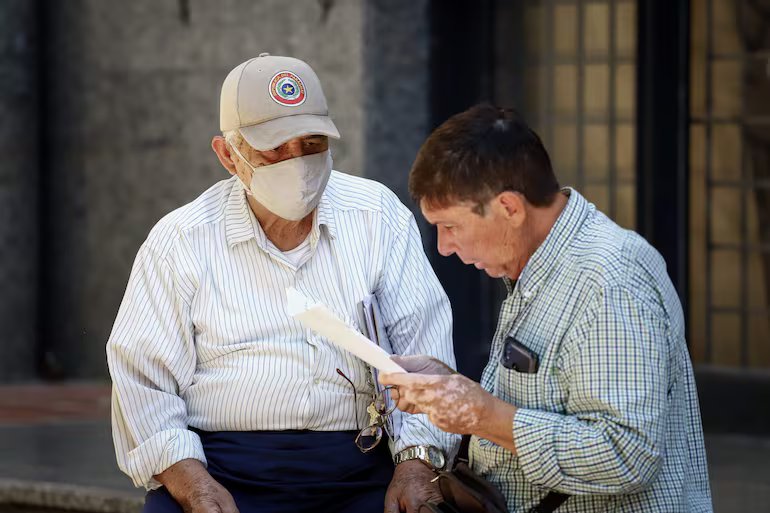
In this context, he insisted on the importance of reinforcing basic measures that tend to relax over time. He asked to avoid attending classes or work sick, to wear a mask at the first symptoms and to improve the ventilation of the environments.
He also stressed the need to strengthen controls in educational institutionswhere outbreaks can occur quickly if adequate filters are not applied. “That is where massive contagion occurs within the classroom,” he warned.
Read more: Influenza: Why is vaccination a priority in the elderly?
Vaccination to reduce complications
The director took the opportunity to clarify that the influenza vaccine does not necessarily prevent contracting the virus, but it does reduces the risk of serious illness. In addition, he recalled that immunization takes approximately two weeks to generate an effect in the body.
Likewise, he recalled that even those who have already had influenza should be vaccinated, since the available doses include other strains of the virus. In these cases, it is recommended to wait about a month after the acute illness to apply the vaccine.
Currently, the health system has vaccines against influenza, pneumococcus – aimed at people over 60 years of age, young children and people with underlying diseases – and the monoclonal antibody nirsevimab to prevent complications due to syncytial virus in newborns.