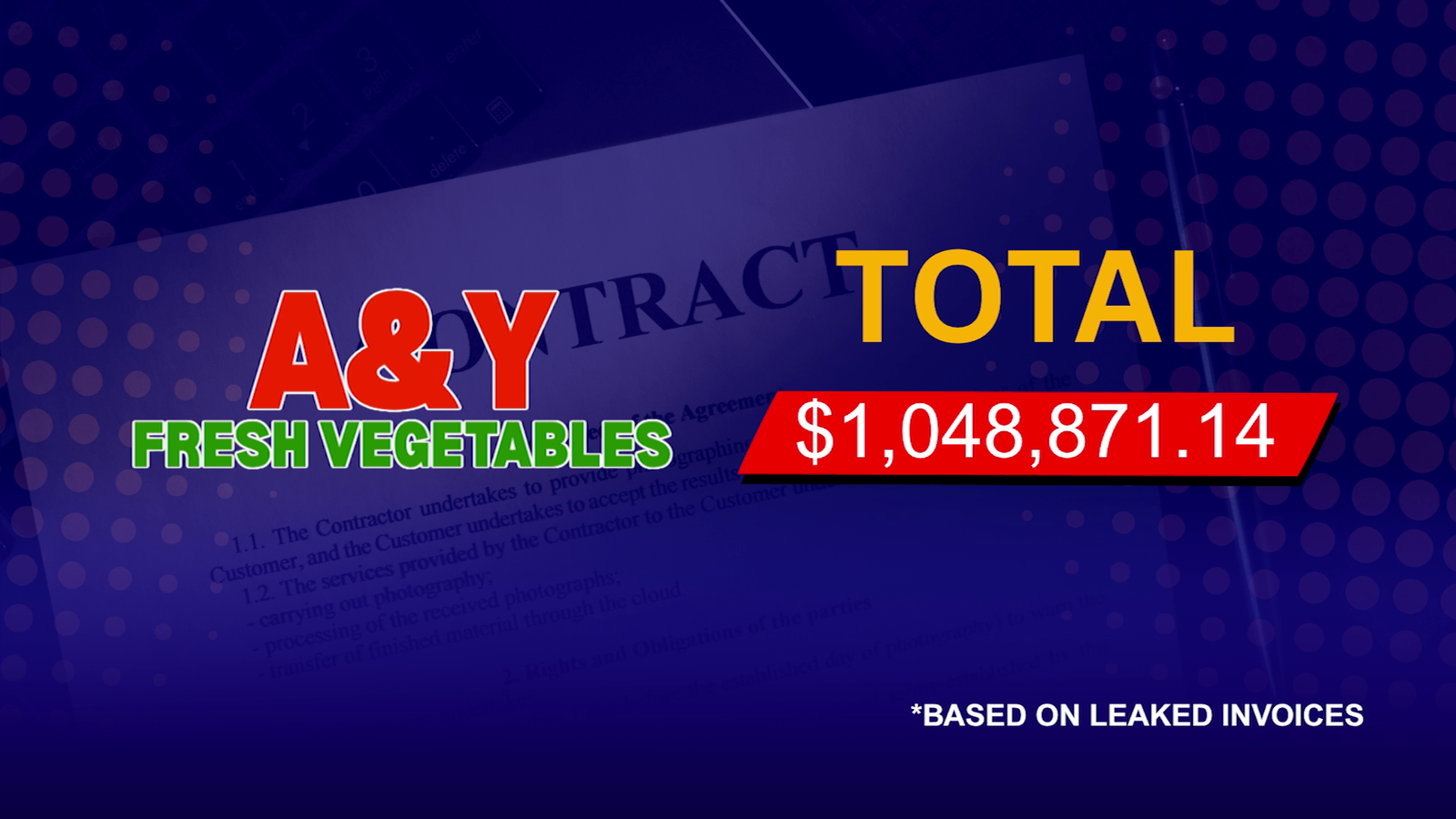
Tonight, the trail of Defense Ministry spending leads to Chunox Village, where a fresh vegetable supplier has collected more than one million dollars in government payments. Records reviewed by News Five show that A&Y Fresh Vegetables was paid through at least one hundred and twenty invoices between 2023 and 2026. But what stands out is not just the total amount; it’s how the payments were made. Nearly all of them came in just under ten thousand dollars, the line that usually brings added scrutiny. So, was this simply routine procurement, or a system designed to avoid oversight? Tonight, we take a closer look at how changes inside military purchasing may have shifted power, weakened safeguards, and left taxpayers with serious questions. News Five’s Paul Lopez reports.
 Paul Lopez, Reporting
A new batch of Smart Stream leaks is putting Defense procurement, and former Defense Minister Florencio Marin Jr., back in the public eye. The records show that A&Y Fresh Vegetables, a Chunox Village supplier reportedly owned by Marin’s constituents Antonio and Yolando Patt, received more than one million dollars from the ministry between January 2023 and April 2026. There is no evidence Marin influenced the contracts, but the payments raise serious questions. A&Y collected the money through at least one hundred and twenty invoices, almost all just under the ten-thousand-dollar mark that triggers closer oversight.
Paul Lopez
“What is your view of family or relatives or businesses related to government officials receiving these bids and contracts?”
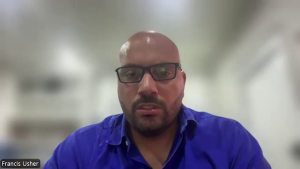
Francis Usher
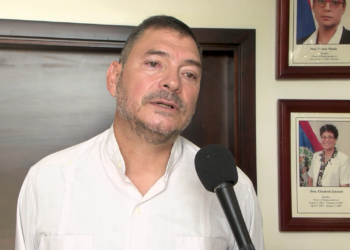
Francis Usher, Chief Executive Officer, Ministry of Defense (File: July 8th, 2026)
“I think it can be perceived negatively, so the onus is on the business and whoever they are related to ensure the process is transparent and that there is no preferential treatment.”
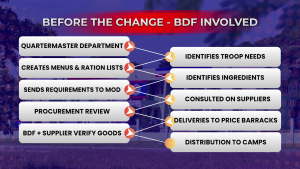 But the invoices may only tell part of the story. As the same payment patterns show up across several suppliers, the bigger question is now about the system behind them. That system shifted in 2020, when the Briceño administration reduced the Belize Defense Force’s role in procurement and placed more control in the hands of the Ministry of Defense. According to a retired Belize Defense Force general familiar with military procurement, the BDF played a much larger role before 2020. Quartermasters identified needs, calculated requirements, helped vet suppliers, and verified deliveries before distribution. Retired Major Lloyd Jones recently described how the system functioned during his tenure.
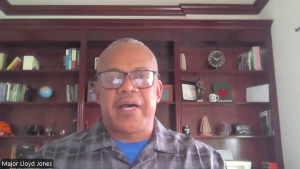
Lloyd Jones
Major Lloyd Jones (Ret’d), Former BDF Officer
“Except if you are the logistics officer you would deal with the procurement side, but ordinarily we had in each battalion someone in charge of the quartermaster store to ensure what was requisitioned was received, recorded and properly accounted for.”
A retired general, speaking anonymously, says the Ministry of Defense now calls the shots on purchasing, from tenders and suppliers to invoices and payments. The BDF, he says, mostly steps in when the supplies arrive. The change was meant to tighten controls, but leaked invoices showing millions in payments just below procurement thresholds beg the question: were key safeguards removed instead?
 Francis Usher, Chief Executive Officer
“Based on the usage rate, and because it is centralized, the rations and food products are delivered to Price Barracks and the outstations collect their allocations.”
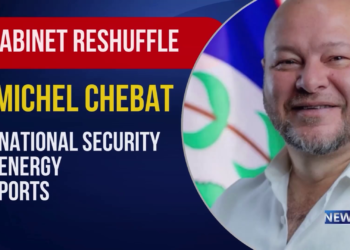
Did centralizing procurement strengthen oversight, or weaken it? Those questions remain unanswered. Marin has declined to answer questions about the matter, while former Minister Oscar Mira and Prime Minister John Briceño have both distanced themselves from procurement decisions.
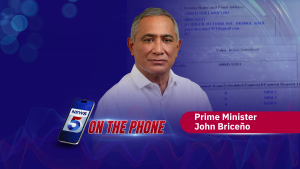 On the Phone: Prime Minister John Briceño
“Just like how I did not know what the Mira Family was getting and Florencio Marin, I do not know.”
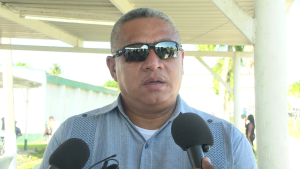
Oscar Mira
Oscar Mira, Area Representative, Belmopan (File: June 17th, 2026)
“I had no say. I was not part of those committees. If they did so, they did on their own, not with my influence or anything to do with me.”
As leaked records continue to expose a pattern of payments skirting key oversight thresholds, the bigger question may no longer be who got the contracts, but whether the system itself was designed to prevent abuse or quietly enable it. Reporting for News Five, I am Paul Lopez.
Attention readers: This online newscast is a direct transcript of our evening television broadcast. When speakers use Kriol, we have carefully rendered their words using a standard spelling system.
Watch the full newscast here: