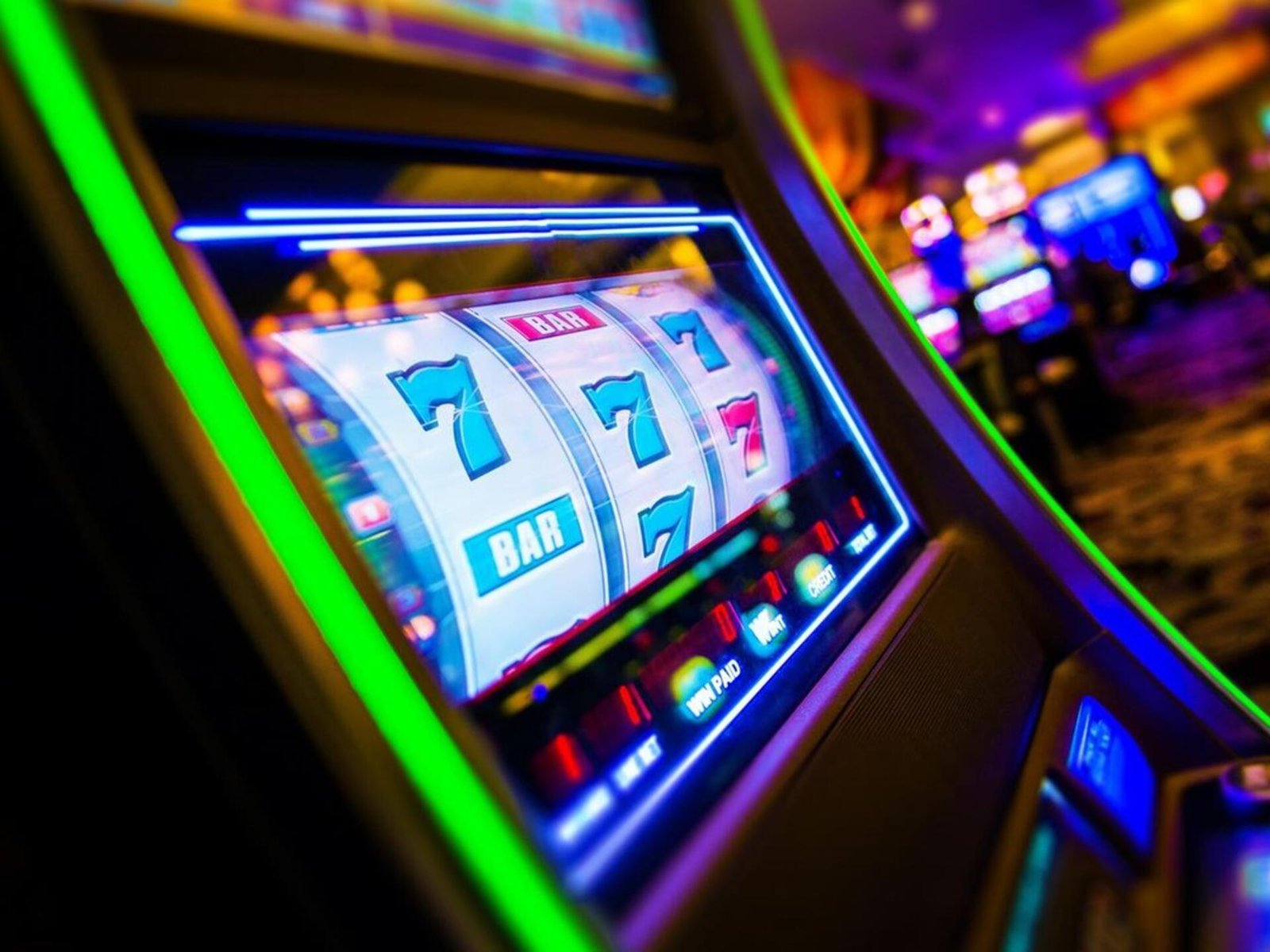
Anyone who goes to a bar every now and then has already seen her. The gaming machines are now part of the interior design. Upon closer observation, one quickly comes to the conclusion that Luxembourg has a problem. More and more people are sitting at these machines during the day or evening and trying their luck. However, this is by no means harmless gambling. Many of these people try to improve their life situation or get out of debt through gambling.
The presence of such machines in establishments where alcohol is also served significantly lowers the inhibition threshold. How big the problem is in Luxembourg is illustrated elsewhere. There are now even supermarkets that set up such machines to serve their customers’ addictions. It is precisely this everydayness that brings with it great risks. You don’t just have a classic casino on your doorstep – except for the residents of Mondorf. Almost everyone has a café with a slot machine nearby. Gambling becomes normal and this develops into an addiction for most people.
The winners are usually not the players, but the providers and also the bars. The machines allow cafe operators to survive. Some bars make the majority of their revenue from the machines.
Although the Luxembourg government has not completely ignored the issue, it is currently doing very little to strategically address the problem. The current focus is primarily on prevention and personal responsibility. A proper action plan does not exist and is not currently planned, as emerged from a parliamentary question in January. The only concrete measure currently in place is that a bill has been introduced that will ban illegal machines from bistros in the future. According to various estimates, there are currently around 4,000 of them in Luxembourg. Although this measure regulates the market, it does not solve the problem at all.
Other European countries are a step further in this regard. Some countries have stakes limits, limited playing time, or mandatory registration systems that detect problematic behavior early.
Luxembourg is at a crossroads. If the problem continues to be ignored, there is a risk of long-term social problems: from excessive indebtedness to mental illness. The aim is not to ban gambling, but to minimize the risks of long-term damage. The question today is no longer whether Luxembourg has a gambling problem, but rather what the government is doing to prevent it from getting worse.