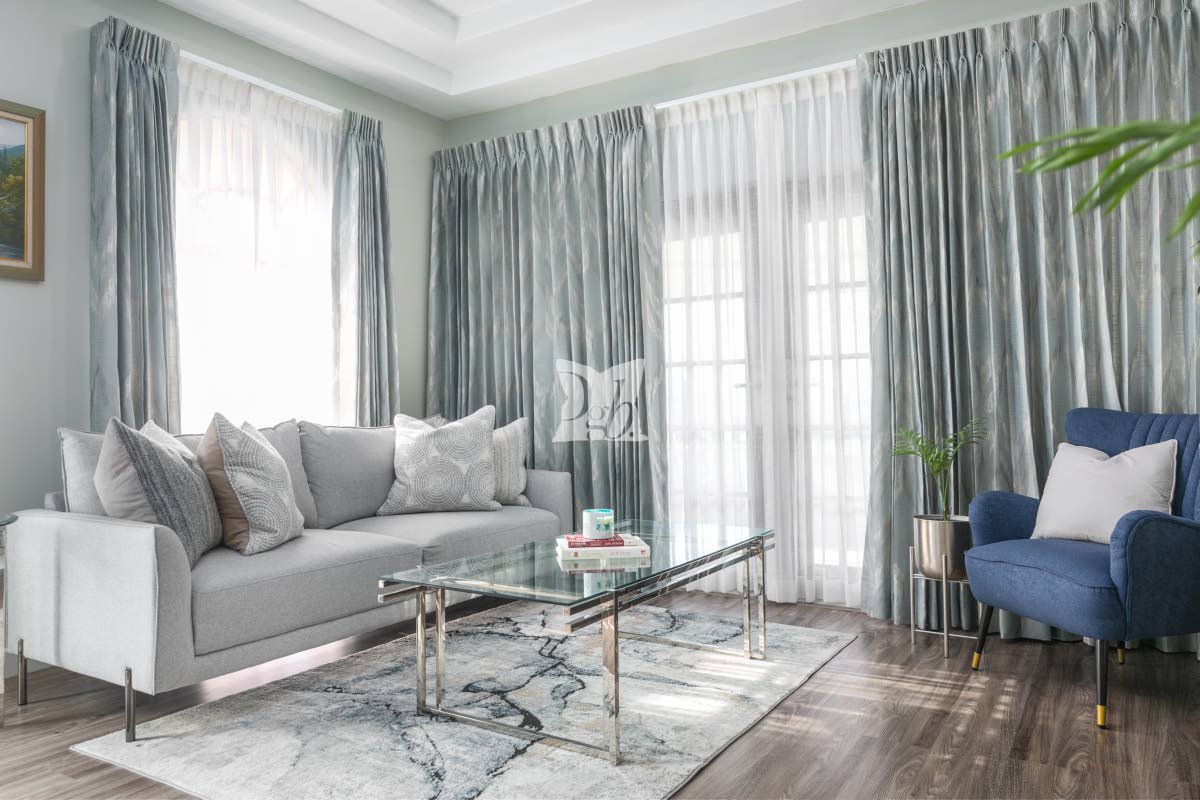
When you hear the words “interior design,” do you immediately picture luxury homes, imported furniture, and budgets far out of reach for the average citizen?
If your answer is yes, it is easy to see why. Design has long been marketed as a privilege reserved only for those with significant resources, an aesthetic TikTok video, or even a glossy foreign magazine. Some even suggest that it’s a “cosmetic finishing touch” rather than a practical necessity.
But the truth is much simpler: good design is not just a luxury. It is a tool for living better.
The spaces we occupy affect us every single day. They shape how we function, our productivity, our relationships, and our stress levels. Design is not simply about making a room look beautiful; it is about making daily life easier.
That reality does not change whether you live in a one-bedroom apartment in Belmont, a two-storey home in Couva, an HDC townhouse in Arima, or a generational home in Whim. A well-designed kitchen with adequate outlets and counter space helps a busy family function efficiently. Thoughtful layout in a bedroom improves rest. Intelligent storage reduces daily friction. These are not luxury concerns; they are basic human needs.
Every person deserves a home that supports their lifestyle, regardless of property size or budget.
Some of the most meaningful design solutions are the least expensive. They come from understanding how people actually live. The needs of a single mother with a pre-teen boy differ vastly from those of a family of five in a three-bedroom house. Sometimes, good design just means creating a dedicated workspace in a small apartment, maximising limited square footage, or simply rearranging furniture to create better flow. None of these solutions requires a mansion. They require intention.
Consider a family I worked with whose home was far from small, yet their mornings were perpetually chaotic. School bags ended up on the dining table, keys constantly went missing, and the kitchen became a bottleneck. The problem wasn’t the size of the house—it was the organisation of the space. By creating a simple “drop zone” – such as a bowl on the console near the entrance – adjusting the kitchen layout so two people could work without colliding (for example, moving the air fryer to another counter), and even improving the lighting, the morning chaos “vanishes”. Nothing about that solution was expensive. It simply came from paying attention to daily routines.
In Trinidad and Tobago, we invest heavily in building. We tend to focus on square footage, high-end finishes, and construction costs. But a beautiful house and a well-designed home are not the same thing. One impresses visitors; the other improves the lives of the people inside. Too often, we move into completed structures without ever asking how those spaces will function once everyday life begins.
Some questions I ask my clients during a consultation, and you can ask yourself as well, are:
How do you actually move through your home?
Where do your children do their homework?
Is your kitchen supporting the way you cook and entertain, or are you fighting it? Do you have a place to truly unwind?
The answers to those questions shape your life far more than an expensive piece of furniture ever could, even if social media says it’s pretty. One of the greatest misconceptions about interior design is that it begins with aesthetics. People often say “I’ll call you when I win the lotto, or I’ll be ready for you when we finish construction”, when in reality, it begins with people, their habits, routines, and aspirations.
When design is seamless, it often goes unnoticed. Life simply feels easier. You spend less time searching for keys (who has time to be searching for keys? Nobody got time for that), you move more comfortably through your rooms, and feel more relaxed. These small improvements accumulate into a significantly better quality of life.
Many may disagree, but I strongly believe that design should not be a privilege reserved for a select few. It is an investment in everyday living. At its best, it is about dignity, comfort, and creating spaces that truly serve the people who exist within them. That is something everyone deserves.
Darren G Bart is the Principal Designer at DGB Concepts Ltd.