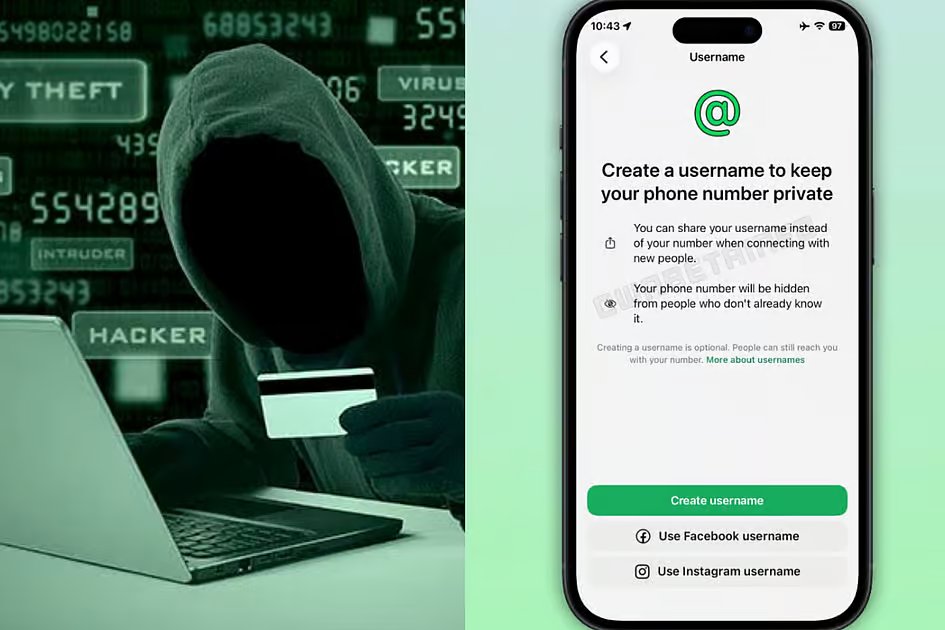
WhatsApp usernames are meant to make the app more private. But before the feature even launches fully, it has already sparked a familiar question: could scammers use it to impersonate people, brands or public figures?
The Meta-owned messaging app has started allowing users to reserve usernames ahead of a wider rollout later this year. Once live, the feature will let people start chats without immediately sharing their phone number.
Stay up to date with the latest news. Follow KT on WhatsApp Channels.
For everyday users, that sounds like a welcome privacy upgrade. Phone numbers are linked to bank accounts, work contacts, delivery apps, identity checks and sometimes public records. Sharing one casually in a group, marketplace, travel situation or with a business can expose users to unwanted calls, spam and phishing attempts.
The impersonation risk
But usernames also introduce a new trust problem. Several netizens point out that a scammer no longer needs to appear with a suspicious phone number. Instead, they could try to create a handle that looks similar to a friend, influencer, company, government body or customer service account.
Eliad Kimhy, Senior Security Researcher at Acronis, said the feature should be seen as “an important privacy improvement for users rather than a fundamental change in Meta’s data practices”.
“The biggest benefits are privacy, safety and user experience,” he said, adding that phone numbers are “highly persistent” identifiers tied to banking, work, identity verification, family contacts and sometimes public records.
According to Kimhy, usernames could reduce exposure in large groups, marketplaces, travel situations, dating, community forums and interactions with businesses. They could also make it harder for a phone number to be reused later for spam, phishing, SIM-swap attempts or cross-platform profiling.
However, he warned that the risk lies in how users interpret identity on WhatsApp.
“Usernames can be squatted, mimicked or used to make scams look more credible,” Kimhy said. “A familiar-looking handle can create a false sense of legitimacy, especially if users rely on the display name or profile photo rather than verifying who they are speaking to.”
WhatsApp says usernames will not be searchable
WhatsApp, in a detailed post on X, has tried to address those fears through a new FAQ, saying usernames are optional, not searchable and not yet available for messaging. The company says users will not be able to search for random usernames in the way people search social media handles.
Username reservations are here, as more and more people claim theirs, hereâs answers to the top questions youâre asking â¬ï¸
Q: Are usernames mandatory?
A: Nope, they are optional.
Q: What if the username I want isnât available?
A: Thereâs a few reasons you might not be able toâ¦
— WhatsApp (@WhatsApp) July 1, 2026
When usernames do become usable for messaging, WhatsApp says people receiving a message from someone new will see warnings, including the sender’s country origin. The app will also continue showing unknown-sender alerts, shared group information, and block and report options.
To reduce impersonation, WhatsApp says some well-known public figure names, government entities, celebrities and Meta-verified names have already been held so they can only be claimed by legitimate owners. Users who want to claim the same username as their Instagram or Facebook account may need to link those accounts first to prove ownership.
One of the most important safeguards is the new “username key”. This optional layer, WhatsApp says, means someone would need both your username and your key before they can contact you through your username. Users can reset the key at any time to stop new inbound contact.
Still, experts say technology alone will not solve the problem. Users should be cautious of urgent messages, payment requests, suspicious links, investment offers and anyone claiming to be from a bank, courier company, government department or well-known brand. If a message involves money, personal details, OTPs or account access, verify the sender through another trusted channel before responding.
Want to know more about your favourite tech products, brands, and video games? Check out the links below or click here to see Khaleej Times’ coverage on technology.