Wednesday, July 1, 2026
    The GeoStrategic Consensus
    No Result
    View All Result
    • Login
    • HOME
    • AMERICAS
      • Argentina
      • Brazil
      • Canada
      • Chile
      • Colombia
      • Costa Rica
      • Cuba
      • Dominican Republic
      • Ecuador
      • El Salvador
      • Greenland
      • Guatemala
      • Honduras
      • Mexico
      • Nicaragua
      • Panama
      • Paraguay
      • Peru
      • United States
      • Uruguay
      • Venezuela
    • ASIA-PACIFIC
      • Australia
      • Brunei Darussalam
      • Cambodia
      • China
      • Federated States of Micronesia
      • Fiji
      • Indonesia
      • Japan
      • Kiribati
      • Laos
      • Malaysia
      • Marshall Islands
      • Mongolia
      • Myanmar
      • Nauru
      • New Zealand
      • North Korea
      • Palau
      • Papua New Guinea
      • Philippines
      • Samoa
      • Singapore
      • Solomon Islands
      • South Korea
      • Taiwan
      • Thailand
      • Timor-Leste
      • Tonga
      • Tuvalu
      • Vanuatu
      • Vietnam
    • CARICOM
      • CARICOM – Non-English
        • Haiti
        • Suriname
      • CARICOM Associates
        • Anguilla
        • Bermuda
        • British-Virgin-Islands
        • Cayman-Islands
        • Curacao
        • Turks-and-Caicos
      • CARICOM English
        • Antigua and Barbuda
        • Barbados
        • Belize
        • Dominica
        • Grenada
        • Guyana
        • Jamaica
        • Montserrat
        • Saint Kitts and Nevis
        • Saint Lucia
        • Saint Vincent and the Grenadines
        • The Bahamas
        • Trinidad and Tobago
    • EURASIA
      • Armenia
      • Azerbaijan
      • Balarus
      • Georgia
      • Kazakhstan
      • Kyrgyzstan
      • Moldova
      • Russia
      • Tajikistan
      • Turkmenistan
      • Ukraine
      • Uzbekistan
    • EUROPE
      • Albania
      • Andorra
      • Austria
      • Bosnia and Herzegovina
      • Bulgaria
      • Croatia
      • Cyprus
      • Czech Republic
      • Denmark
      • Estonia
      • Finland
      • France
      • Germany
      • Greece
      • Holy See
      • Hungary
      • Iceland
      • Ireland
      • Italy
      • Kosovo
      • Latvia
      • Liechtenstein
      • Lithuania
      • Luxembourg
      • Malta
      • Monaco
      • Montenegro
      • Netherlands
      • North Macedonia
      • Norway
      • Poland
      • Portugal
      • Romania
      • San Marino
      • Serbia
      • Slovakia
      • Slovenia
      • Spain
      • Sweden
      • Switzerland
      • United Kingdom
    • MIDDLE EAST AND NORTH AFRICA
      • Algeria
      • Bahrain
      • Egypt
      • Iran
      • Iraq
      • Israel
      • Jordan
      • Kuwait
      • Lebanon
      • Lybia
      • Morocco
      • Oman
      • Palestinian Territories
      • Qatar
      • Saudi Arabia
      • Syria
      • Tunisia
      • Turkey
      • United Arab Emirates
      • Western Sahara
      • Yemen
    • SOUTH ASIA
      • Afghanistan
      • Bangladesh
      • Bhutan
      • India
      • Maldives
      • Nepal
      • Pakistan
      • Sri Lanka
    • SUB-SAHARAN AFRICA
      • Angola
      • Benin
      • Botswana
      • Burkina Faso
      • Burundi
      • Cabo Verde
      • Cameroon
      • Central African Republic
      • Chad
      • Comoros
      • Cote d’Ivoire
      • Democratic Republic of the Congo
      • Djibouti
      • Equatorial Guinea
      • Eritrea
      • Eswatini
      • Ethiopia
      • Gabon
      • Gambia
      • Ghana
      • Guinea
      • Guinea Bissau
      • Kenya
      • Lesotho
      • Liberia
      • Madagascar
      • Malawi
      • Mali
      • Mauritania
      • Mauritius
      • Mozambique
      • Namibia
      • Niger
      • Nigeria
      • Republic of the Congo
      • Rwanda
      • Sao Tome and Principe
      • Senegal
      • Seychelles
      • Sierra Leone
      • Somalia
      • South Africa
      • South Sudan
      • Sudan
      • Tanzania
      • Togo
      • Uganda
      • Zambia
      • Zimbabwe
    • HOME
    • AMERICAS
      • Argentina
      • Brazil
      • Canada
      • Chile
      • Colombia
      • Costa Rica
      • Cuba
      • Dominican Republic
      • Ecuador
      • El Salvador
      • Greenland
      • Guatemala
      • Honduras
      • Mexico
      • Nicaragua
      • Panama
      • Paraguay
      • Peru
      • United States
      • Uruguay
      • Venezuela
    • ASIA-PACIFIC
      • Australia
      • Brunei Darussalam
      • Cambodia
      • China
      • Federated States of Micronesia
      • Fiji
      • Indonesia
      • Japan
      • Kiribati
      • Laos
      • Malaysia
      • Marshall Islands
      • Mongolia
      • Myanmar
      • Nauru
      • New Zealand
      • North Korea
      • Palau
      • Papua New Guinea
      • Philippines
      • Samoa
      • Singapore
      • Solomon Islands
      • South Korea
      • Taiwan
      • Thailand
      • Timor-Leste
      • Tonga
      • Tuvalu
      • Vanuatu
      • Vietnam
    • CARICOM
      • CARICOM – Non-English
        • Haiti
        • Suriname
      • CARICOM Associates
        • Anguilla
        • Bermuda
        • British-Virgin-Islands
        • Cayman-Islands
        • Curacao
        • Turks-and-Caicos
      • CARICOM English
        • Antigua and Barbuda
        • Barbados
        • Belize
        • Dominica
        • Grenada
        • Guyana
        • Jamaica
        • Montserrat
        • Saint Kitts and Nevis
        • Saint Lucia
        • Saint Vincent and the Grenadines
        • The Bahamas
        • Trinidad and Tobago
    • EURASIA
      • Armenia
      • Azerbaijan
      • Balarus
      • Georgia
      • Kazakhstan
      • Kyrgyzstan
      • Moldova
      • Russia
      • Tajikistan
      • Turkmenistan
      • Ukraine
      • Uzbekistan
    • EUROPE
      • Albania
      • Andorra
      • Austria
      • Bosnia and Herzegovina
      • Bulgaria
      • Croatia
      • Cyprus
      • Czech Republic
      • Denmark
      • Estonia
      • Finland
      • France
      • Germany
      • Greece
      • Holy See
      • Hungary
      • Iceland
      • Ireland
      • Italy
      • Kosovo
      • Latvia
      • Liechtenstein
      • Lithuania
      • Luxembourg
      • Malta
      • Monaco
      • Montenegro
      • Netherlands
      • North Macedonia
      • Norway
      • Poland
      • Portugal
      • Romania
      • San Marino
      • Serbia
      • Slovakia
      • Slovenia
      • Spain
      • Sweden
      • Switzerland
      • United Kingdom
    • MIDDLE EAST AND NORTH AFRICA
      • Algeria
      • Bahrain
      • Egypt
      • Iran
      • Iraq
      • Israel
      • Jordan
      • Kuwait
      • Lebanon
      • Lybia
      • Morocco
      • Oman
      • Palestinian Territories
      • Qatar
      • Saudi Arabia
      • Syria
      • Tunisia
      • Turkey
      • United Arab Emirates
      • Western Sahara
      • Yemen
    • SOUTH ASIA
      • Afghanistan
      • Bangladesh
      • Bhutan
      • India
      • Maldives
      • Nepal
      • Pakistan
      • Sri Lanka
    • SUB-SAHARAN AFRICA
      • Angola
      • Benin
      • Botswana
      • Burkina Faso
      • Burundi
      • Cabo Verde
      • Cameroon
      • Central African Republic
      • Chad
      • Comoros
      • Cote d’Ivoire
      • Democratic Republic of the Congo
      • Djibouti
      • Equatorial Guinea
      • Eritrea
      • Eswatini
      • Ethiopia
      • Gabon
      • Gambia
      • Ghana
      • Guinea
      • Guinea Bissau
      • Kenya
      • Lesotho
      • Liberia
      • Madagascar
      • Malawi
      • Mali
      • Mauritania
      • Mauritius
      • Mozambique
      • Namibia
      • Niger
      • Nigeria
      • Republic of the Congo
      • Rwanda
      • Sao Tome and Principe
      • Senegal
      • Seychelles
      • Sierra Leone
      • Somalia
      • South Africa
      • South Sudan
      • Sudan
      • Tanzania
      • Togo
      • Uganda
      • Zambia
      • Zimbabwe
    No Result
    View All Result
    Agentially
    No Result
    View All Result
    Home EUROPE Ireland

    Porn before puberty in Ireland: ‘It is horrible, and it’s in every school’ – The Irish Times

    The Analyst by The Analyst
    July 1, 2026
    in Ireland
    Porn before puberty in Ireland: ‘It is horrible, and it’s in every school’ – The Irish Times


    For today’s children and young adults, accessing online content comes easily. But with that can come all manner of problems.

    READ ALSO

    Caelan Doris and Tommy O’Brien ruled out of Ireland’s opening Nations Championship games – The Irish Times

    How the lives of primary schoolchildren changed during and after Covid – The Irish Times

    This week, UK prime minister Keir Starmer announced a social media ban for children under 16. It will include platforms such as TikTok, YouTube, X, Snapchat, Instagram and Facebook and is expected to come into effect in early 2027.

    A survey published by the Children’s Commissioner in the UK in 2023 showed that by age nine, 10 per cent of children had seen pornography; 27 per cent had seen it by age 11 and half had seen pornography by the age of 13.

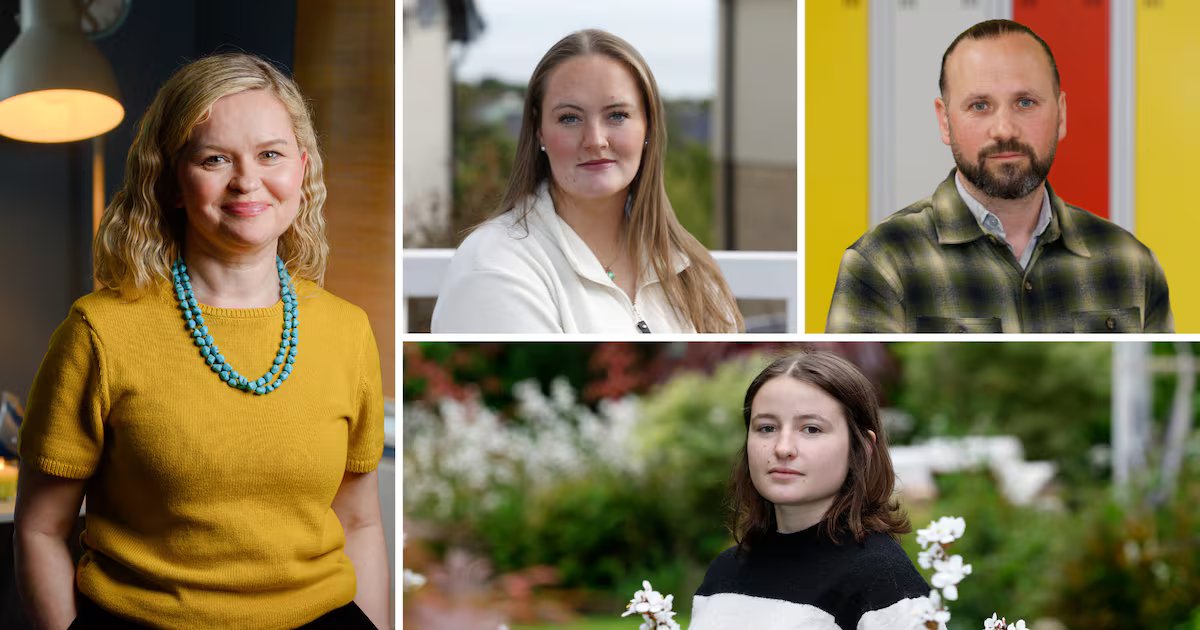
    Erin Lloyd, who is now 21, first saw sexually explicit imagery online before the age of 10. It was a video on YouTube. “From then on it just kept coming,” she says.

    She didn’t really understand and felt a “bit uncomfortable” when she first saw it.

    “Early secondary school I remember all [some of] the boys, it’d be funny to them. And they’d always show it. And they’d always talk about it.” Lloyd found the experiences “so dehumanising. It just made you feel just so worthless”.

    Sometimes in the younger teen years, links to pornographic material were shared in Snapchat groups, she says.

    Some of the imagery she saw in secondary school would have been considered “abusive”, she says. “Very male-dominant. The woman was never seen as a woman. Never seen as a human. Just seen as an object that men would talk down.” Lloyd noticed how viewing porn changed how her male friends spoke, “and that even developed into the way they talked to our teachers”.

    [ Ireland could require digital ID to access porn websitesOpens in new window ]

    “They’d even speak the same way to other people’s mums.” Lloyd felt overwhelmed with “embarrassment and complete kind of sadness” seeing the change in the boys’ behaviour. It put a strain on their friendships.

    Erin Lloyd. Photograph: Nick Bradshaw
    Erin Lloyd. Photograph: Nick Bradshaw

    She didn’t want to speak to her parents about it as she didn’t want her parents to think poorly of her friends.

    She feels people can’t just “pretend it doesn’t exist. Because it is everywhere”. It’s “so naive” to think children aren’t seeing it, she says.

    Guidance counsellor and social, personal and health education (SPHE) specialist Pam O’Leary says children can be exposed to sexual imagery or content from a very young age, sometimes in animated, cartoon-like form.

    “Parents have started only in the last year or two to understand that this is what’s happening,” she says. “You put your kid on a gaming app or Roblox, TikTok or Instagram and you think, it’s fine. They’re just looking at recipes, or games, or music, or things that they like.

    “Algorithms, even if they’re curated, there’s little elements that come in … vaguely sexualised content, and it kind of builds, especially with YouTube and things like that … They can really pretty much see most things, be it explicit language or explicit images. It does seep in, no matter what type of filters you put on it.”

    O’Leary, who with psychotherapist Richie Sadlier created Let’s Talk SPHE, an online teaching aid that schools can subscribe to for a fee says children can be exposed to pornographic content on smartphones, “sometimes violent, very misogynistic, no consent whatsoever. Very, very disturbing images from a young age.
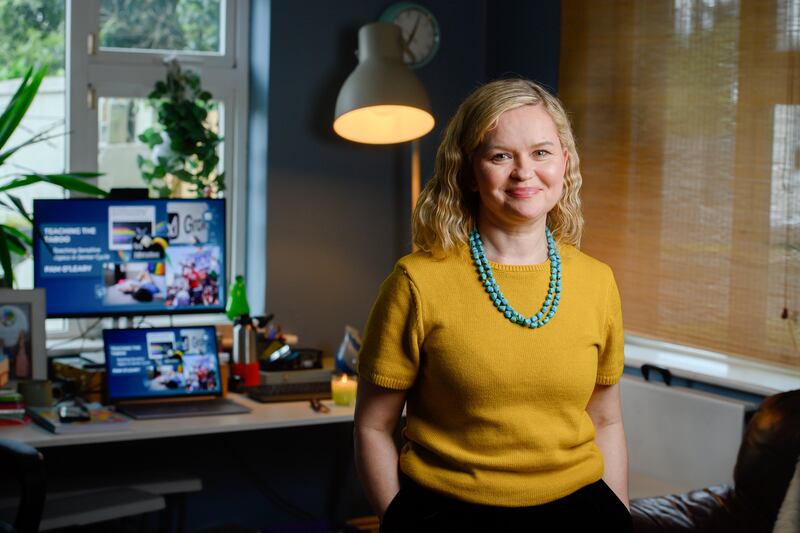
    Pam O’Leary of Let's Talk SPHE, in Cork. Photograph: Daragh Mc Sweeney/Provision
    Pam O’Leary of Let’s Talk SPHE, in Cork. Photograph: Daragh Mc Sweeney/Provision

    “They’re saying that it disturbed them, causes early sexualisation. It gives them unrealistic expectations of relationships. They’re telling us, aged 18, that they regret being on social media so young. That they wished they hadn’t got a phone aged nine or 10.”

    The fear of having their devices confiscated or taken away can prevent young people from reaching out to their parents, O’Leary says.

    She says seeking opportunities to discuss the topic of pornography with their children can be helpful for parents, such as picking up on news stories that might be relevant. Listening to young people is also vital. “I’m actually learning a lot from the young people, so they’re telling me, and so [it’s] more of a collaborative process,” she says.

    Secondary school teacher Eoghan Cleary is involved in Irish research on pornography use in Ireland and its impacts. He has been teaching a pornography literacy programme in Irish schools for 10 years.

    [ Strangulation porn: How it became mainstream and its distorting impact on Irish teenagersOpens in new window ]

    The programme is part of a wider discussion on gender stereotypes and gender expectations. “When we ask them what’s expected of their role of sexual interactions, the lists they make are so explicit and often violent.” Cleary says at this point he would ask the teenagers where they learned these expectations and inevitably the reply is porn.

    Young people “are being groomed to think that sex is sexually violent,” Cleary says. “On the worst end of it they’re conditioning themselves to require depictions of sexual violence to become sexually stimulated.”
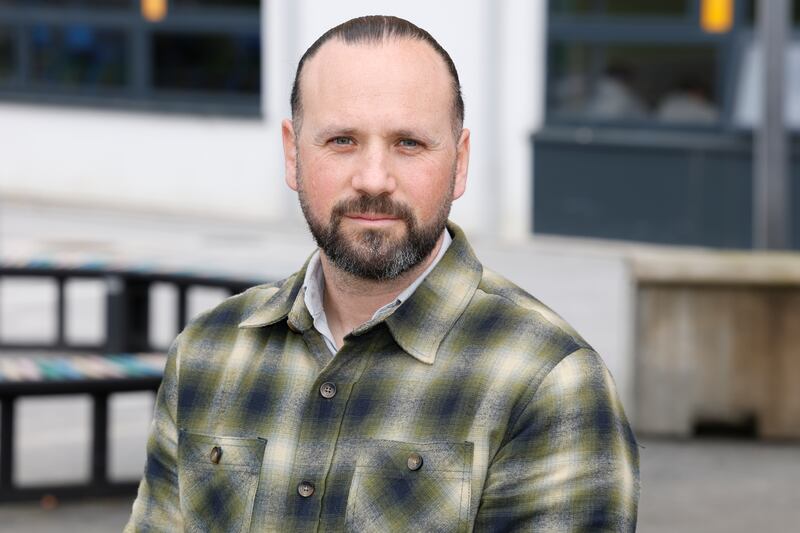
    Eoghan Cleary at Temple Carrig School, Greystones, Co Wicklow. Photograph: Nick Bradshaw
    Eoghan Cleary at Temple Carrig School, Greystones, Co Wicklow. Photograph: Nick Bradshaw

    Children are being exposed to explicit material “at such a young age that they’re not having a chance to develop,” he says. “Over half of the primary school population is exposed, before the majority of them have hit puberty. Before the majority of them have had their first sexual fantasy or had their first crush on somebody. Their first exposure to sex is one that makes them feel like it’s something that should be violent. And it’s ruining sex for them.”

    Children innocently playing games or watching tutorials or videos on social media platforms can find themselves brought to the “most explicit, most misogynistic, most violent pornography you can imagine”, he says.

    “They’ll be scrolling on YouTube through comments and it’ll say something like ‘if you want to be the best at this game’, or ‘if you want to see a football tutorial that your friends love, click on this link’. And instead of going to the football tutorial or the gaming tutorial, they’ll be brought to [a] … porn website.”

    He points also to sexual videos appearing in their social media feeds.

    Cleary has repeatedly heard from boys in classrooms that their understanding is they’re expected to be “dominant” in a sexual encounter. “Something I’ve seen coming up on the list with the girls … more recently is ‘expected to consent to everything whether you want to do it or not’.

    “The porn industry is grooming our boys to become the unwitting perpetrators of sexual violence and grooming our girls to submit to it,” he says.

    [ ‘No one talks about cocaine and porn together’: Men with dual addictions urged to seek helpOpens in new window ]

    Olivia Scott is 21 and got her first phone when she was 13, “which was late by the standards of her peers”, she says. Yet the first time she saw a sexually explicit image online was before she owned a phone. She saw it while at a sleepover with a group of girls. “They were just looking on Pornhub, scrolling through the page. Not watching anything but seeing enough stuff,” she says. They looked it up out of childhood “curiosity”.
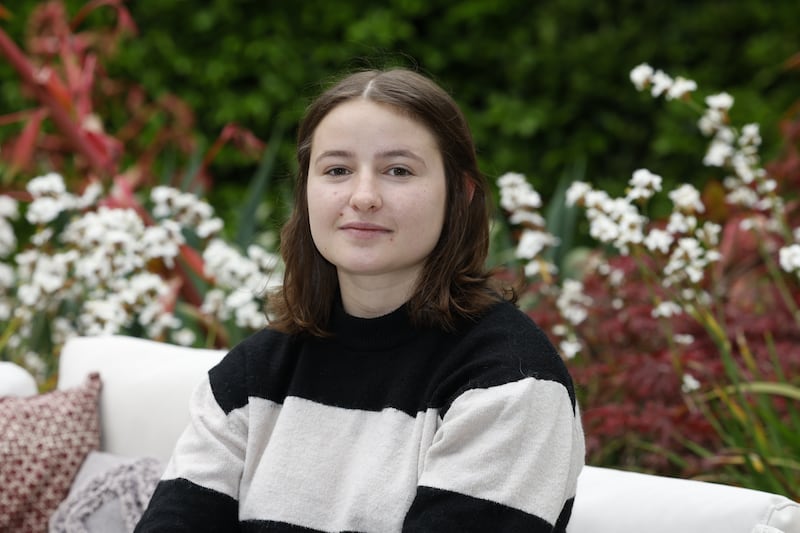
    Olivia Scott. Photograph: Nick Bradshaw
    Olivia Scott. Photograph: Nick Bradshaw

    She immediately felt she shouldn’t tell anyone. “It was a secret with the lights out, when we’re all supposed to be asleep, laughing. Thinking it’s funny when it’s not funny.” She explains reading the descriptions of the videos “which are horrific”.

    Scott didn’t understand what she was seeing. “They’re using specific, sexually charged terms, which I wouldn’t have had any idea what they meant.”

    Conversations about pornography cropped up in the playground, she says, which was enough to make children curious about “porn stars” and other things being discussed that they would look them up themselves.

    Some of the most upsetting videos Scott saw as a child were videos of a BDSM (bondage, discipline, sadism and masochism) nature, she says.

    Scott feels the material she was exposed to as a child altered her perspective significantly. “I feel in a lot of these videos women play a very specific submissive role which as a young adult figuring out sex definitely altered … what I thought was sexy almost,” she says. “Which is quite sad.

    “Prior to the porn takeover, I feel like both parties would have been going into [a first sexual experience] a little bit blind,” she continues. “Whereas I think after, a lot of people in my generation were exposed to porn so young, both parties and were going in with an intention to, like, act a certain way based on what they’d seen.

    “For girls, it’s being submissive and saying weird things that I don’t think they would say in any other contexts have they not seen it online, and for the boys, it’s coming in really strong, being very kind of aggressive.

    “I think it’s just what they think is expected, or what they think is sexy based on these videos.”

    Scott could speak to her parents openly about such matters growing up. “It was just very natural and nonaccusatory.” She feels many teenagers are lacking the “safe space” to discuss the things they’re seeing without fear of judgment or awkwardness.

    Carl [not his real name] is 20. The first time he saw sexually explicit material online was when he was in fifth class in primary school. A boy in his class showed it to him.

    “I definitely would have mentioned it to my parents,” he says, describing himself as a child who became easily stressed. His younger brother recently saw sexually explicit material online. “He was genuinely so freaked out. He felt gross after it,” Carl says. “He came home crying.” Carl’s brother doesn’t have his own phone.

    Carl looked up pornography online as a teenager. “Watching porn over the years, thinking these things are real, and it comes to the stage, really a bit older, [where]` you get your first girlfriend or you do have sex for the first time. And it’s completely different. It’s not enjoyable. It’s not what you think of it. You don’t know what you’re doing, That should be a special thing. But it’s not.”

    “I think for a lot of young boys that’s [pornography] been their sex education,” he says. Carl’s mother tried to prevent him from seeing unsuitable sexually explicit content as much as she could; he wasn’t allowed his phone in his room, which resulted in constant arguments, but she stood her ground. He wasn’t particularly interested in computer games. But he still saw the material she tried to shield him from.

    “Looking back, it is horrible, and it’s in every school. One of the lads would be like, ‘Oh, I got nudes off this girl’, and show you that … and they’d be showing it around and sending it around to the lads.”

    Some of the most upsetting images he saw growing up were “violent sex videos” that were very upsetting.

    “I genuinely think every boy [sees pornography],” Carl says. “It’s so easy to access.” Children and teenagers generally know how to get around any restrictions parents may attempt to put in place, he says.

    As a 20-year-old, he says he has made a conscious decision not to view porn any more.

    Porn and parenting: ‘There are no guardrails when you give someone a phone’
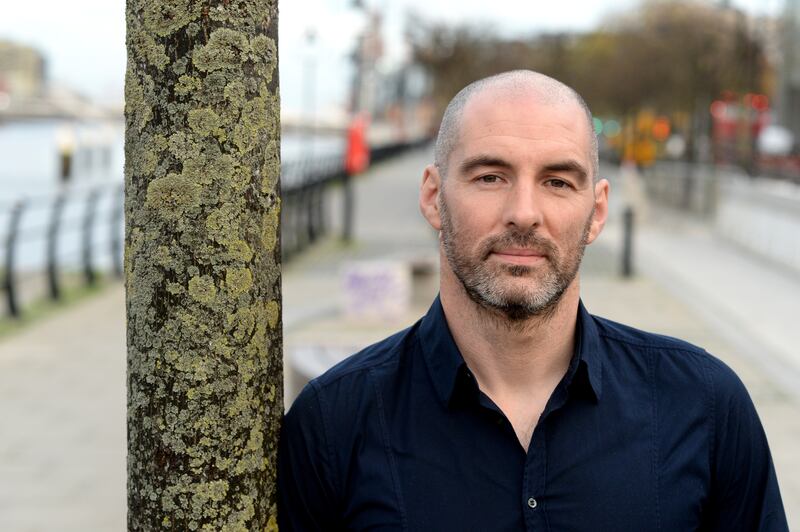
    Richie Sadlier. Photograph: Cyril Byrne
    Richie Sadlier. Photograph: Cyril Byrne

    No parent wants to think it, but it is “100 per cent” inevitable that a child is going to see sexually explicit material online, Richie Sadlier, psychotherapist and co-creator of the Let’s Talk SPHE (Social, Personal and Health Education) programme, says. “I heard it phrased recently: ‘When should you give your young person a phone?’ And the answer that most resonated with me was ‘Well, whenever you think they’re old enough to see porn’.”

    For some young people “they’re at a stage of life where they’re curious and excited to go looking for this material,” Sadlier says. “And for a lot of young people they’ll come across it without actively seeking it out. But I think a lot of parents maybe fail to appreciate just how explicit and violent and damaging some of the material is online now, that is freely available for young people to see, that is constantly circulating among young people from phone to phone and that is just a very prominent part of young people’s lives.”

    It’s appropriate for parents to give their children some space and privacy as they get older, Sadlier says. “Where that kind of bumps up against the real world though is, there are no guardrails when you give someone a phone.”

    So what should parents do if and when their children come across sexually explicit material online?

    It matters how conversations around images or pornography that children may have seen are framed, Sadlier says. Framing it as “a shameful pursuit or an embarrassing activity, or a conversation that is just unavoidably awkward and tense” means they are less likely to engage, he says.

    Sadlier, a former footballer and current World Cup pundit, presented a documentary titled Let’s Talk About Sex on RTÉ in 2023. “We polled the transition year group and I think the average age was eight, maybe nine, when they were first exposed to pornographic material.” The age, he says, is just one part of the story. What happened next is also important.

    “In some cases a parent might have found out and you get the opportunity to hear from an adult or to talk with an adult and to put into words what you just saw. And that can be quite supportive and positive and quite healthy,” he says.

    In some scenarios, however the reaction can be very different. “It might be a very emotional, strong, kind of judgmental and shame-based response. And there might be a punishment.” These kind of reactions can lead a young person to believe that being curious about sex “or wanting to look at sex, or wanting to talk about sex, it just doesn’t happen. And I’m a bad person for watching’,” he says.

    Parents need to acknowledge the world that teenagers live in “and help them to move in it. Rather than trying to completely undo any sexual development that is normal and appropriate in teenage lives.”

    “We can’t stop their friends sharing footage with them. We can’t monitor every conversation they have.”



    Source link

    Related Posts

    Caelan Doris and Tommy O’Brien ruled out of Ireland’s opening Nations Championship games – The Irish Times
    Ireland

    Caelan Doris and Tommy O’Brien ruled out of Ireland’s opening Nations Championship games – The Irish Times

    July 1, 2026
    How the lives of primary schoolchildren changed during and after Covid – The Irish Times
    Ireland

    How the lives of primary schoolchildren changed during and after Covid – The Irish Times

    July 1, 2026
    Andy Burnham’s Britain appears to be moving towards reality. What would it look like? – The Irish Times
    Ireland

    Andy Burnham’s Britain appears to be moving towards reality. What would it look like? – The Irish Times

    July 1, 2026
    Next Post

    weather

    POPULAR NEWS

    Presidential Council approves number of decisions despite Deputy Head Al-Koni’s objections

    Presidential Council approves number of decisions despite Deputy Head Al-Koni’s objections

    July 1, 2026
    Offshoring: how the World Bank wants to boost Morocco’s competitiveness

    Offshoring: how the World Bank wants to boost Morocco’s competitiveness

    July 1, 2026
    Argentina has the best chance of reaching the 2026 World Cup final

    Argentina has the best chance of reaching the 2026 World Cup final

    July 1, 2026
    I. Ruginienė after the shootings in the city of Štade: Lithuania is together with Germany

    I. Ruginienė after the shootings in the city of Štade: Lithuania is together with Germany

    July 1, 2026
    Young people are addicted to “Live” for the purpose of profit

    Young people are addicted to “Live” for the purpose of profit

    July 1, 2026

    EDITOR'S PICK

    “I’m still traumatized by this”: Everyone in Yugoslavia had this, and today it is in a museum in New York

    “I’m still traumatized by this”: Everyone in Yugoslavia had this, and today it is in a museum in New York

    July 1, 2026
    The US Supreme Court: Trump must pay $5 million in damages in the case of sexual harassment and defamation

    The US Supreme Court: Trump must pay $5 million in damages in the case of sexual harassment and defamation

    July 1, 2026
    Sahrawi civilian prisoners of the “Gdeim Izik” group begin a hunger strike in solidarity with their comrade Naama Asfari

    Sahrawi civilian prisoners of the “Gdeim Izik” group begin a hunger strike in solidarity with their comrade Naama Asfari

    July 1, 2026
    Al-Quds newspaper

    Al-Quds newspaper

    July 1, 2026

    Recent Posts

    • From corruption charges to quality certification: UDF’s reversal on labour contract society | India News
    • Second Constitutional Chamber ratifies Ositrán’s jurisdiction to supervise the Chancay Port Terminal
    • Milei facing the dangerous edge of a why
    • Promising Much to Many, Johnson Loses His Grip on the House

      © 2026 Agentially - Navigating shifting sovereignties and global risk .

      Welcome Back!

      Login to your account below

      Forgotten Password?

      Retrieve your password

      Please enter your username or email address to reset your password.

      Log In
      No Result
      View All Result
      • HOME
      • AMERICAS
        • Argentina
        • Brazil
        • Canada
        • Chile
        • Colombia
        • Costa Rica
        • Cuba
        • Dominican Republic
        • Ecuador
        • El Salvador
        • Greenland
        • Guatemala
        • Honduras
        • Mexico
        • Nicaragua
        • Panama
        • Paraguay
        • Peru
        • United States
        • Uruguay
        • Venezuela
      • ASIA-PACIFIC
        • Australia
        • Brunei Darussalam
        • Cambodia
        • China
        • Federated States of Micronesia
        • Fiji
        • Indonesia
        • Japan
        • Kiribati
        • Laos
        • Malaysia
        • Marshall Islands
        • Mongolia
        • Myanmar
        • Nauru
        • New Zealand
        • North Korea
        • Palau
        • Papua New Guinea
        • Philippines
        • Samoa
        • Singapore
        • Solomon Islands
        • South Korea
        • Taiwan
        • Thailand
        • Timor-Leste
        • Tonga
        • Tuvalu
        • Vanuatu
        • Vietnam
      • CARICOM
        • CARICOM – Non-English
          • Haiti
          • Suriname
        • CARICOM Associates
          • Anguilla
          • Bermuda
          • British-Virgin-Islands
          • Cayman-Islands
          • Curacao
          • Turks-and-Caicos
        • CARICOM English
          • Antigua and Barbuda
          • Barbados
          • Belize
          • Dominica
          • Grenada
          • Guyana
          • Jamaica
          • Montserrat
          • Saint Kitts and Nevis
          • Saint Lucia
          • Saint Vincent and the Grenadines
          • The Bahamas
          • Trinidad and Tobago
      • EURASIA
        • Armenia
        • Azerbaijan
        • Balarus
        • Georgia
        • Kazakhstan
        • Kyrgyzstan
        • Moldova
        • Russia
        • Tajikistan
        • Turkmenistan
        • Ukraine
        • Uzbekistan
      • EUROPE
        • Albania
        • Andorra
        • Austria
        • Bosnia and Herzegovina
        • Bulgaria
        • Croatia
        • Cyprus
        • Czech Republic
        • Denmark
        • Estonia
        • Finland
        • France
        • Germany
        • Greece
        • Holy See
        • Hungary
        • Iceland
        • Ireland
        • Italy
        • Kosovo
        • Latvia
        • Liechtenstein
        • Lithuania
        • Luxembourg
        • Malta
        • Monaco
        • Montenegro
        • Netherlands
        • North Macedonia
        • Norway
        • Poland
        • Portugal
        • Romania
        • San Marino
        • Serbia
        • Slovakia
        • Slovenia
        • Spain
        • Sweden
        • Switzerland
        • United Kingdom
      • MIDDLE EAST AND NORTH AFRICA
        • Algeria
        • Bahrain
        • Egypt
        • Iran
        • Iraq
        • Israel
        • Jordan
        • Kuwait
        • Lebanon
        • Lybia
        • Morocco
        • Oman
        • Palestinian Territories
        • Qatar
        • Saudi Arabia
        • Syria
        • Tunisia
        • Turkey
        • United Arab Emirates
        • Western Sahara
        • Yemen
      • SOUTH ASIA
        • Afghanistan
        • Bangladesh
        • Bhutan
        • India
        • Maldives
        • Nepal
        • Pakistan
        • Sri Lanka
      • SUB-SAHARAN AFRICA
        • Angola
        • Benin
        • Botswana
        • Burkina Faso
        • Burundi
        • Cabo Verde
        • Cameroon
        • Central African Republic
        • Chad
        • Comoros
        • Cote d’Ivoire
        • Democratic Republic of the Congo
        • Djibouti
        • Equatorial Guinea
        • Eritrea
        • Eswatini
        • Ethiopia
        • Gabon
        • Gambia
        • Ghana
        • Guinea
        • Guinea Bissau
        • Kenya
        • Lesotho
        • Liberia
        • Madagascar
        • Malawi
        • Mali
        • Mauritania
        • Mauritius
        • Mozambique
        • Namibia
        • Niger
        • Nigeria
        • Republic of the Congo
        • Rwanda
        • Sao Tome and Principe
        • Senegal
        • Seychelles
        • Sierra Leone
        • Somalia
        • South Africa
        • South Sudan
        • Sudan
        • Tanzania
        • Togo
        • Uganda
        • Zambia
        • Zimbabwe

      © 2026 Agentially - Navigating shifting sovereignties and global risk .

      This website uses cookies. By continuing to use this website you are giving consent to cookies being used. Visit our Privacy and Cookie Policy.