Monday, June 29, 2026
    The GeoStrategic Consensus
    No Result
    View All Result
    • Login
    • HOME
    • AMERICAS
      • Argentina
      • Brazil
      • Canada
      • Chile
      • Colombia
      • Costa Rica
      • Cuba
      • Dominican Republic
      • Ecuador
      • El Salvador
      • Greenland
      • Guatemala
      • Honduras
      • Mexico
      • Nicaragua
      • Panama
      • Paraguay
      • Peru
      • United States
      • Uruguay
      • Venezuela
    • ASIA-PACIFIC
      • Australia
      • Brunei Darussalam
      • Cambodia
      • China
      • Federated States of Micronesia
      • Fiji
      • Indonesia
      • Japan
      • Kiribati
      • Laos
      • Malaysia
      • Marshall Islands
      • Mongolia
      • Myanmar
      • Nauru
      • New Zealand
      • North Korea
      • Palau
      • Papua New Guinea
      • Philippines
      • Samoa
      • Singapore
      • Solomon Islands
      • South Korea
      • Taiwan
      • Thailand
      • Timor-Leste
      • Tonga
      • Tuvalu
      • Vanuatu
      • Vietnam
    • CARICOM
      • CARICOM – Non-English
        • Haiti
        • Suriname
      • CARICOM Associates
        • Anguilla
        • Bermuda
        • British-Virgin-Islands
        • Cayman-Islands
        • Curacao
        • Turks-and-Caicos
      • CARICOM English
        • Antigua and Barbuda
        • Barbados
        • Belize
        • Dominica
        • Grenada
        • Guyana
        • Jamaica
        • Montserrat
        • Saint Kitts and Nevis
        • Saint Lucia
        • Saint Vincent and the Grenadines
        • The Bahamas
        • Trinidad and Tobago
    • EURASIA
      • Armenia
      • Azerbaijan
      • Balarus
      • Georgia
      • Kazakhstan
      • Kyrgyzstan
      • Moldova
      • Russia
      • Tajikistan
      • Turkmenistan
      • Ukraine
      • Uzbekistan
    • EUROPE
      • Albania
      • Andorra
      • Austria
      • Bosnia and Herzegovina
      • Bulgaria
      • Croatia
      • Cyprus
      • Czech Republic
      • Denmark
      • Estonia
      • Finland
      • France
      • Germany
      • Greece
      • Holy See
      • Hungary
      • Iceland
      • Ireland
      • Italy
      • Kosovo
      • Latvia
      • Liechtenstein
      • Lithuania
      • Luxembourg
      • Malta
      • Monaco
      • Montenegro
      • Netherlands
      • North Macedonia
      • Norway
      • Poland
      • Portugal
      • Romania
      • San Marino
      • Serbia
      • Slovakia
      • Slovenia
      • Spain
      • Sweden
      • Switzerland
      • United Kingdom
    • MIDDLE EAST AND NORTH AFRICA
      • Algeria
      • Bahrain
      • Egypt
      • Iran
      • Iraq
      • Israel
      • Jordan
      • Kuwait
      • Lebanon
      • Lybia
      • Morocco
      • Oman
      • Palestinian Territories
      • Qatar
      • Saudi Arabia
      • Syria
      • Tunisia
      • Turkey
      • United Arab Emirates
      • Western Sahara
      • Yemen
    • SOUTH ASIA
      • Afghanistan
      • Bangladesh
      • Bhutan
      • India
      • Maldives
      • Nepal
      • Pakistan
      • Sri Lanka
    • SUB-SAHARAN AFRICA
      • Angola
      • Benin
      • Botswana
      • Burkina Faso
      • Burundi
      • Cabo Verde
      • Cameroon
      • Central African Republic
      • Chad
      • Comoros
      • Cote d’Ivoire
      • Democratic Republic of the Congo
      • Djibouti
      • Equatorial Guinea
      • Eritrea
      • Eswatini
      • Ethiopia
      • Gabon
      • Gambia
      • Ghana
      • Guinea
      • Guinea Bissau
      • Kenya
      • Lesotho
      • Liberia
      • Madagascar
      • Malawi
      • Mali
      • Mauritania
      • Mauritius
      • Mozambique
      • Namibia
      • Niger
      • Nigeria
      • Republic of the Congo
      • Rwanda
      • Sao Tome and Principe
      • Senegal
      • Seychelles
      • Sierra Leone
      • Somalia
      • South Africa
      • South Sudan
      • Sudan
      • Tanzania
      • Togo
      • Uganda
      • Zambia
      • Zimbabwe
    • HOME
    • AMERICAS
      • Argentina
      • Brazil
      • Canada
      • Chile
      • Colombia
      • Costa Rica
      • Cuba
      • Dominican Republic
      • Ecuador
      • El Salvador
      • Greenland
      • Guatemala
      • Honduras
      • Mexico
      • Nicaragua
      • Panama
      • Paraguay
      • Peru
      • United States
      • Uruguay
      • Venezuela
    • ASIA-PACIFIC
      • Australia
      • Brunei Darussalam
      • Cambodia
      • China
      • Federated States of Micronesia
      • Fiji
      • Indonesia
      • Japan
      • Kiribati
      • Laos
      • Malaysia
      • Marshall Islands
      • Mongolia
      • Myanmar
      • Nauru
      • New Zealand
      • North Korea
      • Palau
      • Papua New Guinea
      • Philippines
      • Samoa
      • Singapore
      • Solomon Islands
      • South Korea
      • Taiwan
      • Thailand
      • Timor-Leste
      • Tonga
      • Tuvalu
      • Vanuatu
      • Vietnam
    • CARICOM
      • CARICOM – Non-English
        • Haiti
        • Suriname
      • CARICOM Associates
        • Anguilla
        • Bermuda
        • British-Virgin-Islands
        • Cayman-Islands
        • Curacao
        • Turks-and-Caicos
      • CARICOM English
        • Antigua and Barbuda
        • Barbados
        • Belize
        • Dominica
        • Grenada
        • Guyana
        • Jamaica
        • Montserrat
        • Saint Kitts and Nevis
        • Saint Lucia
        • Saint Vincent and the Grenadines
        • The Bahamas
        • Trinidad and Tobago
    • EURASIA
      • Armenia
      • Azerbaijan
      • Balarus
      • Georgia
      • Kazakhstan
      • Kyrgyzstan
      • Moldova
      • Russia
      • Tajikistan
      • Turkmenistan
      • Ukraine
      • Uzbekistan
    • EUROPE
      • Albania
      • Andorra
      • Austria
      • Bosnia and Herzegovina
      • Bulgaria
      • Croatia
      • Cyprus
      • Czech Republic
      • Denmark
      • Estonia
      • Finland
      • France
      • Germany
      • Greece
      • Holy See
      • Hungary
      • Iceland
      • Ireland
      • Italy
      • Kosovo
      • Latvia
      • Liechtenstein
      • Lithuania
      • Luxembourg
      • Malta
      • Monaco
      • Montenegro
      • Netherlands
      • North Macedonia
      • Norway
      • Poland
      • Portugal
      • Romania
      • San Marino
      • Serbia
      • Slovakia
      • Slovenia
      • Spain
      • Sweden
      • Switzerland
      • United Kingdom
    • MIDDLE EAST AND NORTH AFRICA
      • Algeria
      • Bahrain
      • Egypt
      • Iran
      • Iraq
      • Israel
      • Jordan
      • Kuwait
      • Lebanon
      • Lybia
      • Morocco
      • Oman
      • Palestinian Territories
      • Qatar
      • Saudi Arabia
      • Syria
      • Tunisia
      • Turkey
      • United Arab Emirates
      • Western Sahara
      • Yemen
    • SOUTH ASIA
      • Afghanistan
      • Bangladesh
      • Bhutan
      • India
      • Maldives
      • Nepal
      • Pakistan
      • Sri Lanka
    • SUB-SAHARAN AFRICA
      • Angola
      • Benin
      • Botswana
      • Burkina Faso
      • Burundi
      • Cabo Verde
      • Cameroon
      • Central African Republic
      • Chad
      • Comoros
      • Cote d’Ivoire
      • Democratic Republic of the Congo
      • Djibouti
      • Equatorial Guinea
      • Eritrea
      • Eswatini
      • Ethiopia
      • Gabon
      • Gambia
      • Ghana
      • Guinea
      • Guinea Bissau
      • Kenya
      • Lesotho
      • Liberia
      • Madagascar
      • Malawi
      • Mali
      • Mauritania
      • Mauritius
      • Mozambique
      • Namibia
      • Niger
      • Nigeria
      • Republic of the Congo
      • Rwanda
      • Sao Tome and Principe
      • Senegal
      • Seychelles
      • Sierra Leone
      • Somalia
      • South Africa
      • South Sudan
      • Sudan
      • Tanzania
      • Togo
      • Uganda
      • Zambia
      • Zimbabwe
    No Result
    View All Result
    Agentially
    No Result
    View All Result
    Home EURASIA Tajikistan

    Central Asia is connecting energy systems again. This is an opportunity and a test for Tajikistan

    The Analyst by The Analyst
    June 29, 2026
    in Tajikistan
    Central Asia is connecting energy systems again. This is an opportunity and a test for Tajikistan


    Asian Development Bank President Masato Kanda called on Asian countries to more actively integrate energy systems and develop cross-border trade in electricity. According to him, no country can cope alone in matters of energy security.

    READ ALSO

    The Tajikistan Football Cup is at the finish line: the dates for the quarterfinals have become known

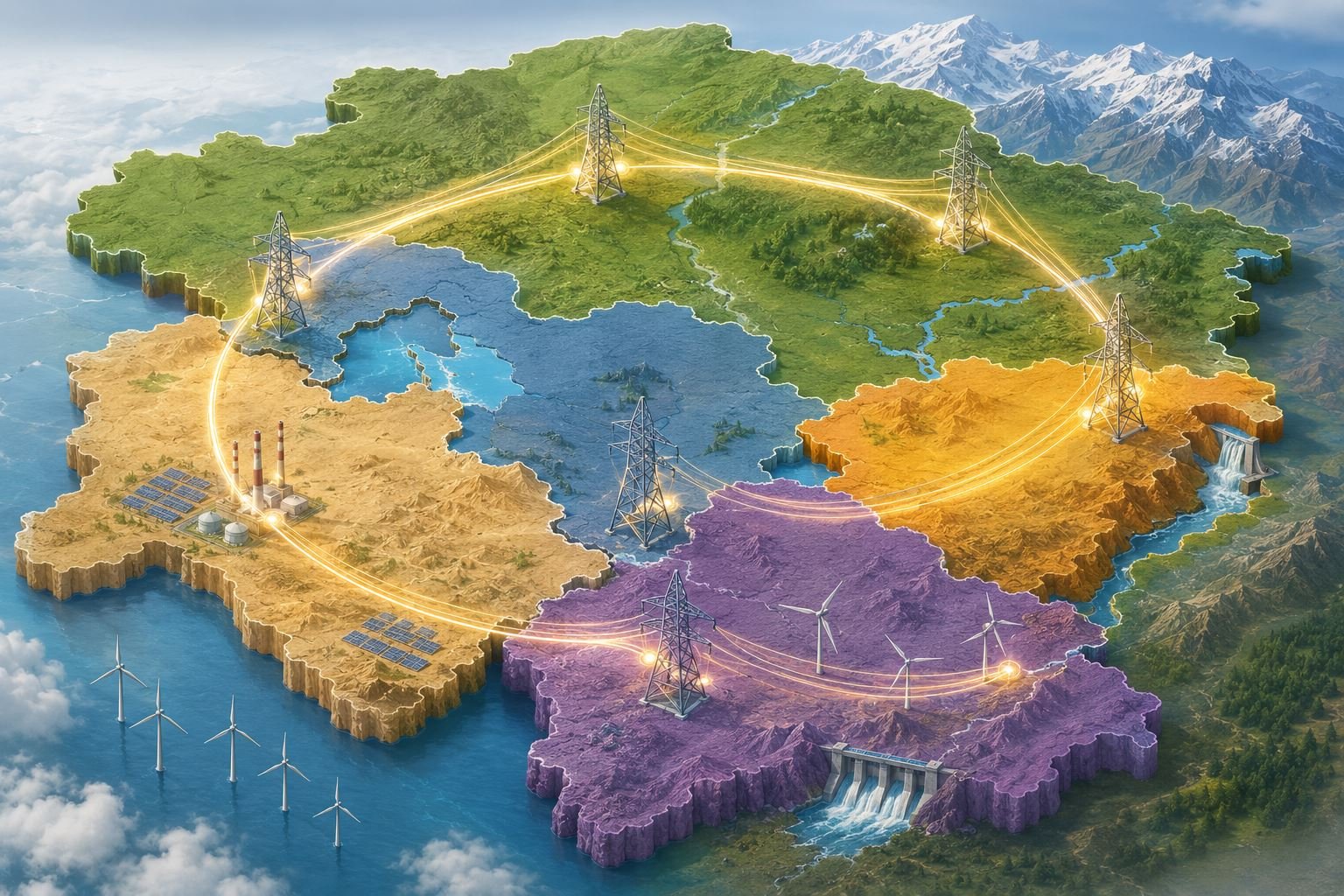
    This call is especially relevant for Central Asia. The region already had a common energy system, known as the Central Asian Energy Ring. Today, countries are returning to this idea again, and Tajikistan is gradually restoring connections with the unified energy system.

    ADB bets on cross-border energy

    Masato Kanda declared the need interconnect energy systems at the Asian Clean Energy Forum 2026 in Manila. According to the ADB chief, delay could lead to higher energy prices, slower economic growth and missed opportunities for millions of people.

    Against this backdrop, ADB is promoting the Pan-Asian Energy Network Initiative – PAGI. Its goal is to connect national and regional energy systems and move from individual interstate projects to more coordinated electricity trade.

    PAGI is expected to raise $50 billion by 2035. The initiative should help connect 22,000 km of transmission lines, integrate 20 GW of renewable energy, reduce energy sector emissions and create hundreds of thousands of jobs.

    Energy Ring of Central Asia: old idea, new challenges

    The idea of ​​interconnecting energy systems for Central Asia is not new. As energy specialist Khamidjon Arifov reminds, back in Soviet times, the United Energy System of Central Asia, or the Central Asian Energy Ring, existed in the region. It united Kazakhstan, Kyrgyzstan, Tajikistan, Turkmenistan and Uzbekistan.

    According to Arifov, the system worked through mutual complementarity. Kyrgyzstan and Tajikistan relied on hydropower, while Kazakhstan, Uzbekistan and Turkmenistan relied on thermal generation, gas and coal. In the summer, upstream countries generated more electricity from water, and in the winter they could receive support from their neighbors.

    IN EDB report “Central Asian Energy: Energy Sector Modernization and Energy Transition” also notes that during the Soviet period, the work of generation and reservoirs was coordinated by a dispatch office from Tashkent. After the collapse of the USSR, this pattern was disrupted: countries began to build their own energy security, and joint management of water and energy resources weakened.

    Generated illustration

    Today the region is returning to integration again. According to the EDB, this is being driven by growing demand for electricity, deterioration of infrastructure and the need to integrate renewable energy sources. Chairman of the Board of the EDB Nikolay Podguzov notes that the expansion cross-border connections can reduce systemic risks, smooth out seasonal differences and attract investment.

    Tajikistan in the energy ring: the south is already connected, the north is on the way

    Tajikistan has already begun its return to the unified energy system of Central Asia. Minister of Energy and Water Resources Daler Juma previously statedthat the southwestern part of the country’s power grid was connected to a unified system in June 2024. Connection of the northern region is planned to be completed in the first half of 2026.

    According to the minister, the integration of Tajikistan’s energy system into the unified energy system of Central Asia remains one of the priorities. This should improve the reliability of energy supply and expand opportunities for energy exchange with neighboring countries.

    In parallel, Tajikistan is developing export projects. One of them is CASA-1000, which should connect Tajikistan and Kyrgyzstan with Afghanistan and Pakistan. Daler Juma noted that the Tajik and Kyrgyz parts of the line have already been put into operation.

    The Rogun hydroelectric power station is of particular importance. Juma called it a key project for the country’s future energy balance. But along with export opportunities, the main question arises: how to combine electricity supplies abroad with the growing domestic demand of Tajikistan itself?

    Arifov: “The energy ring is a big responsibility”

    Energy specialist Khamidjon Arifov generally supports the idea of ​​unifying energy systems. In his opinion, if ADB’s proposals are implemented “thoughtfully” and “specifically,” they can have a positive effect.

    But, Arifov emphasizes, the energy ring is not only an opportunity to sell and buy electricity. This is a big technological responsibility.

    An interconnected power grid can not only help countries, but also spread accidents. If a major failure occurs in one part of the system, it can affect neighbors. This is especially dangerous with old networks, worn-out substations and a lack of automatic protection.

    As an example, Arifov cites a major accident in the energy system of Tajikistan during work at the Regar substation, when the shutdown of a large load affected the operation of the Nurek hydroelectric station.

    Illustrative photo: RIA Novosti

    It also recalls the winter of 2007-2008, when a sharp increase in consumption and unauthorized withdrawals of electricity complicated the work of the regional system.

    In his opinion, before being fully included in the unified system, countries must modernize power plants, substations and power transmission lines. Technical protection mechanisms are also needed: if an accident occurs somewhere, the system must automatically localize it so that the failure does not drag down all participants.

    A separate risk is associated with water. Arifov believes that energy integration should not be built “through one gate.” If countries talk about market relations in the electricity sector, it is necessary to discuss compensation mechanisms for the use of water resources, as well as stimulate water conservation in downstream countries.

    For Tajikistan, Arifov believes, it is important to calculate in advance how much electricity the country can export without compromising domestic consumption. Exports through CASA-1000, supplies to neighbors and future output from the Rogun hydropower plant should not undermine industrialization programs and domestic energy supplies.

    EDB: the energy ring will not work without grid modernization

    The Eurasian Development Bank’s report “Energy in Central Asia: Energy Sector Modernization and Energy Transition” also emphasizes that Central Asia needs regional integration not only for energy trade, but also for the sustainability of the entire system.

    According to the EDB, the demand for electricity in Central Asia may grow by about 40% by 2030, from 270 to 370 billion kWh. At the same time, infrastructure remains one of the main problems: in some countries, up to 70% of electrical networks and thermal power plants have exhausted their resources, and losses during the transmission and distribution of electricity reach 15–20%.

    For Tajikistan, the report highlights three key features.

    First – almost complete dependence on hydropower. This gives the country low-carbon generation, but leaves the system vulnerable to water shortages. In dry years, especially in winter, hydroelectric power production decreases and the country may face electricity shortages.

    Second — high losses in networks. According to the report, in 2024, losses in the transmission and distribution of electricity in Tajikistan amounted to 20%, or about 4.5 billion kWh. This is one of the highest indicators in the region.

    Third — the need for diversification. Tajikistan has approved the “10/10/10/10” concept by 2030: 10 GW of installed capacity, 10 billion kWh of exports, reduction of losses to 10% and 10% of generation from alternative sources.

    Spillway at Nurek hydroelectric power station. Photo: asia+

    The main increase in capacity should come from the completion of the Rogun hydroelectric power station, the construction of new hydroelectric power stations, the reconstruction of existing stations, as well as the commissioning of solar and wind power.

    The EDB proposes a “middle path” for the region: not a sharp abandonment of traditional energy and not the preservation of the old model, but the modernization of existing plants, the development of renewable energy sources, energy storage, digital control, reserve capacities and regional integration.

    Networks, water and market: what prevents full integration

    The main obstacle is worn-out infrastructure. The EDB report states that up to 70% of networks and thermal power plants in some countries in the region have exhausted their resources, and losses in the transmission and distribution of electricity reach 15–20%. Therefore, for full integration, modernized lines, substations, automation and dispatch systems are needed.

    Khamidjon Arifov insists on this. In an interconnected power grid, a failure in one part can affect neighbors if networks, stations and protection systems are not prepared to operate in parallel, he said.

    The second barrier is water. For Tajikistan and Kyrgyzstan, water is linked to electricity generation, especially in winter. For downstream countries it is critically important in the summer – for irrigation. The EDB emphasizes that a balance of interests in energy and irrigation is impossible without interstate agreements on water and energy resources.

    The third obstacle is the lack of a full-fledged regional market. Connecting power lines is not enough. Countries need to agree on trading rules, network access, reserve allocation, balance sheet responsibilities and emergency situations. The EDB report names a regional electricity market, joint reserves, regulatory coordination and markets for capacity, reserves and ancillary services among the necessary solutions.

    There are other difficulties: different tariff approaches, subsidies and regulatory rules, lack of spare capacity and political sensitivity of water and energy agreements. Therefore, the energy ring is not only a technical project, but also a matter of trust, rules and long-term commitments between the countries of the region.

    Generated image

    What will the energy ring give to the region and Tajikistan?

    Grid interconnection could help Central Asian countries better balance seasonal differences. Tajikistan and Kyrgyzstan will be able to export excess hydropower in the summer, and in the winter they will be able to receive support from their neighbors with thermal and gas generation.

    For Tajikistan, this means new opportunities: increased summer electricity exports, more efficient use of the potential of the Rogun hydroelectric power station and participation in the future regional market.

    This is indicated by Daler Juma’s statements about the country’s return to the unified energy system, plans to export part of Rogun’s generation, as well as the World Bank’s REMIT program to create a regional electricity market.

    The bank estimates that closer energy integration could bring up to $15 billion in benefits to Central Asia by 2050.

    But the benefit will depend on the conditions. The EDB report highlights the need to modernize networks, reduce losses, develop reserves and transparent trading rules. Khamidjon Arifov warns once again: the effect of unification will only be when networks, stations and protection systems are ready for parallel operation. Separately, in his opinion, it is necessary to discuss the water factor, compensation for the use of water resources and risks for Tajikistan’s internal energy supply.

    Therefore, the main question today is not whether energy systems need to be interconnected. The question is under what conditions this unification will be safe, beneficial and fair for all countries in the region.




    Source link

    Related Posts

    The Tajikistan Football Cup is at the finish line: the dates for the quarterfinals have become known
    Tajikistan

    The Tajikistan Football Cup is at the finish line: the dates for the quarterfinals have become known

    June 29, 2026
    Next Post
    Why resisting Trump has galvanized Black Democrats as the midterms approach

    Why resisting Trump has galvanized Black Democrats as the midterms approach

    POPULAR NEWS

    Argentina unveils world’s tallest statue of Lionel Messi

    Argentina unveils world’s tallest statue of Lionel Messi

    June 29, 2026
    Special programs of the World Cup are at the top of the audience’s attention

    Special programs of the World Cup are at the top of the audience’s attention

    June 29, 2026

    What do foreigners need to know about buying a home in Denmark?

    June 29, 2026
    A tip from the doctor’s room

    A tip from the doctor’s room

    June 29, 2026
    Petra…Prince Hussein’s initiatives have strengthened Jordan’s tourism presence

    Petra…Prince Hussein’s initiatives have strengthened Jordan’s tourism presence

    June 29, 2026

    EDITOR'S PICK

    Third temperature record in three days – 41.7 degrees in Brandenburg

    June 29, 2026
    Socceroos v Paraguay as it happened: Australia through to FIFA World Cup Round of 32 knockout after draw with Paraguay

    Socceroos v Paraguay as it happened: Australia through to FIFA World Cup Round of 32 knockout after draw with Paraguay

    June 29, 2026
    Hezbollah’s new weapon is a headache for the Israeli army: the IDF does not know how to stop it

    Hezbollah’s new weapon is a headache for the Israeli army: the IDF does not know how to stop it

    June 29, 2026
    Iran’s first reaction to the statement of the US Department of State and the Persian Gulf Council

    Iran’s first reaction to the statement of the US Department of State and the Persian Gulf Council

    June 29, 2026

    Recent Posts

    • A tip from the doctor’s room
    • Petra…Prince Hussein’s initiatives have strengthened Jordan’s tourism presence
    • Lebanese General Security extends departure facilities for Syrians and Palestinians in Lebanon
    • Al-Quds newspaper

      © 2026 Agentially - Navigating shifting sovereignties and global risk .

      Welcome Back!

      Login to your account below

      Forgotten Password?

      Retrieve your password

      Please enter your username or email address to reset your password.

      Log In
      No Result
      View All Result
      • HOME
      • AMERICAS
        • Argentina
        • Brazil
        • Canada
        • Chile
        • Colombia
        • Costa Rica
        • Cuba
        • Dominican Republic
        • Ecuador
        • El Salvador
        • Greenland
        • Guatemala
        • Honduras
        • Mexico
        • Nicaragua
        • Panama
        • Paraguay
        • Peru
        • United States
        • Uruguay
        • Venezuela
      • ASIA-PACIFIC
        • Australia
        • Brunei Darussalam
        • Cambodia
        • China
        • Federated States of Micronesia
        • Fiji
        • Indonesia
        • Japan
        • Kiribati
        • Laos
        • Malaysia
        • Marshall Islands
        • Mongolia
        • Myanmar
        • Nauru
        • New Zealand
        • North Korea
        • Palau
        • Papua New Guinea
        • Philippines
        • Samoa
        • Singapore
        • Solomon Islands
        • South Korea
        • Taiwan
        • Thailand
        • Timor-Leste
        • Tonga
        • Tuvalu
        • Vanuatu
        • Vietnam
      • CARICOM
        • CARICOM – Non-English
          • Haiti
          • Suriname
        • CARICOM Associates
          • Anguilla
          • Bermuda
          • British-Virgin-Islands
          • Cayman-Islands
          • Curacao
          • Turks-and-Caicos
        • CARICOM English
          • Antigua and Barbuda
          • Barbados
          • Belize
          • Dominica
          • Grenada
          • Guyana
          • Jamaica
          • Montserrat
          • Saint Kitts and Nevis
          • Saint Lucia
          • Saint Vincent and the Grenadines
          • The Bahamas
          • Trinidad and Tobago
      • EURASIA
        • Armenia
        • Azerbaijan
        • Balarus
        • Georgia
        • Kazakhstan
        • Kyrgyzstan
        • Moldova
        • Russia
        • Tajikistan
        • Turkmenistan
        • Ukraine
        • Uzbekistan
      • EUROPE
        • Albania
        • Andorra
        • Austria
        • Bosnia and Herzegovina
        • Bulgaria
        • Croatia
        • Cyprus
        • Czech Republic
        • Denmark
        • Estonia
        • Finland
        • France
        • Germany
        • Greece
        • Holy See
        • Hungary
        • Iceland
        • Ireland
        • Italy
        • Kosovo
        • Latvia
        • Liechtenstein
        • Lithuania
        • Luxembourg
        • Malta
        • Monaco
        • Montenegro
        • Netherlands
        • North Macedonia
        • Norway
        • Poland
        • Portugal
        • Romania
        • San Marino
        • Serbia
        • Slovakia
        • Slovenia
        • Spain
        • Sweden
        • Switzerland
        • United Kingdom
      • MIDDLE EAST AND NORTH AFRICA
        • Algeria
        • Bahrain
        • Egypt
        • Iran
        • Iraq
        • Israel
        • Jordan
        • Kuwait
        • Lebanon
        • Lybia
        • Morocco
        • Oman
        • Palestinian Territories
        • Qatar
        • Saudi Arabia
        • Syria
        • Tunisia
        • Turkey
        • United Arab Emirates
        • Western Sahara
        • Yemen
      • SOUTH ASIA
        • Afghanistan
        • Bangladesh
        • Bhutan
        • India
        • Maldives
        • Nepal
        • Pakistan
        • Sri Lanka
      • SUB-SAHARAN AFRICA
        • Angola
        • Benin
        • Botswana
        • Burkina Faso
        • Burundi
        • Cabo Verde
        • Cameroon
        • Central African Republic
        • Chad
        • Comoros
        • Cote d’Ivoire
        • Democratic Republic of the Congo
        • Djibouti
        • Equatorial Guinea
        • Eritrea
        • Eswatini
        • Ethiopia
        • Gabon
        • Gambia
        • Ghana
        • Guinea
        • Guinea Bissau
        • Kenya
        • Lesotho
        • Liberia
        • Madagascar
        • Malawi
        • Mali
        • Mauritania
        • Mauritius
        • Mozambique
        • Namibia
        • Niger
        • Nigeria
        • Republic of the Congo
        • Rwanda
        • Sao Tome and Principe
        • Senegal
        • Seychelles
        • Sierra Leone
        • Somalia
        • South Africa
        • South Sudan
        • Sudan
        • Tanzania
        • Togo
        • Uganda
        • Zambia
        • Zimbabwe

      © 2026 Agentially - Navigating shifting sovereignties and global risk .

      This website uses cookies. By continuing to use this website you are giving consent to cookies being used. Visit our Privacy and Cookie Policy.