-
From:
Associated Press

-
Translated by: Edona Binaku

- June 25, 2026 11:00 am
- Share to:
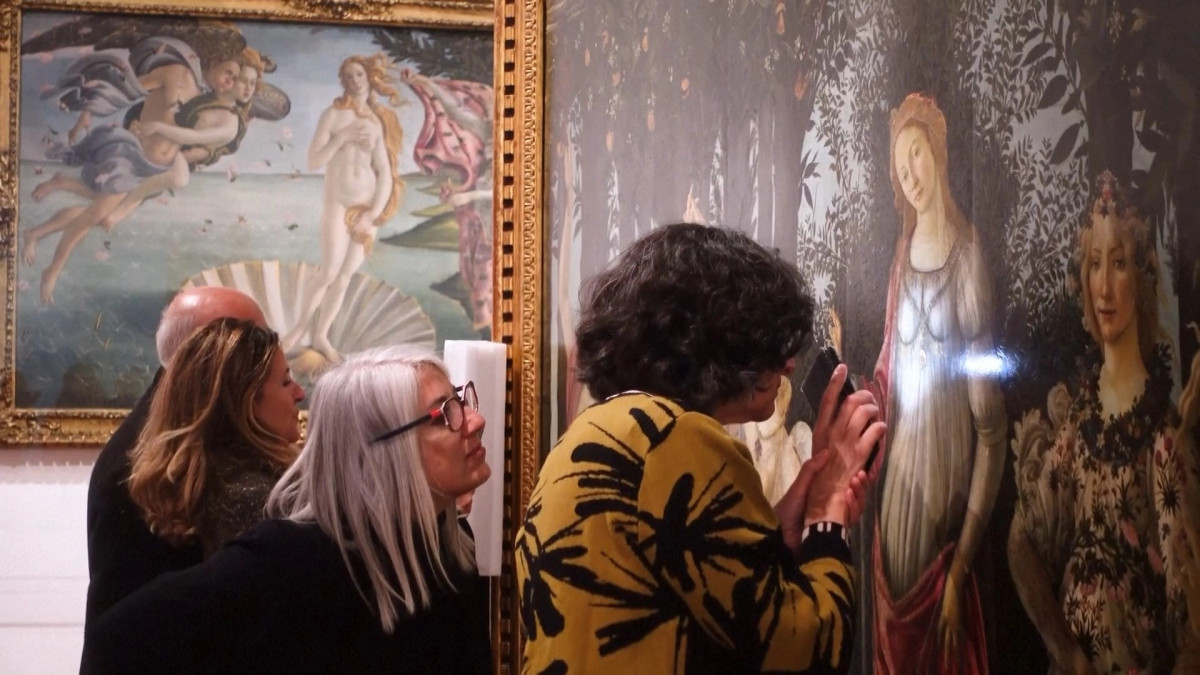
The works of Sandro Botticelli, “Birth of Venus” and “Primavera”, have been repositioned in the famous “Uffizi” museum in Florence. This is the latest step in efforts to change the way visitors experience two of the most famous Italian Renaissance masterpieces. A step like this marks a new phase in the ongoing renovation of the museum
Some big changes have recently been made to Italy’s most visited museum. From last week, visitors will be able to see Botticelli’s masterpiece, Birth of Venus, in one room and then return to see the work Primavera in an adjacent space, on the opposite wall.
The update by Uffizi art museum director Simone Verde, who took over in January 2024, marks a new phase in the museum’s ongoing renovation.
“The redesign of the museum, beyond the Botticelli rooms, is continuing with various projects that are currently underway in other parts of the second floor of the museum. In the future, these efforts will bring sections completely renovated and rethought along the same principles as these rooms dedicated to Botticelli, which aim to present to visitors the ‘Uffizi’ of the future, at the same time staying grounded and deeply rooted in this history extraordinary museum”, he said.
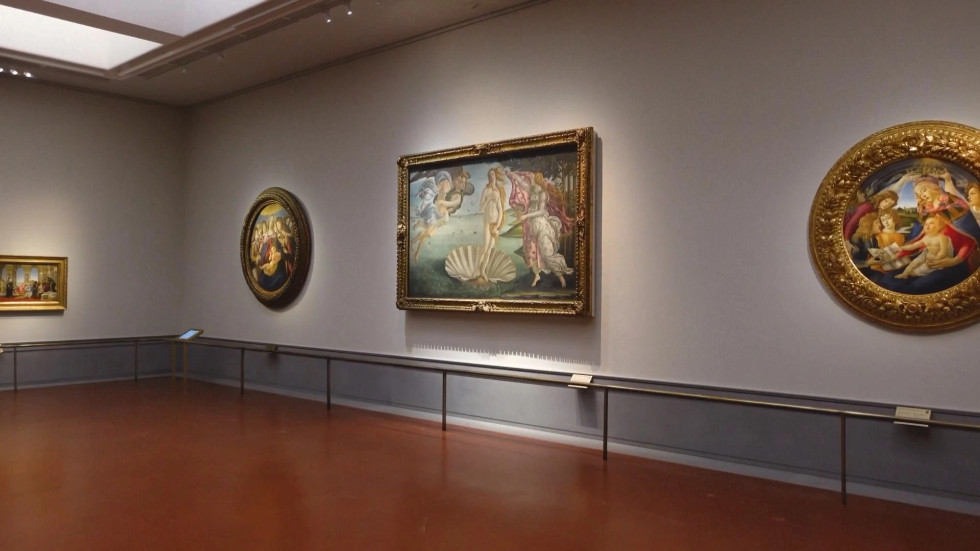
Verde has also said that two of Botticelli’s iconic paintings have had their protective glass removed.
“The reorganization of the Botticelli rooms is an important event because it marks the first reorganization completed on the second floor of the museum. There are many fundamental changes. The first is a return to the classical and historical museography of the ‘Uffizi’, with this stone plinth that existed until the beginning of the last century. Another innovation is the installation of digital screens in the gallery, which explain the details, history and iconography of some of the main works and, through them, the artistic and historical journey of Botticelli, especially in relation to these galleries. Also, there is now the possibility that Botticelli’s iconic works, ‘Primaverra’ and ‘Birth of Venus’, will be presented without protective screens or glass, thus rediscovering their original identity as paintings,” he said.
Recently, “Birth of Venus” and “Primavera” were displayed on adjacent walls, allowing visitors to see both paintings simultaneously.
In previous decades, they were hung on opposite walls within the same hall, which contributed to overcrowding of visitors and made the experience of viewing the masterpieces more difficult.