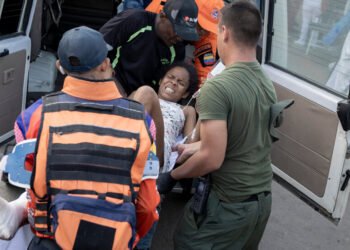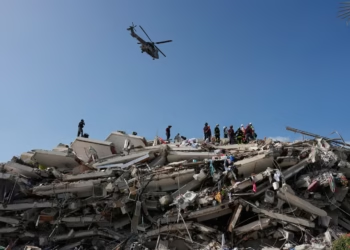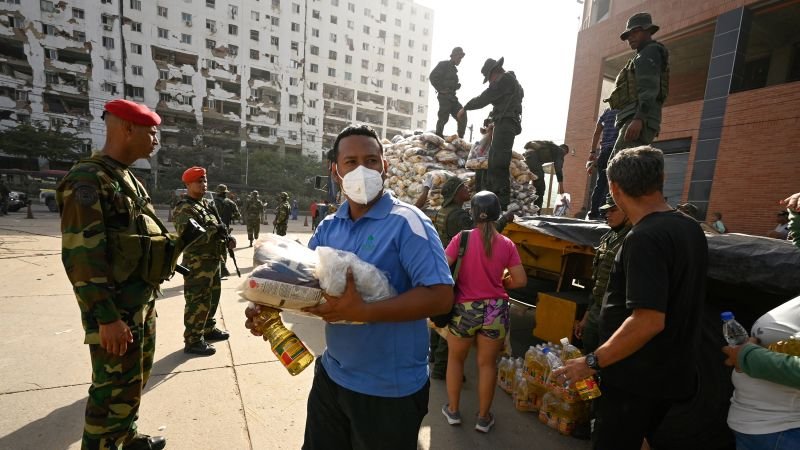

The rescue effort in Venezuela will reach a grim inflection point tonight. As of this evening, 72 hours will have passed since the two deadly earthquakes on Wednesday – a critical window for rescuing those still trapped under rubble.
After three days, the chances of someone surviving without water decrease rapidly. However, some studies indicate that many rescues of survivors can still take place within the first five or six days following a disaster.
David Emmanuel Villa Tejeda, who is in Caracas with the Mexican rescue team Los Topos, or Moles, said the situation on the ground is “difficult” since the damaged buildings are very tall and there are so many to search.
“It’s difficult because the earthquakes came one after another, and weren’t very deep,” Villa Tejeda told journalists accompanying the rescue efforts in Venezuela, “That’s what caused so many buildings to fall.”
The outlook is negative, at least in the building where he was working in the capital. He said that, because of the way the structure collapsed, “it’s becoming very difficult to find them alive.”
Nonetheless, Tejeda is holding on to hope. His team has been in situations where “we’ve pulled out people after 10 days, under the rubble, still alive.”
Loyce Pace, the Red Cross’ Regional Director for the Americas, told CNN that the frequent aftershocks following the earthquakes are affecting the rescue efforts for survivors trapped in collapsed buildings.
“I don’t know if people are aware of how constant this threat has been,” said Pace. A Venezuelan official said earlier Saturday that there have been at least 430 successive aftershocks since the two major earthquakes.
“There are continuous tremors every time I talk on the phone with my team there,” Pace continued. “It is something quite constant and quite frightening. This means our teams must be very careful when entering these communities to assess the damage or provide services.”