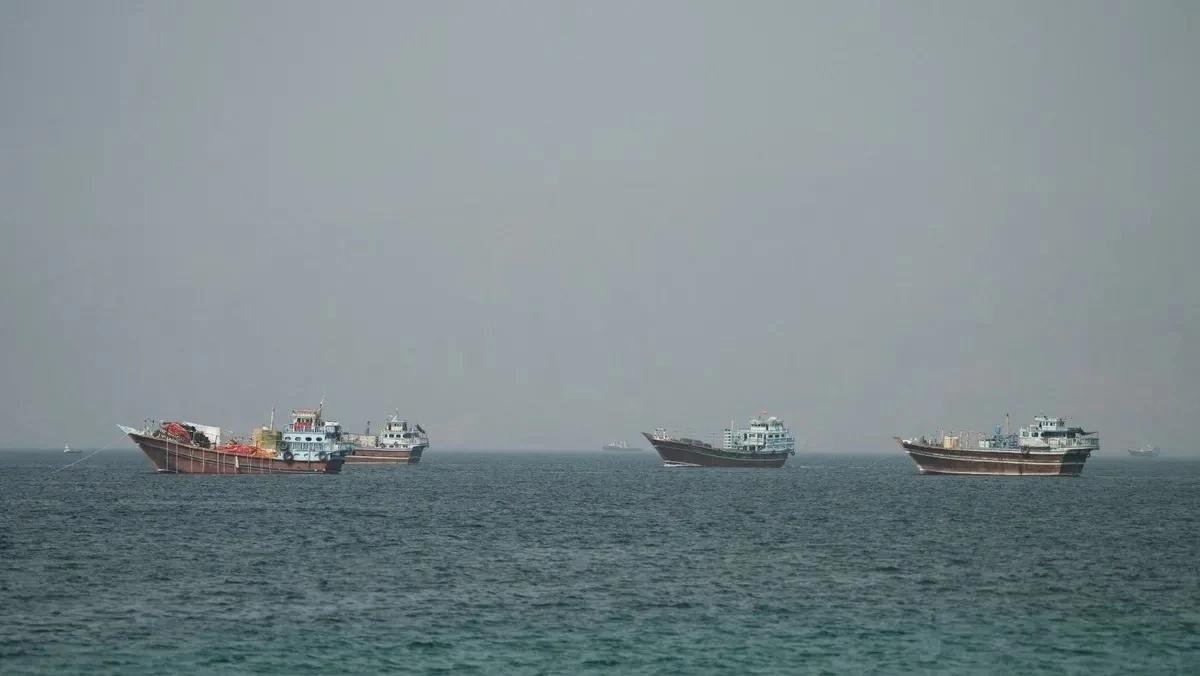
Maritime traffic continued in both directions through the Strait of Hormuz, today (Friday), despite the attack that targeted a container ship while it was crossing the strategic passage, which prompted at least one Asian-based company to re-evaluate its sailing plans and exit the region, according to Bloomberg.
No disturbances in navigation traffic
Ship tracking data revealed that two fully loaded tankers continue to leave the Arabian Gulf, while four empty giant crude oil tankers are sailing towards the Gulf along the Omani coast, via the southern route operated by the Sultanate of Oman in coordination with the United States.
An attack targeted the Ever Lovely ship yesterday (Thursday), the first of its kind since the signing of the memorandum of understanding agreement between Washington and Tehran, which prompted some ship owners and captains to wait or reduce the risks, according to sources in the shipping sector, who preferred to remain anonymous.
Despite this development, no major disturbances were recorded in navigation traffic, which continued to indicate a gradual return to pre-escalation levels. The average daily tanker transit increased to more than 20 tankers per day following the temporary agreement between Washington and Tehran, compared to only about six tankers during most of the war period, according to Vortexa data.
For its part, Taiwanese company Evergreen Marine said that its ship collided with an unknown object in the Strait of Hormuz, but left safely.
The company explained that the main engine and navigation devices are operating normally and there are no problems related to the ship’s seaworthiness. The ship left the Strait of Hormuz safely.
She added that the ship was following the route recommended by the British Maritime Trade Operations Authority while passing through the strait.
He rejected attempts to control Hormuz
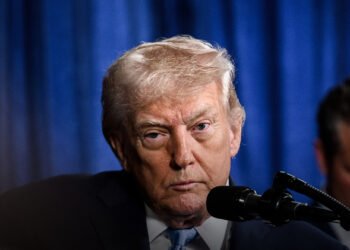
Yesterday, US President Donald Trump confirmed that the Strait of Hormuz is witnessing record oil shipping traffic after its reopening, noting that about 19 million barrels of oil crossed within one day.
He added, during a speech from the White House, that the Strait is “open,” considering that the passage of 19 million barrels of oil in one day represents “the highest level in the history of the Strait,” and said that the decline in oil prices will be reflected in commodity prices and production costs.
Maintain the momentum of negotiations
Meanwhile, during a meeting in Manama, Thursday, the foreign ministers of the Gulf Cooperation Council countries and the United States called for the necessity of maintaining the momentum and unity of negotiations with Iran in order to reach a permanent end to hostilities and prevent Tehran from developing or possessing a nuclear weapon, while stressing that achieving permanent security in the region also requires confronting its ballistic missiles, its drones and its support for proxy groups.
The ministers stressed the importance of reopening the Strait of Hormuz, noting that unconditional and unrestricted freedom of navigation, including the right of transit passage guaranteed under international law, remains essential to regional and global security.
The ministers refused to impose any fees, taxes, or attempts to impose control over the strait, and welcomed the announcement by the Sultanate of Oman and the International Maritime Organization to begin implementing a plan to evacuate more than 11,000 sailors stranded in the region.
Maritime traffic continued in both directions through the Strait of Hormuz today (Friday), despite the attack that targeted a container ship while it was transiting the strategic passage, prompting at least one Asia-based company to reassess its sailing plans and exit the area, according to Bloomberg.
No disruptions in navigation
Tracking data revealed that two fully loaded tankers continue to leave the Arabian Gulf, while four empty giant crude oil tankers are sailing towards the Gulf along the Omani coast, via the southern route managed by Oman in coordination with the United States.
An attack targeted the ship “Ever Lovely” yesterday (Thursday), marking the first of its kind since the signing of the memorandum of understanding between Washington and Tehran, which led some ship owners and captains to hesitate or reduce risks, according to sources in the shipping sector who preferred to remain anonymous.
Despite this development, no significant disruptions were recorded in navigation, which continued to indicate a gradual return to pre-escalation levels. The average daily transit of tankers rose to more than 20 tankers per day following the temporary agreement between Washington and Tehran, compared to about six tankers during most of the war period, according to data from Fortex.
For its part, Taiwanese Evergreen Marine stated that one of its ships collided with an unknown object in the Strait of Hormuz, but it left safely.
The company clarified that the main engine and navigation equipment are functioning normally and there are no issues regarding the ship’s seaworthiness; The ship safely exited the Strait of Hormuz.
It added that the ship was following the recommended route by the UK Maritime Trade Operations while passing through the strait.
Rejecting attempts to control Hormuz
US President Donald Trump confirmed yesterday that the Strait of Hormuz is witnessing record oil shipping traffic after its reopening, noting that about 19 million barrels of oil crossed in a single day.
He added during a speech from the White House that the strait is “open,” considering that the transit of 19 million barrels of oil in one day represents “the highest level in the history of the strait,” and stated that the decline in oil prices will reflect on commodity prices and production costs.
Maintaining the momentum of negotiations
Meanwhile, the foreign ministers of the Gulf Cooperation Council and the United States, during a meeting in Manama on Thursday, called for the need to maintain the momentum of negotiations with Iran and its unity in order to achieve a permanent end to hostilities and prevent Tehran from developing or acquiring nuclear weapons, emphasizing that achieving lasting security in the region also requires addressing its ballistic missiles, drones, and support for proxy groups.
The ministers stressed the importance of reopening the Strait of Hormuz, noting that unconditional and unrestricted freedom of navigation, including the right of innocent passage guaranteed under international law, remains essential for regional and global security.
The ministers rejected the imposition of any fees or taxes or attempts to exert control over the strait, and welcomed the announcement by Oman and the International Maritime Organization to begin implementing a plan to evacuate more than 11,000 seafarers stranded in the region.