According to the sources consulted, the correction was presented before the Special Electoral Jury (JEE) of Lima Center within the legal deadline, which expired on Wednesday the 24th. However, until the closing of this publication, the documents had not yet been published in the jury’s official channels.
The JEE must evaluate the documentation and determine if the observations were raised.
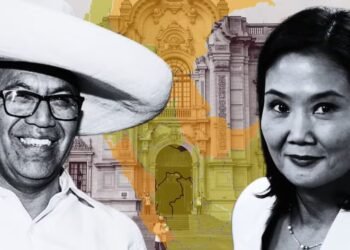
Last Monday, that electoral body declared the Popular Renewal list inadmissible and observed, among other aspects, the candidacy of López Aliaga. The resolution warned that he was proclaimed senator-elect. For this reason, it required the party to document its current legal situation.
If the JEE declares the candidacy inadmissible, the party may appeal and the case will be resolved ultimately by the plenary session of the JNE.
Electoral law specialists José Manuel Villalobos, José Naupari and Silvia Guevara proposed different scenarios regarding the decision that the JEE could adopt.
For Villalobos, the JEE Lima Centro could not prevent López Aliaga’s candidacy for the position of deputy mayor, since he has decided not to take office as senator.
Villalobos specified that article 13 of the Regulations of the Congress establishes that elected senators and deputies must complete an accreditation and registration procedure before assuming office. “Whoever does not comply, does not swear or assume,” he said in dialogue with El Comercio.
However, Naupari pointed out: “I think it is easier to declare the candidacy inadmissible; however, I recognize that an interpretation in favor of political participation would allow him to participate as a candidate.”
Meanwhile, Guevara highlighted that López Aliaga faces a “risky” scenario. “Maybe they will end up declaring his candidacy inadmissible in the first instance. It all depends on the Special Electoral Jury,” he said.
“Since the proclamation document has been made official, his situation is complicated. The Special Electoral Jury has to determine since when he is considered to have the status of senator: whether from his proclamation or from when he is actually sworn in. If he goes for the first option, he will probably determine that he has an impediment, his candidacy could be jeopardized and that could later be reviewed by the full National Election Jury,” he stated in dialogue with this newspaper.
The other issue that must be resolved is what will happen to his seat in the Senate.
In Villalobos’ opinion, “his accessory,” Absalón Vásquez, should be called instead of declaring the seat empty.
“The empty seat is regulated in the regulations of the new Congress, but only in the case of vacancy of a congressman who has been convicted of certain serious crimes,” he noted.
Meanwhile, Guevara pointed out that it will be up to the next Congress to define the mechanism to fill the vacant seat.
As he explained, once the new parliamentary representation is installed and the Board of Directors is elected, it will be this body that must evaluate the situation. “If he does not take the oath because that is his will, the preparatory board will have to swear in the new Board of Directors, which must also be elected by vote. Then, the new Board of Directors will have to determine how the vacancy of that seat will be analyzed,” he explained.
Guevara considered that the case fits into a figure of vacancy and not loss of the seat. “The causes of loss are detailed in the regulations and respond to specific situations, such as certain convictions,” he stated.
The specialist added that any decision that limits the right of political representation of an organization must be expressly provided for in the norm: “There cannot be a restrictive interpretation that prevents, for example, Renovación Popular from filling the seat that Rafael López Aliaga would be leaving.”
The case in Congress would be resolved in August.