Monday, May 4, 2026
    The GeoStrategic Consensus
    No Result
    View All Result
    • Login
    • HOME
    • AMERICAS
      • Argentina
      • Brazil
      • Canada
      • Chile
      • Colombia
      • Costa Rica
      • Cuba
      • Dominican Republic
      • Ecuador
      • El Salvador
      • Greenland
      • Guatemala
      • Honduras
      • Mexico
      • Nicaragua
      • Panama
      • Paraguay
      • Peru
      • United States
      • Uruguay
      • Venezuela
    • ASIA-PACIFIC
      • Australia
      • Brunei Darussalam
      • Cambodia
      • China
      • Federated States of Micronesia
      • Fiji
      • Indonesia
      • Japan
      • Kiribati
      • Laos
      • Malaysia
      • Marshall Islands
      • Mongolia
      • Myanmar
      • Nauru
      • New Zealand
      • North Korea
      • Palau
      • Papua New Guinea
      • Philippines
      • Samoa
      • Singapore
      • Solomon Islands
      • South Korea
      • Taiwan
      • Thailand
      • Timor-Leste
      • Tonga
      • Tuvalu
      • Vanuatu
      • Vietnam
    • CARICOM
      • CARICOM – Non-English
        • Haiti
        • Suriname
      • CARICOM Associates
        • Anguilla
        • Bermuda
        • British-Virgin-Islands
        • Cayman-Islands
        • Curacao
        • Turks-and-Caicos
      • CARICOM English
        • Antigua and Barbuda
        • Barbados
        • Belize
        • Dominica
        • Grenada
        • Guyana
        • Jamaica
        • Montserrat
        • Saint Kitts and Nevis
        • Saint Lucia
        • Saint Vincent and the Grenadines
        • The Bahamas
        • Trinidad and Tobago
    • EURASIA
      • Armenia
      • Azerbaijan
      • Balarus
      • Georgia
      • Kazakhstan
      • Kyrgyzstan
      • Moldova
      • Russia
      • Tajikistan
      • Turkmenistan
      • Ukraine
      • Uzbekistan
    • EUROPE
      • Albania
      • Andorra
      • Austria
      • Bosnia and Herzegovina
      • Bulgaria
      • Croatia
      • Cyprus
      • Czech Republic
      • Denmark
      • Estonia
      • Finland
      • France
      • Germany
      • Greece
      • Holy See
      • Hungary
      • Iceland
      • Ireland
      • Italy
      • Kosovo
      • Latvia
      • Liechtenstein
      • Lithuania
      • Luxembourg
      • Malta
      • Monaco
      • Montenegro
      • Netherlands
      • North Macedonia
      • Norway
      • Poland
      • Portugal
      • Romania
      • San Marino
      • Serbia
      • Slovakia
      • Slovenia
      • Spain
      • Sweden
      • Switzerland
      • United Kingdom
    • MIDDLE EAST AND NORTH AFRICA
      • Algeria
      • Bahrain
      • Egypt
      • Iran
      • Iraq
      • Israel
      • Jordan
      • Kuwait
      • Lebanon
      • Lybia
      • Morocco
      • Oman
      • Palestinian Territories
      • Qatar
      • Saudi Arabia
      • Syria
      • Tunisia
      • Turkey
      • United Arab Emirates
      • Western Sahara
      • Yemen
    • SOUTH ASIA
      • Afghanistan
      • Bangladesh
      • Bhutan
      • India
      • Maldives
      • Nepal
      • Pakistan
      • Sri Lanka
    • SUB-SAHARAN AFRICA
      • Angola
      • Benin
      • Botswana
      • Burkina Faso
      • Burundi
      • Cabo Verde
      • Cameroon
      • Central African Republic
      • Chad
      • Comoros
      • Cote d’Ivoire
      • Democratic Republic of the Congo
      • Djibouti
      • Equatorial Guinea
      • Eritrea
      • Eswatini
      • Ethiopia
      • Gabon
      • Gambia
      • Ghana
      • Guinea
      • Guinea Bissau
      • Kenya
      • Lesotho
      • Liberia
      • Madagascar
      • Malawi
      • Mali
      • Mauritania
      • Mauritius
      • Mozambique
      • Namibia
      • Niger
      • Nigeria
      • Republic of the Congo
      • Rwanda
      • Sao Tome and Principe
      • Senegal
      • Seychelles
      • Sierra Leone
      • Somalia
      • South Africa
      • South Sudan
      • Sudan
      • Tanzania
      • Togo
      • Uganda
      • Zambia
      • Zimbabwe
    • HOME
    • AMERICAS
      • Argentina
      • Brazil
      • Canada
      • Chile
      • Colombia
      • Costa Rica
      • Cuba
      • Dominican Republic
      • Ecuador
      • El Salvador
      • Greenland
      • Guatemala
      • Honduras
      • Mexico
      • Nicaragua
      • Panama
      • Paraguay
      • Peru
      • United States
      • Uruguay
      • Venezuela
    • ASIA-PACIFIC
      • Australia
      • Brunei Darussalam
      • Cambodia
      • China
      • Federated States of Micronesia
      • Fiji
      • Indonesia
      • Japan
      • Kiribati
      • Laos
      • Malaysia
      • Marshall Islands
      • Mongolia
      • Myanmar
      • Nauru
      • New Zealand
      • North Korea
      • Palau
      • Papua New Guinea
      • Philippines
      • Samoa
      • Singapore
      • Solomon Islands
      • South Korea
      • Taiwan
      • Thailand
      • Timor-Leste
      • Tonga
      • Tuvalu
      • Vanuatu
      • Vietnam
    • CARICOM
      • CARICOM – Non-English
        • Haiti
        • Suriname
      • CARICOM Associates
        • Anguilla
        • Bermuda
        • British-Virgin-Islands
        • Cayman-Islands
        • Curacao
        • Turks-and-Caicos
      • CARICOM English
        • Antigua and Barbuda
        • Barbados
        • Belize
        • Dominica
        • Grenada
        • Guyana
        • Jamaica
        • Montserrat
        • Saint Kitts and Nevis
        • Saint Lucia
        • Saint Vincent and the Grenadines
        • The Bahamas
        • Trinidad and Tobago
    • EURASIA
      • Armenia
      • Azerbaijan
      • Balarus
      • Georgia
      • Kazakhstan
      • Kyrgyzstan
      • Moldova
      • Russia
      • Tajikistan
      • Turkmenistan
      • Ukraine
      • Uzbekistan
    • EUROPE
      • Albania
      • Andorra
      • Austria
      • Bosnia and Herzegovina
      • Bulgaria
      • Croatia
      • Cyprus
      • Czech Republic
      • Denmark
      • Estonia
      • Finland
      • France
      • Germany
      • Greece
      • Holy See
      • Hungary
      • Iceland
      • Ireland
      • Italy
      • Kosovo
      • Latvia
      • Liechtenstein
      • Lithuania
      • Luxembourg
      • Malta
      • Monaco
      • Montenegro
      • Netherlands
      • North Macedonia
      • Norway
      • Poland
      • Portugal
      • Romania
      • San Marino
      • Serbia
      • Slovakia
      • Slovenia
      • Spain
      • Sweden
      • Switzerland
      • United Kingdom
    • MIDDLE EAST AND NORTH AFRICA
      • Algeria
      • Bahrain
      • Egypt
      • Iran
      • Iraq
      • Israel
      • Jordan
      • Kuwait
      • Lebanon
      • Lybia
      • Morocco
      • Oman
      • Palestinian Territories
      • Qatar
      • Saudi Arabia
      • Syria
      • Tunisia
      • Turkey
      • United Arab Emirates
      • Western Sahara
      • Yemen
    • SOUTH ASIA
      • Afghanistan
      • Bangladesh
      • Bhutan
      • India
      • Maldives
      • Nepal
      • Pakistan
      • Sri Lanka
    • SUB-SAHARAN AFRICA
      • Angola
      • Benin
      • Botswana
      • Burkina Faso
      • Burundi
      • Cabo Verde
      • Cameroon
      • Central African Republic
      • Chad
      • Comoros
      • Cote d’Ivoire
      • Democratic Republic of the Congo
      • Djibouti
      • Equatorial Guinea
      • Eritrea
      • Eswatini
      • Ethiopia
      • Gabon
      • Gambia
      • Ghana
      • Guinea
      • Guinea Bissau
      • Kenya
      • Lesotho
      • Liberia
      • Madagascar
      • Malawi
      • Mali
      • Mauritania
      • Mauritius
      • Mozambique
      • Namibia
      • Niger
      • Nigeria
      • Republic of the Congo
      • Rwanda
      • Sao Tome and Principe
      • Senegal
      • Seychelles
      • Sierra Leone
      • Somalia
      • South Africa
      • South Sudan
      • Sudan
      • Tanzania
      • Togo
      • Uganda
      • Zambia
      • Zimbabwe
    No Result
    View All Result
    Agentially
    No Result
    View All Result
    Home ASIA-PACIFIC China

    Asia’s energy pain is far from over – Opinion

    The Analyst by The Analyst
    April 22, 2026
    in China
    Asia’s energy pain is far from over – Opinion


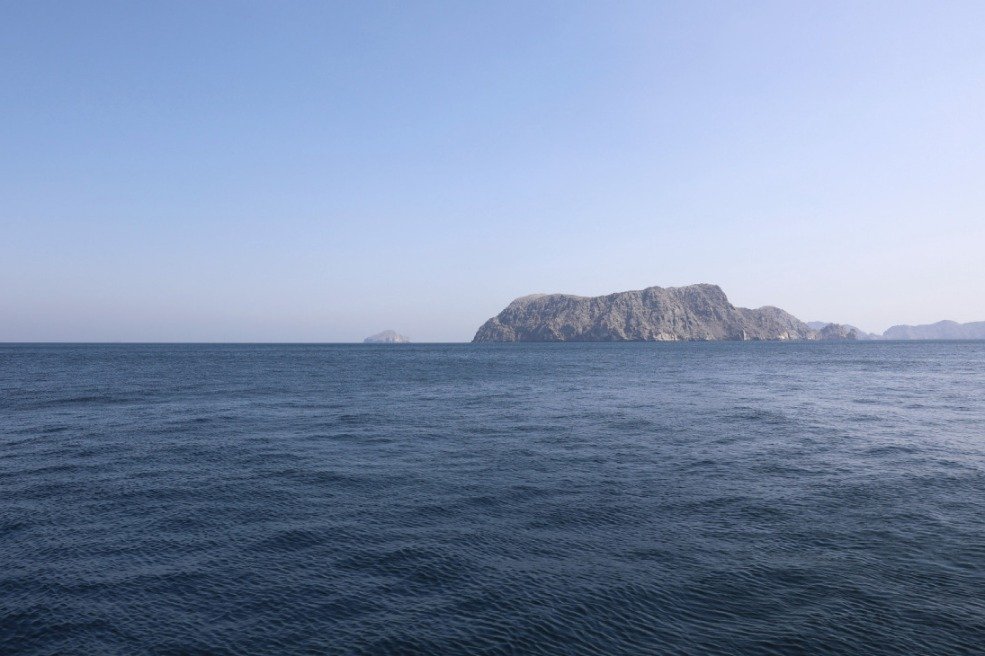
    This file photo taken on Feb 19, 2025 shows the Strait of Hormuz. [Photo/Xinhua]

    Major shocks don”t happen in isolation. Like an earthquake followed by a tsunami, the deeper damage unfolds later. It’s the same with the US and Israel’s strikes against Iran. What began as an energy disruption is morphing into a severe and persistent economic shock, especially in the Global South.

    READ ALSO

    China Coal Mine Art Troupe to stage major new composition

    Craftsmanship across millennia: A tribute on Labor Day

    At the peak of the crisis, oil prices surged more than 50 percent to $110-116 per barrel before easing slightly to $90-100 after the temporary ceasefire. Liquefied natural gas took an even harder hit, soaring as much as 143 percent to a three-year high.

    In Asia, the supply risk is significant because 20 percent of global oil and LNG flows via the Strait of Hormuz to the region. But there is a difference in how the disruption impacts these fuels. Oil is volatile but substitutable, while LNG is the binding constraint, with limited short-term alternatives.

    Today, Asian countries are grappling with tightened LNG supply, growing shipping frictions, mounting foreign exchange pressure and damage already locked into the second quarter performance.

    Compounding the challenge is Israel’s attack on Lebanon, which has severely strained the fragile United States-Iran peace talks.

    With a very fragile 10-day ceasefire in Lebanon, the stakeholders have bought time. If the ceasefire fails or peace proves elusive, the economic prospects of Asia and the world at large are likely to be downgraded further. The risks are on the downside.

    Inflation has always been the most powerful transmission channel of any energy crisis. The shortage of fuel, electricity and fertilizers pushes up their prices, which in turn leads to higher production costs for businesses. Higher wages, rising shipping costs and higher prices for raw materials are passed on to consumers across goods and services.

    The LNG shock often leads to an industrial slowdown. As prices of petrochemicals, plastics, and fertilizers soar, production costs have risen sharply, disrupting manufacturing across Asia, a region widely regarded as the “world’s factory”.

    Gas-dependent economies such as Japan, the Republic of Korea and Vietnam are the worst hit.

    Shipping and logistics add another layer of strain. The disruption in the Strait of Hormuz has driven up freight and insurance costs, exacerbating supply chain bottlenecks across Asia.

    At the same time, currency pressure is intensifying. Oil importing countries have suffered currency depreciation as energy bills rise, while central banks delay rate cuts to keep inflation under control. The result is tight financial conditions across the region.

    Even sectors that might seem insulated, such as tourism, are feeling the effects. Higher airfares and disruptions in Middle East airspace have affected travel flows. While the immediate impact is moderate, this could change if the crisis lingers.

    The Iran crisis is primarily a disruption of the oil and LNG supply chain, but its manifestations vary across Asia. In East Asia, it has led to an industrial squeeze, while in Southeast Asia it has caused high inflation and a foreign exchange squeeze.

    The ceasefire does not mean normalization. Due to the uncertainty, risk premium persists even though oil prices have dipped temporarily. Economic conditions continue to deteriorate faster than projected.

    The Philippines is a telling example. Not so long ago, the Philippines had projected 5 percent to 6 percent growth. The World Bank recently downgraded the country’s GDP growth to 3.7 percent. Across Asia, growth estimates are being recalibrated. The International Monetary Fund has even signaled broader global downgrades and warned of a “permanent scarring”.

    These revisions are happening because the LNG shock was underestimated, and the impact on foreign exchange and inflation has proved more challenging than anticipated. Earlier assumptions about inventory buffers are also fading. March data still reflected pre-crisis inventories. As these are drawn down, demand compression will start showing in April and May.

    The deterioration is worse than assumed in Japan and the ROK due to their dependence on LNG, petrochemicals and exports. In Japan, inflation combined with a weak yen complicates monetary policy, prompting the central bank to reassess the interest rate trajectory.

    In the ROK, GDP growth is likely to be closer to 1 percent or lower, down from the earlier estimate of 1.5 percent to 2 percent. As a major trade, shipping and refining hub, Singapore remains highly sensitive to fluctuations in freight costs and energy flows. It faces a large downgrade in percentage terms.

    China is in a different position. Ever since the first Trump administration, the country has faced multiple penalties imposed by the United States.

    However, access to alternative sources of energy and diverse policy tools has given it resilience. Even so, weakening global demand and softening exports may weigh on the growth momentum.

    The picture is mixed in Southeast Asia. Vietnam faces rising manufacturing costs of inputs such as plastics and chemicals, which are affecting production.

    The Philippines, highly dependent on oil imports and with scarce reserves, is already facing an energy emergency, sharp currency depreciation and transport disruptions amid domestic political corruption and governance challenges.

    The trajectory of the crisis depends on geopolitical developments. If the ceasefire fails and hostilities continue, oil prices could rebound toward $105-120 a barrel.

    If the war intensifies, they could even surge to $150 per barrel. LNG prices would remain elevated and spike further with tight supply. Inflation would surge in the second and third quarters as higher input costs feed into the economy.

    Currency depreciation would deepen in vulnerable economies, especially the ROK, the Philippines and Indonesia. At the same time, supply chains would crumble further due to depleted inventories.

    Potential escalation triggers are renewed disruptions in the Strait of Hormuz, outages in major LNG producers such as Qatar and the crisis expanding to other maritime chokepoints such as the Bab el-Mandeb. Any of these would amplify the crisis.

    For now, the energy crisis remains one of the largest in recent history. The downside risks are significant, and growth expectations continue to drift lower. There are no meaningful upgrades.

    What Asia must cope with now is a persistent supply shock with partial financial relief. Although markets can bounce back, the real economy won’t rebound in parallel.

    Global growth prospects are shifting lower to 2-2.4 percent. Risks are heavily on the downside.

    What happens in Asia won’t stay in Asia. In an interconnected global economy, neither Europe nor North America is immune to the impending tsunami.

    The author is an expert on the multipolar world and the founder of the Difference Group and has served at the India, China and America Institute (US), Shanghai Institute for International Studies (China) and the EU Center (Singapore).

    The views don’t necessarily reflect those of China Daily.

    If you have a specific expertise, or would like to share your thought about our stories, then send us your writings at opinion@chinadaily.com.cn, and comment@chinadaily.com.cn.




    Source link

    Related Posts

    China

    China Coal Mine Art Troupe to stage major new composition

    May 4, 2026
    China

    Craftsmanship across millennia: A tribute on Labor Day

    May 4, 2026
    Manufacturing defies Mideast energy shock
    China

    Manufacturing defies Mideast energy shock

    May 4, 2026
    Policy, venture capital powering commercial rollouts
    China

    Policy, venture capital powering commercial rollouts

    May 3, 2026
    Intl delegates inspired by Shanghai robotics innovation, human connection
    China

    Intl delegates inspired by Shanghai robotics innovation, human connection

    May 3, 2026
    Zhejiang sets course to become innovation hub
    China

    Zhejiang sets course to become innovation hub

    May 3, 2026
    Next Post
    PM Napat Backs Cyber Summit Attendance, Says Leaders Must Shape Digital Policy in AI Era

    PM Napat Backs Cyber Summit Attendance, Says Leaders Must Shape Digital Policy in AI Era

    POPULAR NEWS

    Justin Bieber fans flood Coachella festival for headlining show – Entertainment

    Justin Bieber fans flood Coachella festival for headlining show – Entertainment

    April 20, 2026

    Over 600 flee homes as Army, NPA clash in Negros Occidental

    April 21, 2026

    Ex-DPWH exec recalls P800-M ‘delivery’ to Zaldy Co 

    April 20, 2026

    Former PM Paluckas suspends party membership, to waive immunity over criminal probe

    April 24, 2026
    Pres. Ali challenges CARICOM to transform into health research powerhouse

    Pres. Ali challenges CARICOM to transform into health research powerhouse

    April 23, 2026

    EDITOR'S PICK

    Stellantis revives partnership with Dongfeng: Peugeot returns to China

    Stellantis revives partnership with Dongfeng: Peugeot returns to China

    May 3, 2026
    Man fatally shot in Laborie

    Man fatally shot in Laborie

    April 12, 2026
    Government to mark 60th anniversary of independence with gold medallion

    Government to mark 60th anniversary of independence with gold medallion

    April 18, 2026
    Ruthlyn James | After the whistle: What happens when the stadium lights go off | Commentary

    Ruthlyn James | After the whistle: What happens when the stadium lights go off | Commentary

    April 10, 2026

    Recent Posts

    • Justice reviews Manuel Adorni’s expenses and will hear another witness in the case
    • Iran | United Arab Emirates says it is responding to “missile threat” for the first time since the truce | United States | Donald Trump | Strait of Hormuz
    • Supreme Court Temporarily Restores Access to Abortion Pill by Mail
    • Wild parrots copy their friends when deciding whether to try new foods, study finds

      © 2026 Agentially - Navigating shifting sovereignties and global risk .

      Welcome Back!

      Login to your account below

      Forgotten Password?

      Retrieve your password

      Please enter your username or email address to reset your password.

      Log In
      No Result
      View All Result

        © 2026 Agentially - Navigating shifting sovereignties and global risk .

        This website uses cookies. By continuing to use this website you are giving consent to cookies being used. Visit our Privacy and Cookie Policy.