US vice-president JD Vance and senior Iranian officials are in Switzerland for negotiations on Tehran’s nuclear programme and to build the fragile interim deal to end the war in Iran.
As they gathered for the start of talks, dubbed the Lake Lucerne Summit, Vance called for all sides to work together. “The question before us now is how much more can we accomplish together?” he said.
“Can we turn over a new leaf? Can we change relations in the Middle East permanently, or do we go back to doing things the old way, which is not our preference, but is certainly very much something that can happen.”
The talks follow a Memorandum of Understanding agreed by both major parties to the Middle East conflict, instituting a ceasefire and outlining a future deal.
The Iranian delegation was being led by chief negotiator Mohammad Bagher Qalibaf and included foreign minister Abbas Araqchi as well as senior security, central bank and oil officials, Iranian media said.
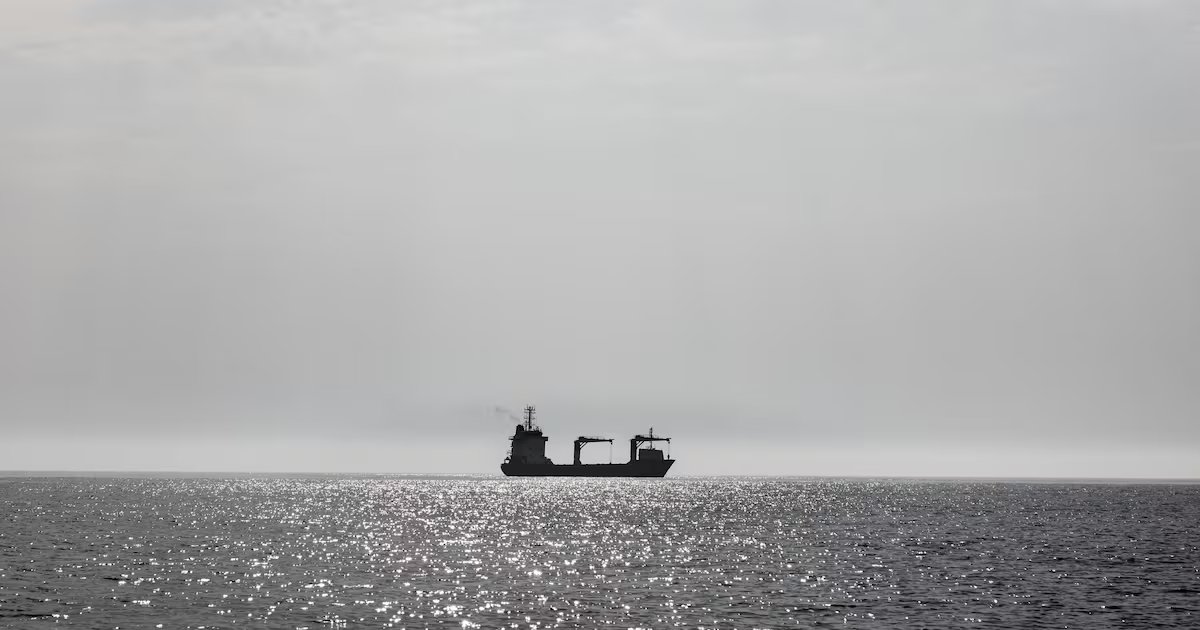
Before the arrival of the delegations, Tehran’s Islamic Revolutionary Guard Corps (IRGC) had declared the Strait of Hormuz shut, appearing to raise the stakes ahead of the talks as both sides seek to advance the interim deal signed on Wednesday by US president Donald Trump and Iranian president Masoud Pezeshkian to end the almost four-month war.
The IRGC warned ships not to approach the waterway, a vital conduit for global oil and gas supplies whose closure Iran has used as leverage, citing what it called Israeli “crimes” in Lebanon and a US violation of commitments to establish a ceasefire. It said vessels would be at risk if they approached.
US Central Command, however, said that 55 merchant ships had transited the Strait on Saturday, moving large amounts of cargo and more than 17 million barrels of oil to global markets.
Iran’s top joint military command, Khatam al-Anbiya Central Headquarters, said earlier on Saturday that the closure was the “first step” in response to what it described as breaches of commitments and warned that further measures would be taken if “aggression” continued.

Israeli strikes killed 16 people in Lebanon on Saturday, hours after a truce took effect, with Israel saying it was responding to attacks from Hizbullah, which in turn said it would not allow Israel “freedom of movement” in Lebanon.
A halt to fighting in Lebanon is a condition for starting 60 days of US-Iranian talks on Tehran’s nuclear programme and other issues key to forging a more durable deal to reopen the strait and stabilise global oil supplies.
Israel, left out of the talks, says it is not party to the deal, and will keep its forces in the Lebanese territory it occupies.
Elsewhere, Israeli strikes and gunfire killed at least nine people, including a child, in the Gaza Strip on Saturday, health officials said.
An Israeli air strike killed four Palestinians, including two women and a child, in an apartment building in Gaza City, health officials said. The attack on the building in the Sabra neighbourhood of Gaza City destroyed the apartment and wounded several other people, medics added. The Israeli military said they stuck a militant, without elaborating.
In another incident, Israeli forces shot and killed a woman in Beit Lahiya town further north, said medics.
The Israeli military did not immediately comment on either incident.
Gaza’s health ministry said more than 1,010 Palestinians had been killed by Israeli fire since the ceasefire. Militants killed four Israeli soldiers in Gaza over the same period.
A US official had said the truce in Lebanon took effect at 1pm Irish time on Friday, and Israeli and Hizbullah sources confirmed the agreement to Reuters.
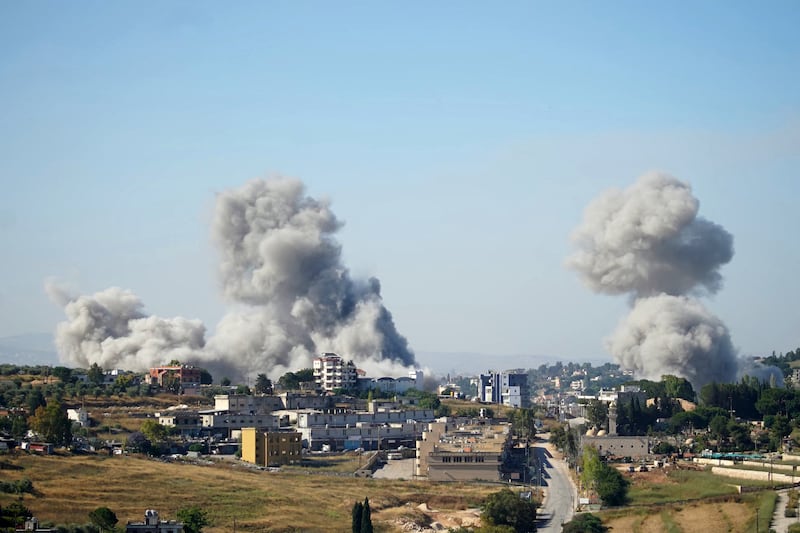
Lebanon’s state news agency NNA said Israeli warplanes and drones struck locations across southern Lebanon and the Bekaa Valley on Saturday, both Hizbullah strongholds.
Lebanon’s civil defence service said 16 people were killed in the raids.
A Hizbullah statement said its fighters had confronted Israeli forces trying to infiltrate the Ali al-Taher hill area in southern Lebanon overnight, and had inflicted casualties. A senior Hizbullah official told Reuters the group would not allow Israeli forces freedom of movement in Lebanese territory.
Lebanon was drawn into the regional war when Hizbullah attacked Israel after the US and Israel began their war on Iran. Israel responded with an offensive against Hizbullah that included invading south Lebanon.
Lebanon’s health ministry says 3,912 people have been killed in Israeli attacks since March 2nd, including medics, women and children. It does not say how many combatants are among the dead.
Israel says at least 32 Israeli soldiers and four civilians have been killed in the conflict with Hizbullah.
Switzerland said it continued to provide a “discreet and reliable setting” at the mountaintop resort of Buergenstock to facilitate discussions between the US and Iran. Its foreign ministry said no further details would be disclosed about participants and the talks’ content, citing confidentiality.
On Friday, Swiss authorities met officials from Qatar, which has also been supporting the negotiations, at Buergenstock.
The Iran war has killed at least 8,000 people, mostly in Iran and Lebanon. It has pushed up energy prices, stoking inflation worldwide. Hizbullah has not disclosed its casualty figures.
The interim deal includes sanctions relief for Iran, the unfreezing of assets worth tens of billions of dollars and immediate US waivers for its oil exports. It also envisages a $300 billion reconstruction fund and other incentives.
Trump again defended the deal after criticism in Washington, including some from Republican allies in Congress who question whether he conceded too much to end a war unpopular with most Americans ahead of midterm elections in November.
“The War has diminished Iran!” Trump wrote on social media on Friday, adding, “We didn’t meet out of desperation, Iran did. They are FINISHED! We’ll play out the 60 days. They get no money, not 10 cents!”

An October ceasefire in Gaza may have halted major fighting between Hamas and Israel, but it has failed to end Israeli attacks.
Gaza’s health ministry said more than 1,010 Palestinians had been killed by Israeli fire since the ceasefire. Four Israeli soldiers were killed by militants in Gaza over the same period.
Israel says its strikes are aimed at thwarting imminent attacks by Hamas and other militants. Hamas rarely discloses information about deaths of its fighters.
Israel and Hamas remain deadlocked over how to proceed with the next stage of Trump’s Gaza plan, which involves Hamas laying down its arms and Israeli withdrawals. – Reuters