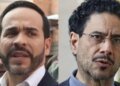
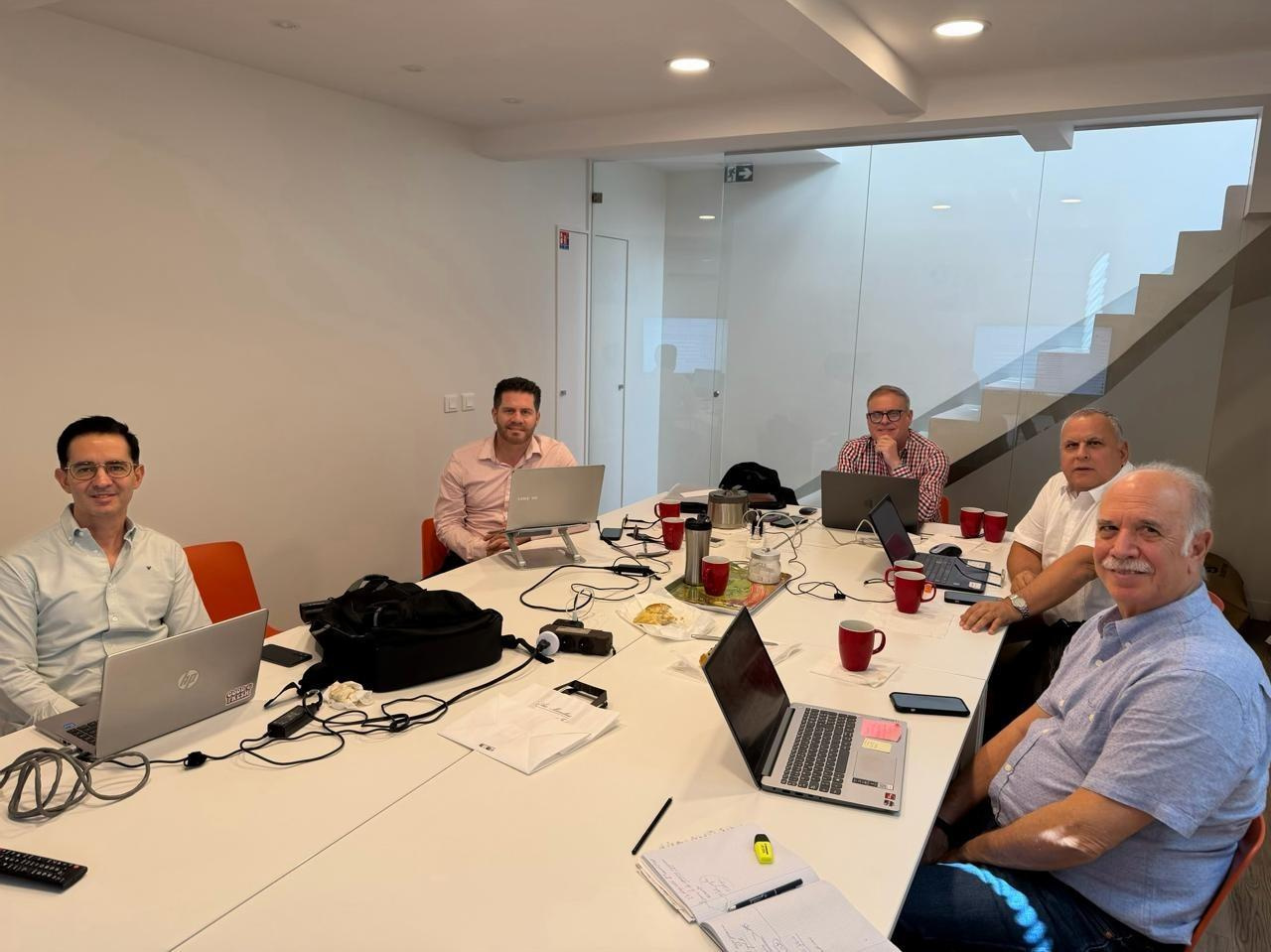
Madrid/The Cuban economist Pedro Monreal has announced through your social media accounts which is part of a project to analyze, with four other compatriots, “priorities, sequences and public policy measures that allow us to face the current profound crisis and lay the foundations for a sustainable recovery.” The other participants in this “reflection exercise” called Cuba Transformation are Mauricio De Miranda, Omar Everleny Pérez, Ricardo Torres and Pavel Vidal, all of them critical of the current regime.
According to Monreal, the meetings began last March, based on the premise of the “exceptionally complex” situation of the national economy due to a combination of factors. Experts believe that the causes are mainly the dysfunctional economic model, persistent economic policy errors, changes in the geopolitical context and the tightening of US sanctions. Meanwhile, the most visible manifestations are – he continues – the productive contraction, inflation, the depreciation of the currency, the deterioration of public services, the loss of purchasing power of households, the decapitalization of infrastructure and the growing social vulnerability.
According to the text of the announcement, the group is trying to prepare a proposal to “stop the economic and social deterioration, protect the most vulnerable groups and create minimum conditions of stability”, something that it considers a priority before any transformation.
The group tries to prepare a proposal to “stop the economic and social deterioration, protect the most vulnerable groups and create minimum conditions of stability”
Although Omar Everleny Pérez is also part of the collective of economists called by the Cuban regimethis proposal has nothing else in common with that one. Monreal explains that the group has learned about the new economic measures announced by the Government last week in the same way as the rest of the citizens and that their project will not be a response to them nor does it arise as a consequence. “Our work responds to our own methodology based on the identification of priorities, the sequencing of reforms and the coherence between objectives and public policy instruments. We consider that a successful process of economic transformation requires an orderly sequence of changes that allows progress towards a social market economy, supported by a democratic rule of law,” adds the specialist.
In the opinion of economists, the transformation – which must combine economic growth, social inclusion, protection of citizen rights and institutional strengthening – has three phases. The first must include stabilization based on emergency measures, the second must be aimed at recovering production and institutions, the third is medium and long term. Monreal indicates that the first is an urgent phase to alleviate the macroeconomic imbalances that affect the system, in addition to reestablishing the basic functions of the system and addressing the urgent problems of the population.
“The proposal seeks to provide technical arguments that facilitate spaces for dialogue, understanding and negotiation on the economic future of Cuba, and build consensus around fundamental aspects of economic policy. It does not intend to offer a closed and definitive answer to the country’s problems. It is a professional contribution aimed at identifying viable measures and reducing social costs for responsible solutions,” the text adds.
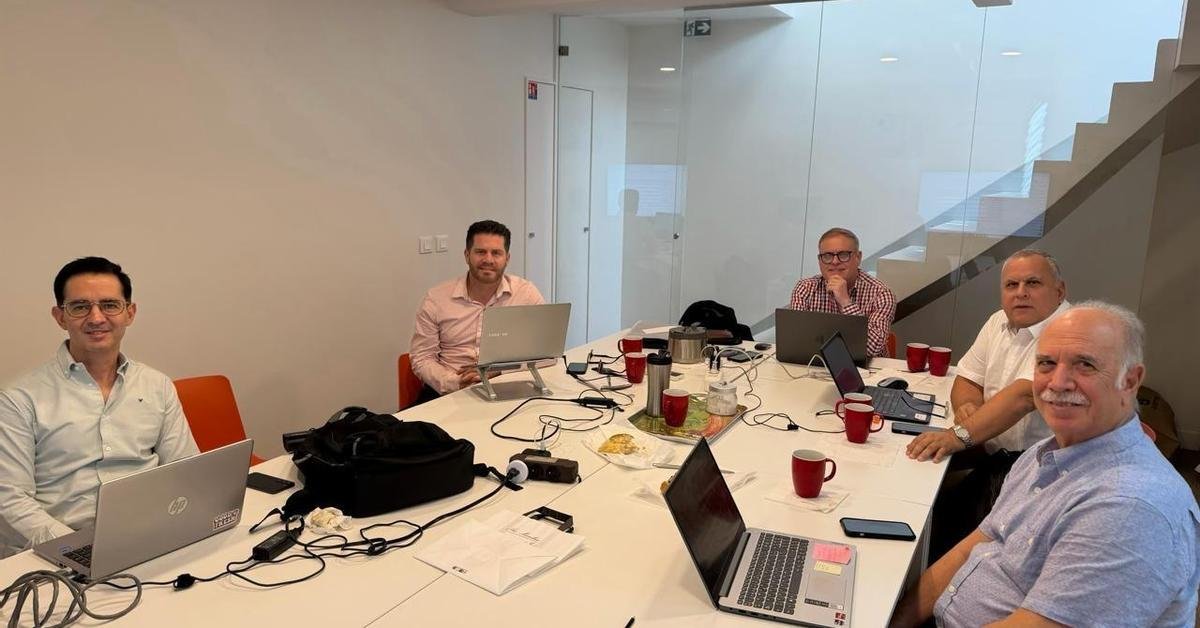
Monreal highlights that the work is joint to encourage the exchange of ideas, but emphasizes that it does not replace the independence that each member of the group has with respect to the others. Furthermore, it indicates that the project “has valuable institutional support”, without further information. The economist has published the message accompanied by a photograph of the group without specifying his proposal, something striking since they reside in different places on a regular basis. Pavel Vidal and Mauricio de Miranda currently live in Cali (Colombia), while Monreal lives in Madrid and Torres lives in Washington.
The only one still in Cuba is Pérez, who is also in the advisory group convened by Díaz-Canel. As announced by the Spanish agency EFE, with sources from the team itself, the authorities called him, Juan Triana and Julio Carranza representing a sector relatively critical of the regime’s policies to contribute ideas to the economic recovery. Furthermore, former minister José Luis Rodríguez García and deputy José Carlos del Toro Ríos are also part of that group of experts, presumably called by the Presidency directly, without intervention from the prime minister, Manuel Marrero, or the minister of Economy, Joaquín Alonso.
In addition to the two ruling parties, the other three regularly express their opinions in independent media and call for reforms, although they are rather moderate.
In addition to the two ruling parties, the other three regularly express their opinions in independent media and call for reforms, although they are rather moderate.
On the other hand, the members of Cuba Transformación are definitely opposed to the regime, including Pavel Vidal, repeatedly accused by the authorities of altering the exchange rate in the informal currency market through his work in The Touch and the Observatory of Currencies and Finance (OMFi).
Pedro Monreal ends the group’s presentation by stating that their objective is to think of viable alternatives for the country. “We do not assume that there is a single answer or that this group exhausts the diversity of necessary visions. On the contrary, we hope that this work contributes to a broader, plural and responsible discussion about the economic future of Cuba.”