Sunday, May 24, 2026, 10:36 p.m
3306 readings

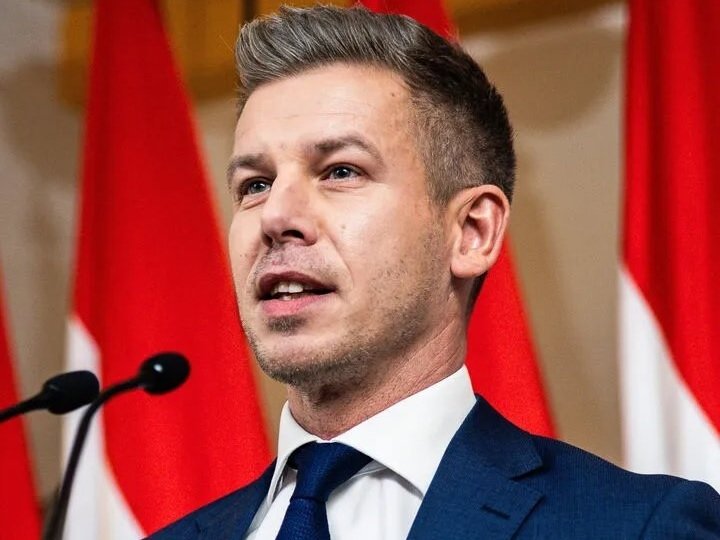
Peter Magyar PHOTO X/ @TomrisGen65
Just weeks after his election victory in April, Hungary’s new prime minister, Péter Magyar, announced a drastic package of cuts to officials’ incomes, starting with his own salary. In an interview given to the RTL Hungary station and picked up by Bild, the leader from Budapest said that he will reduce his gross remuneration by more than 50%, bringing it to approximately 3.8 million forints per month, the equivalent of approximately 10,500 euros. This amount is more than twice what former prime minister Viktor Orbán, who was in power for more than a decade, received.
However, the measures do not stop at the prime minister’s office. The Magyar-led government is also preparing pay cuts for ministers, parliamentarians, mayors and heads of state-owned companies. In addition, the executive wants to severely limit additional expenses paid to elected officials, such as those for fuel, accommodation or staff salaries. Currently, Hungarian MPs can benefit from a monthly settlement ceiling of up to 7 million forints (approximately 19,500 euros). The new government proposes to reduce this threshold to less than 5 million forints, and Péter Magyar directly asked the elected officials not to use even the full amount of these reduced amounts.
According to the estimates presented by the officials in Budapest, the austerity package applied to the political class could generate savings of approximately 50 billion forints, i.e. around 139 million euros. The prime minister justified his decision by the huge discrepancy between the incomes of politicians and those of the population. To understand the proportions, the average gross salary in Hungary is about 640,000 forints per month, equivalent to about 1,630 euros. Reported at this level, the Hungarian prime minister was until recently among the best-paid government leaders in the entire European Union.
Péter Magyar has become one of Hungary’s most visible political figures after breaking with Viktor Orbán’s party and launching an anti-corruption and pro-reform platform. A former lawyer and diplomat, he built his election campaign on promises to reduce politicians’ privileges, reform institutions and limit state spending. His election victory in April is considered one of the biggest political changes in Hungary in recent years, after a long period dominated by Fidesz.