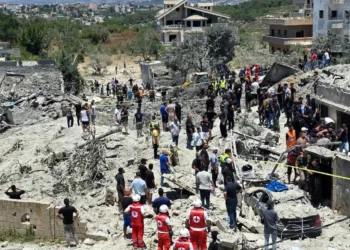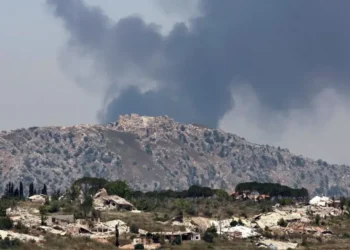
I remember that in the first hours of the outbreak of the Israeli war on LebanonThe first person that came to mind was my friend who was recently diagnosed with lymphoma. March 2 coincided with the start of her medical journey, with a session dedicated to freezing eggs before starting treatment.
Troy M. She told “An-Nahar” how she left her home with her family Southern suburb In a hurry when the first Israeli raids began, she said: “I actually left the house wearing my pajamas.”
She describes the difficulty of those moments, noting that the escape trip was accompanied by symptoms of the disease that she was suffering from, including a severe and continuous cough, in addition to vomiting.
Hospital
She says: “I had to be at the hospital at seven in the morning. It was already four-thirty in the morning when I arrived with my parents to a safe place. I was in a very nervous state, constantly shaking, coughing and vomiting. When I entered the hospital for the procedure, the anesthesiologist told me that unfortunately it would not be possible to put me under general anesthesia due to my health condition, because they did not want to risk my life. So they chose spinal anesthesia, which was very painful. After the procedure was over, I was transferred to “The recovery room lasted for about five hours, and I was crying the whole time because I was replaying everything that happened in my mind.”
She tells how she could hear reconnaissance planes flying over the American University of Beirut, and she could also hear the conversations of the patients around her talking about what they had gone through that night, adding: “I was hearing all of that, and recovery was not an option for me.”
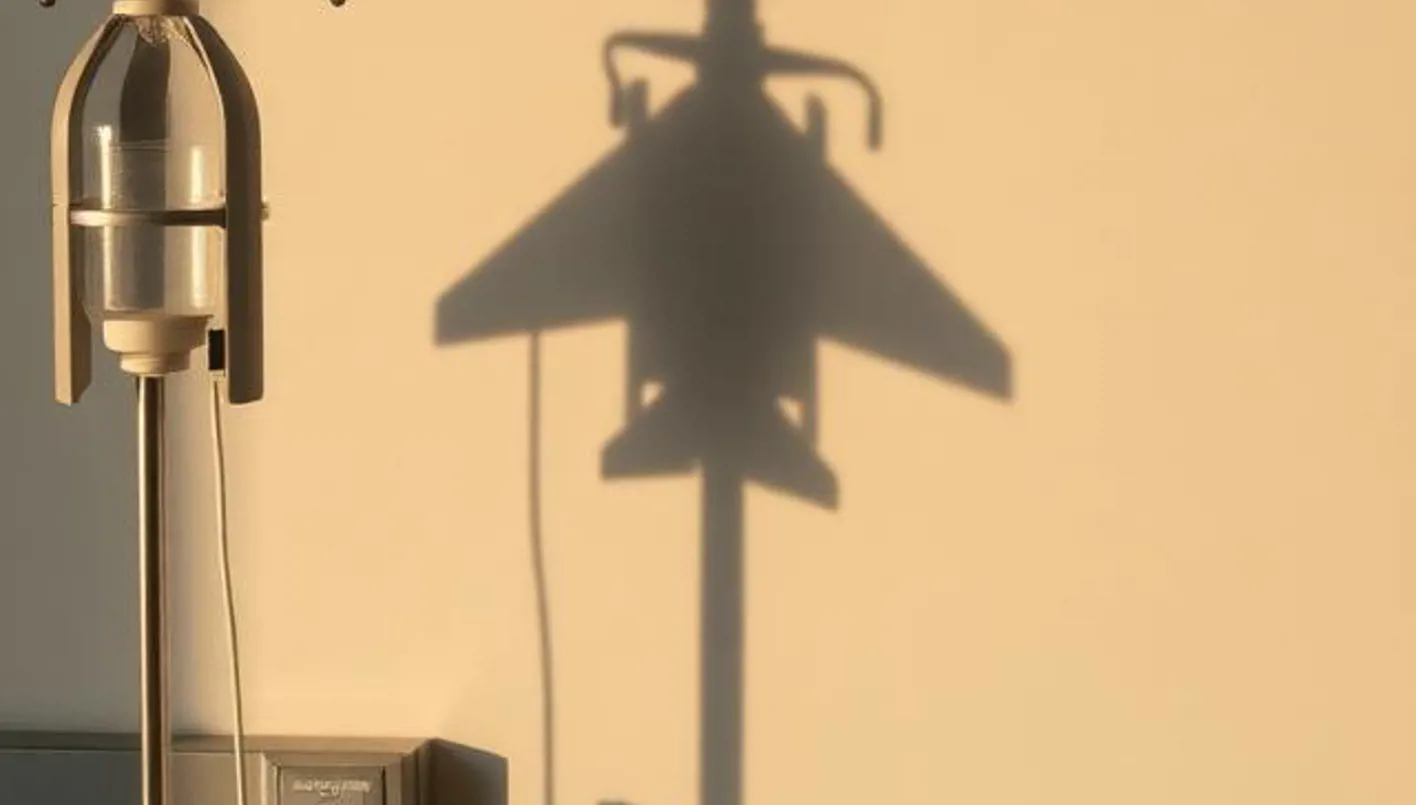
Expressive (artificial intelligence)
Place of displacement
I left m. She went to the hospital realizing that returning to her home was no longer an option. She said: “I went to a relative’s house, where two other families of relatives were waiting for us there. The atmosphere was also full of crying, because they were going through a difficult night after being displaced from South. Then I realized it was real. It was difficult for me to understand that we would not be coming back soon, and that what was happening might continue for a long time.
People were screaming everywhere, and there was general panic. The looks of fear and racism that we faced in the place of displacement were as painful as the disease itself.”
Ceasefire?
The first session of chemotherapy did not go well, as her psychological state was not stable. “But I was trying to resist, because I had made this decision,” she says.
She explains that the experience of illness has made her more compassionate towards others, especially displaced patients who may not be able to get the treatment they need under the current circumstances.
The war also left deep psychological effects on her, especially since it coincided with her health battle. She says: “We are all on the verge of exploding, because we feel suffocated and let down. We are let down because nothing seems to be going as it should. Every time we approach a ceasefire, it does not actually happen. And if it happens somewhere, it does not happen here.”
I feel like screaming and crying, especially when I see very good people paying the price for everything that happens. I no longer see any meaning in this situation, and I no longer see the point of this war. Everyone pays the price: the displaced in the streets, the people who lost their loved ones, those who say goodbye to those dear to their hearts, and people we knew or met one day and then they left.”
She concludes by expressing the moral weight she feels, saying: “This matter has become very heavy on me personally, and it does not help in my treatment, my illness, or my health condition.”
Perhaps the message of M. Remember that wars have another side that does not always appear in the numbers of casualties and pictures of destruction, but in the stories of people fighting their own battles in silence.