ETFs turn to open-market buying after missing IPO allocations as FSS probes SpaceX hype
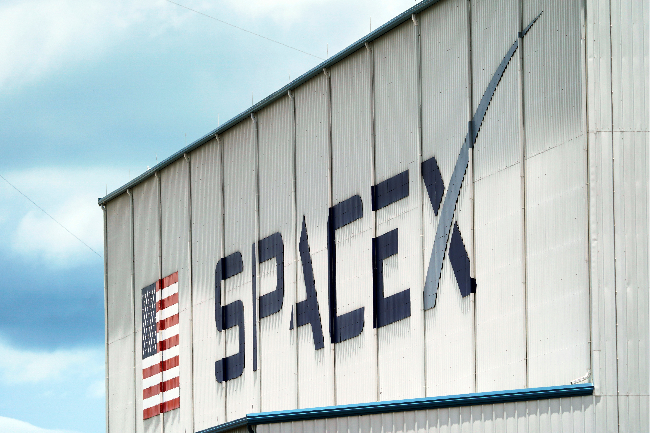
South Korean asset managers are rushing to increase exposure to SpaceX through exchange-traded funds, as investor demand for the newly listed aerospace company remains strong.
Leading the pack is Ace US Space Tech Active ETF, managed by Korea Investment Management, with SpaceX accounting for 26.41 percent of its portfolio as of Tuesday.
The fund had initially sought to secure initial public offering allocations through Mirae Asset Securities but pivoted quickly to open-market purchases after the brokerage failed to obtain a share allocation.
It is followed by Samsung Asset Management’s Kodex US Space & Aerospace ETF, which allocates 25.08 percent of its assets to SpaceX.
Though a passive ETF, the fund is structured to allow newly listed companies to be included through approval by the index committee, enabling a relatively swift exposure.
Considering local asset managers collectively purchased 334.5 billion won ($221.5 million) worth of SpaceX shares on the company’s first trading day alone, the exposure has likely increased further by Tuesday.
Yet despite allocating nearly a quarter of their portfolios to SpaceX, the ETFs have struggled to keep pace with the stock’s meteoric rise.
Ace US Space Tech Active ETF rose 4.87 percent to 12,285 won ($8) Tuesday, after tumbling 10.81 percent in the previous session. Kodex US Space & Aerospace gained 4.47 percent to 12,505 won, following a 7.82 percent decline a day earlier.
The gains appear modest considering that the Nasdaq-listed company surged 20 percent Monday, its first full trading session, after rallying 19 percent Friday following its market debut.
Yet the underperformance was even more pronounced among ETFs that failed to incorporate SpaceX into their portfolios.
Tiger US Space Tech ETF, managed by Mirae Asset Global Investments, fell 3.47 percent to close at 12,370 won, extending losses after plunging 12.02 percent in the previous session.
Launched in April, the fund has roughly 2.32 trillion won in assets under management, making it the largest US space-themed ETF targeting exposure to SpaceX listed here.
The ETF had been expected to benefit from IPO allocations secured through its affiliate Mirae Asset Securities. With the plan falling through, however, the passive fund is currently scheduled to add SpaceX on Tuesday.
Industry officials viewed the modest gains of SpaceX-targeting ETFs likely reflect differences in entry timing, with some funds acquiring SpaceX shares at higher prices after missing IPO allocations.
Weakness in other portfolio holdings also weighed on overall performance. As SpaceX absorbed a significant share of investor capital, shares of rocket maker Rocket Lab and aerospace infrastructure firm Redwire, both major constituents of US space-themed ETFs, came under pressure, falling 9.34 percent and 11.53 percent, respectively, on Friday.
“Despite SpaceX’s strong debut, most related space ETFs remain either flat or declined,” said Han Su-jin, analyst at Samsung Securities said.
“Returns from SpaceX-targeting ETFs depend not only on how much exposure they have to the rocket-maker, but also on the performance of other portfolio holdings.”
Separately, the Financial Supervisory Service has launched an inspection into asset managers’ marketing activities related to SpaceX ahead of its stock market debut, according to industry sources.
The regulator is examining whether some firms overstated investors’ chances of gaining exposure to SpaceX through IPO allocations or related investment products.
“Even if asset managers disclosed that they might not receive IPO allocations, the issue could still constitute misleading or exaggerated advertising,” an FSS official said. “We are reviewing the matter together with the inspection department.”
The probe follows a wave of SpaceX-themed ETF launches and promotional campaigns ahead of the listing. Several asset managers highlighted efforts to secure IPO allocations through affiliated brokerages, raising expectations that their funds would gain early access to the stock.
However, actual allocations were far smaller than many investors had anticipated, leaving some funds with limited or no exposure through the IPO process.
silverstar@heraldcorp.com
ch0221@heraldcorp.com