Monday, May 4, 2026
    The GeoStrategic Consensus
    No Result
    View All Result
    • Login
    • HOME
    • AMERICAS
      • Argentina
      • Brazil
      • Canada
      • Chile
      • Colombia
      • Costa Rica
      • Cuba
      • Dominican Republic
      • Ecuador
      • El Salvador
      • Greenland
      • Guatemala
      • Honduras
      • Mexico
      • Nicaragua
      • Panama
      • Paraguay
      • Peru
      • United States
      • Uruguay
      • Venezuela
    • ASIA-PACIFIC
      • Australia
      • Brunei Darussalam
      • Cambodia
      • China
      • Federated States of Micronesia
      • Fiji
      • Indonesia
      • Japan
      • Kiribati
      • Laos
      • Malaysia
      • Marshall Islands
      • Mongolia
      • Myanmar
      • Nauru
      • New Zealand
      • North Korea
      • Palau
      • Papua New Guinea
      • Philippines
      • Samoa
      • Singapore
      • Solomon Islands
      • South Korea
      • Taiwan
      • Thailand
      • Timor-Leste
      • Tonga
      • Tuvalu
      • Vanuatu
      • Vietnam
    • CARICOM
      • CARICOM – Non-English
        • Haiti
        • Suriname
      • CARICOM Associates
        • Anguilla
        • Bermuda
        • British-Virgin-Islands
        • Cayman-Islands
        • Curacao
        • Turks-and-Caicos
      • CARICOM English
        • Antigua and Barbuda
        • Barbados
        • Belize
        • Dominica
        • Grenada
        • Guyana
        • Jamaica
        • Montserrat
        • Saint Kitts and Nevis
        • Saint Lucia
        • Saint Vincent and the Grenadines
        • The Bahamas
        • Trinidad and Tobago
    • EURASIA
      • Armenia
      • Azerbaijan
      • Balarus
      • Georgia
      • Kazakhstan
      • Kyrgyzstan
      • Moldova
      • Russia
      • Tajikistan
      • Turkmenistan
      • Ukraine
      • Uzbekistan
    • EUROPE
      • Albania
      • Andorra
      • Austria
      • Bosnia and Herzegovina
      • Bulgaria
      • Croatia
      • Cyprus
      • Czech Republic
      • Denmark
      • Estonia
      • Finland
      • France
      • Germany
      • Greece
      • Holy See
      • Hungary
      • Iceland
      • Ireland
      • Italy
      • Kosovo
      • Latvia
      • Liechtenstein
      • Lithuania
      • Luxembourg
      • Malta
      • Monaco
      • Montenegro
      • Netherlands
      • North Macedonia
      • Norway
      • Poland
      • Portugal
      • Romania
      • San Marino
      • Serbia
      • Slovakia
      • Slovenia
      • Spain
      • Sweden
      • Switzerland
      • United Kingdom
    • MIDDLE EAST AND NORTH AFRICA
      • Algeria
      • Bahrain
      • Egypt
      • Iran
      • Iraq
      • Israel
      • Jordan
      • Kuwait
      • Lebanon
      • Lybia
      • Morocco
      • Oman
      • Palestinian Territories
      • Qatar
      • Saudi Arabia
      • Syria
      • Tunisia
      • Turkey
      • United Arab Emirates
      • Western Sahara
      • Yemen
    • SOUTH ASIA
      • Afghanistan
      • Bangladesh
      • Bhutan
      • India
      • Maldives
      • Nepal
      • Pakistan
      • Sri Lanka
    • SUB-SAHARAN AFRICA
      • Angola
      • Benin
      • Botswana
      • Burkina Faso
      • Burundi
      • Cabo Verde
      • Cameroon
      • Central African Republic
      • Chad
      • Comoros
      • Cote d’Ivoire
      • Democratic Republic of the Congo
      • Djibouti
      • Equatorial Guinea
      • Eritrea
      • Eswatini
      • Ethiopia
      • Gabon
      • Gambia
      • Ghana
      • Guinea
      • Guinea Bissau
      • Kenya
      • Lesotho
      • Liberia
      • Madagascar
      • Malawi
      • Mali
      • Mauritania
      • Mauritius
      • Mozambique
      • Namibia
      • Niger
      • Nigeria
      • Republic of the Congo
      • Rwanda
      • Sao Tome and Principe
      • Senegal
      • Seychelles
      • Sierra Leone
      • Somalia
      • South Africa
      • South Sudan
      • Sudan
      • Tanzania
      • Togo
      • Uganda
      • Zambia
      • Zimbabwe
    • HOME
    • AMERICAS
      • Argentina
      • Brazil
      • Canada
      • Chile
      • Colombia
      • Costa Rica
      • Cuba
      • Dominican Republic
      • Ecuador
      • El Salvador
      • Greenland
      • Guatemala
      • Honduras
      • Mexico
      • Nicaragua
      • Panama
      • Paraguay
      • Peru
      • United States
      • Uruguay
      • Venezuela
    • ASIA-PACIFIC
      • Australia
      • Brunei Darussalam
      • Cambodia
      • China
      • Federated States of Micronesia
      • Fiji
      • Indonesia
      • Japan
      • Kiribati
      • Laos
      • Malaysia
      • Marshall Islands
      • Mongolia
      • Myanmar
      • Nauru
      • New Zealand
      • North Korea
      • Palau
      • Papua New Guinea
      • Philippines
      • Samoa
      • Singapore
      • Solomon Islands
      • South Korea
      • Taiwan
      • Thailand
      • Timor-Leste
      • Tonga
      • Tuvalu
      • Vanuatu
      • Vietnam
    • CARICOM
      • CARICOM – Non-English
        • Haiti
        • Suriname
      • CARICOM Associates
        • Anguilla
        • Bermuda
        • British-Virgin-Islands
        • Cayman-Islands
        • Curacao
        • Turks-and-Caicos
      • CARICOM English
        • Antigua and Barbuda
        • Barbados
        • Belize
        • Dominica
        • Grenada
        • Guyana
        • Jamaica
        • Montserrat
        • Saint Kitts and Nevis
        • Saint Lucia
        • Saint Vincent and the Grenadines
        • The Bahamas
        • Trinidad and Tobago
    • EURASIA
      • Armenia
      • Azerbaijan
      • Balarus
      • Georgia
      • Kazakhstan
      • Kyrgyzstan
      • Moldova
      • Russia
      • Tajikistan
      • Turkmenistan
      • Ukraine
      • Uzbekistan
    • EUROPE
      • Albania
      • Andorra
      • Austria
      • Bosnia and Herzegovina
      • Bulgaria
      • Croatia
      • Cyprus
      • Czech Republic
      • Denmark
      • Estonia
      • Finland
      • France
      • Germany
      • Greece
      • Holy See
      • Hungary
      • Iceland
      • Ireland
      • Italy
      • Kosovo
      • Latvia
      • Liechtenstein
      • Lithuania
      • Luxembourg
      • Malta
      • Monaco
      • Montenegro
      • Netherlands
      • North Macedonia
      • Norway
      • Poland
      • Portugal
      • Romania
      • San Marino
      • Serbia
      • Slovakia
      • Slovenia
      • Spain
      • Sweden
      • Switzerland
      • United Kingdom
    • MIDDLE EAST AND NORTH AFRICA
      • Algeria
      • Bahrain
      • Egypt
      • Iran
      • Iraq
      • Israel
      • Jordan
      • Kuwait
      • Lebanon
      • Lybia
      • Morocco
      • Oman
      • Palestinian Territories
      • Qatar
      • Saudi Arabia
      • Syria
      • Tunisia
      • Turkey
      • United Arab Emirates
      • Western Sahara
      • Yemen
    • SOUTH ASIA
      • Afghanistan
      • Bangladesh
      • Bhutan
      • India
      • Maldives
      • Nepal
      • Pakistan
      • Sri Lanka
    • SUB-SAHARAN AFRICA
      • Angola
      • Benin
      • Botswana
      • Burkina Faso
      • Burundi
      • Cabo Verde
      • Cameroon
      • Central African Republic
      • Chad
      • Comoros
      • Cote d’Ivoire
      • Democratic Republic of the Congo
      • Djibouti
      • Equatorial Guinea
      • Eritrea
      • Eswatini
      • Ethiopia
      • Gabon
      • Gambia
      • Ghana
      • Guinea
      • Guinea Bissau
      • Kenya
      • Lesotho
      • Liberia
      • Madagascar
      • Malawi
      • Mali
      • Mauritania
      • Mauritius
      • Mozambique
      • Namibia
      • Niger
      • Nigeria
      • Republic of the Congo
      • Rwanda
      • Sao Tome and Principe
      • Senegal
      • Seychelles
      • Sierra Leone
      • Somalia
      • South Africa
      • South Sudan
      • Sudan
      • Tanzania
      • Togo
      • Uganda
      • Zambia
      • Zimbabwe
    No Result
    View All Result
    Agentially
    No Result
    View All Result
    Home EUROPE Slovakia

    Consolidation and expensive energy were not enough. Slovaks are in for another blow to their wallets, this time coming from Brussels – Energy – Economy

    The Analyst by The Analyst
    April 22, 2026
    in Slovakia
    Consolidation and expensive energy were not enough. Slovaks are in for another blow to their wallets, this time coming from Brussels – Energy – Economy


    People have to prepare for the fact that they will soon have to pay extra for their normal life again. After three waves of consolidation, the current energy crisis and more expensive fuels, another blow will hit the wallets of Slovaks. The European Union has definitively confirmed the next step in the green transformation and at the same time postponed the start of the ETS2 emissions permit system to 2028. It will affect the areas that households feel the fastest and hardest — heating and refueling.

    READ ALSO

    Three people died on the cruise ship. What is the hantavirus they seem to have contracted?

    A smile was replaced by fear for his life: Roman Pomajbo admitted a shocking diagnosis that no one knew about – Star cases – Cocktail

    At what oil price does the world face big problems? Energy security expert Mothana Obadi talks about the consequences of the current crisis

    Video

    Scientific worker of the SAS Institute of Economics Saleh Mothana Obadi talks about the consequences of the current energy crisis. / Source: Ivan Majerský, tv

    Although politicians have been talking about the impoverishment of people or social massacre in this context for a long time, experts warn that the reality will be more complex. It will not be the same blow for everyone, but a system that will hit households outside the big cities, families in detached houses, people dependent on cars and those who heat with gas or solid fuels the most. It is there that Brussels’ climate policy can very quickly turn into significantly higher monthly bills.

    Figures from a new study by PAQ Research and the Czech Public Finance Center show that in a scenario with a permit price of 55 euros, ETS2 in the Czech Republic would increase average monthly household expenses by approximately 19 euros. Of this, about 7.2 euros would go to transport and 11.8 euros to heating. At the same time, the study shows that it is not a general increase that will be the same for everyone – 46.9 percent of Czech households would feel only a very low impact, i.e. an increase in expenses of less than 10 euros per month.
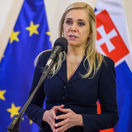
    jacket Read more The end of energy aid? The Ministry strongly indicates that it does not stop paying high energy bills

    The new system would hit households that heat with fossil fuels the hardest. “Although there are relatively few of them, the impact on them is significant – their monthly costs can increase by approximately one thousand Czech crowns (by more than 41 euros, note, editors) if they do not change the way they heat or insulate their homes. Overall, it is calculated that the prices of coal will increase by approximately 30 percent, natural gas by 15 percent, diesel by 12 percent, and gasoline by approximately 11 percent,” explained the main Trinity Bank economist Lukáš Kovanda. For coal, the study expects an average increase in heating costs of almost 40 euros per month, for natural gas by approximately 22.8 euros per month.

    A similar scenario awaits Slovakia

    Although the aforementioned study works with Czech households, its conclusions can be largely transferred to Slovakia as well. The ETS2 system will also affect the same two areas in our country, i.e. heating of buildings and road transport, and Slovak official materials are already counting on the fact that without compensation, it can fall hard especially on vulnerable households. Slovakia is therefore already preparing to draw on the Social and Climate Fund, from which it is to receive a maximum of 1.28 billion euros when ETS2 starts in 2028 – with mandatory co-financing, the overall package would grow even more.

    What is the ETS 2 system?

    The new emission allowance system represents the extension of the existing European emission allowance trading system to other areas of the economy. While the original system concerned mainly large industrial and energy companies, the new mechanism will also include emissions from building heating and road transport. Emission allowances will specifically relate to heating with gas, oil or coal. As part of road transport, gasoline and diesel will be “taxed”. Electricity bills will not increase.

    For ordinary residents, this will not mean that they have to buy emission permits themselves or solve administrative tasks. However, they will feel the impact indirectly – primarily in energy and fuel prices. The costs of emission quotas will be reflected in the prices of gas, gasoline or diesel, which can lead to their gradual growth. The main goal of the introduction of ETS 2 is to contribute to the fulfillment of the European Union’s climate commitments under the Fit for 55 initiative, which envisages reducing greenhouse gas emissions by at least 55 percent by 2030 compared to the level of 1990. Transport and buildings are areas where the reduction of emissions has so far only succeeded very slowly, and therefore they require new economic incentives.

    The new system is intended to motivate households and businesses to reduce energy consumption, invest in more efficient technologies – for example in insulation, replacement of heating systems or the purchase of greener vehicles – and at the same time support the transition to renewable sources and public transport. (cf

    The money from the fund should be used for two things. Part of it should go directly to people, so that they can more easily manage more expensive energy and transport, for example through climate checks. The rest is to be used for measures that will reduce the dependence of households on fossil fuels in the long term, i.e. for the renovation of houses, the replacement of old boilers or the strengthening of public transport. The purpose is not only to mitigate the immediate price increase, but also to limit that households are exposed to similar shocks in the future.

    In addition, Slovakia is extremely sensitive on a European scale due to its high level of gasification. According to SPP – distribution, up to 94 percent of households and companies have access to natural gas, and the country is one of the most gas-equipped countries in Europe. This is precisely why the increase in gas prices through ETS2 can be particularly painful for Slovak households, as it does not concern a marginal group, but a very broad part of the country.

    If in the Czech Republic the worst households heat with coal and gas come out, a similar logic will also apply in Slovakia, where the state materials for ETS2 count on the growth of gas and fuel prices and openly talk about the need to protect households threatened by energy and transport poverty. The Value for Money Review of Energy Expenditure and Revenue estimates that under a more conservative scenario with an allowance price of €30 per tonne of CO2, ETS2 could increase the price of petrol by around 8 cents per litre, diesel by 9 cents per liter and gas by €7.27 per megawatt hour. In the higher scenario, which calculates a price of 54.52 euros per ton of CO2, gasoline would become more expensive by 15 cents per liter, diesel by 17 cents per liter, and gas would increase by more than 13 euros per megawatt hour.

    Just Stop Oil Protest Read more Brussels talks about solar and wind, but Europe still runs on imported oil. Why can’t the union get rid of its dependency?

    In Slovakia, rural areas in particular can be more sensitive. An analysis by the Environmental Policy Institute points out that approximately seven percent of the population lives in areas with a high risk of transport poverty, i.e. in areas where a car is a necessity rather than a convenience. This is especially important for ETS2, because the increase in fuel prices will not only affect motorists in general, but especially people in regions with weaker public transport, longer commutes and lower incomes.

    The same applies to housing. The Slovak documents for the Social and Climate Fund directly count on the fact that part of the money is to be used to compensate for high energy costs caused by the extension of the ETS to households and transport, the rest for insulation, renovation of buildings and cleaner forms of heating. In other words, even the Slovak state already assumes that the biggest risk does not lie in the very existence of ETS2, but in the fact that without housing modernization and targeted assistance, higher bills will hurt households in older family houses and with higher consumption of fossil fuels the most.

    The account will not be liquidated

    The real impact of the new system may not apply to every household. According to estimates, the price increase alone could affect about half of the approximately 2.3 million households in Slovakia. This will mainly concern people who are not connected to the central heat supply, so they often live in family houses, and at the same time own a car. On the other hand, households with central heating already bear part of these costs in energy prices today, as they are included in the existing ETS 1 system.

    Trade unionists are also drawing attention to the risks associated with ETS2. They say that the biggest problem will not be in consumption itself, but in the fact that some households do not have the space to react. “Households with low incomes are most at risk from the effects of the new ETS2 emissions permit system, because they have very limited options to adapt to the changes. These are people who live in energy-inefficient houses or apartments, often with inappropriate heating methods – for example, old solid fuel boilers. These households cannot afford to invest in insulation, replacement of windows, new heating systems, etc.,” warns the Confederation of Trade Unions.

    According to experts, the average Slovak pays hundreds of euros less per year. Radovan Potočár, an energy analyst from the website energie-portal.sk, previously estimated for Pravda that an ordinary household with a consumption of 10 megawatt-hours of gas annually produces approximately two tons of CO2. If the price of emission quotas reached, for example, 80 euros per ton (that is, significantly more than the mentioned 55 euros), the additional cost would amount to approximately 160 euros per year. For motor fuels, the same quota price could increase the price of a liter of gasoline or diesel by about 20 cents. However, if the price of allowances could be kept closer to 60 euros per ton, the price increase would be milder, although the development of the allowance market remains uncertain.
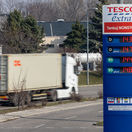
    Prices at gas stations Read more Prepare for more expensive energy and food. Oil has become more expensive, gas has jumped by tens of percent, and Druzhba is still not working

    The director of the civil association Slovak Climate Initiative Kateřina Chajdiaková sees it similarly, referring to the report of the European Commission (EC). “According to EC analysis (Trinomics, 2025), the average additional costs for a household in Slovakia as a result of the ETS2 system are estimated at approximately 130 euros per year for transport and 140 euros per year for heating, if the household uses fossil fuels and the price of carbon reaches 60 euros per ton of CO2,” the expert added. Converted, this means a total bill of around 270 euros per year, and even that only if the household uses a car for fossil fuels and at the same time heats with gas.



    Source link

    Related Posts

    Three people died on the cruise ship. What is the hantavirus they seem to have contracted?
    Slovakia

    Three people died on the cruise ship. What is the hantavirus they seem to have contracted?

    May 4, 2026
    A smile was replaced by fear for his life: Roman Pomajbo admitted a shocking diagnosis that no one knew about – Star cases – Cocktail
    Slovakia

    A smile was replaced by fear for his life: Roman Pomajbo admitted a shocking diagnosis that no one knew about – Star cases – Cocktail

    May 4, 2026
    He starts to pass the jester. We have our own findings, the prosecutor’s office says about the rescue tender investigation
    Slovakia

    He starts to pass the jester. We have our own findings, the prosecutor’s office says about the rescue tender investigation

    May 4, 2026
    The end of inviolability: eight drones with 100-kilogram charges were buried by the Russian headquarters – dozens of dead – World – News
    Slovakia

    The end of inviolability: eight drones with 100-kilogram charges were buried by the Russian headquarters – dozens of dead – World – News

    May 4, 2026
    QUIZ: A big final awaits the Slovaks. Are you ready for it? If you can’t do even one question, you don’t know much about hockey – Other – Hockey
    Slovakia

    QUIZ: A big final awaits the Slovaks. Are you ready for it? If you can’t do even one question, you don’t know much about hockey – Other – Hockey

    May 4, 2026
    The Višňové tunnel will be closed for two weeks. Transport returns under Strečno – SME
    Slovakia

    The Višňové tunnel will be closed for two weeks. Transport returns under Strečno – SME

    May 3, 2026
    Next Post
    Ján Kováčik: The story of the SFZ president has many blind spots

    Ján Kováčik: The story of the SFZ president has many blind spots

    POPULAR NEWS

    Justin Bieber fans flood Coachella festival for headlining show – Entertainment

    Justin Bieber fans flood Coachella festival for headlining show – Entertainment

    April 20, 2026

    Over 600 flee homes as Army, NPA clash in Negros Occidental

    April 21, 2026

    Ex-DPWH exec recalls P800-M ‘delivery’ to Zaldy Co 

    April 20, 2026

    Former PM Paluckas suspends party membership, to waive immunity over criminal probe

    April 24, 2026
    Pres. Ali challenges CARICOM to transform into health research powerhouse

    Pres. Ali challenges CARICOM to transform into health research powerhouse

    April 23, 2026

    EDITOR'S PICK

    Tomorrow in “Idrizovo”: the key evidence for the causes of death of the victims in the fire in “Puls”

    Tomorrow in “Idrizovo”: the key evidence for the causes of death of the victims in the fire in “Puls”

    April 28, 2026
    Calls for growth, inclusion take centre stage at Junior Jazz opening

    Calls for growth, inclusion take centre stage at Junior Jazz opening

    April 16, 2026
    Holešovická tržnice: Hala 22 Reopens After Modernisation

    Holešovická tržnice: Hala 22 Reopens After Modernisation

    April 21, 2026
    (LEAD) Special counsel seeks 2-yr sentence for ex-President Yoon over perjury

    (LEAD) Special counsel seeks 2-yr sentence for ex-President Yoon over perjury

    April 17, 2026

    Recent Posts

    • Azerbaijan’s SOCAR Trading proposes establishing an energy exchange in Baku
    • Expert: Belarus ranks among world leaders in early-stage cervical cancer detection
    • Georgia’s Annual Inflation at 5.9% in April 2026 – Civil Georgia
    • Pashinyan assessed progress with Azerbaijan

      © 2026 Agentially - Navigating shifting sovereignties and global risk .

      Welcome Back!

      Login to your account below

      Forgotten Password?

      Retrieve your password

      Please enter your username or email address to reset your password.

      Log In
      No Result
      View All Result

        © 2026 Agentially - Navigating shifting sovereignties and global risk .

        This website uses cookies. By continuing to use this website you are giving consent to cookies being used. Visit our Privacy and Cookie Policy.