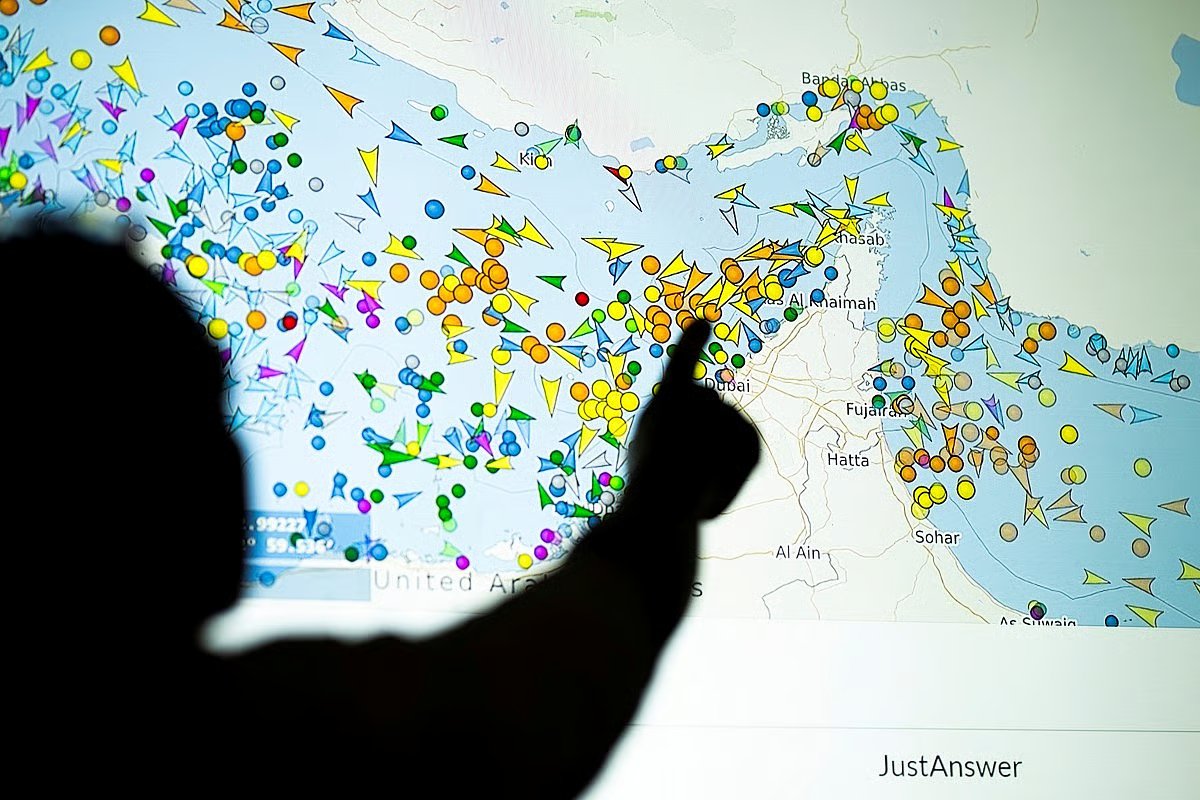
The US-Israel war with Iran may have fundamentally altered the power calculus in the Gulf, with US intelligence assessments concluding that Tehran now possesses the capability to effectively close the Strait of Hormuz whenever it chooses.
This gives Tehran a powerful new tool to disrupt the global economy following months of conflict in the Gulf, according to three people familiar with the assessments.
CNN first reported the findings.
Restricting maritime traffic
The assessments suggest that, regardless of a framework agreement expected to be formally signed on Friday to reopen the strategic waterway and pave the way for renewed nuclear negotiations, Iran has demonstrated during the conflict that it can severely restrict maritime traffic through the strait and potentially do so again in the future.
Counterpoint to Iran’s chokehold
Iran benefits — if Hormuz is kept open
A senior US official told CNN that Iran would not receive any benefits from the framework agreement unless it keeps the Strait of Hormuz open and complies with other commitments outlined in the deal.
The official did not specify the incentives being offered but said Washington would gradually ease its maritime blockade as Iran restores normal shipping traffic.
“If Iran performs, the relief follows and American leverage holds the entire way,” the official told CNN.
Another source familiar with the agreement acknowledged that Iran’s efforts to disrupt energy flows through Hormuz strained relations with some of its key economic partners, including China and Gulf Arab states.
“Iran pays a price when they do this,” the source told CNN, noting that any future attempt to close the strait would likely carry significant economic and diplomatic costs for Tehran itself.