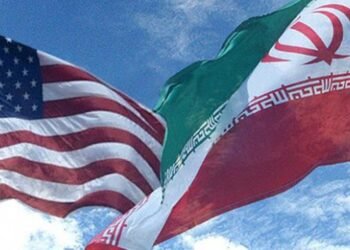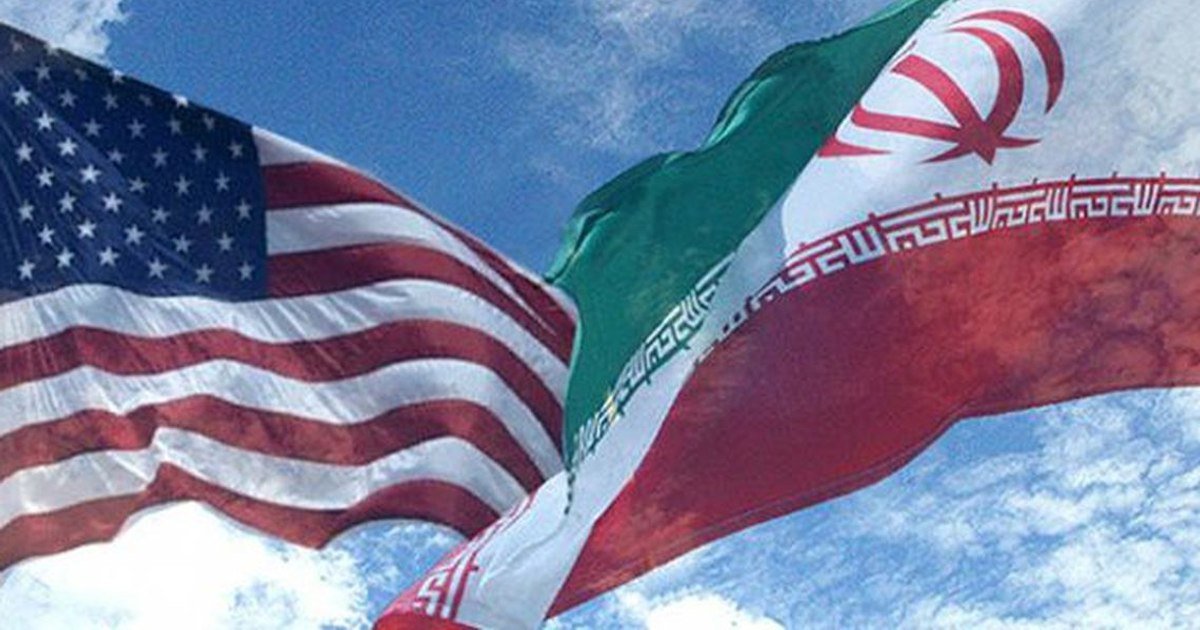
The mixed martial arts matches held on the occasion of President Donald Trump’s 80th birthday were a show of strength and emphatic victories. But unlike the galas in the White House courtyard, the Middle East standoff between the American superpower and its regional rival does not benefit from the clarity of a knockout.
The US-Iran deal will be signed in Geneva
Donald Trump’s announcement of the signing of a memorandum of understanding to end the war in Iran was greeted with reserved optimism. The agreement provides for a ceasefire for 60 days, the lifting of the US naval blockade and the unblocking of strategic trade routes in the Strait of Hormuz, reports CNN and The Guardian.
Vice President JD Vance assured that the document contained firm assurances that Tehran would never produce or acquire nuclear weapons. Although the news brings a breath of fresh air to the global economy, suffocated by the energy crisis caused by the conflict, the absence of concrete details leaves room for fundamental questions about the strategic future of the region.
The pressing questions for the Trump administration
Beyond the triumphalist speech in Washington, the success of this agreement depends on answering three key questions:
1. The return to the status quo
The reopening of the strait and the lifting of the blockade represent only a return to the state before the war, while the central issue – the nuclear issue – remains unresolved.
2. The diplomatic standard
Is Donald Trump capable of getting a better deal than the one negotiated by the Obama administration in 2015, which Iran respected until it was unilaterally denounced by the US during Trump’s first term?
3. The cost of conflict
Did this war—unpopular with most Americans and the generator of major global economic hardship—justify the loss of human life and resources?
The main points of divergence
1. Status of the Strait of Hormuz
On Sunday night, Donald Trump was extremely adamant on the Truth Social platform: “I am authorizing the full and toll-free opening of the Strait of Hormuz and simultaneously ordering the immediate lifting of the United States naval blockade. Ships of the world, start your engines. Let the oil flow!”
Later, the American president qualified the statement, stating that the unblocking of this vital maritime route is conditional on the signing of the agreement scheduled for Friday in Geneva and that the first actions will exclusively concern demining operations.
Significantly, Pakistani Prime Minister Shehbaz Sharif, the deal’s broker, did not mention the strait in his initial speech, while Tehran’s state media say management of maritime traffic will return to Iran within 30 days. This interpretation is in direct contradiction to the traditional line of Washington, which rejects any form of control or taxation on the part of Iran.
G7 summit begins in France amid tentative US-Iran deal to end war
The announcement, however, caused an immediate drop in oil prices on international markets, hitting their lowest level since early March. However, experts warn that fully restoring supply chains and repairing infrastructure affected by drones will take months, and there is also the issue of reluctance by insurance companies regarding the safety of navigation.
2. The Lebanese equation and Israel’s position
Another major divergence is Lebanon’s inclusion in the ceasefire. While Iranian officials and the Pakistani mediator have bluntly stated that the deal includes a halt to hostilities on all fronts, including the Lebanese one, Donald Trump has avoided the topic entirely in his first public statements.
This dynamic complicates the position of Israel, which was not included in the negotiations and did not immediately react to the announcement of the memorandum. Prime Minister Benjamin Netanyahu has major domestic political stakes in continuing to combat Iranian influence and Hezbollah militias, and any future military action by Israel risks torpedoing the US-Iranian deal.
Tensions between Trump and Netanyahu were already evident over the weekend after an Israeli attack on Beirut delayed the announcement of the deal by several hours, prompting extremely harsh reactions and vehement criticism from the US president of the Israeli leader’s decisions.
3. The Iranian nuclear file
The future of Iran’s nuclear program remains the most complicated stake. The current memorandum passes the issue to a highly tense round of negotiations scheduled for the next 60 days. Trump has already warned that he will resume military strikes if Tehran refuses to sign a definitive agreement on the issue.
The E4 group of European states (Britain, France, Germany and Italy) expressed support for this approach, making the lifting of economic sanctions conditional on clear and verifiable steps by Iran.
Tehran continues to maintain that its program is purely for civilian purposes, but its current stockpile of near-military-grade enriched uranium – estimated at more than 400 kg – will be the main sticking point in future talks.
The domestic political stakes for the White House
Politically, Donald Trump needs quick results. Lower fuel prices could temper inflation, giving the Republican Party an important boost ahead of November’s midterm elections.
The democratic opposition, however, harshly criticized the administration’s strategy. Representative Adam Smith, the top Democrat on the House Armed Services Committee, pointed out that while the ceasefire is a positive thing, the war itself has accomplished nothing for US interests, returning the situation to where it left off, but at massive human and economic costs.
If the coming weeks of negotiations fail to produce a verifiable mechanism to halt Iran’s nuclear ambitions, history may record this memorandum not as a major diplomatic victory but merely as a temporary lull in an unresolved conflict.