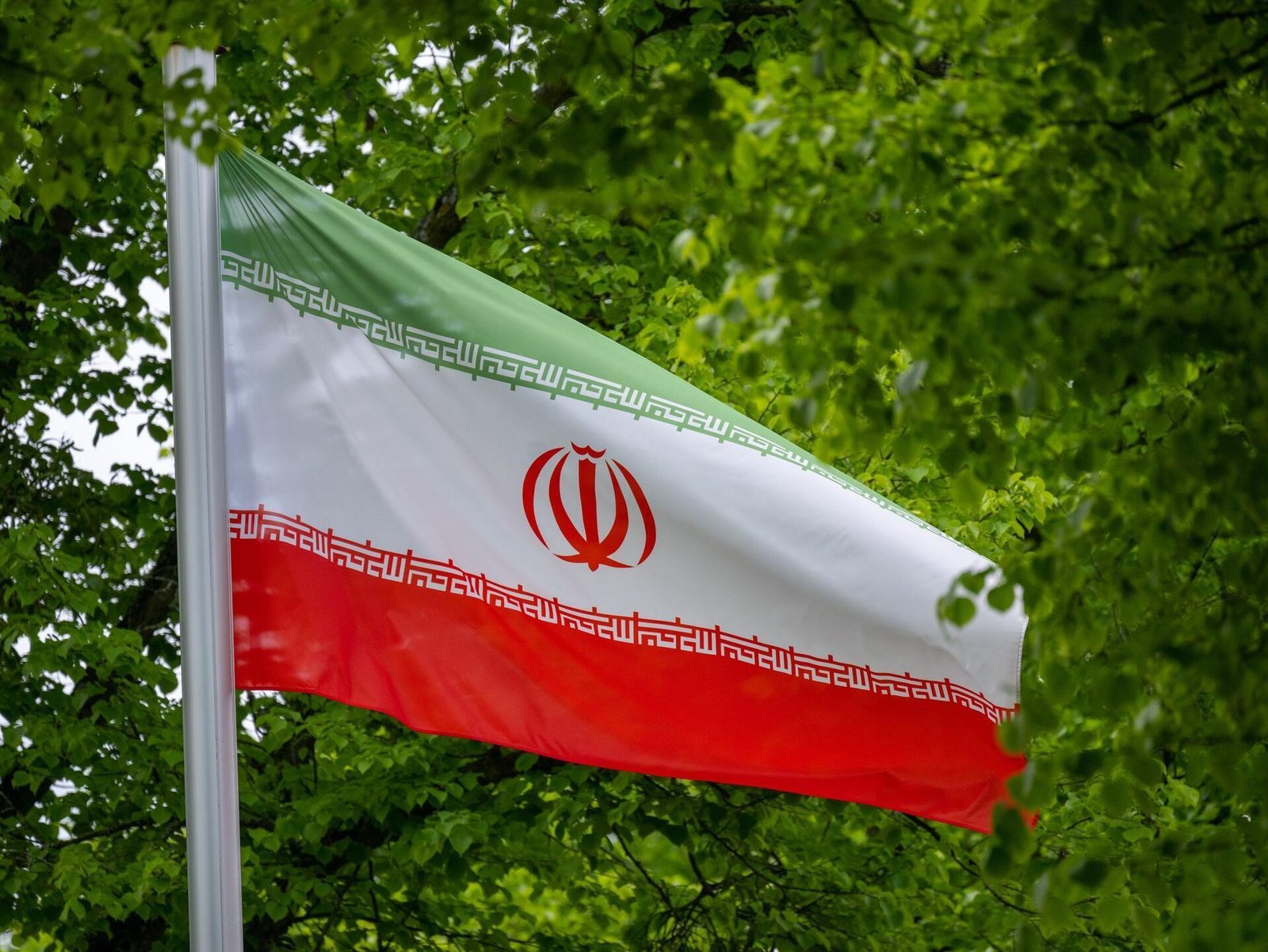
Omid is an artist who has lived in Luxembourg for over a decade and has taken part in several exhibitions in the Grand Duchy. He has an interview with the Daily newspaper agreed on the condition of remaining anonymous. The fear is too great due to the political uncertainty in Iran – and what a public conversation could mean for his friends and family back home.
Aesthetics in everyday life
When Omid talks about Iran as a country, he is not concerned with geographical data – for example where Iran is on the world map – but with the culture of the local people: “Aesthetics are omnipresent even in everyday life, in the language, the music, the gestures, the hospitality, the textiles, the architecture and the literature. All of this shapes you even before you are consciously interested in art.”
Sometimes art allows us to be vulnerable in a graceful way
Omid
Iranian artist
Omid spent his childhood and youth in the West Asian country. For him, growing up with Iranian culture means “being surrounded by poetry, symbolism and a rich visual and emotional world.” As in all countries, says Omid, life in Iran is complex – there is no universal Iranian reality, but “many grow up with poems, proverbs, songs, and stories that become part of the person’s emotional vocabulary.” For him, both this “strong dimension of poetry” and the interpersonal warmth of Iranians – whether in the family, in friendships or general hospitality – are an important part of his career.
The meaning of art today
This has also shaped Omid’s current passions in art. One of his main interests is the idea of identity – both on a personal level, through one’s own feelings and memories, and on a collective level, through shared experiences of repression or uprooting. He explains: “I am interested in how art carries traces of our origins, our experiences and what we want to preserve.” According to Omid, art can build bridges between people. “It can transcend language barriers and cultural differences. It can capture complexity without oversimplifying it. That’s very important to me. Sometimes art allows us to be vulnerable in a graceful way.”
Culture often gives a much more authentic and human impression of a country than an abstract description of it
Omid wants Luxembourgers to get to know Iranian films, literature, music, painting and poetry. “Culture often gives a much more authentic and human impression of a country than an abstract description of it,” he says. In this sense, Omid talks about three Iranian artists who move him.
Three sources of inspiration
These include Forough Farrokhzad, an Iranian poet and film director (1935-1967). She died at the age of 32 in a car accident. Despite her young age, her works continue to deeply inspire Omid decades later: “She reminds me that art can be gentle and strong at the same time. It can speak of such personal experiences and touch something collective at the same time.”
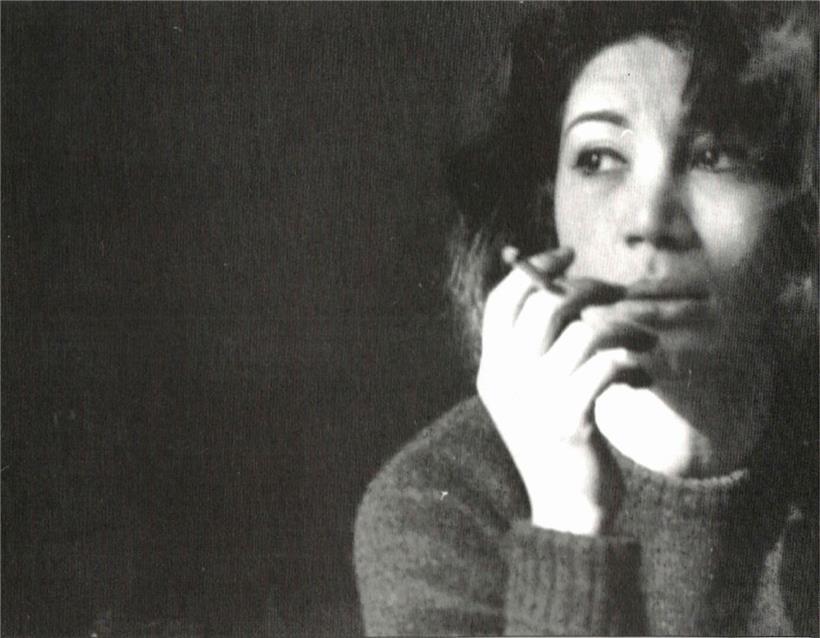
The poet Forough Farrokhzad Photo: Forugh Farrokhzad Team, CC BY-SA 4.0
Farrokhzad wrote openly about desire and love. Her works often had a socially critical idea, particularly focusing on the roles of men and women. Omid explains that Farrokhzad “did not hide behind flourishes. Her language contains beauty and truth, and this connection is very powerful.” Her poems are originally in Farsi and have been translated into English, French and German, among others. Omid’s tip: “Tavallodi Digar” (“Another Birth”).
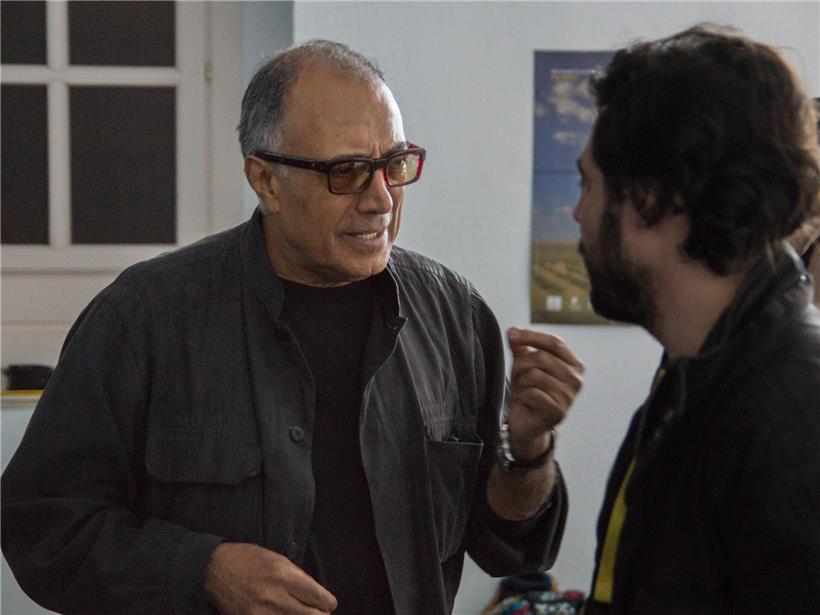
The film director Abbas Kiarostami in 2013 Photo: Pedro J Pacheco, CC BY-SA 4.0
Abbas Kiarostami (1940-2016) is an internationally recognized film director and poet – Omid particularly values his attention to silence. “His films often appear silent, but contain a deep philosophical and emotional richness. I admire how he creates meaning through small gestures, pauses, landscapes and everyday moments. He trusts the viewer. He doesn’t force emotions; he lets them emerge,” says Omid. This silence allows his characters to exist with dignity – humanity is not staged, but rather given through ambiguity and incompleteness. Abbas Kiarostami’s films are accessible with subtitles in various languages. Omid recommends “The Taste of the Cherry” (1997).
Sohrab Sepehri (1928-1980) is another poet and painter who inspires Omid. Landscapes and nature are central themes in his works. His texts often seem like an invitation to take a closer look, to become quieter and to perceive things more intensively, says Omid: “He delicately combines nature, spirituality, simplicity and perception.” Sepehri’s poems are originally written in Farsi and translated into English, French and German, among others. Omid’s favorite poem is “Sedaye Paye Ab” (“The Sound of Water’s Footsteps”).
I miss certain forms of humor, certain rhythms of conversation and the feeling of being surrounded by cultural references that you immediately understand
“I miss the linguistic environment – hearing Persian naturally and in everyday life around me. I miss certain forms of humor, certain rhythms of conversation and the feeling of being surrounded by cultural references that you immediately understand,” says the artist. He misses the emotional familiarity of home, which comes from eating or using language, for example – “the little details that are difficult to explain but easy to feel,” he explains. “I also miss that feeling of shared memories that comes from being in the place where you grew up.”