Washington/The president of the United States, Donald Trump, announced this Tuesday that, at the request of Pakistan, he has decided extend ceasefirewhich was due to expire on Wednesday, until Iran presents a proposed agreement.
“I will extend the ceasefire until your proposal is presented and negotiations are concluded, whatever the outcome,” the American leader declared on the Truth Social network.
Trump justified his decision by assuring that the “Government of Iran is seriously divided” and given that the Pakistani Government, which acts as a mediator, has asked him to suspend the “attack against Iran until its leaders and representatives present a unified proposal.”
Despite extending the ceasefire, Trump affirmed that he maintains the US naval blockade against Iranian ships that he ordered after the failure of the first round of negotiations with Iran on April 11 and 12.
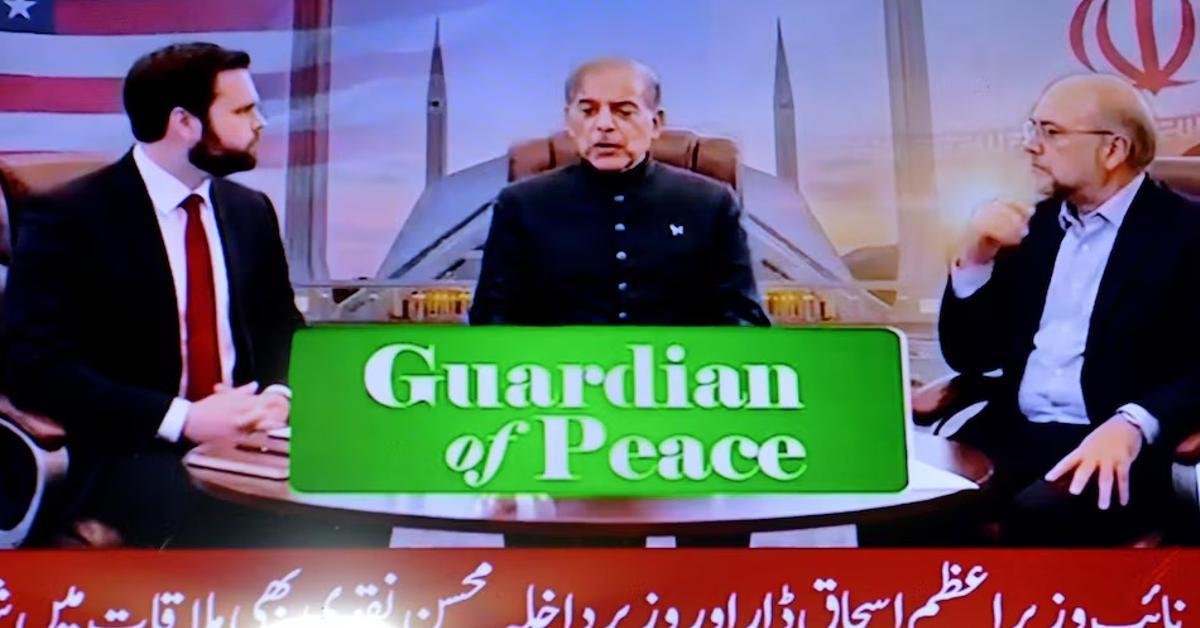
Vice President JD Vance was scheduled to travel to Islamabad for another round of negotiations, but suspended the visit after Tehran did not confirm its participation.
US Vice President JD Vance was scheduled to travel to Islamabad on Tuesday morning for a second round of negotiations, but suspended the visit as Tehran did not officially confirm its participation.
Trump met at the White House with the country’s National Security leadership hours before the two-week ceasefire declared in early April expired on Wednesday.
In addition to Vance, the Secretary of State, Marco Rubio, was at the meeting; the Defense, Pete Hegseth, and the White House envoys, Steve Witkoff and Jared Kushner, the president’s son-in-law.
Trump decided to extend the truce indefinitely despite the fact that this Tuesday he declared in an interview with CNBC that he did not intend to extend it.
“I don’t want to do that. We don’t have that much time,” the president responded. “Iran can put itself in a very strong position if they reach an agreement,” he added of the negotiations.
Trump also warned that if there was no agreement he would resume “bombing” against the Islamic Republic.
The speaker of the Iranian Parliament, Mohamad Baqer Qalibaf, who leads the Tehran delegation, warned early Tuesday that his country does not accept “negotiations under the shadow of threat.”