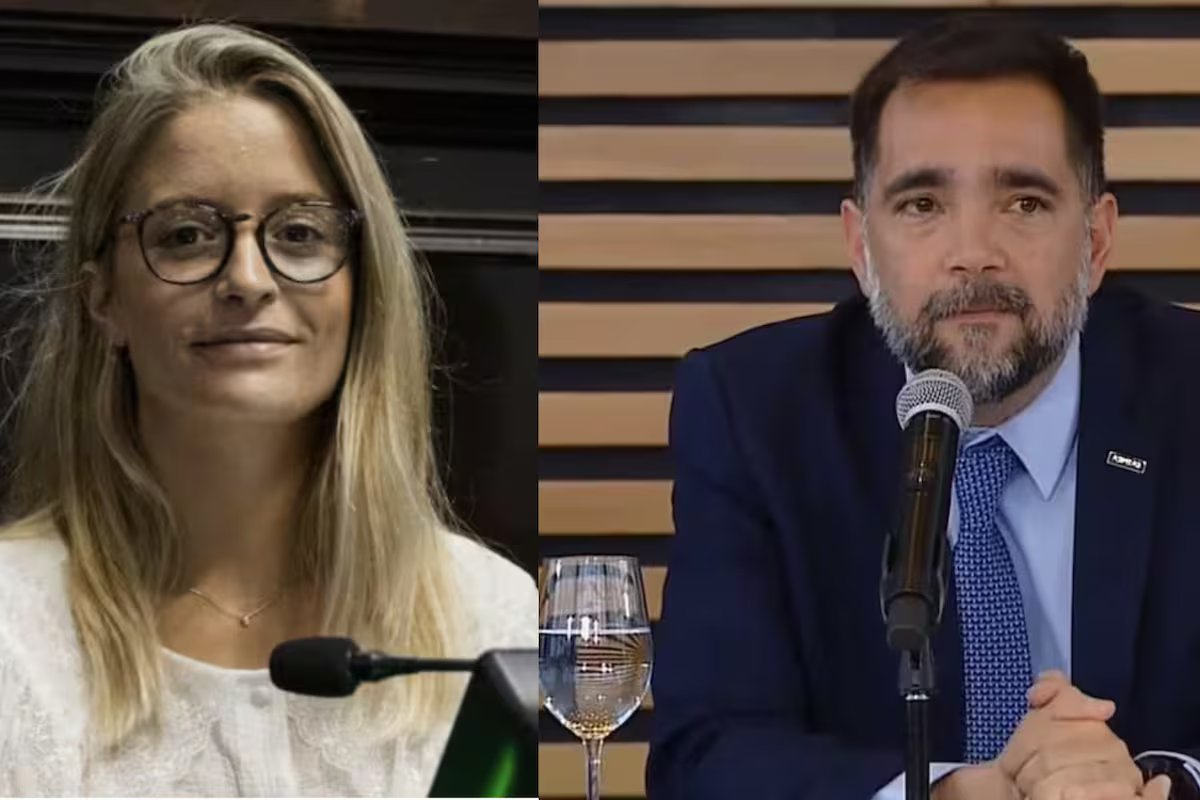
Federal Justice began to advance a scheme of alleged corruption and illicit enrichment in the Regulatory Body of the National Airport System (ORSNA). The investigation, which began from a presentation made on June 3, 2026 by the national deputy Marcela Paganowas left in the hands of the federal prosecutor Ramiro Gonzalezhead of the Federal Prosecutor’s Office No. 7, who formally promoted the criminal action.
According to judicial sources, González also requested a set of test measures aimed at reconstructing the internal functioning of the organization and determining If there was an irregular administration scheme of public funds.
The investigation takes place a few days after the arrest of the former president of ORSNA, Facundo Lealin a case linked to his time at ARSAT. According to the complaint, the power structure that responded to the former official would not only have remained active after his departure, but would have even been consolidated under the leadership of the current authorities of the organization.
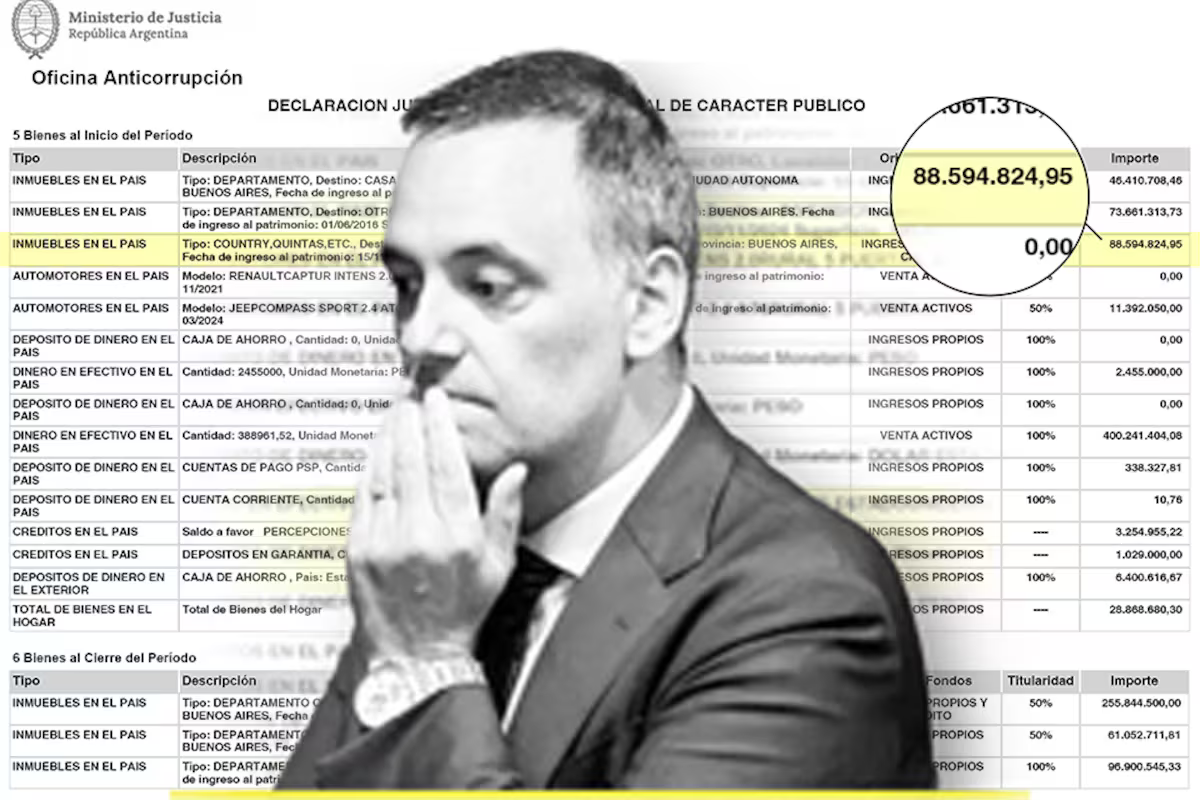
One of the central axes of the investigation points to the assets of the main officials involved. Prosecutor González requested to incorporate a Nosis report on the economic and financial situation of Facundo Lealfrom the current president of ORSNA, Noelia Florencia Ruiz (close to Santiago Caputo), from the vice president Lucila Belén Pagani and of Facundo Gaitándesignated within the organization with “controller” functions.
The objective is to contrast the evolution of the officials’ assets with the complaints that allude to high income and possible irregular management of state resources.
At the same time, the prosecutor’s office requested that ORSNA send the personal files of the four officials. The measure seeks to establish the conditions of its Designations, professional backgrounds and salary scales perceived. The complaint maintains that during the current administration there were changes in the administrative structure that resulted in salary improvements and the concentration of strategic functions.
Another point under analysis is the management of works financed through the Trust to Strengthen the National Airport System (FFSNA), one of the main economic instruments of the sector. The judicial presentation describes a scheme of concentration of awards in a small group of construction companies and specifically mentions Agro, Lemiro Pietroboni, Cemisa and Centro Construcciones.
To reconstruct the contracting circuit, prosecutor González asked ORSNA to report all the works awarded to those firms. from January 1, 2025. In addition, it required knowing whether the bidding processes, progress certifications and payments made were the subject of observations, challenges or administrative complaints.
The investigation also involves control agencies. The General Sindicature of the Nation (SIGEN) and the General Audit of the Nation (AGN) were required to report whether there are ongoing audits or a history of irregularities linked to the contracts under analysis. The intention is to determine if there was warnings about the award system and if they led to administrative actions.
The complaint maintains that, behind the operation, there would be a mechanism of collection of returns to enable payments and work certifications. According to the testimonies included, the required percentage would be around 10% of the value of each procedure. In this scheme, the current authorities of the organization would have a central role within the decision structure.
The prosecution also seeks to establish whether there is a connection between the practices reported in the ORSNA and the management headed by Facundo Leal in Arsat. In that sense, Ramiro González asked to certify the procedural object of the case for which the former official was detained on May 27, 2026, with the objective of determining whether certain operating mechanisms were replicated in both organizations.
These include the displacement of career managers and their replacement by people linked to the Leal’s circle of trust. The hypothesis is that these modifications would have made it possible to reduce internal controls and concentrate decisions on a small group of officials.
Within this scheme appears the figure of Facundo Gaitán. His incorporation into the organization as a “controller” was also under judicial analysis. The prosecution is trying to establish what the real scope of his functions was and whether his appointment responded to a technical need or if it was a position created to politically supervise operational areas and ensure the functioning of the reported system.
The investigation also extended to other specialized organizations. The Anti-Corruption Office and the Office of Administrative Investigations (PIA) were required to report whether there are any antecedents, complaints or actions related to the ORSNA and the construction companies mentioned in the presentation.