Senior Political Reporter
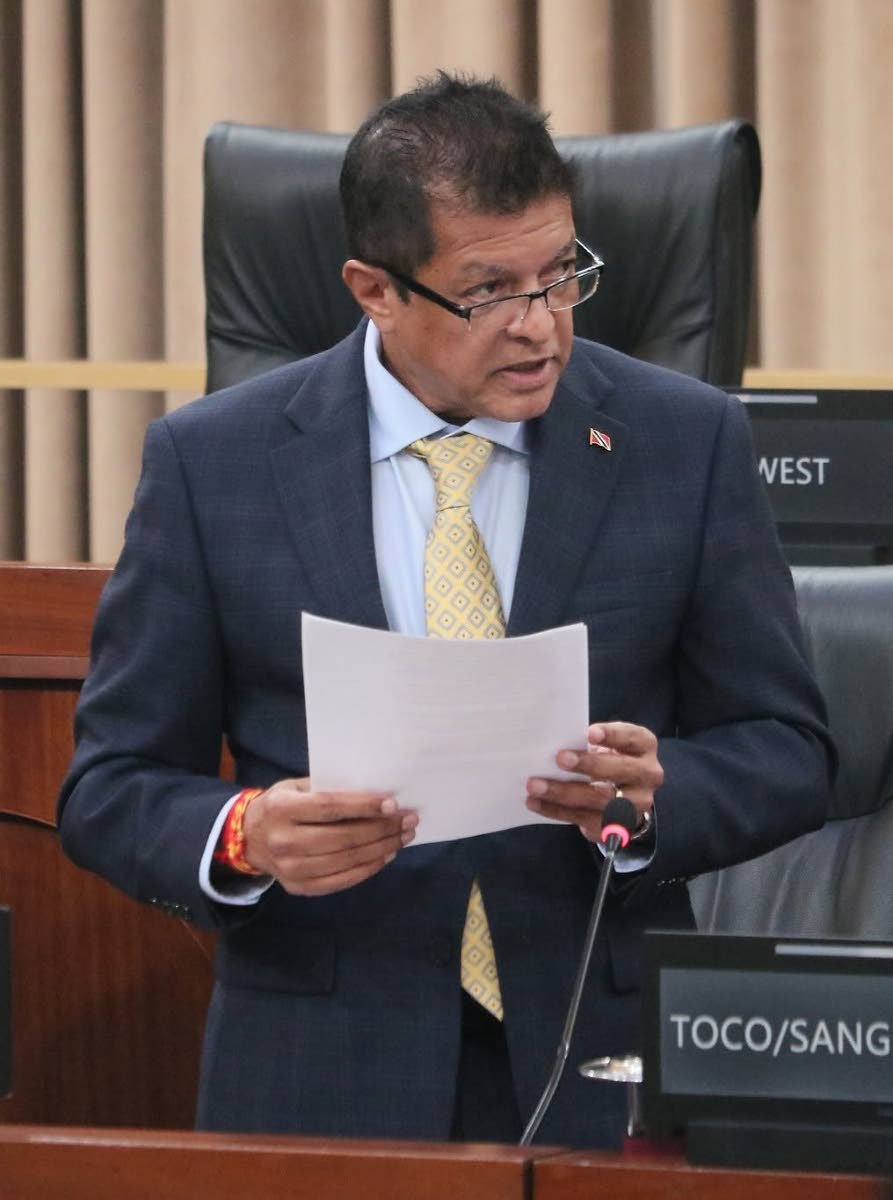
Ebola precautions in effect and members of the public have been advised to avoid travel to Ebola-affected countries—the Democratic Republic of Congo (DRC), South Sudan and Uganda. Those who have visited or transited through these areas will be subject to enhanced health screening upon arrival in Trinidad and Tobago, Health Minister Dr Lackram Bodoe has announced.
Bodoe addressed the issue in a statement to Parliament yesterday amid the Ebola Bundibugyo virus disease outbreak in Central and East Africa.
Ebola is a rare but severe, often fatal, viral haemorrhagic fever. The World Health Organisation (WHO), which first noted cases in May, has classified the outbreak as a public health emergency of international concern.
As of this month, the outbreak—centred in the DRC and spreading into Uganda—has resulted in 534 confirmed cases and 93 deaths. No cases have been reported in the Caribbean to date.
The Ministry of Health has been monitoring the situation since its onset and has also tracked Brazil’s recent testing of two individuals for the disease. Both were negative.
Bodoe said the advisory forms part of ongoing efforts to proactively manage Trinidad and Tobago’s borders and safeguard public health.
“The Government maintains a policy of vigilance without disruption; however, in light of recent global health developments, immediate action is necessary to protect our population and prevent potential complications regarding future quarantine or repatriation efforts,” he said.
“The Ministry strongly advises all nationals of Trinidad and Tobago to avoid all travel to the following countries due to an active Ebola Bundibugyo virus disease outbreak: the Democratic Republic of Congo, Uganda and South Sudan. These countries are considered high-risk zones.”
Citing a WHO warning, Bodoe added: “Additionally, the ministry advises citizens to exercise extreme caution when travelling to nine countries identified by the Africa CDC as high risk for Ebola: Angola, Burundi, Central African Republic, Republic of Congo, Ethiopia, Kenya, Rwanda, Tanzania and Zambia.”
To safeguard public health locally, strict border control measures have also been implemented.Citizens and residents arriving in Trinidad and Tobago who have visited or transited through the DRC, Uganda or South Sudan will undergo enhanced health screening. They will also be subject to mandatory 21-day active monitoring protocols.
“Depending on the results of initial screening, travellers may also be subject to immediate isolation or quarantine measures as directed by Port Health authorities,” Bodoe said.He also issued the following guidance to citizens:
• Cancel or postpone travel: Reassess all planned trips to affected regions.
• Stay informed: Follow updates from the Ministry of Health and WHO.
• Seek medical attention: Anyone recently in an affected region who develops symptoms—such as sudden fever, weakness, muscle pain, headache or sore throat—should seek immediate medical care and isolate from others.
Bodoe added, “The ministry remains committed to the safety and security of all nationals at home and abroad. We will continue to monitor the situation closely and update the population as new information becomes available.”
The measures outlined yesterday mirror recent precautionary steps taken across the Caribbean, including in Antigua and Barbuda, the Cayman Islands, The Bahamas, Jamaica and St Lucia. These include enhanced screening of passengers arriving from countries where Ebola has been detected.