Monday, May 4, 2026
    The GeoStrategic Consensus
    No Result
    View All Result
    • Login
    • HOME
    • AMERICAS
      • Argentina
      • Brazil
      • Canada
      • Chile
      • Colombia
      • Costa Rica
      • Cuba
      • Dominican Republic
      • Ecuador
      • El Salvador
      • Greenland
      • Guatemala
      • Honduras
      • Mexico
      • Nicaragua
      • Panama
      • Paraguay
      • Peru
      • United States
      • Uruguay
      • Venezuela
    • ASIA-PACIFIC
      • Australia
      • Brunei Darussalam
      • Cambodia
      • China
      • Federated States of Micronesia
      • Fiji
      • Indonesia
      • Japan
      • Kiribati
      • Laos
      • Malaysia
      • Marshall Islands
      • Mongolia
      • Myanmar
      • Nauru
      • New Zealand
      • North Korea
      • Palau
      • Papua New Guinea
      • Philippines
      • Samoa
      • Singapore
      • Solomon Islands
      • South Korea
      • Taiwan
      • Thailand
      • Timor-Leste
      • Tonga
      • Tuvalu
      • Vanuatu
      • Vietnam
    • CARICOM
      • CARICOM – Non-English
        • Haiti
        • Suriname
      • CARICOM Associates
        • Anguilla
        • Bermuda
        • British-Virgin-Islands
        • Cayman-Islands
        • Curacao
        • Turks-and-Caicos
      • CARICOM English
        • Antigua and Barbuda
        • Barbados
        • Belize
        • Dominica
        • Grenada
        • Guyana
        • Jamaica
        • Montserrat
        • Saint Kitts and Nevis
        • Saint Lucia
        • Saint Vincent and the Grenadines
        • The Bahamas
        • Trinidad and Tobago
    • EURASIA
      • Armenia
      • Azerbaijan
      • Balarus
      • Georgia
      • Kazakhstan
      • Kyrgyzstan
      • Moldova
      • Russia
      • Tajikistan
      • Turkmenistan
      • Ukraine
      • Uzbekistan
    • EUROPE
      • Albania
      • Andorra
      • Austria
      • Bosnia and Herzegovina
      • Bulgaria
      • Croatia
      • Cyprus
      • Czech Republic
      • Denmark
      • Estonia
      • Finland
      • France
      • Germany
      • Greece
      • Holy See
      • Hungary
      • Iceland
      • Ireland
      • Italy
      • Kosovo
      • Latvia
      • Liechtenstein
      • Lithuania
      • Luxembourg
      • Malta
      • Monaco
      • Montenegro
      • Netherlands
      • North Macedonia
      • Norway
      • Poland
      • Portugal
      • Romania
      • San Marino
      • Serbia
      • Slovakia
      • Slovenia
      • Spain
      • Sweden
      • Switzerland
      • United Kingdom
    • MIDDLE EAST AND NORTH AFRICA
      • Algeria
      • Bahrain
      • Egypt
      • Iran
      • Iraq
      • Israel
      • Jordan
      • Kuwait
      • Lebanon
      • Lybia
      • Morocco
      • Oman
      • Palestinian Territories
      • Qatar
      • Saudi Arabia
      • Syria
      • Tunisia
      • Turkey
      • United Arab Emirates
      • Western Sahara
      • Yemen
    • SOUTH ASIA
      • Afghanistan
      • Bangladesh
      • Bhutan
      • India
      • Maldives
      • Nepal
      • Pakistan
      • Sri Lanka
    • SUB-SAHARAN AFRICA
      • Angola
      • Benin
      • Botswana
      • Burkina Faso
      • Burundi
      • Cabo Verde
      • Cameroon
      • Central African Republic
      • Chad
      • Comoros
      • Cote d’Ivoire
      • Democratic Republic of the Congo
      • Djibouti
      • Equatorial Guinea
      • Eritrea
      • Eswatini
      • Ethiopia
      • Gabon
      • Gambia
      • Ghana
      • Guinea
      • Guinea Bissau
      • Kenya
      • Lesotho
      • Liberia
      • Madagascar
      • Malawi
      • Mali
      • Mauritania
      • Mauritius
      • Mozambique
      • Namibia
      • Niger
      • Nigeria
      • Republic of the Congo
      • Rwanda
      • Sao Tome and Principe
      • Senegal
      • Seychelles
      • Sierra Leone
      • Somalia
      • South Africa
      • South Sudan
      • Sudan
      • Tanzania
      • Togo
      • Uganda
      • Zambia
      • Zimbabwe
    • HOME
    • AMERICAS
      • Argentina
      • Brazil
      • Canada
      • Chile
      • Colombia
      • Costa Rica
      • Cuba
      • Dominican Republic
      • Ecuador
      • El Salvador
      • Greenland
      • Guatemala
      • Honduras
      • Mexico
      • Nicaragua
      • Panama
      • Paraguay
      • Peru
      • United States
      • Uruguay
      • Venezuela
    • ASIA-PACIFIC
      • Australia
      • Brunei Darussalam
      • Cambodia
      • China
      • Federated States of Micronesia
      • Fiji
      • Indonesia
      • Japan
      • Kiribati
      • Laos
      • Malaysia
      • Marshall Islands
      • Mongolia
      • Myanmar
      • Nauru
      • New Zealand
      • North Korea
      • Palau
      • Papua New Guinea
      • Philippines
      • Samoa
      • Singapore
      • Solomon Islands
      • South Korea
      • Taiwan
      • Thailand
      • Timor-Leste
      • Tonga
      • Tuvalu
      • Vanuatu
      • Vietnam
    • CARICOM
      • CARICOM – Non-English
        • Haiti
        • Suriname
      • CARICOM Associates
        • Anguilla
        • Bermuda
        • British-Virgin-Islands
        • Cayman-Islands
        • Curacao
        • Turks-and-Caicos
      • CARICOM English
        • Antigua and Barbuda
        • Barbados
        • Belize
        • Dominica
        • Grenada
        • Guyana
        • Jamaica
        • Montserrat
        • Saint Kitts and Nevis
        • Saint Lucia
        • Saint Vincent and the Grenadines
        • The Bahamas
        • Trinidad and Tobago
    • EURASIA
      • Armenia
      • Azerbaijan
      • Balarus
      • Georgia
      • Kazakhstan
      • Kyrgyzstan
      • Moldova
      • Russia
      • Tajikistan
      • Turkmenistan
      • Ukraine
      • Uzbekistan
    • EUROPE
      • Albania
      • Andorra
      • Austria
      • Bosnia and Herzegovina
      • Bulgaria
      • Croatia
      • Cyprus
      • Czech Republic
      • Denmark
      • Estonia
      • Finland
      • France
      • Germany
      • Greece
      • Holy See
      • Hungary
      • Iceland
      • Ireland
      • Italy
      • Kosovo
      • Latvia
      • Liechtenstein
      • Lithuania
      • Luxembourg
      • Malta
      • Monaco
      • Montenegro
      • Netherlands
      • North Macedonia
      • Norway
      • Poland
      • Portugal
      • Romania
      • San Marino
      • Serbia
      • Slovakia
      • Slovenia
      • Spain
      • Sweden
      • Switzerland
      • United Kingdom
    • MIDDLE EAST AND NORTH AFRICA
      • Algeria
      • Bahrain
      • Egypt
      • Iran
      • Iraq
      • Israel
      • Jordan
      • Kuwait
      • Lebanon
      • Lybia
      • Morocco
      • Oman
      • Palestinian Territories
      • Qatar
      • Saudi Arabia
      • Syria
      • Tunisia
      • Turkey
      • United Arab Emirates
      • Western Sahara
      • Yemen
    • SOUTH ASIA
      • Afghanistan
      • Bangladesh
      • Bhutan
      • India
      • Maldives
      • Nepal
      • Pakistan
      • Sri Lanka
    • SUB-SAHARAN AFRICA
      • Angola
      • Benin
      • Botswana
      • Burkina Faso
      • Burundi
      • Cabo Verde
      • Cameroon
      • Central African Republic
      • Chad
      • Comoros
      • Cote d’Ivoire
      • Democratic Republic of the Congo
      • Djibouti
      • Equatorial Guinea
      • Eritrea
      • Eswatini
      • Ethiopia
      • Gabon
      • Gambia
      • Ghana
      • Guinea
      • Guinea Bissau
      • Kenya
      • Lesotho
      • Liberia
      • Madagascar
      • Malawi
      • Mali
      • Mauritania
      • Mauritius
      • Mozambique
      • Namibia
      • Niger
      • Nigeria
      • Republic of the Congo
      • Rwanda
      • Sao Tome and Principe
      • Senegal
      • Seychelles
      • Sierra Leone
      • Somalia
      • South Africa
      • South Sudan
      • Sudan
      • Tanzania
      • Togo
      • Uganda
      • Zambia
      • Zimbabwe
    No Result
    View All Result
    Agentially
    No Result
    View All Result
    Home ASIA-PACIFIC Australia

    Budget 2026: Chalmers can’t win on government spending – and he doesn’t need to

    The Analyst by The Analyst
    April 21, 2026
    in Australia
    Budget 2026: Chalmers can’t win on government spending – and he doesn’t need to


    April 17, 2026 — 5:00am

    You have reached your maximum number of saved items.

    READ ALSO

    Snowy 2.0: Water torrents gush through tunnel amid project challenges

    Lebanon attacks: UN warns of health crisis amid ongoing Israel-Hezbollah conflict

    Remove items from your saved list to add more.

    Save this article for later

    Add articles to your saved list and come back to them anytime.

    Don’t be too quick to believe what the business press has been trumpeting: that government spending is out of control and that Treasurer Jim Chalmers has been going rogue with the nation’s wallet.

    Equally, though, don’t go too easy on the guy.

    In less than a month, Chalmers will have his chance to dress up the federal budget: a fat document (usually broken up into several booklets) laying out the government’s financial position, as well as its spending plans and forecasts for the year ahead.

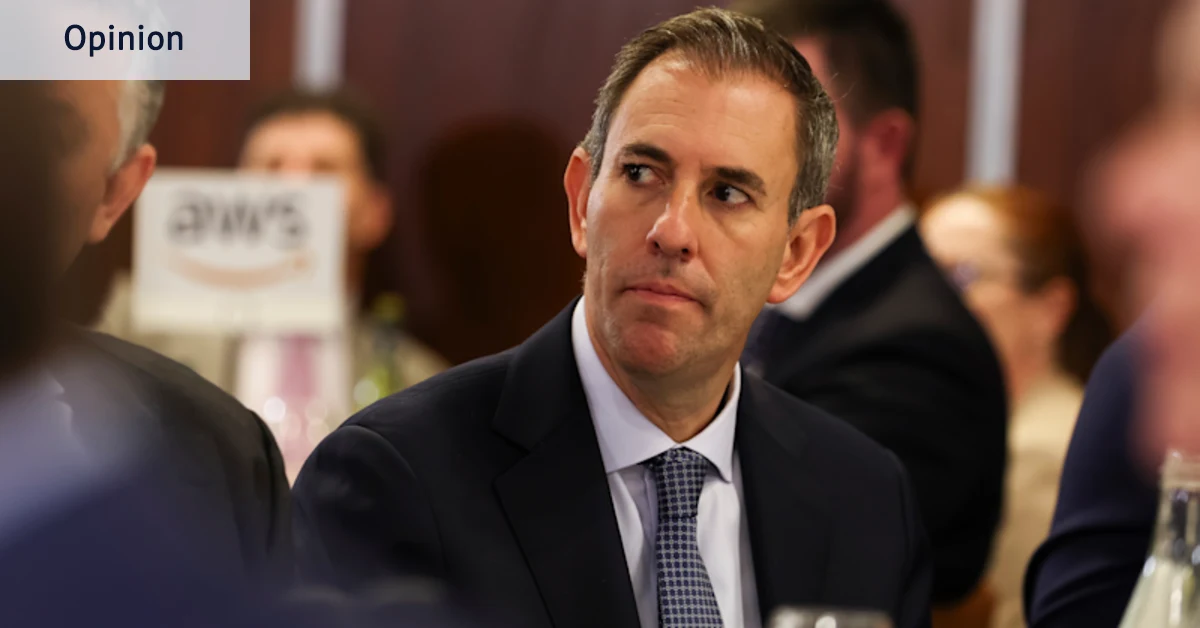
    Treasurer Jim Chalmers is under pressure to rein in spending – but also to increase it.Matt Davidson

    The government is always pulled in two directions.

    There will be – and already are – people calling for Chalmers to cut spending. Why? Well, some people believe government spending and taxation, as a general rule, should be as small as possible, allowing businesses and individuals to spend and earn more of their money in the way they think is best, “naturally” leading to the best outcome for everyone. That’s generally the view of those who believe in “free market” economics.

    Then there are those who believe the government should play a bigger role in the economy, helping to fund public services such as healthcare and education, and shaping our behaviour, often with higher taxation. These people generally lean more towards “Keynesian economics”.

    Most people sit somewhere in the middle.

    Recently, though, a lot of people – including many economists and the business press – have been going after the government for spending too much. They argue that government spending – which has jumped from about 22.5 per cent of the size of the economy before the pandemic to nearly 28 per cent in 2025 – has been climbing too fast and worsening inflation.

    AMP chief economist Shane Oliver, for example, says that over the past few years, the government has spent a lot more money in areas such as healthcare. That makes sense given our ageing population: older people generally require more hospital and GP visits.

    But it also means those sectors required more workers, many of whom were pulled from other jobs, leading to a shortage in workers (which we saw in the record low unemployment figures over the past few years).

    Related Article

    The unemployment rate was steady in March, at 4.3 per cent.

    Without so much government spending, we probably would have lower inflation because we’d have less overall spending (or demand) in the economy – including fewer people with jobs and money to spend – and less of a fight over scarce resources (such as workers).

    But it goes the other way, too.

    If things cost more, then the government has to pay more to provide them. And if there are more of us needing them, the government has to spend more if they want to make sure no one is worse off than before.

    As the Australian Council of Social Service puts it in their latest analysis, government spending isn’t actually crazily high when you consider inflation and population growth, both of which have been higher than usual recently.

    There was a “period of austerity” from 2014 to 2018, they point out, when, considering price increases and population growth, the government reduced the amount it was spending per person. This “underspending”, they argue, kicked the can down the road and worsened pressures in areas such as healthcare for future budgets.

    And for the most recent period – from 2022 to 2028 – spending per person in real terms (meaning, accounting for inflation) is estimated to grow an average of 1.5 per cent according to the council’s analysis. That’s lower than the long-term average before the pandemic of 1.7 per cent a year.

    Government spending per person isn’t as high as some would have you believe.

    Basically, when you consider the rising cost of goods and services and the fact that there are more of us, the government isn’t spending a huge amount more every year.

    In fact, the government’s recent estimates show spending per person, accounting for inflation, will fall next year – even if Chalmers were to make no new spending cuts. By how much? From roughly $29,000 in 2025-26 to just over $28,000 in 2026-27: a nearly 3 per cent reduction.

    Of course, governments often underestimate how much they’ll spend in years to come (it’s easier for them to promise they’ll make savings down the line than to do so immediately and front up against all the people they might upset).

    There are also assumptions made in budgets every year which, as the council points out, lead to lower-than-realistic estimates of how much the government will be spending. The government assumes, for example, that social security payments such as Jobseeker will be frozen in real terms – going up in line with inflation but no more than that – every year, and that there will be no new spending on public infrastructure such as new metro lines or buildings (which we know are almost always in the pipeline).

    And Chalmers said this week that the budget he was contemplating in February won’t be identical to the budget he’ll hand down in May. It’s pretty clear, given the fuel price pressures people are under, that the government will be looking to include some further cost of living relief help in the budget. That relief, of course, should be temporary and targeted at those who need it.

    Even so, the council says government spending across Australia is less than the average among fellow wealthy nations, coming in fifth-lowest among 33 countries surveyed by the Organisation for Economic Co-operation and Development, and that there are plenty of things which still require more funding.

    Related Article

    Illustration by Simon Letch

    It’s important to remember part of why the government’s spending seems so much lower is that Australia relies quite heavily on the superannuation system, meaning the government doesn’t spend as much on things such as pension payments.

    But the council’s chief executive Cassandra Goldie says cutting government spending, nonetheless, would have serious consequences, including lower standards and longer queues to get essential services such as aged care, higher out-of-pocket expenses for healthcare, and more people pushed into homelessness and poverty.

    There’s truth in all of this. Government spending per person isn’t as high as some would have you believe, and that means many of our essential services: from hospitals to schools, are being underfunded.

    But growing total government spending, especially when it’s taking up a bigger share of the economy and our scarce resources, can put pressure on prices.

    The argument that a more government-led economy is inherently bad is probably wrong. As the Australia Institute’s director Richard Denniss says, there are Nordic countries with larger government-led sectors than Australia with stronger productivity growth and famously high standards of living.

    To make the economy more productive, we need to get the most out of our workers and businesses.

    But there’s also plenty of room to improve the way government money is spent – including fixing the National Disability Insurance Scheme to be means-tested – and raised, such as making sure gas companies in Australia pay their fair share of tax.

    It’s also crucial to kickstart our productivity growth: our ability to make and produce things better or using fewer resources.

    A large reason why higher government spending is seen as bad right now is that it’s pushing up inflation. And why is that? Because we’re lacking the ability to keep up with the extra demand (from increased spending). We could change this if we improved how we use our limited resources.

    To make the economy more productive, we need to get the most out of our workers and businesses.

    That means knocking down barriers to competition (which the government has been focusing on), ensuring workers have adequate housing, and making sure the tax system is fair so that workers aren’t discouraged from working and innovating.

    Fixing the tax system – by reducing the capital gains tax discount, winding back negative gearing and increasing the goods and services tax (with some compensation for lower-income households in the form of income tax reductions) – are some of the ways the government could not only fund its additional spending, but also boost our productivity.

    While Chalmers will be pushed to make spending cuts by some, and pushed to spend more by others, the focus should be on whether he is brave enough to make the tax changes that will put us in a better position whichever way he goes.

    The Business Briefing newsletter delivers major stories, exclusive coverage and expert opinion. Sign up to get it every weekday morning.

    You have reached your maximum number of saved items.

    Remove items from your saved list to add more.

    Millie MuroiMillie Muroi is the economics writer at The Sydney Morning Herald and The Age. She was formerly an economics correspondent based in Canberra’s Press Gallery and the banking writer based in Sydney.Connect via X or email.


    From our partners


    Source link

    Related Posts

    Snowy 2.0: Water torrents gush through tunnel amid project challenges
    Australia

    Snowy 2.0: Water torrents gush through tunnel amid project challenges

    May 4, 2026
    Lebanon attacks: UN warns of health crisis amid ongoing Israel-Hezbollah conflict
    Australia

    Lebanon attacks: UN warns of health crisis amid ongoing Israel-Hezbollah conflict

    May 4, 2026
    NRL: How Brisbane Broncos coach Michael Maguire defied his critics to become ‘one of the best signings’
    Australia

    NRL: How Brisbane Broncos coach Michael Maguire defied his critics to become ‘one of the best signings’

    May 3, 2026
    Best TV shows to stream in May 2026. What’s on Netflix, Disney, Amazon Prime and more
    Australia

    Best TV shows to stream in May 2026. What’s on Netflix, Disney, Amazon Prime and more

    May 3, 2026
    Warriors vs Eels: Parramatta’s woes continue as Ryley Smith injured in defeat to Warriors
    Australia

    Warriors vs Eels: Parramatta’s woes continue as Ryley Smith injured in defeat to Warriors

    May 3, 2026
    Elizabeth St crowds clearly showed our shared values
    Australia

    Elizabeth St crowds clearly showed our shared values

    May 3, 2026
    Next Post
    FAPUV calls for national university strike due to salary crisis

    FAPUV calls for national university strike due to salary crisis

    POPULAR NEWS

    Justin Bieber fans flood Coachella festival for headlining show – Entertainment

    Justin Bieber fans flood Coachella festival for headlining show – Entertainment

    April 20, 2026

    Over 600 flee homes as Army, NPA clash in Negros Occidental

    April 21, 2026

    Ex-DPWH exec recalls P800-M ‘delivery’ to Zaldy Co 

    April 20, 2026

    Former PM Paluckas suspends party membership, to waive immunity over criminal probe

    April 24, 2026
    Pres. Ali challenges CARICOM to transform into health research powerhouse

    Pres. Ali challenges CARICOM to transform into health research powerhouse

    April 23, 2026

    EDITOR'S PICK

    Datafolha: Lula now ties with rivals in the 2nd round – 04/11/2026 – Politics

    Datafolha: Lula now ties with rivals in the 2nd round – 04/11/2026 – Politics

    April 11, 2026

    Moruga man dies after fall from roadside wall

    April 16, 2026
    Grenada Revolution chronicled by photographer Arthur Winner

    Grenada Revolution chronicled by photographer Arthur Winner

    April 11, 2026
    The country that denounces but does not punish environmental crimes

    The country that denounces but does not punish environmental crimes

    April 11, 2026

    Recent Posts

    • They were admitted to the best universities in the world, but the Peruvian State leaves them without a scholarship
    • Tensions for the election of the head of the DP in Korça, Salianji reacts: Democrats are brave, not sheep! The Rama-Berisha regime wants to forgive Niko Peleš
    • MUP KSH Arrest in Stari Grad, a thief was caught, the police announced about 4 hours ago
    • Shakira made history: Two million people attended her concert (VIDEO)

      © 2026 Agentially - Navigating shifting sovereignties and global risk .

      Welcome Back!

      Login to your account below

      Forgotten Password?

      Retrieve your password

      Please enter your username or email address to reset your password.

      Log In
      No Result
      View All Result

        © 2026 Agentially - Navigating shifting sovereignties and global risk .

        This website uses cookies. By continuing to use this website you are giving consent to cookies being used. Visit our Privacy and Cookie Policy.