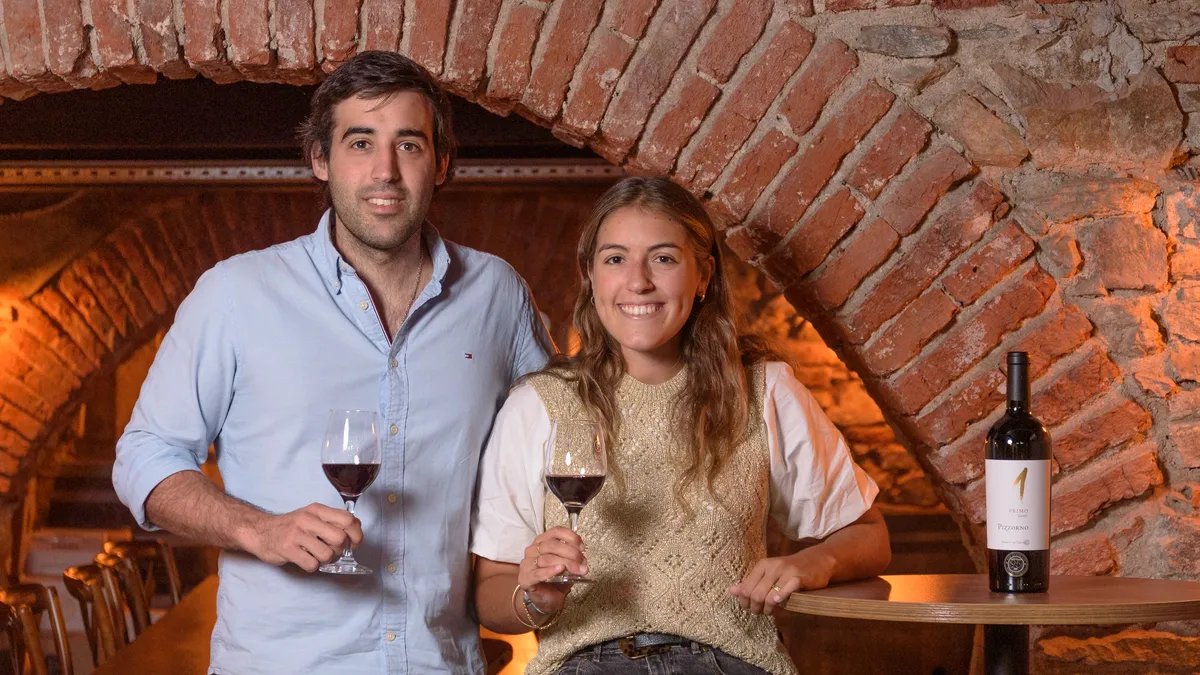
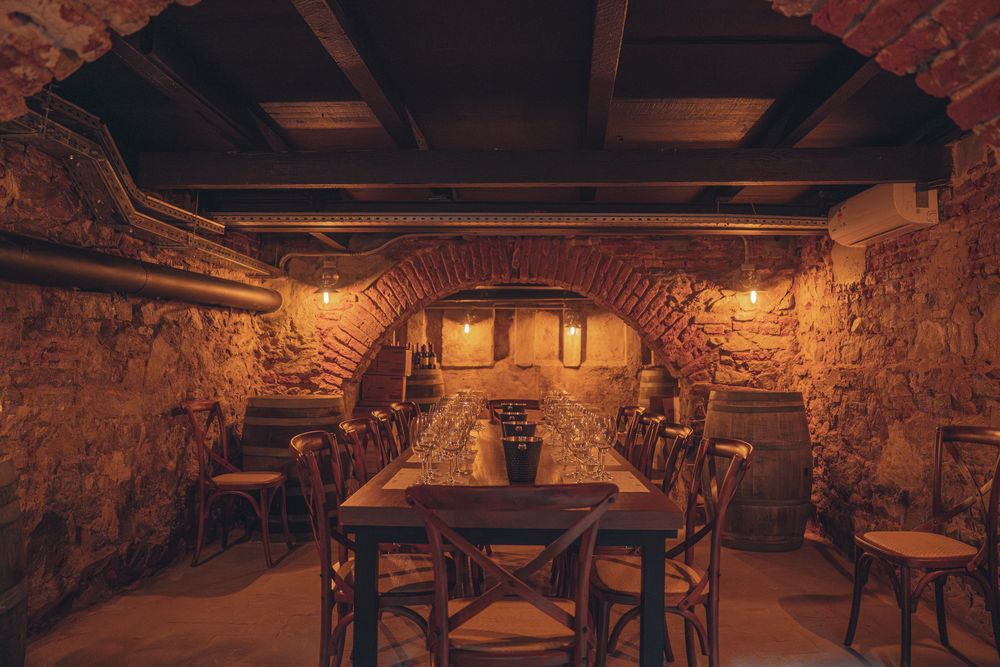
However, still far from that destination, The place was the former residence of an immigrant family, it suffered a fire and was abandoned and occupied. Today, after more than six months of work, and an investment close to a million dollarshis old basement, in which stone arches are part of its foundationswas converted into a wine cellar and its different levels, restored, house the different business units of this innovative commitment. Behind this transformation there are two main protagonists, the brothers María Clara and Francisco Pizzorno, fourth generation of this family of winemakers and Toro architectsan architecture and interior design firm based in Uruguay, responsible for rescuing the historical essence of the property.
How City Winery works: from tastings to immersive cultural experiences
Copy of @matiphoto-46 (1)
The Pizzorno family has been linked to wine since 1910. More than a century later, the company has a winery, restaurant and inn in the department of Canelones, in addition to a strong presence of its labels both in the local market and abroad.
However, in a context of changes in consumer habits and a greater appreciation of local experiences during the pandemic, The family business began to wonder how to bring the world of wine to new audiences and continue innovating.
citywinery _DSC7425
They finally found the opportunity in a format that did not exist in the local market: an urban winery integrated into the daily life of the city, close to homes, hotels and the main tourist circuits of the capital. Thus, the siblings María Clara and Francisco, 27 and 33 years old respectively, took the project on their shoulders and inaugurated the space in 2025.
“Our goal is to be kilometer zero of wine in Uruguay,” summarized María Clara Pizzorno in dialogue with Coffee and Business.
The space, of 450 square meters, was designed to combine different experiences under one roof. With different levels, City Winery works like this an ecosystem in which gastronomy, wine tourism, technology and events coexist.
During the day, the focus is on disseminating wine culture and tasting. These experiences begin with a 360° immersive room in which The history of Uruguayan wine is told through projections on floors and walls.
“When we moved to Montevideo we thought how we could show the vineyard and tell our story when, in reality, the wines are born in Canelones,” María Clara Pizzorno explained about this room.
After this audiovisual introduction, visitors descend to the cellar to participate in tastings guided by sommeliers. The proposal includes wines from different regions of the country, accompanied by representative bites from each area.with the aim of positioning the space as a gateway to the Uruguayan wine universe, with wines of different origins and wineries.
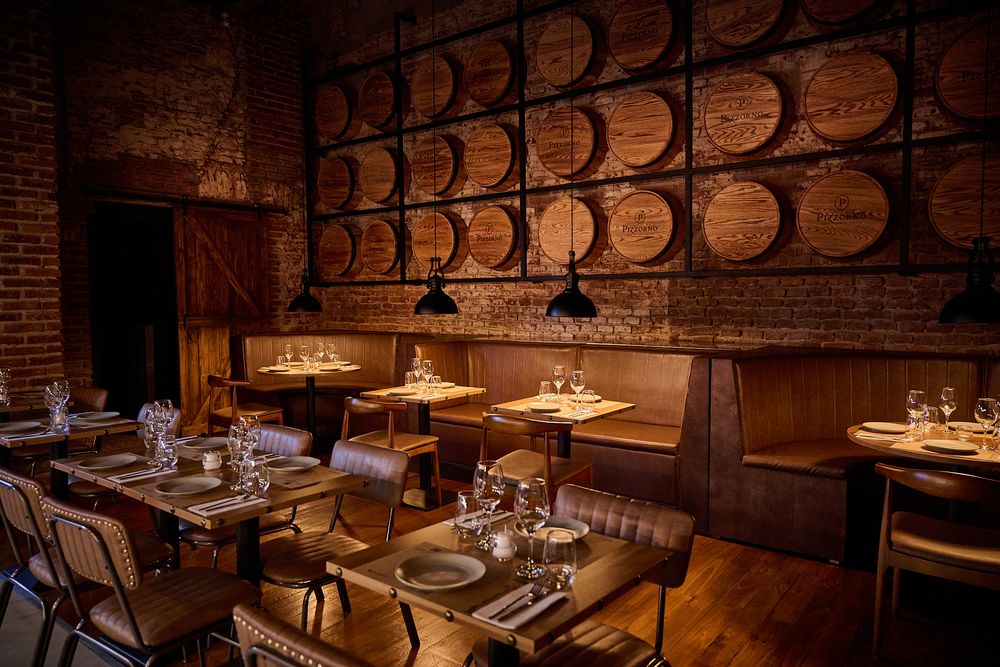
Starting at 7:30 p.m., the space completely changes its profile and The cellar and the main room are transformed into a restaurant that welcomes diners with a gastronomic proposal focused on local and seasonal products. Meat occupies a leading place on the menu, although there are also pasta and dessert options inspired by the world of wine, such as traditional pears in red wine.
The complex is complemented by a boutique of local products and spaces for social and corporate events. Together, all areas have the capacity to receive about 80 people.
But, also, in the immersive room the entrepreneurs found a potential that goes beyond wine and that was recently transformed into a new business unit.
DSC_1480
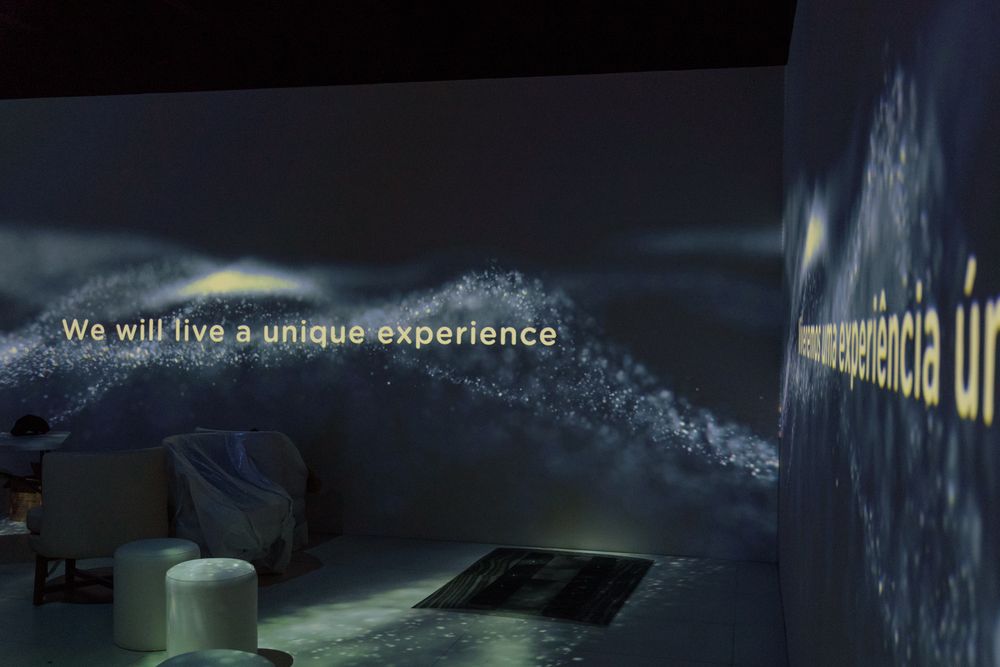
In alliance with the production company Nodo, responsible for the technological development of the room, City Winery began to build its own agenda of cultural events. The programming already included immersive listening experiences dedicated to Pink Floyd, while in the coming months it will add proposals focused on Michael Jackson, in addition to activities such as trick and wine championships, astrology meetings and other thematic experiences. The space also has a rooftop on what was previously the roof of the house. The strategy aims to expand the scope of the project beyond wine fans and turn the space into a new cultural center of the city.
Today the public of the place is defined by its founder as a marriage between tourists and local public, with a notable presence of Brazilian, Argentinian, American and German visitors.
At the wine level, consumer interest has been diversifying and queries for wine are increasingly growing. varieties such as Marselán, Petit Verdot and different blends. Furthermore, the place not only offers wines from the winery itself, but has also been incorporating labels from friendly wineries, as well as beers and drinks.
“For us City Winery Uruguay, it is the starting point of a more ambitious stage, we want to take it to another scale, and evaluate possibilities so that this model can grow, and be able to attract investors that allow us to reach new markets, always having as a focus transmitting the culture of our country through wines, technology, and gastronomy. The focus is that the client does not just come to dine but that they come to live an experience with all the senses,” said Pizzorno.
Six months of work to rescue a hidden gem in Cordón
Screenshot 2026-06-04 170947
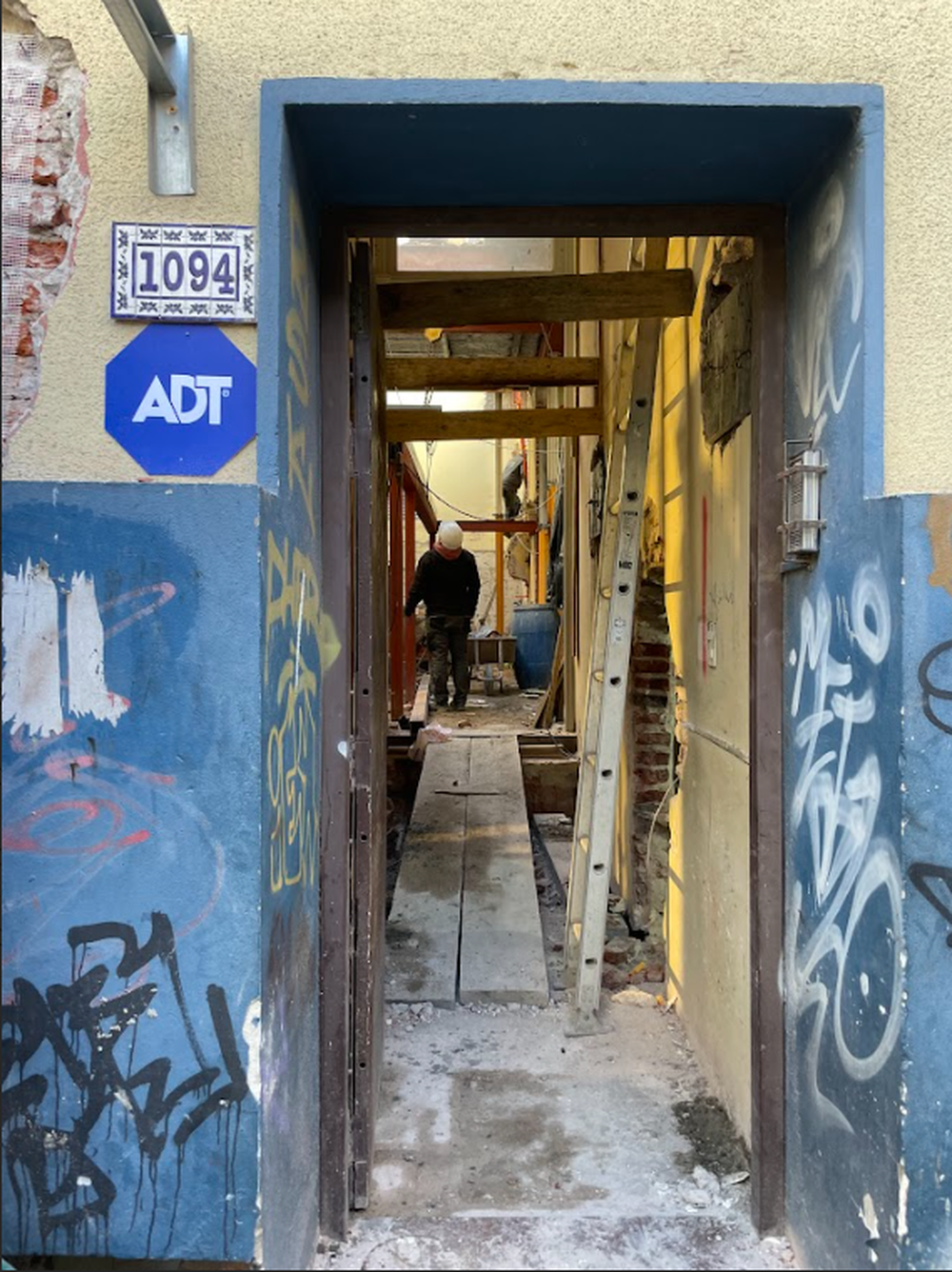
The transformation of the house into what it is today was a major architectural challenge. In dialogue with Coffee and BusinessErnesto Figueroa, director of Toro Arquitectos – a studio with a presence in Montevideo and Punta del Este specialized in retail, gastronomy and residential projects – reviewed the process that allowed the property to be recovered. When they started working, the architect and interior designer said, The place was in a state of absolute abandonment, since in addition to having suffered a fire that had affected part of its structure, the property had been occupied and had become a drug den.
Even so, both the founders and the team of architects quickly identified the potential of the place and got to work.
The recovery required a comprehensive intervention, where it was necessary to reinforce the structure, incorporate facilities that did not exist and adapt the property to its new uses.
“We conditioned the place 100%. It did not have bathrooms, we created spaces, kitchen and production areas,” explained Figueroa.
Furthermore, the challenge was to make the most of the 450 square meters available without losing the essence of the original construction.
To optimize the surface, The studio developed a circulation system that connects the different levels through several stairs and double-height spaces.
The intervention also sought respect the architectural language of the house. The original construction, made of brick, served as inspiration for the new additions and many of the extensions and adaptations maintained that same material, reinforcing an industrial and rustic aesthetic that seeks to recreate the characteristic atmosphere of a traditional winery.
The experience, Figueroa said, is completed with careful lighting work.
The work took about six months to complete, although it was preceded by approximately a year of joint work between the architects and the founders to define the concept and design of the project.
Among the recovered spaces, one of the most notable is the old basement of the property. What once functioned as a warehouse and food storage area it became the cellar. There it was discovered one of the main architectural treasures of the house: a series of stone arches that are part of its foundations and that give the environment a unique identity. At the opposite end, the roof was converted into a rooftop and currently houses the immersive room.
“Precisely that place was what caught us the most because it makes us travel in time and space. Of all the beautiful things that happened to us in these months, one of the most special was receiving a visit from former owners, who lived here many years ago. Today, that place is still alive, but in a different way: full of encounters and experiences”Pizzorno closed.