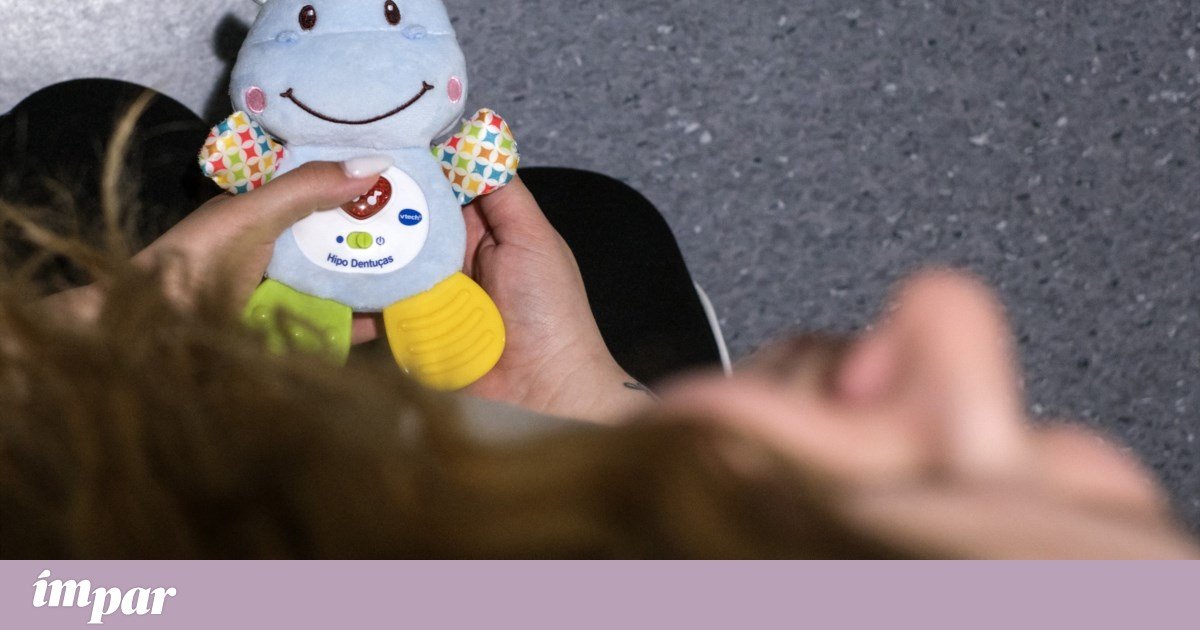
The Order of Portuguese Psychologists (OPP) launched this Monday the “Escolhe Palavras que Cuidam” campaign to raise awareness among parents and all adults about the marks that “apparently harmless” phrases can leave on the self-esteem and children’s confidence.
Launched in connection with the World Children’s Daythe campaign aims, through a video released This Monday on the OPP’s social networks, raise awareness of the impact that words can have on emotional and social development.
The OPP emphasizes in a statement that phrases such as “But don’t you think?!”, “That doesn’t hurt at all!” or “You have no reason to be sad” can leave “deep marks” on “self-esteem, confidence and the way children learn to look at themselves”.
In the video, the order also warns of other expressions frequently used in everyday life, namely “That’s over”, “You’ve already ruined everything” and “That way you’re not going anywhere”.
Throughout the video, the children themselves give voice to the campaign’s central message: “Adults’ words help us grow, but they can also leave marks.”
“You forget what you said, but your words stay inside me and I believe them. Before you talk to me, remember: I’m still learning to like myself. Choose words that care”, the message continues.
With the campaign, the OPP intends to “reinforce the importance of more empathetic, conscious and respectful communication children’s emotionspromoting relationships that contribute to their psychological well-being and healthy development”.
The campaign also includes sharing examples of “words that care”, encouraging adults to replace criticism, devaluation or judgment with messages of support, understanding and encouragement.
“I’m proud of who you are, not just what you do”, “I love you!”, “You don’t have to hide from me what’s difficult for you”, “You don’t have to earn or deserve my love”, “I believe in you”, “You can always talk to me about what worries you” or “No matter what happens, you can always count on me” are some of the positive expressions highlighted by the OPP.