Sunday, June 7, 2026
    The GeoStrategic Consensus
    No Result
    View All Result
    • Login
    • HOME
    • AMERICAS
      • Argentina
      • Brazil
      • Canada
      • Chile
      • Colombia
      • Costa Rica
      • Cuba
      • Dominican Republic
      • Ecuador
      • El Salvador
      • Greenland
      • Guatemala
      • Honduras
      • Mexico
      • Nicaragua
      • Panama
      • Paraguay
      • Peru
      • United States
      • Uruguay
      • Venezuela
    • ASIA-PACIFIC
      • Australia
      • Brunei Darussalam
      • Cambodia
      • China
      • Federated States of Micronesia
      • Fiji
      • Indonesia
      • Japan
      • Kiribati
      • Laos
      • Malaysia
      • Marshall Islands
      • Mongolia
      • Myanmar
      • Nauru
      • New Zealand
      • North Korea
      • Palau
      • Papua New Guinea
      • Philippines
      • Samoa
      • Singapore
      • Solomon Islands
      • South Korea
      • Taiwan
      • Thailand
      • Timor-Leste
      • Tonga
      • Tuvalu
      • Vanuatu
      • Vietnam
    • CARICOM
      • CARICOM – Non-English
        • Haiti
        • Suriname
      • CARICOM Associates
        • Anguilla
        • Bermuda
        • British-Virgin-Islands
        • Cayman-Islands
        • Curacao
        • Turks-and-Caicos
      • CARICOM English
        • Antigua and Barbuda
        • Barbados
        • Belize
        • Dominica
        • Grenada
        • Guyana
        • Jamaica
        • Montserrat
        • Saint Kitts and Nevis
        • Saint Lucia
        • Saint Vincent and the Grenadines
        • The Bahamas
        • Trinidad and Tobago
    • EURASIA
      • Armenia
      • Azerbaijan
      • Balarus
      • Georgia
      • Kazakhstan
      • Kyrgyzstan
      • Moldova
      • Russia
      • Tajikistan
      • Turkmenistan
      • Ukraine
      • Uzbekistan
    • EUROPE
      • Albania
      • Andorra
      • Austria
      • Bosnia and Herzegovina
      • Bulgaria
      • Croatia
      • Cyprus
      • Czech Republic
      • Denmark
      • Estonia
      • Finland
      • France
      • Germany
      • Greece
      • Holy See
      • Hungary
      • Iceland
      • Ireland
      • Italy
      • Kosovo
      • Latvia
      • Liechtenstein
      • Lithuania
      • Luxembourg
      • Malta
      • Monaco
      • Montenegro
      • Netherlands
      • North Macedonia
      • Norway
      • Poland
      • Portugal
      • Romania
      • San Marino
      • Serbia
      • Slovakia
      • Slovenia
      • Spain
      • Sweden
      • Switzerland
      • United Kingdom
    • MIDDLE EAST AND NORTH AFRICA
      • Algeria
      • Bahrain
      • Egypt
      • Iran
      • Iraq
      • Israel
      • Jordan
      • Kuwait
      • Lebanon
      • Lybia
      • Morocco
      • Oman
      • Palestinian Territories
      • Qatar
      • Saudi Arabia
      • Syria
      • Tunisia
      • Turkey
      • United Arab Emirates
      • Western Sahara
      • Yemen
    • SOUTH ASIA
      • Afghanistan
      • Bangladesh
      • Bhutan
      • India
      • Maldives
      • Nepal
      • Pakistan
      • Sri Lanka
    • SUB-SAHARAN AFRICA
      • Angola
      • Benin
      • Botswana
      • Burkina Faso
      • Burundi
      • Cabo Verde
      • Cameroon
      • Central African Republic
      • Chad
      • Comoros
      • Cote d’Ivoire
      • Democratic Republic of the Congo
      • Djibouti
      • Equatorial Guinea
      • Eritrea
      • Eswatini
      • Ethiopia
      • Gabon
      • Gambia
      • Ghana
      • Guinea
      • Guinea Bissau
      • Kenya
      • Lesotho
      • Liberia
      • Madagascar
      • Malawi
      • Mali
      • Mauritania
      • Mauritius
      • Mozambique
      • Namibia
      • Niger
      • Nigeria
      • Republic of the Congo
      • Rwanda
      • Sao Tome and Principe
      • Senegal
      • Seychelles
      • Sierra Leone
      • Somalia
      • South Africa
      • South Sudan
      • Sudan
      • Tanzania
      • Togo
      • Uganda
      • Zambia
      • Zimbabwe
    • HOME
    • AMERICAS
      • Argentina
      • Brazil
      • Canada
      • Chile
      • Colombia
      • Costa Rica
      • Cuba
      • Dominican Republic
      • Ecuador
      • El Salvador
      • Greenland
      • Guatemala
      • Honduras
      • Mexico
      • Nicaragua
      • Panama
      • Paraguay
      • Peru
      • United States
      • Uruguay
      • Venezuela
    • ASIA-PACIFIC
      • Australia
      • Brunei Darussalam
      • Cambodia
      • China
      • Federated States of Micronesia
      • Fiji
      • Indonesia
      • Japan
      • Kiribati
      • Laos
      • Malaysia
      • Marshall Islands
      • Mongolia
      • Myanmar
      • Nauru
      • New Zealand
      • North Korea
      • Palau
      • Papua New Guinea
      • Philippines
      • Samoa
      • Singapore
      • Solomon Islands
      • South Korea
      • Taiwan
      • Thailand
      • Timor-Leste
      • Tonga
      • Tuvalu
      • Vanuatu
      • Vietnam
    • CARICOM
      • CARICOM – Non-English
        • Haiti
        • Suriname
      • CARICOM Associates
        • Anguilla
        • Bermuda
        • British-Virgin-Islands
        • Cayman-Islands
        • Curacao
        • Turks-and-Caicos
      • CARICOM English
        • Antigua and Barbuda
        • Barbados
        • Belize
        • Dominica
        • Grenada
        • Guyana
        • Jamaica
        • Montserrat
        • Saint Kitts and Nevis
        • Saint Lucia
        • Saint Vincent and the Grenadines
        • The Bahamas
        • Trinidad and Tobago
    • EURASIA
      • Armenia
      • Azerbaijan
      • Balarus
      • Georgia
      • Kazakhstan
      • Kyrgyzstan
      • Moldova
      • Russia
      • Tajikistan
      • Turkmenistan
      • Ukraine
      • Uzbekistan
    • EUROPE
      • Albania
      • Andorra
      • Austria
      • Bosnia and Herzegovina
      • Bulgaria
      • Croatia
      • Cyprus
      • Czech Republic
      • Denmark
      • Estonia
      • Finland
      • France
      • Germany
      • Greece
      • Holy See
      • Hungary
      • Iceland
      • Ireland
      • Italy
      • Kosovo
      • Latvia
      • Liechtenstein
      • Lithuania
      • Luxembourg
      • Malta
      • Monaco
      • Montenegro
      • Netherlands
      • North Macedonia
      • Norway
      • Poland
      • Portugal
      • Romania
      • San Marino
      • Serbia
      • Slovakia
      • Slovenia
      • Spain
      • Sweden
      • Switzerland
      • United Kingdom
    • MIDDLE EAST AND NORTH AFRICA
      • Algeria
      • Bahrain
      • Egypt
      • Iran
      • Iraq
      • Israel
      • Jordan
      • Kuwait
      • Lebanon
      • Lybia
      • Morocco
      • Oman
      • Palestinian Territories
      • Qatar
      • Saudi Arabia
      • Syria
      • Tunisia
      • Turkey
      • United Arab Emirates
      • Western Sahara
      • Yemen
    • SOUTH ASIA
      • Afghanistan
      • Bangladesh
      • Bhutan
      • India
      • Maldives
      • Nepal
      • Pakistan
      • Sri Lanka
    • SUB-SAHARAN AFRICA
      • Angola
      • Benin
      • Botswana
      • Burkina Faso
      • Burundi
      • Cabo Verde
      • Cameroon
      • Central African Republic
      • Chad
      • Comoros
      • Cote d’Ivoire
      • Democratic Republic of the Congo
      • Djibouti
      • Equatorial Guinea
      • Eritrea
      • Eswatini
      • Ethiopia
      • Gabon
      • Gambia
      • Ghana
      • Guinea
      • Guinea Bissau
      • Kenya
      • Lesotho
      • Liberia
      • Madagascar
      • Malawi
      • Mali
      • Mauritania
      • Mauritius
      • Mozambique
      • Namibia
      • Niger
      • Nigeria
      • Republic of the Congo
      • Rwanda
      • Sao Tome and Principe
      • Senegal
      • Seychelles
      • Sierra Leone
      • Somalia
      • South Africa
      • South Sudan
      • Sudan
      • Tanzania
      • Togo
      • Uganda
      • Zambia
      • Zimbabwe
    No Result
    View All Result
    Agentially
    No Result
    View All Result
    Home MIDDLE EAST and NORTH AFRICA Saudi Arabia

    Al-Riyadh newspaper | The return of pilgrims…a joy documented by Mecca’s gifts

    The Analyst by The Analyst
    June 7, 2026
    in Saudi Arabia
    Al-Riyadh newspaper | The return of pilgrims…a joy documented by Mecca’s gifts


    Friday and Saturday 19/20 Dhu al-Hijjah 1447 AH – 5/6 June 2026 AD

    Long days accompanied by suffering on the return trip by caravan

    The return of pilgrims…a joy documented by Mecca’s gifts

    Before the arrival of cars, the Hajj journey was arduous and fraught with danger

    READ ALSO

    Iran FM asks Lebanon’s Aoun to save country from ‘real foe’ after ‘bargaining chip’ comment

    After 10 days of siege.. the success of the largest rescue operation for detainees inside a cave in Laos – Saudi News

    (Night Market) is no longer depicted, but its name remains. It is considered a symbol for shoppers

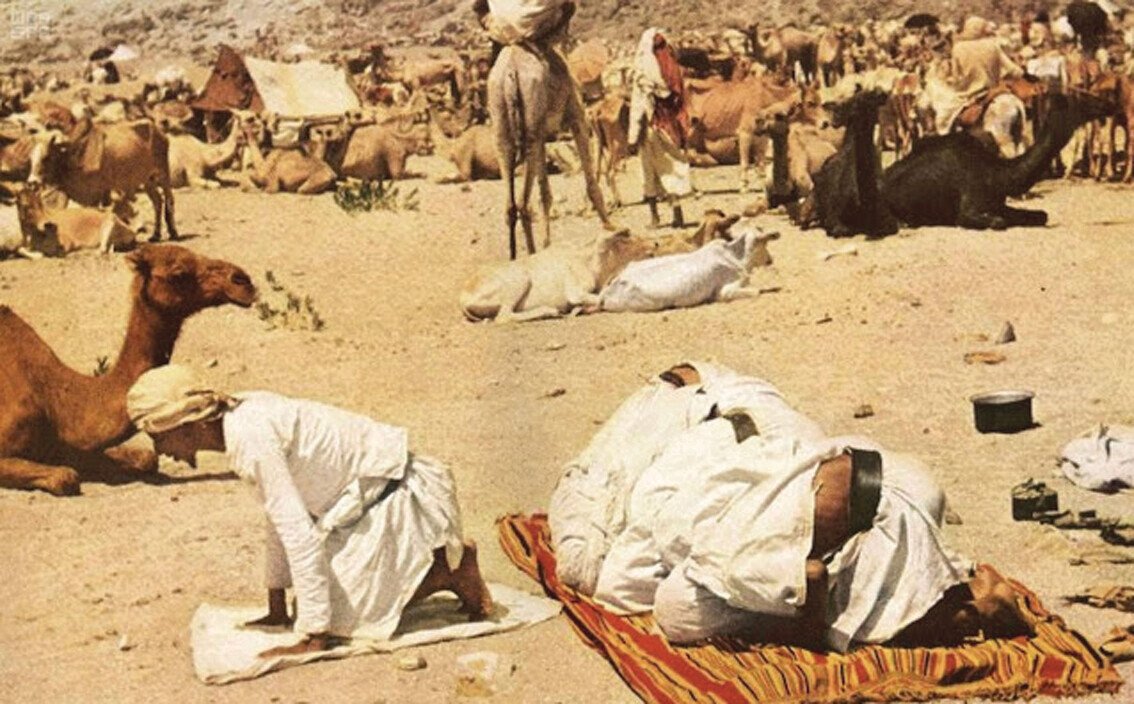
    Upon completion of their rituals and the performance of their Hajj, the pilgrims experience overwhelming joy that God has granted them the ability to perform the Hajj obligation. They return in the past to their homes in joy documented by their simple gifts that they purchase from the simple markets of Mecca at that time, where they are distributed to family, relatives and neighbors. Decades ago, the Hajj journey was carried out by caravans of camels, after the pilgrims of each household met with their relatives and friends and after farewell farewells. Mixed with burning tears, the pilgrims of each country go out before the arrival of the cars on a known route, to meet with their fellow pilgrims from the region, and to be a cooperative group. For example, the pilgrims from the Al-Washm region meet in a place where they gather on the road to walk in a group of caravans, as well as the pilgrims from the Sudair region and most of the regions of Najd, and the rest of the regions of the Kingdom from its south and north to its east, to find people on their way and check on each other. This is what they do on the way back. In the past, before the appearance of cars, anyone who wanted to perform Hajj would join a Hajj caravan, where a group of people would gather in each town for a group journey by camel packs, which would be taken care of well before the departure period, by feeding them and taking care of them in order for them to bear the burdens of the road. They would set a day for the start of the caravan’s journey. At dawn, the journey and company would be organized with a number of camels that might exceed dozens. They would go on for long days that might take about The month is on their journey, and they disembark at sunset to get some rest and sleep, and they set off at the break of dawn in order to continue the march until noon, and when the heat of the sun becomes intense at noon, the riders stop to rest under the shade of the trees, and this time is called (Al-Maqil), and the travelers go to eat some food separately with his family after he leaves the horse to graze around them, and this food may be a few dates with (a spoonful) of cold water from filled waterskins. Some wealthy people may knead flour (wheat flour), gather some firewood and make an embers tablet, rub it with wood, and then drink water. Then the caravan continues on its journey until nighttime, and the caravan stops and each of its mounts is tied up so that it does not run during the night and leaves him without a mount. Some of them even tie it up and use his hand as a pillow to sleep at night, especially during the time of severe cold, as it brings him warmth. The traveler carries clothes, light furniture, etc. Medicines and herbs that he may need during the journey will help him during this long and arduous journey.

    Among the most famous owners of expeditions and caravans in Riyadh since the beginning of the fourteenth century before the era of cars are the campaign of (Budnan), the campaign of Saleh bin Hadyan, the campaign of Ali bin Asim from the people of Dhahirah, the campaign of Omar bin Bakr starting from near the cemetery of (Mikaal), as well as the campaign of Farraj from the people of Al-Harika, the campaign of Al-Kathiri, and the campaign of Sheikh Saleh Al-Dakhil. After the pilgrims reach Mecca, they perform the Hajj rituals in simplicity, as they move between the sites in Mina and Muzdalifah. And Arafat without tents, until the end of the Hajj, then they perform the farewell circumambulation of the ancient House, and then begin the journey back home, rejoicing in the completion of the Hajj.

    Hajj by car

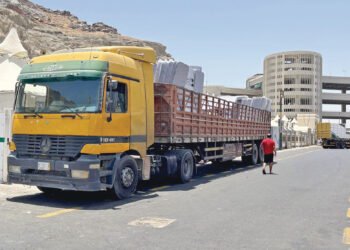
    When cars appeared in the Kingdom, the roads in their early days were desert and rugged, and traveling through them was not easy or convenient. In addition, cars at that time were not comfortable. Rather, most of them were cars for transportation and not for riding, comfort, and luxury. However, they became a means of travel that replaced travel by saddlebags. With the availability of cars, people gave up traveling to Mecca by saddlebags and walking on foot and replaced them in that. Whoever wants to travel to perform the Hajj rituals now goes to whoever has a car and carries the passengers in it. For rent, he would book an appointment with him and travel with him to Mecca to perform the Hajj rituals. The cars were initially transport vehicles of the type (Lorry) or (Fort) as they were called (Ford) cars. People were very happy with the arrival of cars, which saved them from riding camels and the great hardship of crossing the road, in a period that might extend to a month or more, while the car covered that in three or four days from Riyadh to Mecca, and the car or (Lorry) often carried twenty to thirty. Passengers, a small number of them in the car, who pay double the fare for the person riding in its spacious rear trunk, where the owner places wood on its sides, so that there are two layers, the lower of which is placed in the furniture and animals, while the passengers shared the ride in the upper layer with their families, and with them their food and drink. The roads were not paved in the beginning, but were mostly desert, which doubled the journey time and increased the hardship and fatigue, especially when the car tires were stuck in the car. Mud and mud or in heavy sand, which required the cooperation of all passengers in the process of removing the car from whatever it was stuck in. Food was also prepared with the cooperation of everyone, as there was a (cat) for each passenger (i.e. each passenger paid an amount to spend on all passengers during the trip) and played a role in the process of cooking, cleaning, etc.

    Gifts of the past

    Since the way back home took a long time and the means of preserving food were not known, the pilgrims used to benefit from the sacrificial meat and sacrificial animals during their stay in Mina by making (qadid) or (qafr). They would cut the remaining meat into thin, long slices, cover them with heavy amounts of coarse salt to cut off the moisture from them, then stretch them on tent ropes or spread them over the hot rocks of Mina’s mountains under the rays of the scorching sun for several days until they dried completely. The salted dried food would become their food on the long return journey, and they would return with what was left of it to their remote homes to distribute it as a blessing gift loaded with the scents of the Holy Mosque. Among the gifts that people did not neglect, even if they were of limited income, were pilgrims’ gifts, which had a special taste, so the pilgrims, at the end of their stay in Mecca, were keen to shop from its markets in order to gift their family and neighbors after their return from Hajj. Despite this, these simple gifts mean a lot. Waiting for it is for people to communicate with each other and bring them closer together. If someone intends to perform Hajj, he informs the people of the village to find them in the forefront of his farewells, and after his return, he distributes gifts to them, rejoicing in the completion of the rituals of Hajj and returning home safe and sound. After completing the rituals of Hajj, pilgrims do not forget gifts to their loved ones from family and friends, and the children have a share of them. The gifts offered for purchase at that time were limited, so there is no room for choice, and these gifts are limited to (al-qarid), which is love. Small dried chickpeas, and (Mecca sweets), which are red sugar-flavored pieces made in a large mold and then broken into pieces the size of the palm of the hand or smaller. They had a special taste and a wonderful sweet taste. These sweets were associated with (Mecca), so when you look at them you know that they were brought with the pilgrims or Umrah performers, as well as (sobal), which is whole peanuts. Among the pilgrims’ gift there is a (buzzer) for children, rings and bracelets made of metal that resemble gold, and (Nazor), which is a small toy if you squeeze it. On it, with your fingers, you will see pictures of Mecca, Medina, and the feelings, which at that time brought happiness and joy to the hearts of children, in addition to pieces of cloth for women.

    Night market

    In the past, the Night Market was considered the closest market to the Holy Mosque in Mecca. It is located in the northeastern side. This market is part of the Night Market neighborhood and overlooking the market is Mount (Khandama) from the eastern side. Next to this spot on the southern side is Mount Abu Qubays, overlooking Safa and Marwa. This market dates back to a hundred years, and it was the meeting point for merchants in the Kingdom with their counterparts from African countries coming through the port of Yanbu. The market was spread out at night, and what is famous among the Meccans in recent years is that it is a market where vendors gather. At night, it was called the Night Market. The people of Mecca used to be in markets such as: Al-Saghir Market, Al-Ma’ala Market, and the people of Al-Manshiyat from Al-Masfalah, Shaab Amer, and others would come to this market at night to sell what food and drink they had left for whatever value it was. The shops in the Night Market represented a simple architectural artistic painting, as small shops were lined up next to each other, shaded by wood and cloth, and smelling of spices and musk. These shops were the first destination for anyone looking for authenticity, as they provided everything that the Meccan House needed and what the pilgrim wanted to acquire as a memory of this pure land. The Night Market was the largest market in Mecca in the fourteenth century AH, and its painting was gone and only its name remained because it became part of the expansion of the Grand Mosque in Mecca, within the framework of the Kingdom’s ambitious vision to serve the guests of the Most Merciful, and accommodate the increasing numbers of pilgrims and Umrah performers, which included historical expansion projects for the Grand Mosque. Souq Al-Layl area in Mecca. This expansion was not just the removal of old buildings, but rather it was a qualitative shift aimed at providing comfort and safety for visitors to the Holy House of God, and transforming the area into spacious squares and world-class service facilities.

    هدايا رمزية 
    

    Pilgrims’ gifts in the present time are different from what they were in the past, and these gifts are now limited to relatives only, and the markets of Mecca now offer various modern goods from which pilgrims buy their gifts, which are luxurious types of prayer rugs, which in many gift shops now write the name of the person to whom this rug is to be given in beautiful handwriting, in addition to the purchase of siwaks, luxurious prayer beads, and a number of luxurious pieces of cloth, in addition to bottles of Zamzam water, despite the fact that these goods control most of the markets near the Holy Mosque in Mecca. Al-Sharif, however, there are a number of gift shops that display old pilgrims’ gifts as a kind of memory and heritage. These shops are called “haberdashery” shops, and these shops receive great demand, especially from pilgrims coming from outside the Kingdom, due to the cheapness and variety of the goods offered.

    (Night Market) its drawing is gone but its name remains

    Pilgrims’ gifts have become symbolic and are only for those close to them

    Pilgrims’ gifts have changed nowadays

    The arrival of cars contributes to shortening the time and effort of pilgrims

    Pilgrims are keen to buy gifts from Mecca

    Prepared by: Hamoud Al-Duwaihi


    Source link

    Related Posts

    Iran FM asks Lebanon’s Aoun to save country from ‘real foe’ after ‘bargaining chip’ comment
    Saudi Arabia

    Iran FM asks Lebanon’s Aoun to save country from ‘real foe’ after ‘bargaining chip’ comment

    June 7, 2026
    After 10 days of siege.. the success of the largest rescue operation for detainees inside a cave in Laos – Saudi News
    Saudi Arabia

    After 10 days of siege.. the success of the largest rescue operation for detainees inside a cave in Laos – Saudi News

    June 7, 2026
    Al-Riyadh newspaper | Serving the Two Holy Mosques and their guests is at the top of the leadership’s concerns
    Saudi Arabia

    Al-Riyadh newspaper | Serving the Two Holy Mosques and their guests is at the top of the leadership’s concerns

    June 6, 2026
    India fires Suryakumar as T20 captain, names Sooryavanshi in squad
    Saudi Arabia

    India fires Suryakumar as T20 captain, names Sooryavanshi in squad

    June 6, 2026
    Minister of Industry: We seek to expand cooperation and investment with Russia in rare and critical minerals – Saudi News
    Saudi Arabia

    Minister of Industry: We seek to expand cooperation and investment with Russia in rare and critical minerals – Saudi News

    June 6, 2026
    Al-Riyadh newspaper | Logistics supports the readiness of the holy sites
    Saudi Arabia

    Al-Riyadh newspaper | Logistics supports the readiness of the holy sites

    June 6, 2026
    Next Post
    Burgundy opens its doors to fans in Santa Barbara

    Burgundy opens its doors to fans in Santa Barbara

    POPULAR NEWS

    Energy Minister calls Jamaica electricity blackout ‘unacceptable’; orders probe | News

    Energy Minister calls Jamaica electricity blackout ‘unacceptable’; orders probe | News

    June 6, 2026
    VT10M EDF-funded coconut oil facility destroyed in Rah fire

    VT10M EDF-funded coconut oil facility destroyed in Rah fire

    June 7, 2026
    Logistical adjustments keep landlocked region’s exports flowing overseas

    Logistical adjustments keep landlocked region’s exports flowing overseas

    June 7, 2026
    Sam Byford

    Sam Byford

    June 7, 2026

    ‘Protected Areas Accelerator’ Program Awards Grants to 16 Administrations 7 days

    June 7, 2026

    EDITOR'S PICK

    The countryside, where the wilderness occasionally reclaims the main role

    June 7, 2026
    The 5th protest in a row, citizens protest again at the Prime Minister’s Office with the slogan: Rama in prison, Berisha in prison – Shqip.com

    The 5th protest in a row, citizens protest again at the Prime Minister’s Office with the slogan: Rama in prison, Berisha in prison – Shqip.com

    June 6, 2026
    A festive festival in Jabal Ras in Hodeidah to commemorate State Day – Al-Thawra Net

    A festive festival in Jabal Ras in Hodeidah to commemorate State Day – Al-Thawra Net

    June 6, 2026
    Residents of Palermo against the luxurious wedding of Dua Lipa, citizens protest for the closure of streets and public squares: The city is not for rent

    Residents of Palermo against the luxurious wedding of Dua Lipa, citizens protest for the closure of streets and public squares: The city is not for rent

    June 6, 2026

    Recent Posts

    • VT10M EDF-funded coconut oil facility destroyed in Rah fire
    • Logistical adjustments keep landlocked region’s exports flowing overseas
    • Sam Byford
    • ‘Protected Areas Accelerator’ Program Awards Grants to 16 Administrations 7 days

      © 2026 Agentially - Navigating shifting sovereignties and global risk .

      Welcome Back!

      Login to your account below

      Forgotten Password?

      Retrieve your password

      Please enter your username or email address to reset your password.

      Log In
      No Result
      View All Result

        © 2026 Agentially - Navigating shifting sovereignties and global risk .

        This website uses cookies. By continuing to use this website you are giving consent to cookies being used. Visit our Privacy and Cookie Policy.