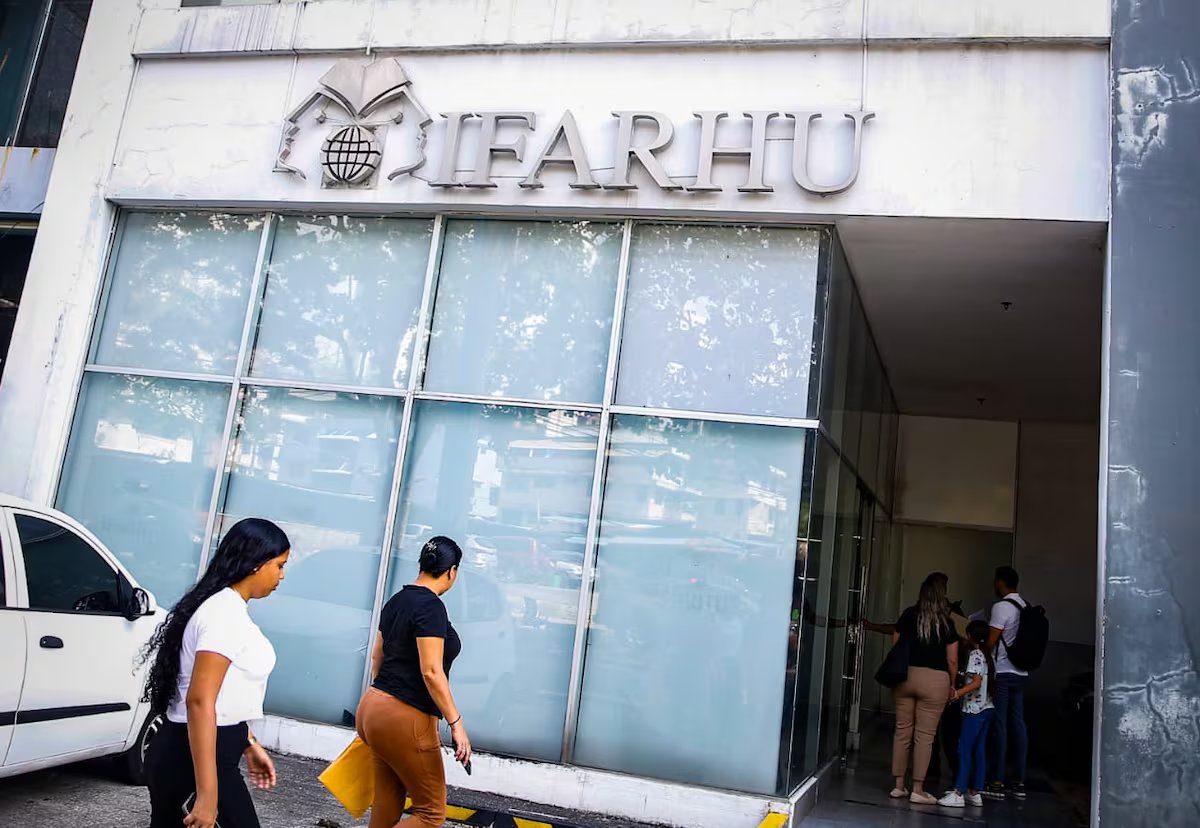
The Anti-Corruption Prosecutor’s Office carried out a visual inspection at the headquarters of the Institute for Training and Use of Human Resources (Ifarhu) in search of documentation that can support financial aid to 4,000 students nationwide.
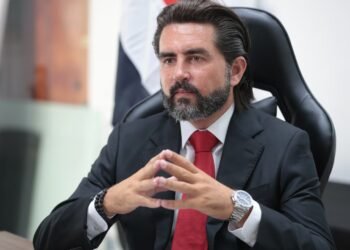
The diligence, which began at 9:00 am, was headed by anti-corruption prosecutor Azucena Aizpurúa, who is investigating the financial aid granted during the administration of the former director of Ifarhu, Bernardo Meneses (2019-2023).
The prosecutor’s office officials focused their diligence on the Economic Aid Monitoring Office, since that office must verify the information provided by the students to access Ifarhu benefits.
During the investigation, the prosecutor’s office asked Ifarhu officials about the mechanics for granting financial aid and the requirements to obtain these facilities to complete studies.

In this case, the prosecutor’s office has charged 22 people with embezzlement, including the former director of Ifarhu Bernardo Meneses.
Meneses, who remains detained, faces charges of embezzlement, money laundering and unjustified enrichment during his administration.
Among those charged are also a group of 12 students from the Ngäbe-Buglé region, who received financial aid of $25,000 to complete degrees that do not exceed $400 at the Technological University of Panama.
This case was declared a complex case and was granted a one-year extension to complete the investigations, after prosecutor Aizpurúa points out that there are hundreds of financial aid to be verified.
As well as knowing that the beneficiaries of these facilities actually completed the courses for which they were assigned by Ifarhu.
The prosecutor’s office also requested from the Comptroller General of the Republic an extension of the audit delivered in 2025, which showed a property damage in the amount of $24 million.
The Public Ministry has also requested information from educational entities abroad in which some beneficiaries of aid received academic preparation. In this case, the aim is to determine if the students really completed the studies for which they requested financial support from this institution.
The prosecutor’s office has also taken statements from the social workers who work at Ifarhu, who are in charge of carrying out the economic evaluations of the beneficiaries of this aid, who explained that for the delivery of the benefits the final say lay with the evaluation commission and the general director.
Among the anomalies detected by the Anti-Corruption Prosecutor’s Office during the investigation is the fact that the Ifarhu Evaluation Commission granted financial aid to people who had monthly income between $5,000 and $12,000.
It was also detected that some beneficiaries of financial aid presented altered, illegible and duplicate invoices to support the expenses incurred.
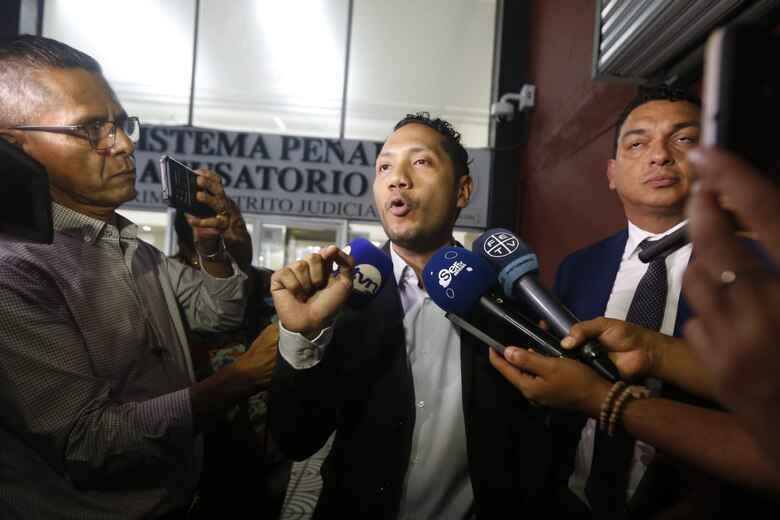
Meneses’ defense alleges that the prosecution has not yet been able to establish that his client’s money has an illicit origin or that he has requested money in exchange for the granting of financial aid.
They have also indicated that the investigation against their client has a political background.